Navigating the Housing Market: Lock or Float Your Mortgage Amid Economic Uncertainty
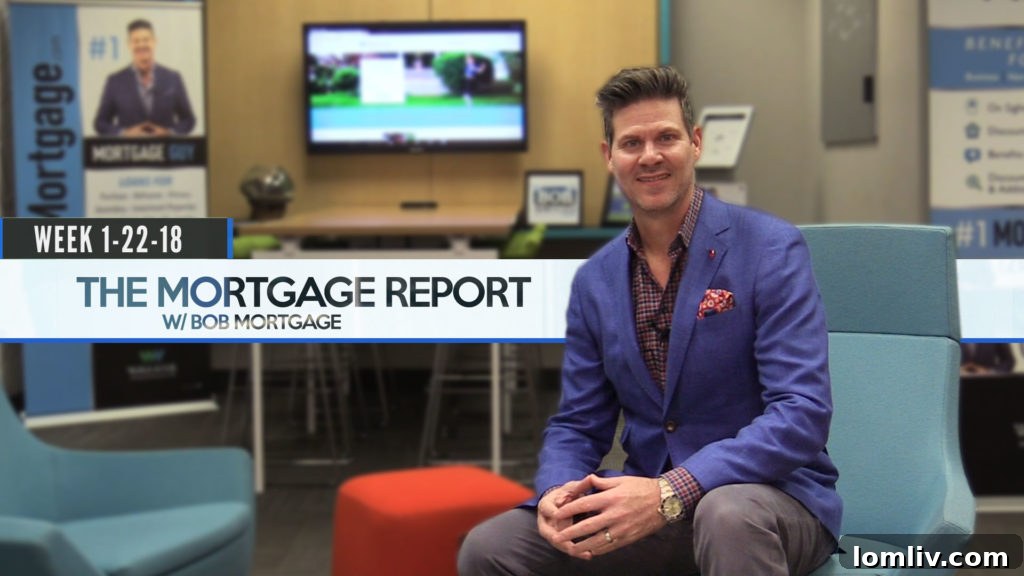
The housing market is currently navigating through a period of intense scrutiny and rapid change, making it a critical time for both prospective homebuyers and those considering refinancing. As external factors like federal government shutdowns and a turbulent stock market continue to influence economic stability, making informed mortgage decisions has never been more vital. In our latest Mortgage Report, seasoned expert Bob Johnson, widely recognized as BobMortgage, offers crucial insights into whether you should “lock” your mortgage rate or allow it to “float” in these uncertain times.
The Impact of Economic Turbulence on the Housing Market
Recent events have highlighted the interconnectedness of various economic sectors. A federal government shutdown, even if temporary, can inject significant uncertainty into the financial markets. Such disruptions can delay loan approvals, impact government-backed housing programs, and generally erode consumer and lender confidence. For the housing market, this translates into potential hesitations from buyers and sellers, affecting transaction volumes and property values.
Furthermore, a turbulent stock market often signals broader economic concerns. When stock markets experience significant volatility, investors frequently seek safer assets, such as bonds. Changes in the bond market directly influence mortgage rates. While an influx into bonds might, in some scenarios, push mortgage rates lower, other economic indicators like inflation rates, employment data, and the Federal Reserve’s monetary policy decisions can exert opposing pressures. This creates a complex and often unpredictable environment for anyone trying to secure a home loan or refinance an existing one.
Understanding these macro-economic forces is the first step toward making a sound mortgage decision. The interplay between government stability, investor sentiment, and central bank actions forms a delicate balance that directly affects the cost of borrowing for homeownership. As these elements continue to evolve, staying informed becomes paramount.
Deciphering Your Options: To Lock or To Float?
The fundamental question for anyone engaging with the mortgage market during periods of instability is simple yet profound: Should you lock your interest rate now, or should you allow it to float, hoping for more favorable conditions? Each strategy carries distinct advantages and disadvantages, and the best choice depends heavily on your individual circumstances, risk appetite, and market outlook.
Locking Your Mortgage Rate: Securing Stability
When you choose to “lock” your mortgage rate, you are effectively entering an agreement with your lender to secure a specific interest rate for a defined period, typically ranging from 30 to 60 days, during which your loan is processed and closed. This strategy is akin to purchasing an insurance policy against rising rates.
- Advantages of Locking:
- Predictability: You gain peace of mind knowing your interest rate won’t increase before closing, allowing for accurate budget planning.
- Risk Mitigation: Protects you from sudden market upturns in interest rates, especially during periods of high volatility or anticipated rate hikes.
- Certainty: Eliminates the stress of constantly monitoring market fluctuations closer to your closing date.
- Considerations for Locking:
- Missed Opportunities: If market rates drop significantly after you’ve locked, you won’t benefit from the lower rates unless your lender offers a “float-down” option, which might come with a fee.
- Time Constraints: Lock periods have expiry dates; if your loan processing extends beyond this, you might need to pay an extension fee or re-lock at current rates.
Floating Your Mortgage Rate: Embracing Flexibility and Risk
Conversely, “floating” your mortgage rate means you choose not to lock it immediately. Instead, you allow your interest rate to move with the market until a point closer to your loan’s closing. This strategy is based on the hope or expectation that rates will fall or remain stable, allowing you to secure a potentially lower rate before your loan is finalized.
- Advantages of Floating:
- Potential for Savings: If rates decrease between your application and closing, you could secure a more favorable, lower interest rate, leading to significant savings over the life of the loan.
- Market Responsiveness: Provides the flexibility to adapt to positive shifts in the market.
- Considerations for Floating:
- Exposure to Risk: The most significant drawback is the risk of rates increasing. If rates rise, you could end up with a higher interest rate and a larger monthly payment than initially expected.
- Uncertainty: Introduces an element of unpredictability to your financial planning.
- Stress Factor: Requires constant monitoring of market trends and can be a source of anxiety.
Making Your Decision: Key Factors to Weigh
The choice between locking and floating is deeply personal and should be made after careful consideration of several factors:
- Your Personal Risk Tolerance: Are you comfortable with uncertainty, or do you prioritize stability and predictability above all else?
- Current Market Trends and Forecasts: While no one can perfectly predict the future, understanding expert analyses of economic indicators and Federal Reserve statements can provide clues about potential rate movements.
- Loan Type and Closing Timeline: The duration of your loan process can influence your decision. A longer closing period might favor locking, while a very short one might allow for more flexibility with floating.
- The Rate Offered: If the current rate available is historically low and comfortably fits your budget, locking it might be a wise move, irrespective of minor future fluctuations.
- Lender’s Specific Policies: Inquire about your lender’s exact terms for rate locks, extension fees, and any “float-down” options that might be available.
The Indispensable Value of Expert Guidance: Bob Johnson and Wallick & Volk
In today’s rapidly evolving and often perplexing financial climate, having access to reliable, expert advice is not just beneficial—it’s essential. This is precisely where seasoned professionals like Bob Johnson, known affectionately as BobMortgage, shine. As a senior mortgage adviser for Wallick & Volk, the nation’s oldest private lender, Bob brings a wealth of experience and a deep understanding of the intricate real estate finance landscape.
Wallick & Volk’s century-long legacy in the mortgage industry speaks volumes about their stability, integrity, and unwavering commitment to client success. Being the oldest private lender means they’ve navigated countless economic cycles, market shifts, and regulatory changes, accumulating a depth of knowledge that is invaluable to their clients. Their approach goes beyond merely processing loans; it involves providing comprehensive, personalized guidance to ensure every client makes the most advantageous decision for their unique situation.
Bob Johnson and his dedicated team at Wallick & Volk are renowned for their ability to distill complex market information into clear, actionable advice. They help clients understand not just the “what” but the “why” behind mortgage rate movements and economic forecasts. Whether you are buying your first home, refinancing to optimize your financial position, or investing in property, their expertise is a critical asset. They empower you to make choices that align with your long-term financial goals, providing clarity amidst confusion and confidence in your decisions.
In an era where information overload is common, discerning credible advice is key. Bob Johnson’s Mortgage Report, coupled with the unparalleled service from Wallick & Volk, stands as a beacon of reliability. Their seasoned advisers possess the foresight and knowledge to interpret market signals, forecast potential shifts, and expertly guide you through every facet of mortgage products and processes, ensuring you are thoroughly prepared for whatever the market may present.
For more detailed insights and direct advice from BobMortgage, watch his latest report:
Conclusion: Confident Mortgage Decisions in an Evolving Market
The current economic landscape, characterized by government instability and stock market turbulence, undeniably adds layers of complexity to mortgage decisions. However, this complexity does not have to lead to paralysis. By diligently weighing the pros and cons of locking versus floating your interest rate, carefully assessing your personal financial situation and risk tolerance, and crucially, leveraging the unparalleled insights from trusted experts like Bob Johnson at Wallick & Volk, you can navigate your mortgage journey with unwavering confidence.
Their expert guidance transforms a period of potential uncertainty into a strategic opportunity for informed financial planning, ensuring you secure the most advantageous terms for your home financing. Stay well-informed, remain proactive, and utilize expert advice to successfully manage the intricacies of today’s housing market. Your home represents one of your most significant investments, and making a well-considered mortgage decision is absolutely paramount to your long-term financial stability and well-being.