Garland, Texas: A City Divided Between Zombie Fame and Apocalypse Preparedness
Garland, Texas, holds a peculiar, almost contradictory, reputation when it comes to the undead. On one hand, it’s a city humorously immortalized in a major Hollywood film as a post-apapocalyptic wasteland. On the other, it consistently ranks poorly in real-world assessments of zombie apocalypse survival readiness. This unique dichotomy makes Garland a fascinating case study in how a city navigates its pop culture identity versus the cold, hard data of preparedness. While Garland may have embraced its “zombie-friendly” moniker with a wink and a nod, the numbers tell a different story about its actual readiness for a full-scale undead invasion.
The Undead Legend of Garland: From Zombieland to Local Lore
The city’s connection to the zombie genre was firmly established with the 2009 cult classic, Zombieland. In one of the movie’s memorable opening scenes, Jesse Eisenberg’s character, Columbus, recounts his harrowing journey through a zombie-infested landscape. Standing at a desolate service station, he delivers a line that would forever link Garland with the apocalypse: “I’m in Garland, Texas. And it may look like zombies destroyed it, but that’s actually just Garland.” This humorous, albeit unflattering, jab became an unexpected part of Garland’s public image, sparking conversations and local lore that persist to this day. For fans of the movie, Garland became synonymous with the desolate aftermath of a zombie outbreak, even if the reality was far from the film’s gritty depiction.
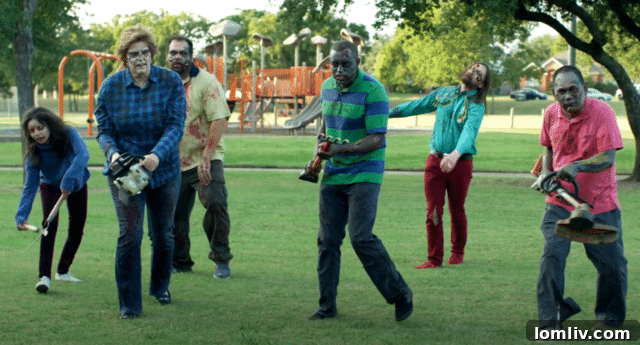
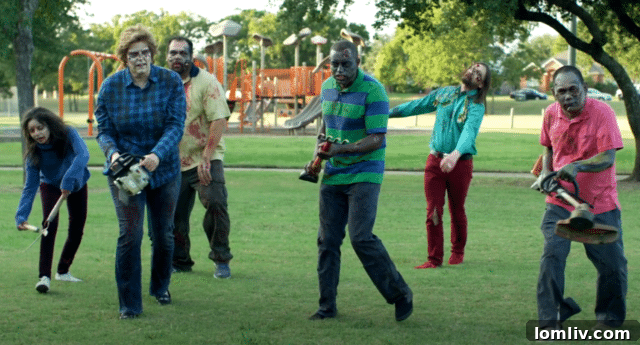
Far from being offended, Garland’s leadership saw an opportunity to engage with this newfound cinematic fame. Bryan Bradford, the Garland city manager at the time, recognized the potential for a clever, tongue-in-cheek marketing campaign. Embracing the city’s undead reputation, Bradford starred in a public-service video that playfully promoted Garland as “zombie-friendly.” This creative initiative showcased Garland’s sense of humor and its willingness to connect with pop culture in an innovative way. The video, crafted to generate local buzz, was even screened in local theaters as a preview to the 2019 sequel, Zombieland 2: Double Tap, further cementing Garland’s unique tie to the franchise. This clever strategy turned a potential slight into a unique branding moment, demonstrating the city’s vibrant and adaptable spirit.
Such a message, delivered with a healthy dose of irony and self-awareness, proved to be an ingenious way to engage with both residents and prospective newcomers. It suggested a community that doesn’t take itself too seriously, yet still understands the importance of public relations. This playful approach stands in stark contrast to the serious data that assesses actual survival rates, creating a compelling narrative about Garland’s identity.
Fact vs. Fiction: Garland’s Low Ranking in Zombie Preparedness
Despite Garland’s charming adoption of its “zombie-friendly” label, a recent study by Lawn Love paints a less optimistic picture of its actual readiness for a zombie apocalypse. Lawn Love, a San Diego-based landscaping company known for conducting data-driven lifestyle studies, undertook a comprehensive analysis inspired by the Centers for Disease Control and Prevention’s (CDC) own humorous yet educational “zombie preparedness” guidelines. The CDC has long used the zombie apocalypse as a fun, memorable metaphor to teach the public about essential disaster readiness principles, such as having an emergency kit, a family emergency plan, and a designated meeting place.
Lawn Love’s study meticulously ranked the 200 largest cities in the nation based on an extensive set of 23 key indicators crucial for surviving an undead onslaught. These metrics covered everything from a city’s ability to defend itself, its access to essential resources, and its overall infrastructure resilience. Key factors included the share of available homes with basements or bunkers (critical for secure shelter), the accessibility of hunting gear and weaponry, population density (less dense often means easier to evade), and the presence of medical facilities and supply chains. When the numbers were crunched, Garland, surprisingly, found itself lagging significantly behind many other metropolitan areas, securing a dismal 141st position on the list of best cities to survive a zombie apocalypse.
This ranking starkly contrasts with the cinematic portrayal in Zombieland, where Garland appeared to be a formidable, if desolate, battleground. In the movie, Eisenberg’s character might have been in a panic, but his observation about Garland being “destroyed” seemed to imply a city that put up some fight. The reality, according to Lawn Love’s data, suggests that while Garland might be “zombie-friendly” in spirit, its physical infrastructure and resource availability might not be quite up to the task of fending off hordes of the undead. This discrepancy highlights the entertaining gap between fictional narrative and empirical data, offering a unique perspective on urban resilience.
How Texas Stacks Up: A Regional Look at Preparedness
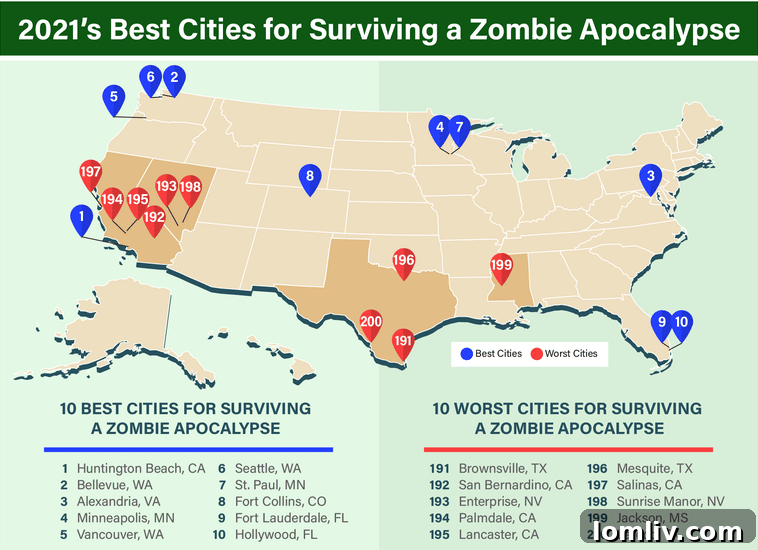
Garland’s lower ranking is not an isolated incident within the Lone Star State; in fact, the broader North Texas region generally struggled in Lawn Love’s assessment. Many prominent cities in this rapidly growing metropolitan area fared less than ideally in the face of a hypothetical zombie invasion. For instance, while Frisco, often celebrated for its rapid development and high quality of life, emerged as the top-rated Texas city at a respectable 22nd nationally, and Plano followed at 75th, the rankings for other major cities dipped considerably.
McKinney was ranked 120th, Arlington 143rd, Grand Prairie 164th, Dallas 165th, Fort Worth 166th, Irving 175th, and Mesquite a dismal 196th. These numbers suggest that while Texas cities are booming economically and attracting new residents, they may not be optimally equipped for extreme disaster scenarios, whether fictional like a zombie apocalypse or more realistic threats like widespread power outages or natural disasters. Factors contributing to these lower rankings might include the prevalence of homes without basements, which are less common in Texas compared to other parts of the U.S., and the challenges of managing resources and evacuation routes in densely populated urban centers. This regional trend underscores a need for enhanced general disaster preparedness across North Texas, using the fun zombie metaphor as a call to action.
National Overview: Best and Worst Cities for Survival
On a national scale, Lawn Love’s study revealed some intriguing insights. Huntington Beach, California, a coastal city known for its vibrant surf culture and affluent communities, earned the coveted title of the best city in the nation to survive a zombie apocalypse. Its blend of resources, potential for defensible positions, and perhaps a certain resilience inherent in its outdoor-oriented lifestyle contributed to its top spot. Conversely, Laredo, Texas, located on the U.S.-Mexico border, found itself at the very bottom of the list, ranking 200th. This suggests that factors like resource availability, infrastructure, and perhaps population density or geographic isolation might play significant roles in a city’s overall preparedness level.
Garland’s True Appeal: A City of Opportunity
Despite its struggles in zombie preparedness rankings, it’s crucial to contextualize Garland’s identity beyond this humorous metric. The city is, in reality, a thriving community with numerous appealing qualities that attract new residents. Just last year, Garland earned a commendable eighth spot on SmartAsset’s prestigious list of best cities for first-time homebuyers. This ranking reflects Garland’s affordability, strong job market, reasonable housing costs, and overall quality of life, making it a highly desirable place for individuals and families to establish roots. This positive recognition underscores that while the zombie apocalypse scenario provides entertaining data, it doesn’t diminish Garland’s genuine strengths as a growing, vibrant, and welcoming city.
The city’s ability to attract new residents and offer a high quality of life for its citizens demonstrates a robust local economy and effective urban planning. It showcases that the humorous pop culture reference and the low survival ranking are simply fun anecdotes, not indicators of the city’s actual livability or its future potential. Garland continues to invest in its community, infrastructure, and services, ensuring it remains an attractive destination for those seeking opportunity and a pleasant living environment, regardless of any fictional undead threats.
The Deeper Message: Why We Talk About Zombie Preparedness
While the notion of a zombie apocalypse is, of course, purely fictional, the ongoing fascination with zombie preparedness studies, including those by the CDC and Lawn Love, serves a crucial underlying purpose. By framing disaster readiness in a pop culture context, these campaigns make vital information more accessible and engaging to a broader audience. The “zombie apocalypse” becomes a relatable and memorable proxy for a wide array of real-world emergencies: natural disasters like hurricanes, tornadoes, and floods, widespread power outages, economic disruptions, or even public health crises. The skills and resources needed to “survive a zombie apocalypse”—having an emergency kit with food, water, and first aid, knowing evacuation routes, having communication plans, and identifying safe shelters—are precisely the same preparations essential for any major emergency.
Therefore, while Garland’s “zombie-friendly” video and its 141st ranking might seem lighthearted, they inadvertently contribute to a larger conversation about urban resilience and individual readiness. They encourage citizens to think critically about their own preparedness levels, their community’s infrastructure, and the resources available in times of crisis. The playful narrative serves as a powerful reminder that being prepared isn’t just for doomsday preppers; it’s a fundamental aspect of responsible citizenship and community well-being.
Conclusion: Hunker Down, Texas Style!
So, what’s the ultimate takeaway from Garland’s intriguing dance with the undead? If and when the zombie apocalypse finally arrives, whether you’re in Garland or elsewhere in North Texas, the data suggests that large, well-stocked commercial centers might offer a surprising sanctuary. The tongue-in-cheek advice to “hunker down at Stonebriar Centre, IKEA, or The Star” speaks to a common pop culture trope—that sprawling retail complexes, with their vast supplies and potentially defensible structures, could serve as temporary havens. It’s a humorous nod to consumerism meeting catastrophe.
Ultimately, Garland’s story is a compelling blend of pop culture impact, civic engagement, and a light-hearted, yet informative, look at urban preparedness. It reminds us that while the movies offer exciting escapism, real-world data encourages us to be ready for whatever challenges—fictional or otherwise—our communities might face. So, perhaps the true moral of the story isn’t just about zombies, but about the enduring spirit of communities like Garland, ready to face any challenge with a smile, a plan, and maybe a few extra cans of non-perishable food.