The Unsettling Truth Behind Kendra Hatcher’s Murder: A Call for Enhanced Luxury Apartment Security
The tragic murder of Kendra Hatcher within the parking garage of Gables Park 17 in Uptown Dallas sent shockwaves through the community. What initially appeared to be a random, isolated incident in a high-end residential complex quickly unraveled into a complex web of intrigue, raising profound questions about the efficacy of luxury apartment security and the duty of care owed to residents. This case became a stark reminder that even in the most ostensibly secure environments, vulnerabilities can exist, demanding a re-evaluation of safety protocols and communication strategies for Dallas luxury apartments and beyond.
The Crime That Shook Uptown Dallas: Kendra Hatcher’s Final Moments
On a quiet Wednesday evening, the serenity of Gables Park 17 was shattered by an unthinkable act of violence. Kendra Hatcher, a compassionate and dedicated dental assistant, was brutally shot and killed in her own parking garage. The incident, which occurred on September 2, 2015, immediately sparked a massive Dallas police investigation, capturing national attention and deeply unsettling residents of the upscale Gables Park 17 and the broader Uptown Dallas area. The idea that such a heinous crime could transpire within the supposed sanctuary of a luxury apartment complex was deeply disturbing, challenging the perception of safety that many residents had come to expect and pay for.
Initial Breakthroughs and the Confession of Crystal Cortes
Dallas police acted swiftly, and within days, a significant arrest was made. Crystal Cortes, a Dallas woman, was taken into custody and charged with capital murder for the Kendra Hatcher murder. Her confession provided a chilling account of the events leading up to Hatcher’s death. Cortes admitted to investigators that she was the driver who transported the unidentified gunman to Gables Park 17. Surveillance footage, which circulated widely in the initial stages of the investigation, appeared to corroborate her statement, showing a driver consistent with Cortes’s appearance.
According to Cortes’s testimony, the motive behind this horrific act was robbery, and she claimed to have been paid a mere $500 to facilitate the crime. This detail was particularly jarring, suggesting a cold, calculated transaction rather than a spontaneous act of violence. While police were quick to confirm Cortes’s role, they remained notably silent on several crucial aspects: the identity of the shooter, the nature of Cortes’s potential relationship with the victim, and how deep the conspiracy might run. This lack of detailed information fueled public speculation and underscored the immediate need for answers, not just about the crime itself, but about the safety infrastructure of the building.
Although surveillance images released last week show only a driver in the Jeep, police said they corroborated Cortes’ account with witnesses and video evidence.
The Jeep followed another vehicle into the garage and waited, according to an affidavit. Later, after Hatcher pulled into a parking space, a man got out of the Jeep and shot her. As she lay dying beside her car, the man took some of her belongings.
The narrative that emerged from the police affidavit painted a grim picture: a calculated ambush where a vehicle intentionally followed another into the secure parking facility. This premeditated entry and execution of the crime, culminating in the theft of Hatcher’s belongings, suggested a level of planning that went beyond a simple, opportunistic act of robbery, prompting deeper questions about access control and parking garage security effectiveness within the luxury property.
Beyond the ‘Isolated Incident’: Unmasking Gables Park 17’s Security Vulnerabilities
In the immediate aftermath of Kendra Hatcher’s murder, there was a noticeable inclination, particularly from some quarters, to characterize the shooting as an “isolated incident.” This framing often serves to minimize broader systemic issues and can unfortunately lead to a false sense of security. However, for residents of Gables Park 17, and for anyone paying close attention, this tragic event was far from isolated. It highlighted a concerning pattern of security breaches and a perceived casual approach to resident safety that had long plagued the luxury building, despite its prime location in Uptown Dallas.
Luxury apartment complexes like Gables Park 17 market themselves on exclusivity, convenience, and, crucially, enhanced security. Residents pay premium prices with the expectation that their homes will be sanctuaries, protected by robust access controls, vigilant personnel, and state-of-the-art surveillance. Yet, the reality at Gables Park 17, as revealed by the Hatcher case and residents’ anecdotes, fell significantly short of this ideal. Reports of malfunctioning gates, unauthorized vehicles gaining entry, and inadequate monitoring systems were not new to the community. These prior security lapses, though perhaps not leading to violence, created a cumulative environment where a serious crime became not just possible, but arguably, predictable.
The notion that the murder was a one-off event, therefore, was deeply troubling to those who had experienced the existing security shortcomings firsthand. It downplayed the urgent need for a comprehensive security overhaul, opting instead for a narrative that might alleviate immediate panic but failed to address underlying structural weaknesses. The community’s response was not just grief, but a profound anxiety regarding the true safety of their homes, fueling widespread resident concerns at Gables Park 17.
The existing vulnerabilities at Gables Park 17 were not a secret; they were a growing concern among tenants, manifesting as a long list of security breaches that predisposed the building to such a tragedy. The murder of Kendra Hatcher laid bare these deficiencies, transforming abstract fears into a horrifying reality and making it impossible to ignore the critical need for a fortified security infrastructure and improved apartment safety tips for all residents.
The Front Line: Security Personnel and Training Gaps in Luxury Properties
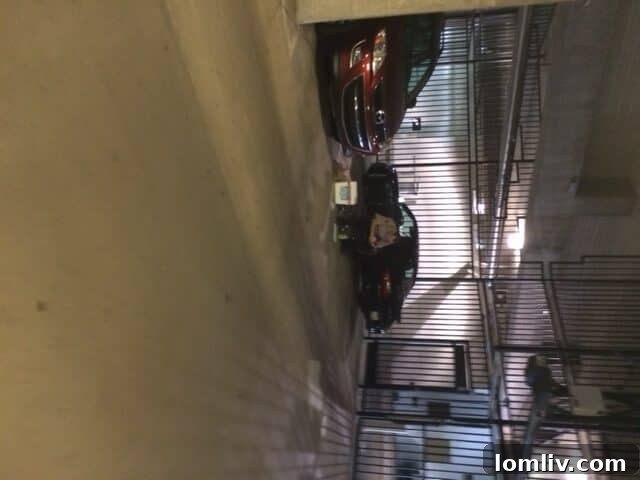
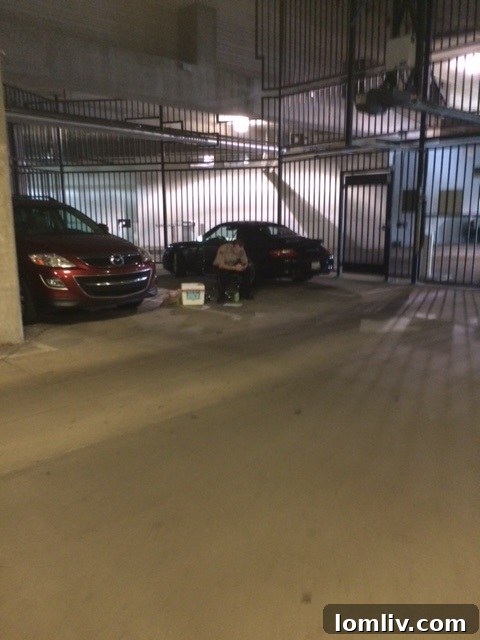
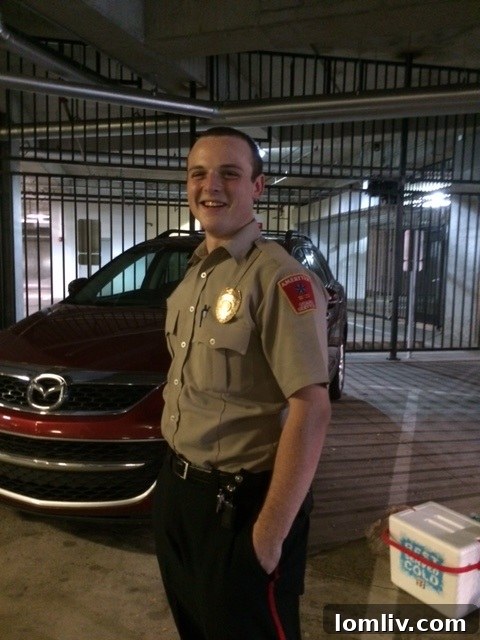
In the wake of the murder, Gables Park 17 implemented a visible security presence. A young security guard was stationed on duty, intended to be a reassuring figure for the anxious residents. However, the circumstances surrounding this new guard underscored some of the profound deficiencies in the building’s security approach. Tenants observed that he was a young man, not carrying a firearm, despite being licensed to do so. More critically, residents discovered a disturbing fact: the security company he worked for had apparently failed to inform him that a murder had occurred in the very parking garage he was now tasked with securing. He learned about the tragedy directly from the tenants he was hired to protect.
This revelation speaks volumes about the disconnect between property management, security contractors, and the personnel on the ground. A security guard who is unaware of a major crime that recently transpired on their watch cannot effectively protect residents or anticipate potential threats. This lack of critical information compromises their ability to perform their duties diligently and highlights a severe oversight in training and communication protocols. The guard, despite his genuine concern for the residents, was operating at a significant disadvantage, a testament to systemic failures rather than individual shortcomings in Gables Park 17 security.
Furthermore, it was reported that the security company initially held the belief that the murder was “likely calculated and therefore he doesn’t need protection.” This assessment, if true, is deeply problematic. Regardless of the calculated nature of a crime, the presence of trained, well-informed, and adequately equipped security personnel is paramount, especially in a luxury residential environment that promises safety. Minimizing the need for protection based on an assumption about the crime’s nature demonstrates a fundamental misunderstanding of comprehensive security principles and leaves residents vulnerable.
Communication in Crisis: Management’s Response to Terrified Residents
Effective communication during a crisis is paramount for building trust and reassuring residents. However, Gables management company’s initial attempts to address the concerns of nervous building tenants following Kendra Hatcher’s murder left much to be desired. The tone and content of their messages, while attempting to provide updates, often fell short of the direct, empathetic, and transparent communication that residents desperately needed, leading to further resident frustration and concern.
Initial “News Update”: Vague and Indirect
The first communication from Gables management arrived as a generic “News Update.” Rather than directly addressing the profound tragedy and offering immediate reassurance or detailed plans, the email linked to an external news article. This approach, while providing information, placed the onus on residents to seek out details from third-party sources, rather than receiving a clear, compassionate, and authoritative statement directly from their property management, thus failing to instill confidence in the property management security response.
From: “Kimberly Waller” <[email protected]>
Date: September 3, 2015 at 4:45:08 PM CDT
To:
Subject: News Update
Reply-To: [email protected]
Notification from: Park 17 (Gables Park Seventeen)
Dear Residents,
Please see News update regarding the incident from last night.
http://crimeblog.dallasnews.com/2015/09/dallas-police-identify-woman-slain-in-uptown-parking-garage-release-photo-of-vehicle-of-interest.html/?hootPostID=580b9a29d4c1cde7ddb098473f9fcda1
Park 17 Management Team
Referring to the murder as “the incident” further detached the communication from the gravity of the situation, failing to acknowledge the fear and grief that permeated the community. For residents reeling from such a violent event, a simple link to a news article, devoid of direct empathy or concrete actions, likely intensified their feelings of vulnerability and frustration, highlighting a critical lapse in crisis communication for apartment safety.
Responding to Demands: The Promise of “Additional 24-Hour Security”
As expected, residents began to inquire, and then demand, greater security measures. In response to these inquiries, Gables management issued a second communication, promising additional security. This message, while more direct in addressing security concerns, still maintained a somewhat reserved tone.
Notification from: Park 17 (Gables Park Seventeen)
Dear Resident,
We wanted to share that we currently have no further information regarding the incident. The police are still conducting an investigation. We have received a couple of inquiries regarding additional security and we have added additional 24-hour security to the garage at this time. In addition, Granite (the office mgmt. group), has added 24-hour security covering the shared garage via golf cart.
We want to thank you for your support during all of this. As a community, we have expressed our condolences to the victim’s family and our prayers are with them during this very tough time.
Sincerely,
Park 17 Management Team
The commitment to “additional 24-hour security” for the garage, along with Granite’s contribution for the shared garage, was a step in the right direction. However, the phrase “no further information regarding the incident” still left a void for residents seeking transparency. While police investigations are sensitive, residents often look for proactive communication about how the building itself is rectifying vulnerabilities, not just a reiteration of the investigative status, especially regarding parking garage security.
The belated addition of security, prompted by resident outcry rather than proactive risk assessment, underscored a reactive rather than preventive approach. True luxury apartment living implies a constant, vigilant effort to maintain safety, not just an emergency response after a tragedy occurs. This reactive stance can erode resident trust and foster a sense that their safety is secondary until a critical event forces action.
Lessons Learned: Elevating Security Standards in Luxury Residential Properties
The Kendra Hatcher murder at Gables Park 17 serves as a tragic, yet critical, case study for property management companies and residents of luxury apartment communities nationwide. It powerfully illustrates that high rents and a prestigious address do not automatically equate to impenetrable security. Instead, safety requires a multi-faceted, continually evolving approach to Dallas luxury apartment security and urban living safety.
Comprehensive Security Strategies
For any luxury residential property, a robust security plan must encompass more than just visible guards. It should include:
- Advanced Access Control: State-of-the-art entry systems for both vehicles and pedestrians, with rigorous monitoring and regular maintenance to prevent unauthorized access. Key fob or biometric systems should be regularly audited.
- High-Definition Surveillance: Strategically placed, high-resolution cameras in all common areas, entrances, exits, and especially parking facilities, with continuous monitoring and secure, long-term data storage. These are crucial for parking garage security.
- Vigilant and Well-Trained Personnel: Security guards must not only be present but also thoroughly trained in emergency protocols, de-escalation techniques, and possess a comprehensive understanding of the property’s layout and recent incidents. They should be adequately equipped and empowered to act, fostering better apartment safety.
- Regular Security Audits: Independent third-party security assessments should be conducted periodically to identify vulnerabilities and recommend improvements before incidents occur.
- Proactive Maintenance: Ensuring that all security infrastructure—gates, lighting, cameras, locks—is in perfect working order at all times. A broken gate for “just a few days” can create a critical opening for criminals.
- Integrated Communication Systems: Establishing clear, direct, and empathetic communication channels between management and residents for both routine updates and crisis situations.
The Importance of Transparency and Trust
When a crisis occurs, transparency from property management is vital. Residents need to feel that their concerns are heard, taken seriously, and addressed with concrete actions, not just vague assurances or external links. A proactive approach to security—addressing breaches and improving systems before a tragedy strikes—builds long-term trust and reinforces the value proposition of luxury living.
The Gables Park 17 case underscores that residents have a right to feel safe in their homes and to expect management to prioritize their well-being. This includes being fully informed about security incidents, understanding the measures being taken, and seeing tangible evidence of a commitment to their safety. The young security guard, though well-intentioned, could only do so much without the full support, information, and strategic backing of his company and the property management.
Conclusion: A Continuous Commitment to Resident Safety
Kendra Hatcher’s murder remains a haunting reminder of the critical importance of uncompromising security in residential communities. It exposed the stark reality that luxury amenities must be paired with an equally luxurious level of safety and peace of mind. The narrative of an “isolated incident” quickly crumbled under the weight of existing security concerns and a reactive management response, leaving lasting questions about Uptown Dallas crime and resident safety.
Ultimately, the tragedy at Gables Park 17 served as a catalyst for dialogue on residential security standards. It highlighted the need for property managers to adopt proactive, comprehensive security strategies, ensure their security personnel are fully informed and supported, and maintain transparent, empathetic communication with their residents. Every individual deserves to live in a home where they feel truly safe, and upholding this fundamental right requires a continuous, unwavering commitment from all stakeholders. The memory of Kendra Hatcher should serve as a perpetual call to vigilance, reminding us that security is not a luxury, but a fundamental necessity for all.