The Evolution of Home Design: Why Our Exteriors Resist the 21st Century
At its core, a home has always been a curated collection of spaces designed for the fundamental human activities of cooking, sleeping, and personal preparation, all orbiting a central communal area for dining and living. Whether these functions were consolidated into a single room or spread across a series of dedicated chambers, the essence remained the same. Historically, as affluence grew, so too did the specialization and sheer scale of these spaces. Homes could transform into veritable microcosms of urban living, much like Barbra Streisand’s renowned underground shopping center-esque estate, or feature remarkably niche areas, exemplified by Candy Spelling’s legendary gift-wrapping room. This trajectory of home design reflects not merely architectural fancy, but deep societal shifts, technological leaps, and our ever-changing relationship with privacy, utility, and comfort.
Throughout architectural history, there’s been a fascinating oscillation between open-plan layouts and more compartmentalized room structures. Intriguingly, beyond mere economic prosperity, these design philosophies often appear to be intertwined with a society’s evolving perspectives on the roles and status of its women. Eras in which women’s societal contributions were largely confined to domestic spheres frequently corresponded with more closed-off interior spaces, symbolizing a period where female voices often remained unheard beyond the immediate household.
The Dynamic Heart of the Home: Interior Design Through a Century of Change
From Segregation to Openness: The Liberated Kitchen
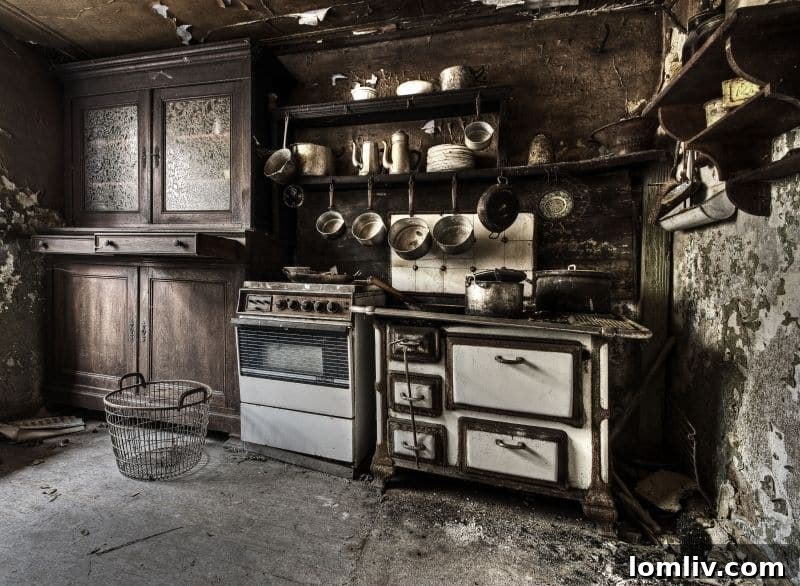
In stark contrast to today’s integrated designs, kitchens of the past were frequently isolated, often described as walled “purgatories” where women toiled in relative solitude, detached from the more “important” discussions taking place elsewhere. This architectural segregation mirrored the rigid class structures of estates like Downton Abbey, yet for average households unable to afford servants, it effectively relegated women to a domestic backstage. Exceptions existed, primarily in social cooking scenarios like bars or outdoor barbecues, which were often perceived as male-dominated domains where men could showcase their skills.
The contemporary widespread adoption of open-concept living spaces serves as a powerful, albeit silent, testament to the profound evolution in women’s roles, the increasing value placed on their opinions, and their celebrated personalities within modern society. The kitchen, once an isolated realm, has been liberated from its historical confines, transforming into a vibrant, visible, and central hub of social interaction. It’s now a place for shared experiences, family engagement, and open communication, reflecting a more egalitarian and integrated household dynamic.
However, this drive for absolute openness sometimes goes to extremes, inadvertently fostering an environment of constant surveillance. Numerous episodes of popular home renovation programs illustrate aspiring parents expressing anxiety if their children, like Aria and Landon, momentarily step out of their direct line of sight. This overlooks the inherent resilience and natural curiosity that children have exhibited for countless millennia, thriving long before the concept of “helicopter parenting” emerged. One might ponder whether we, as children, perhaps enjoyed greater freedom and developed more independence when our mothers weren’t constantly observing our every activity.
A Century of Comfort: Technological Revolutions in Home Interiors
Beyond the crucial influence of evolving gender dynamics, the capabilities, comforts, and sheer convenience offered within our homes have undergone a radical and multifaceted transformation over the last century. The widespread introduction of electricity and its associated cascade of innovative gadgets, alongside the near-universal ubiquity of modern indoor plumbing, has fundamentally reshaped and revolutionized what constitutes “first-world living” in the past 100 years. This change is so profound that any contemporary renovation of a century-old property would invariably prioritize the installation of robust electrical systems and modern plumbing, deeming them essential rather than optional upgrades.
Consider the stark realities of the early 20th century: electricity was often a rare commodity, especially in rural areas, and even in electrified homes, electrical outlets were a scarcity. Early home designers and occupants could scarcely have predicted the overwhelming dependency we now have on electrical power, which fuels everything from ambient lighting to the myriad smart devices that orchestrate our daily lives.
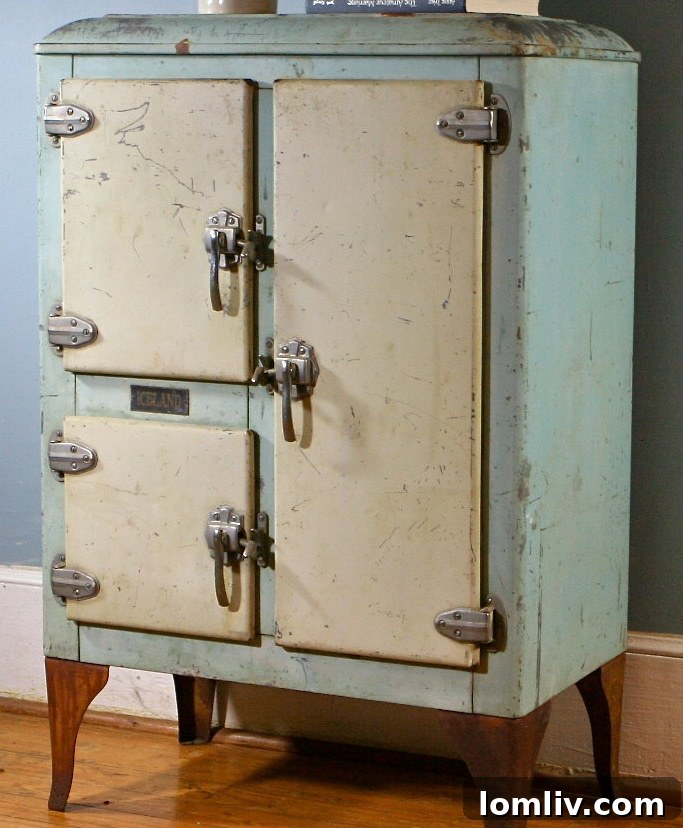
My first apartment, a charming structure built in the 1910s, offered a tangible illustration of these bygone eras. It featured a small, archaic “doggy-door,” specifically designed for the daily delivery of large blocks of ice to its icebox – a device that served as the primary means of food preservation long before the advent of mechanical refrigerators. Electrical access was remarkably sparse: a single pair of electrical sockets graced each bedroom, the dining room, and the kitchen, with a comparatively generous two sockets in the living room. In a clear testament to early adaptations, the bathroom light fixture had been retrofitted with a plug that screwed directly into the light bulb socket, highlighting the ingenious, if somewhat unconventional, solutions people devised to integrate nascent electrical appliances into their homes.
The Ephemeral vs. Enduring: Navigating Gadgets, Trends, and Timeless Utility
Even in our seemingly saturated world of technological marvels, innovation continues its relentless march, introducing new conveniences while rendering others obsolete. Today’s forward-thinking renovators might eagerly install sleek, integrated USB charging outlets for contemporary smartphones and tablets. However, unlike the enduring need for general electrical outlets in older homes, these purpose-built charging solutions are likely a fleeting fad. The rapid advancements in wireless charging technology, poised to supplant physical connections, suggest these USB outlets will quickly become dated – far more rapidly than the built-in telephone stands that remained useful for decades prior to the mobile phone revolution. These specific USB charger outlets, rather than representing a lasting utility, will likely serve as a precise architectural timestamp, marking a single decade of design and technology.
While our interior spaces have demonstrated remarkable flexibility and adaptability, consistently evolving to meet changing needs, lifestyles, and technological innovations, a curious paradox emerges when we consider the exterior shell of our homes. Why do home exteriors so often appear to be frozen in time, clinging stubbornly to architectural styles that belong to generations past? This divergence between internal dynamism and external conservatism presents a fascinating challenge to understanding contemporary residential design.
Stuck in the Past: The Curious Case of Home Exteriors
The Legacy of Mid-Century Modern and the Rise of Architectural Pastiche
Reflect for a moment: when was the last time you truly encountered a large-scale housing development featuring genuinely modern homes – not merely “new” constructions, but designs that embody the spirit of their own era? For most observers, that era of discernible, original style in mass housing largely concluded over four decades ago. The period spanning the late 1950s through the early 1970s, now affectionately termed “mid-century modern,” stands as the last significant epoch where residential architecture wasn’t simply a rehash of bygone eras. Architects and builders of that time were boldly defining a new aesthetic. One can easily identify the distinctive “space age” mid-century ranches or the streamlined post-war designs of the 1940s – styles recognizable by anyone with a basic appreciation for housing history. Prior to this, iconic movements such as Victorian, Bungalow, and Frank Lloyd Wright’s Prairie styles each captivated their generations with novel, often revolutionary designs. These homes, considered cutting-edge in their time, embodied the promise and excitement of their respective eras, and today, they are justly celebrated as classics, indelible markers of architectural innovation.
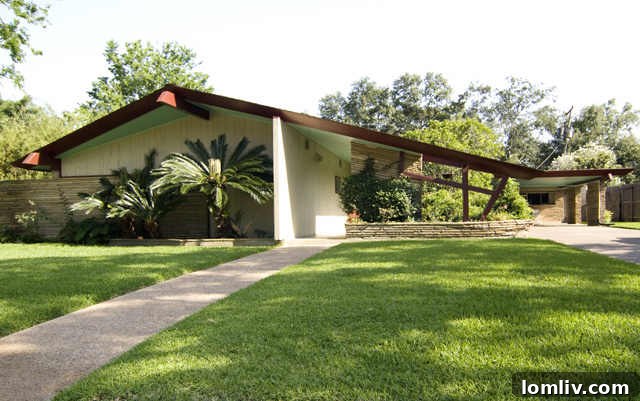
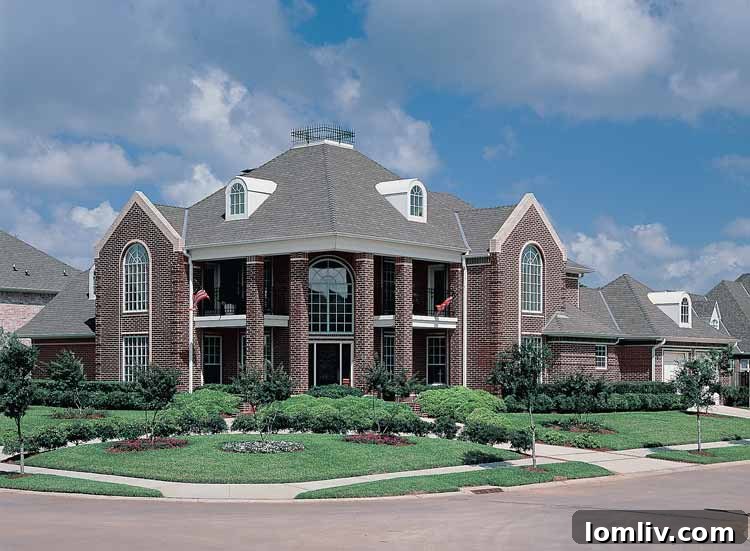
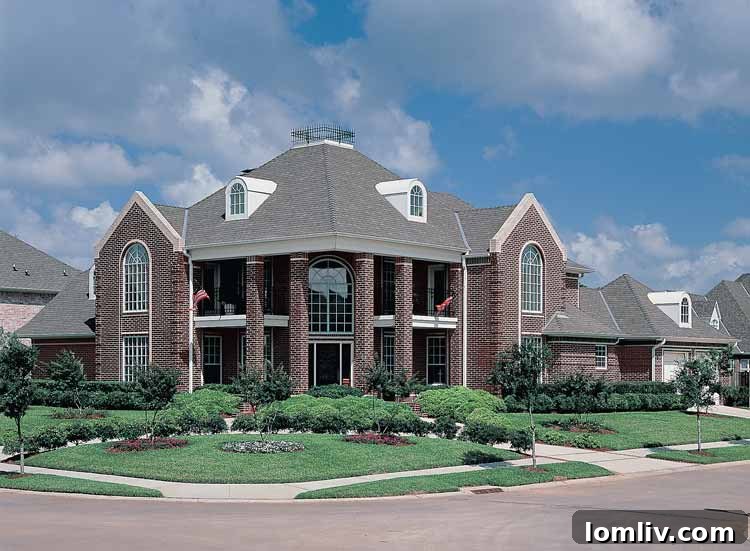
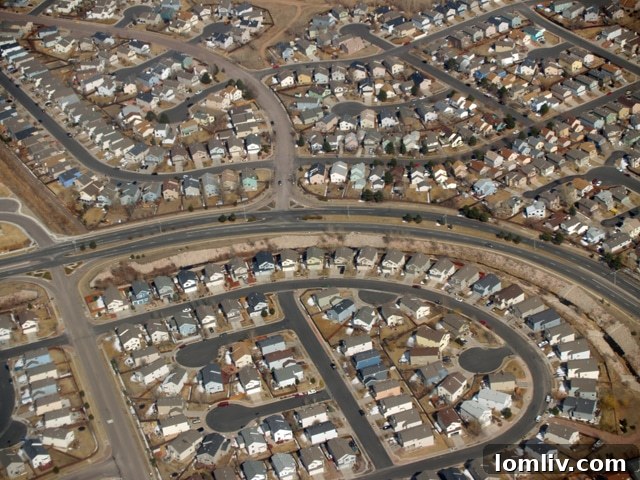
The decline of the distinctive “1970s split-level” home inadvertently paved the way for our current architectural landscape, dominated by a pervasive pastiche of “neo” everything: Neo-Georgian, Neo-Classical, Neo-Tudor, Neo-Farmhouse, and countless other anachronistic hybrids. This haphazard amalgamation of styles, often indiscriminately borrowed from disparate historical periods, results in what I’ve termed “comfort food” architecture – familiar, unchallenging, and largely devoid of original thought. In regions like Texas, this trend manifests as a ubiquitous proliferation of bland, often boxy structures, typically featuring brick on the ground floor, frequently accented with “Austin stone.” Budgetary realities often dictate that the brick transitions to less expensive clapboard siding on the rear and almost invariably covers the majority, if not all, of the second story, as supporting heavy brick at elevation significantly escalates construction costs. In a different geographical context, such as Arizona, one would undoubtedly observe a proliferation of faux adobe, drawing superficial inspiration from Spanish colonial and American Indian aesthetics. While historical reverence and reinterpretations (“neo-whatevers”) have always been part of architectural cycles, the critical distinction today is that this pastiche has become virtually the only readily available, off-the-rack choice for new single-family homes. This unprecedented uniformity and lack of contemporary design options fundamentally define our current architectural stagnation.
Why Do We Cling to the Familiar? The Psychology Behind Our Architectural Choices
Navigating the Digital Deluge: Stress, Nostalgia, and the Quest for Home Comfort
Psychological research consistently demonstrates that both humans and animals, when subjected to stress, instinctively seek solace and calm in the familiar. This innate drive explains why simple, comforting staples like macaroni and cheese, far from becoming obsolete, are often elevated to a nostalgic, almost gourmet status during periods of uncertainty. Architecturally, this phenomenon has been evident for centuries. A historical precedent can be found in Marie Antoinette’s famous commission of her own idealized, albeit entirely artificial, peasant village – the Hameau de la Reine – at Versailles. This meticulously curated escape offered a whimsical refuge from the rigid protocols and immense pressures of the royal court. While her romanticized interpretation bore little resemblance to the harsh realities of 18th-century peasant squalor (a disconnect that perhaps partly explains her eventual fate with the guillotine), it perfectly illustrates the human desire for an idealized past. Even today, if one were to encounter these centuries-old, picturesque structures, they might not feel entirely out of place in a brand-new, upscale Dallas neighborhood, underscoring the enduring appeal of the familiar.
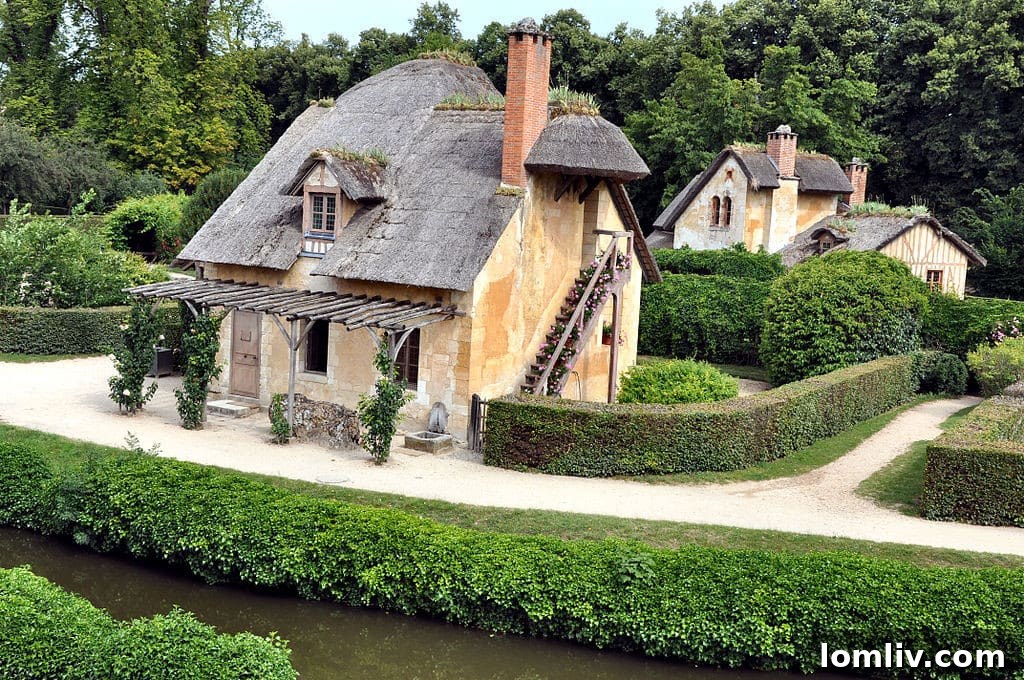
The technological revolution of the past four decades has undoubtedly inflicted considerable stress through its unrelenting pace of change. This stress isn’t solely derived from the technologies themselves – the seismic shift from passive Bakelite telephones to omnipresent, always-on smartphones – but from the pervasive, globalized media landscape. This environment, characterized by a fear-mongering 24/7 news cycle and an incessant barrage of advertising, has propelled first-world humanity into an ceaseless pursuit of the next “upgrade.” (“Why do you need an iPhone 15?” “Because it’s not a 14.”) This constant pressure to keep pace with rapid innovation has, paradoxically, driven many to retreat into the architectural comfort of familiar, often idealized, homes and villages of the past. This pervasive “pastiche of banality” is observable everywhere: from the meticulously crafted “fake town” aesthetic of Dallas’s West Village to virtually every housing development north of the LBJ Freeway, all brimming with superficial faux styles and enough “Austin stone” to theoretically excavate Austin itself into a significant geological crater.
This four-decade-long trend exhibits no signs of abating and is certainly not limited to mere tract developments with their endlessly derivative, relentlessly similar homes. Venture through the McMansion-laden enclaves of affluent Dallas, from the prestigious Park Cities to the sprawling estates of Preston Hollow, and you’ll encounter a plethora of unimaginative, pastiche “wonder-boxes” spanning five, six, or even eight thousand square feet, each unashamedly cribbing from historical precedents. The wealthy, it appears, are equally susceptible to the anxieties of modern life; they simply command a significantly grander budget for their architectural “comfort food.”
Redefining Modern: Beyond Superficial Aesthetics
Engineering Excellence: The True Spirit of 21st-Century Architecture
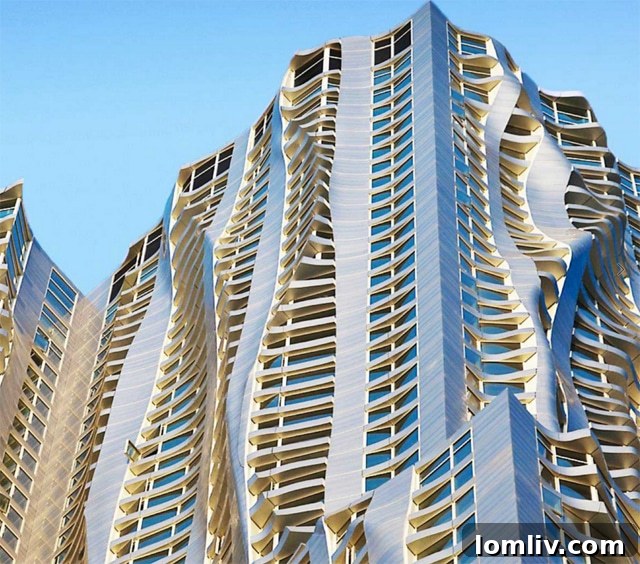
It has been a significant period since genuine architectural modernity in housing was widely celebrated or adopted. Many might mistakenly associate “modern” with the stark white, angular “sugar-cube” designs popularized in the 1980s by television shows like Miami Vice. This, however, is a dated and overly simplistic interpretation. Indeed, even those specific 1980s aesthetics have largely receded into the annals of design history. True modern architecture, at its very core, is a profound celebration of engineering ingenuity, material innovation, and forward-thinking design. Consider the groundbreaking works of architects like Frank Gehry or Santiago Calatrava, whose iconic structures push the boundaries of what is structurally possible and visually captivating. Modernity is fundamentally about demonstrating what can be achieved today that was unimaginable or infeasible yesterday. There was a time when a two-story home was a structural marvel; later came the audacious cantilevers and expansive, pillar-less spaces. Ultimately, modern architecture will always be defined by the ingenious and novel ways in which materials are employed, made possible by continuous advancements in engineering and construction techniques.
Glass: Bridging the Divide Between Indoors and Out in Modern Homes
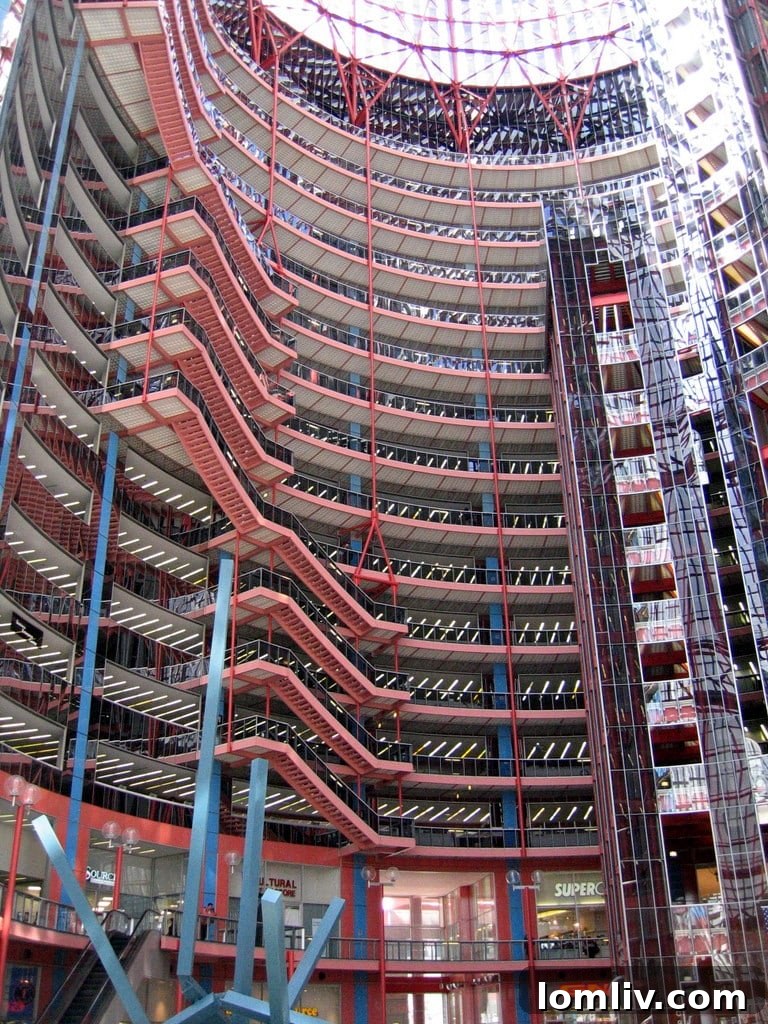
One of the most compelling and transformative expressions of contemporary modern design, in my estimation, is the masterful utilization of glass to seamlessly dissolve the traditional barriers between indoor and outdoor living spaces. Glass, no longer a rare, prohibitively expensive, or energy-inefficient material, has evolved into a medium for audacious architectural expression and a celebration of light and connection. For too long, expansive glass facades were synonymous with uncomfortably hot, humid greenhouses in summer and frigid, poorly insulated igloos in winter. This perception was often reinforced by early, large-scale glass structures, such as Chicago’s State of Illinois building (now known as the James R. Thompson Center), designed as a curving post-modern temple of glass by the renowned starchitect Helmut Jahn. Upon its opening in 1985, even with an augmented air conditioning system, internal temperatures would frequently soar to 90 degrees Fahrenheit on hot summer days, while in winter, ice would conspicuously form on some interior walls. (The long-proposed solution of re-glazing the entire building with 30 years’ worth of improved glass technology remains a challenge, largely due to Illinois’ ongoing financial constraints).
Today’s truly modern home, leveraging significant advancements in glass technology and smart design, can be envisioned as an elegant framework for vast swathes of high-performance, energy-efficient glass. This allows for an unparalleled connection to the outdoors, fostering an environment rich in natural light, spatial openness, and seamless integration with its natural surroundings. We are already witnessing the burgeoning popularity of integrated outdoor living areas and kitchens; high-performance glass walls serve as the crucial, year-round connection, rendering these spaces truly functional and aesthetically breathtaking. While other technologies contribute significantly to a modern home, offering enhanced energy efficiency or personalized style, the integration of extensive, high-performance glass is a fundamental design principle that simply cannot be superficially applied to a mock Tudor or Neo-Colonial house. It necessitates a holistic, purpose-built architectural approach from the ground up.
Modernity Isn’t Exclusivity: The Potential for Accessible Innovation
While commissioning a world-renowned architect like Frank Gehry will undoubtedly incur costs running into the millions, the core technologies, design principles, and material innovations that define true modern architecture are not inherently exclusive to the ultra-wealthy. These cutting-edge designs and construction methods could, in fact, be mass-produced and made significantly more accessible to average buyers if developers and builders were to embrace them on a larger scale. The underlying principle is simple economics: bespoke, one-off custom creations are always expensive, but the cost per unit dramatically decreases with efficient mass production. Consider the extensive tracts of 1960s ranches found across Dallas, many of which boasted unique soaring ceilings and innovative layouts – these were built for the average buyer, demonstrating that groundbreaking designs can indeed be successfully scaled for a broader market. The unfortunate reality today is that it’s a rare custom home that dares to genuinely break the mold, vividly and unabashedly proclaiming its owners’ willingness and happiness to inhabit the 21st century. So, the crucial question remains: why do builders continue to default to historical pastiche rather than offering homes that authentically reflect and celebrate the exciting era in which we currently live?
The Path Forward: Embracing 21st-Century Living
The prevailing argument from most developers is that they simply build “what people want.” However, this assertion often feels tautological and self-fulfilling. If the market is exclusively flooded with traditional or pastiche styles, how can one truly ascertain genuine buyer preferences? Are buyers genuinely choosing these familiar styles, or are they merely settling for the only “liver” left on the plate, lacking alternative, truly modern options? Historical precedent clearly demonstrates that people are often enthusiastic adopters of new, innovative housing styles when given a genuine opportunity. The widespread embrace of groundbreaking styles in past eras, from Victorian grandeur to Mid-Century Modern dynamism, stands as compelling evidence of this adaptability and openness to change.
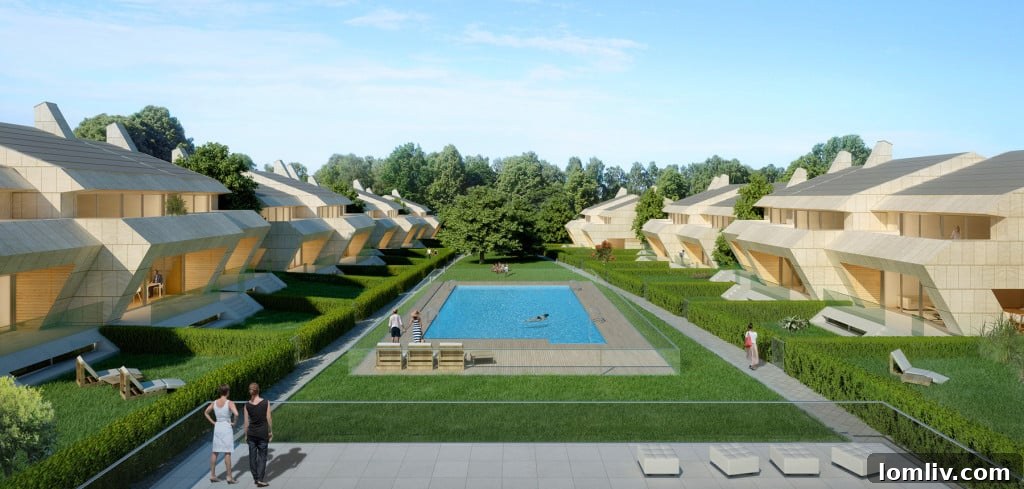
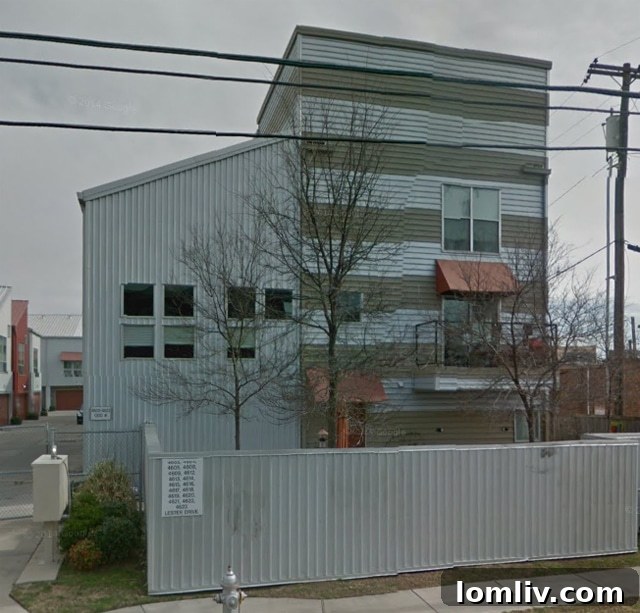
Interestingly, if we look beyond the realm of single-family homes, the architectural landscape presents a notably different picture. High-rise developments, with very few exceptions, almost inherently demand modern architecture, characterized by their sleek glass curtain walls, minimalist lines, and bright, expansive interiors that deliberately evoke the sophistication of contemporary hotels. Townhouses represent another segment where refreshing glimpses of external modernity are increasingly prevalent. Crucially, these modern structures consistently find eager buyers. This stark contrast begs the fundamental question: why must today’s suburbs remain architecturally tethered to outdated aesthetics, largely abandoning the potential joys, efficiencies, and aesthetic pleasures of the modern age?
The unsettling alternative is that single-family home builders are, in fact, correct in their assessment. What if they are deliberately constructing these banal, pastiche homes as a form of architectural comfort food, a tangible antidote specifically designed to ease the anxieties and calm the nerves of families who feel overwhelmed, stressed, or deeply uncertain about the complexities of the rapidly evolving modern era? Could these homes truly be the “sticks and bricks” equivalent of a comforting tuna noodle casserole – familiar, architecturally undemanding, and reassuringly predictable in a world that often feels anything but?
That particular thought, I must admit, is profoundly unsettling, suggesting a deeper societal unease reflected in our built environment.
We invite you to share your insights, perspectives, and opinions below. What are your thoughts on the current state of home architecture and its future?

Engage With Us: Do you have a compelling HOA story to share? Perhaps a fascinating piece of high-rise history or an anecdote about architectural evolution? Realtors, we’d love for you to feature a listing – whether it’s a renovation-ready gem bursting with potential or a project completed with spectacular, innovative success. How about hosting a Candy’s Dirt Staff Meeting? Feel free to send Jon an email with your ideas and stories. And yes, marriage proposals are now legally accepted in Texas! Reach out to us at [email protected].