
Historic Dallas Power and Light Building Undergoes Transformation by Which Wich Founder Jeff Sinelli
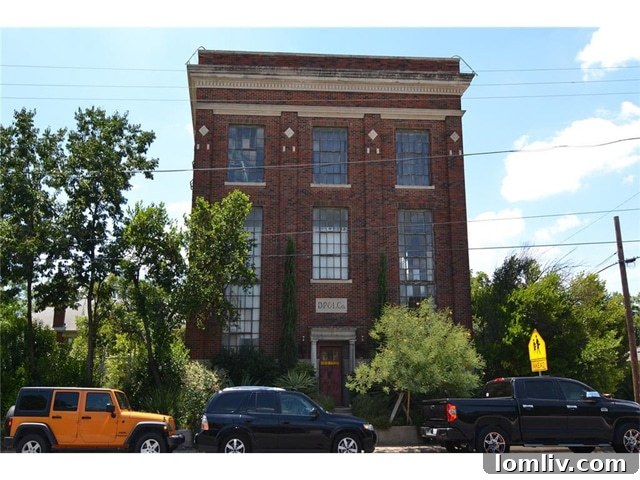
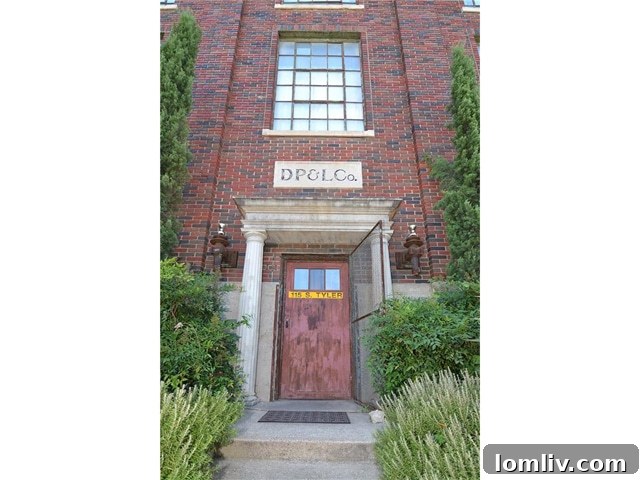
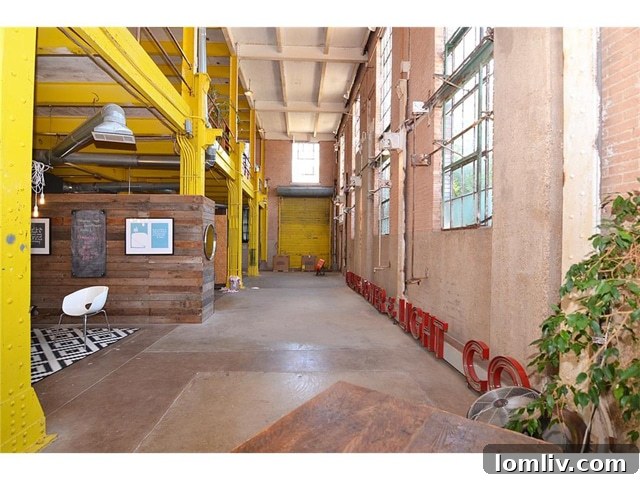
A landmark acquisition is set to redefine a prominent corner of Dallas: the historic Dallas Power and Light (DPL) building at 115 S. Tyler Street has officially been purchased by renowned entrepreneur Jeff Sinelli, the visionary founder behind the popular sandwich chain Which Wich. This move marks a significant investment in North Oak Cliff, signaling a new era for the iconic structure and the vibrant community it resides in. Sinelli’s first and highly anticipated project is the meticulous restoration of the building’s classic neon signage, ensuring it will once again illuminate the Dallas skyline from its rightful perch atop the historical facade.
The acquisition of this venerable property was facilitated by esteemed broker Randall Simpson, representing noted preservationist and attorney John McCall. McCall, a staunch advocate for maintaining Dallas’s rich architectural heritage, entrusted the future of this significant building to a buyer committed not only to commercial success but also to respectful rehabilitation.
Jeff Sinelli’s Vision: Blending History with Innovation in North Oak Cliff
Jeff Sinelli, known for his unique approach to business and self-dubbed “chief vibe officer” of Which Wich, is also the creative force behind the popular Genghis Grill. His latest venture with the DPL building is far more than a simple real estate investment; it represents a strategic move to foster innovation and enrich the cultural fabric of North Oak Cliff. Sinelli plans to transform the expansive space into a dynamic hub, designed to incubate a groundbreaking new beverage concept. Beyond this exciting new venture, the building will also host carefully curated retail and hospitality spaces, promising to draw new visitors and residents alike to the bustling neighborhood.
Sinelli’s track record demonstrates an acumen for creating successful, engaging concepts that resonate with consumers. From the customizable sandwich experience at Which Wich to the interactive stir-fry at Genghis Grill, his brands are characterized by innovation and a distinctive customer experience. This latest project in North Oak Cliff is expected to continue that tradition, breathing new life into a historic structure while contributing fresh ideas to Dallas’s competitive hospitality landscape. The new beverage concept, still under wraps, hints at an exciting future, potentially introducing cutting-edge flavors or unique consumption experiences that could redefine market trends.
The Legacy of the Dallas Power and Light Building
The Dallas Power and Light building is more than just a commercial property; it is a storied piece of Dallas history. Erected during an era of rapid industrialization and urban expansion, the DPL building served as a vital operational center for the city’s power infrastructure. Its distinctive architecture and prominent location at 115 S. Tyler Street made it an recognizable landmark. For decades, the building stood as a symbol of Dallas’s growth and technological advancement, powering homes and businesses across the metropolitan area.
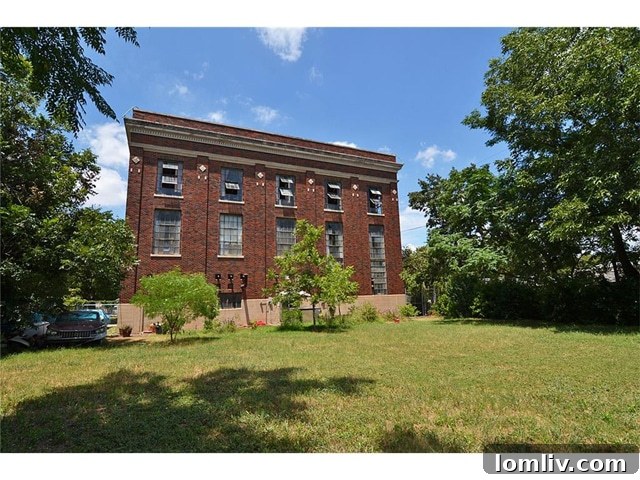
The building’s original design reflects the functional yet robust architectural styles prevalent in early 20th-century utility structures. While its exact construction date and specific architectural style might vary depending on historical records, these types of buildings often feature strong, utilitarian lines, durable materials like brick and concrete, and a commanding presence that speaks to their public service role. The iconic neon sign, a beacon for generations, not only advertised the company but also contributed to the vibrant nocturnal cityscape of Dallas, a testament to the city’s electric energy and progress.
Architectural Significance and Adaptive Reuse
Preserving such structures, while adapting them for contemporary use, is a delicate balance. The DPL building, with its unique character, offers a rare opportunity for adaptive reuse – a process that maintains the architectural integrity and historical narrative of a building while transforming its interior functions. This approach is highly valued in urban planning and preservation circles, as it prevents urban decay, promotes sustainability by repurposing existing resources, and retains the unique identity of a neighborhood.
Jeff Sinelli’s commitment to restoring the neon signage is a clear indication of his respect for the building’s heritage. This neon beacon is not merely a sign; it’s a piece of kinetic art and a cultural artifact that connects the present with the past. Its re-illumination will not only serve as a tribute to the building’s origins but also as a vibrant welcome to the new businesses and experiences housed within.
North Oak Cliff: A Canvas for Revitalization
The choice of North Oak Cliff for this ambitious project is strategic. This district has emerged as one of Dallas’s most dynamic and sought-after neighborhoods, celebrated for its rich history, diverse community, and flourishing arts scene. Known for its charming historic homes, bustling Bishop Arts District, and an eclectic mix of independent businesses, North Oak Cliff offers a unique blend of old-world charm and modern vibrancy.
The area has seen significant investment and revitalization efforts over the past two decades, attracting a new generation of residents and entrepreneurs who appreciate its distinct character. The presence of cultural institutions, vibrant dining options, and a strong sense of community makes North Oak Cliff an ideal location for an innovative concept like Sinelli’s beverage incubator and accompanying retail and hospitality ventures. His investment further cements North Oak Cliff’s reputation as a prime destination for forward-thinking development that respects its roots.
Economic and Cultural Impact
The redevelopment of the DPL building is poised to have a substantial positive impact on North Oak Cliff. Economically, it promises to create new jobs, from construction and renovation to ongoing operations in retail and hospitality. The introduction of a new beverage concept could also foster a hub of entrepreneurial activity, potentially attracting other innovative businesses to the area. Culturally, the project adds another layer to North Oak Cliff’s appeal, providing new gathering spaces and experiences that enhance community life.
Moreover, the careful restoration and adaptive reuse of the DPL building serve as a model for sustainable urban development. By preserving and repurposing a historic structure, Sinelli is not only creating commercial value but also contributing to the environmental and cultural sustainability of Dallas. This thoughtful approach ensures that as North Oak Cliff continues to evolve, it does so in a way that honors its past while building a dynamic future.
Explore the Iconic Architecture: A Glimpse Inside 115 S. Tyler Street
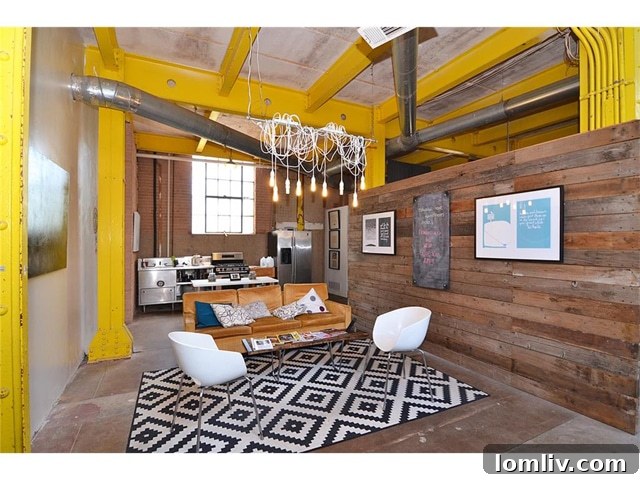
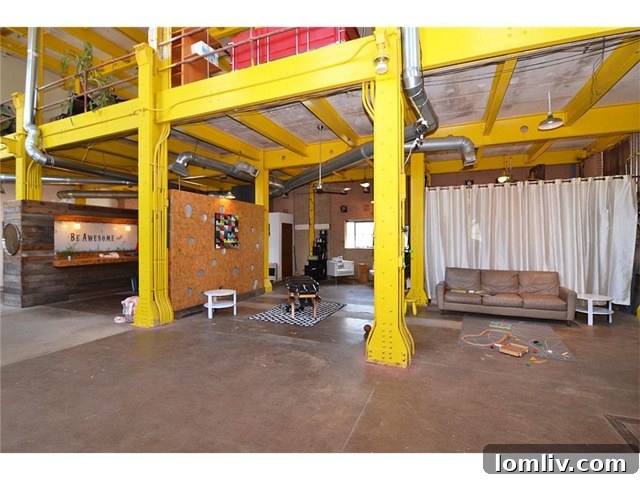
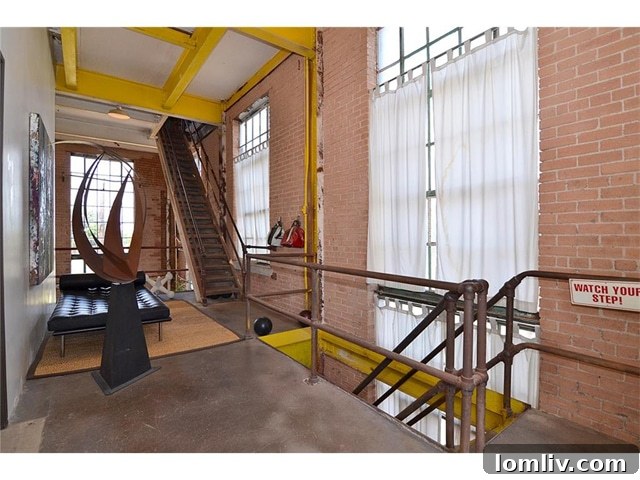
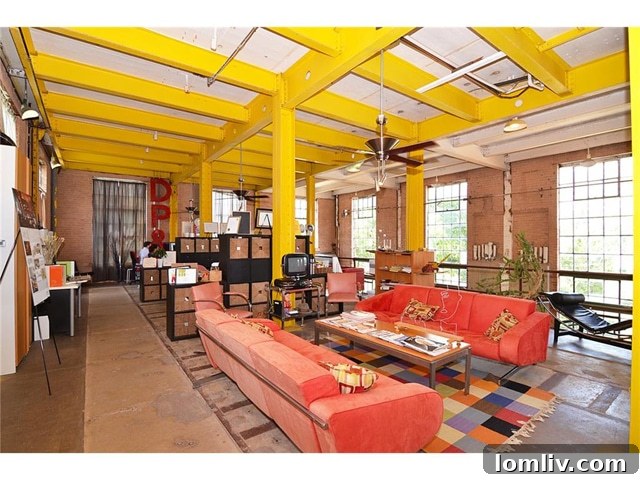
The images provided offer a fascinating insight into the DPL building, revealing its architectural grandeur and the potential that captivated Jeff Sinelli. From its imposing exterior to the intricate details of its interior, the building tells a story of utility, craftsmanship, and enduring design.
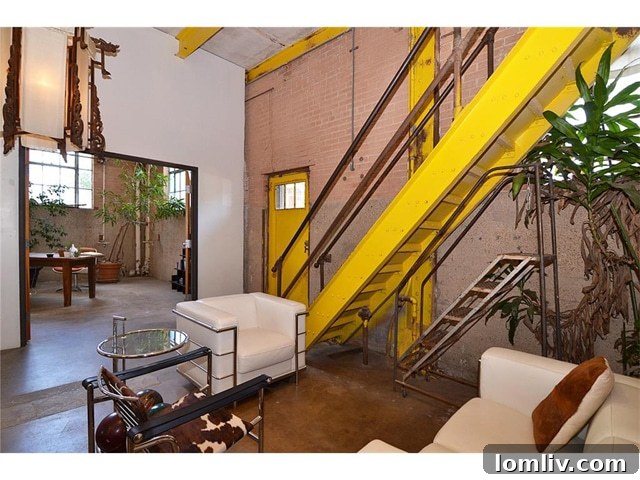
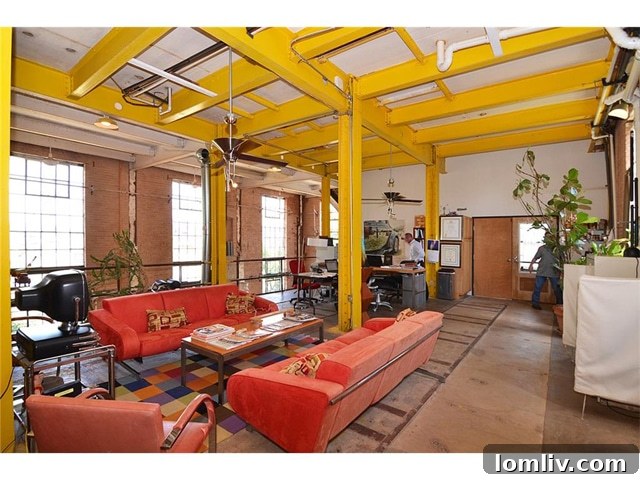
The initial view of the building at 115 S. Tyler Street showcases its street presence, hinting at the robust construction characteristic of its era. Inside, visitors are greeted by an entry and foyer area that likely features original materials and architectural elements, hinting at the building’s former life as a bustling operational hub. Grand spaces on the first floor suggest an open and versatile layout, ideal for the retail and hospitality concepts Sinelli envisions. Images of a living space and kitchen reveal potential residential or administrative areas, emphasizing the building’s flexibility for mixed-use development.
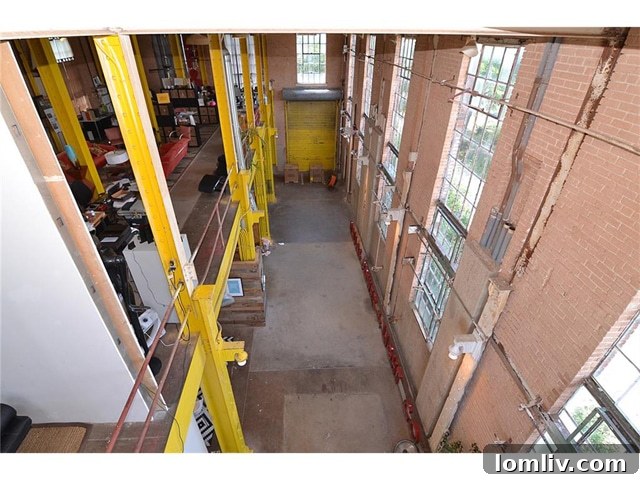
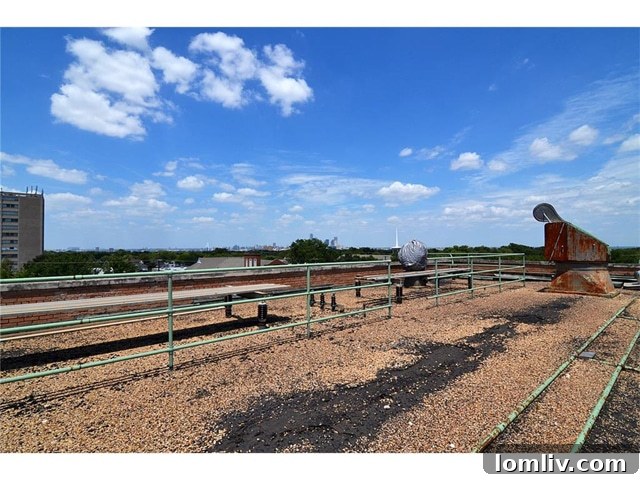
The open-plan areas and intricate staircase designs speak to thoughtful engineering and aesthetic considerations, even in a building designed for practical purposes. Ascending to the second floor, the images suggest further expansive spaces, capable of accommodating various business functions or creative ventures. A view from the third floor offers a broader perspective, possibly highlighting mezzanine levels or additional operational areas. Finally, the building’s rear facade and rooftop views provide a complete picture of the structure’s footprint and its potential for outdoor spaces, perhaps for a future rooftop bar or terrace, offering panoramic views of the surrounding North Oak Cliff neighborhood.
Each image underscores the building’s potential for transformation, while simultaneously celebrating its inherent historical beauty. Sinelli’s plan to restore the neon sign, combined with his innovative concepts for the interior, promises to breathe new vitality into every corner of this Dallas landmark.
Welcome to North Oak Cliff, Jeff! The community eagerly anticipates the vibrant transformation you are set to bring to this cherished historic site.