Fair Park’s Future: A Pivotal Moment for Dallas’ Historic Gem
The urban landscape of Dallas is ever-evolving, and at its heart lies Fair Park, a landmark steeped in history and cultural significance. However, like many historic sites, Fair Park has faced its share of challenges, particularly regarding its long-term management and revitalization. A pivotal moment in this ongoing narrative unfolded in late August 2016, a period marked by escalating community engagement, calls for transparency, and robust social media campaigns that brought the park’s future into sharp focus.
For many, including myself, the intricacies of Fair Park’s management dilemma were largely unknown until influential community discussions, such as the #DecisionFairPark meeting hosted by Candy’sDirt, illuminated the critical issues at stake. What began as a distant topic quickly became a central point of civic discourse, transforming engaged citizens into advocates and sources of vital information. As highlighted in a previous discussion regarding giving Walt Humann a chance at saving Fair Park, access to relevant documentation was initially limited, underscoring the broader need for public transparency in such significant urban development projects.
Understanding Fair Park: A National Historic Landmark
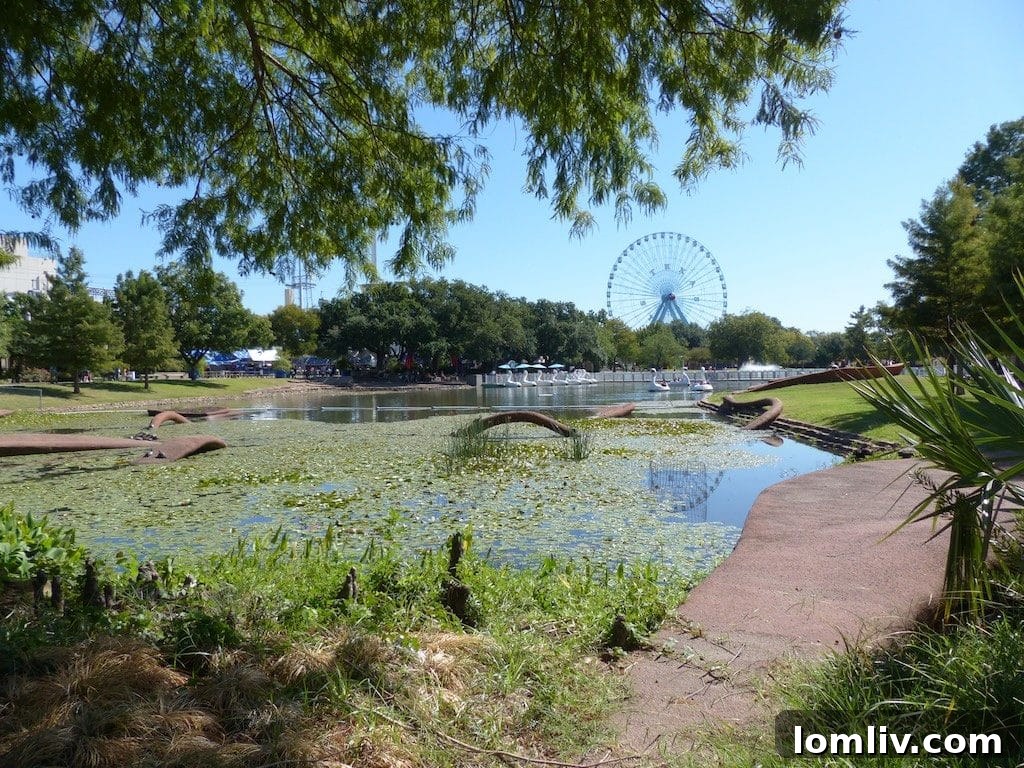
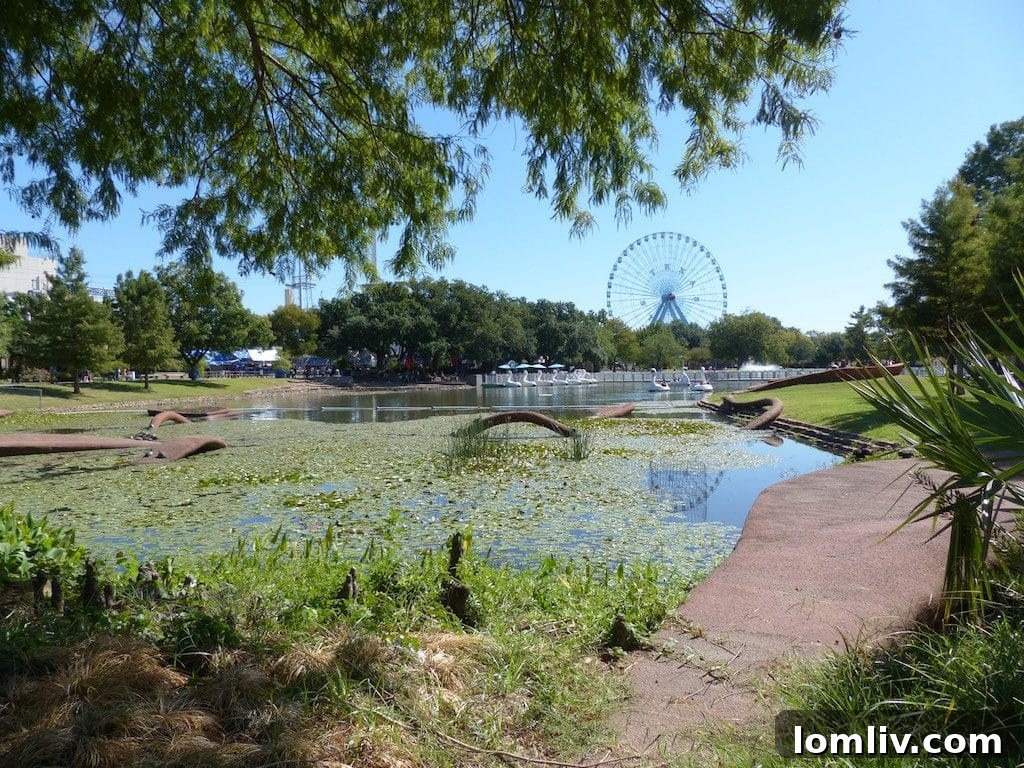
Fair Park is far more than just the home of the State Fair of Texas; it’s a 277-acre masterpiece of Art Deco architecture, a designated National Historic Landmark, and a vital cultural and recreational hub for Dallas residents and visitors alike. Established in 1886, its grounds host a remarkable collection of museums, performance venues, and beautifully landscaped gardens. From the iconic Cotton Bowl Stadium to the serene natural areas captured in stunning photographs, Fair Park offers a diverse array of experiences throughout the year.
However, despite its grandeur and historical importance, Fair Park has long grappled with issues of deferred maintenance, underutilization outside the State Fair season, and a complex financial model. The ongoing debate wasn’t just about who would manage the park, but how to unlock its full potential, ensuring its preservation for future generations while making it a vibrant, accessible resource year-round. This required a bold vision and a sustainable operational framework, prompting various proposals for its future stewardship.
The Quest for Sustainable Management: Key Players and Proposals
The call for new management stemmed from a consensus that the existing operational structure was inadequate to address the park’s mounting needs. The city of Dallas, alongside numerous community stakeholders, recognized the necessity of a fresh approach, potentially involving a public-private partnership. At the forefront of this discussion was Walt Humann, a prominent Dallas civic leader, and the Fair Park Texas Foundation, a newly formed non-profit organization dedicated to revitalizing and managing the park.
The Fair Park Texas Foundation proposed an ambitious plan designed to inject significant private investment into the park, address the backlog of repairs, and enhance programming and accessibility. Their vision aimed to transform Fair Park into a continuously active urban park, moving beyond its traditional role as primarily a State Fair venue. This proposal naturally sparked considerable interest and discussion, both in support and with questions regarding its long-term implications for public access and governance. The very notion of giving a new entity control over such a significant public asset mandated rigorous scrutiny and open dialogue.
Playing a crucial role in facilitating informed public discourse were organizations like the Friends of Fair Park. These dedicated advocates served as vital conduits of information, actively working to keep the community apprised of developments and encouraging civic engagement. Their commitment to transparency ensured that the public had access to the crucial documents needed to understand the proposals being considered by the Dallas City Council. Without such efforts, the complexity of the management agreement and its financial implications might have remained opaque to many interested citizens.
Unveiling the Details: The August 2016 City Hall Meeting
The critical meeting on Monday, August 29, 2016, at Dallas City Hall represented a zenith of this debate. It was an opportunity for the Dallas City Council to deliberate on the proposed management agreement and for the public to voice their opinions. In anticipation of this pivotal session, the Friends of Fair Park diligently released key documents, ensuring that all stakeholders, from concerned citizens to city officials, could arrive fully informed. These documents were instrumental in demystifying the financial and operational specifics of the Fair Park Texas Foundation’s proposal.
The released materials included:
- The Fair Park Texas Foundation Preliminary Budget: This document provided a detailed financial roadmap for the initial years of the foundation’s proposed management, outlining projected revenues, expenditures, and anticipated investments in park improvements. Understanding these financial projections was crucial for assessing the viability and sustainability of the new management model.
- The Meeting Agenda: This outlined the specific items to be discussed and voted upon by the City Council, providing a structured overview of the decision-making process.
- The Proposed Management Agreement With Fair Park Texas Foundation: This was perhaps the most critical document, detailing the legal and operational framework for the proposed partnership. It addressed governance, responsibilities, financial terms, and performance metrics, serving as the blueprint for Fair Park’s future management.
The swift sharing of these documents, even before I had the chance to thoroughly review them myself (a priority set by the invaluable Candy’sDirt), underscored the urgency and public demand for transparency. These materials were not just bureaucratic paperwork; they were the foundation upon which Fair Park’s next chapter would be built, demanding careful consideration and robust public discussion.
Engaging with Democracy: Your Voice Matters
Such critical civic decisions thrive on public participation. The invitation to attend the City Hall meeting was more than just a logistical note; it was a call to democratic action, encouraging citizens to witness and engage with the processes that shape their city. Understanding the logistics for attending the meeting was crucial for those who wished to experience this important civic moment firsthand:
Event Details for the August 29, 2016 Meeting:
- WHEN: Monday, August 29, 2016, at 1 p.m. Attendees were advised to arrive well in advance to account for parking, walking, and security procedures at the main entrance.
- WHERE: Dallas City Hall, located at 1500 Marilla, Dallas, TX 75201. The entrance closest to the large, round reflecting pool featuring two distinctive red floating sculptures on the north side of the building was the primary point of entry.
- PARKING: Various options were available, including metered parking immediately south of City Hall, along Young and Browder Streets (north and east sides), and additional paid lots situated south of the building.
Attending such a meeting, whether wearing a festive State Fair of Texas T-shirt or formal attire, represented a tangible commitment to civic responsibility. It allowed individuals to not only observe the proceedings but also to feel the pulse of community concern and advocacy surrounding one of Dallas’ most cherished assets. The collective presence of interested citizens underscored the significance of the decisions being made and reinforced the democratic principle that public spaces are ultimately managed for the public good.
Fair Park’s Enduring Legacy and Future Vision
The discussions surrounding Fair Park’s management in 2016 were a testament to its profound importance to the city of Dallas. They highlighted a collective desire to ensure that this magnificent urban park not only survives but thrives, becoming a more vibrant, accessible, and economically sustainable asset for all. The debate was about more than just funding; it was about stewardship, community access, and preserving a unique piece of American history.
Looking beyond the immediate decision of that August day, the long-term vision for Fair Park centered on transformative revitalization. This involved enhancing its natural beauty, updating its historic structures, and expanding its year-round programming to attract diverse audiences. A successful management strategy would enable Fair Park to continue hosting world-class events, foster educational opportunities, and provide essential green spaces for recreation and reflection. The ultimate goal was to solidify Fair Park’s status as a dynamic urban park, contributing significantly to Dallas’s cultural fabric and economic vitality, a true testament to responsible urban development and community collaboration.