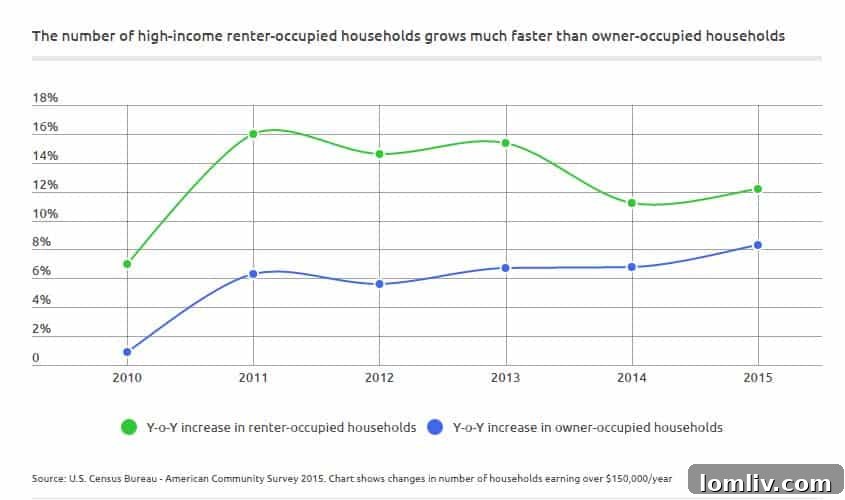
 The dynamic landscape of real estate is continually evolving, and a fresh term is now capturing significant attention: the “Over Renter.” This novel concept describes affluent individuals or families earning $150,000 or more annually who consciously opt to rent high-quality homes or luxury apartments instead of pursuing traditional homeownership. These are not individuals constrained by financial limitations; rather, they possess the means to purchase property but deliberately choose the flexibility and convenience of renting, often paying premium prices for smaller, strategically located living spaces that align with their modern lifestyles. This emerging demographic is not only growing but also, by all accounts, highly content with their housing choices.
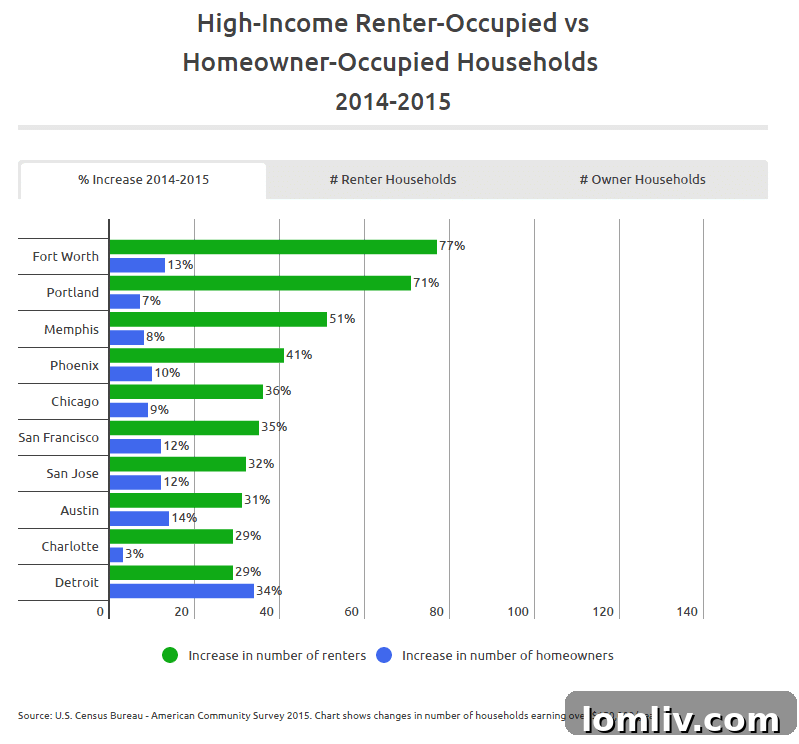
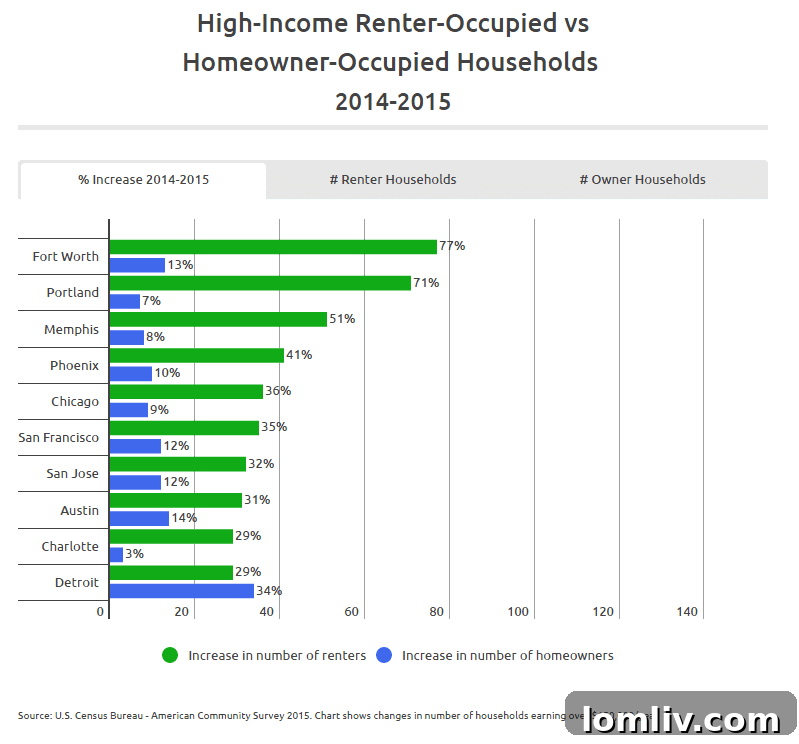
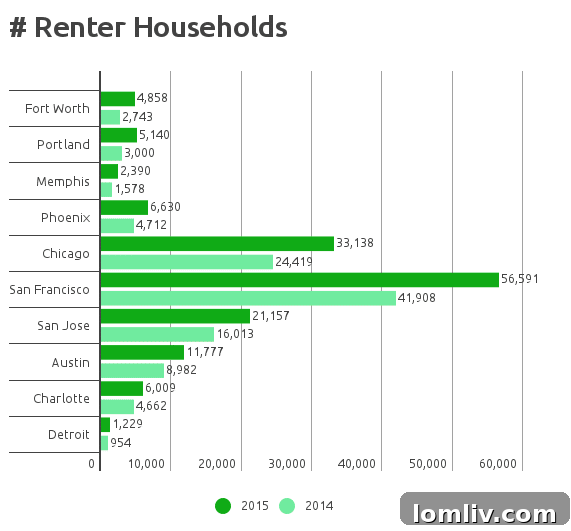
The burgeoning presence of Over Renters is particularly evident in thriving metropolitan areas. A compelling study by RentCafe revealed a striking trend within the Fort Worth market alone: the population of high-income renters has surged by an impressive 77 percent since 2014. This significant increase underscores a fundamental shift in housing preferences among a critical economic segment.
As Fort Worth continues its robust trajectory of population growth and urban development, both the demand for rental properties and the interest in home purchasing are expected to remain elevated. This dual upward pressure on the housing market prompts a crucial inquiry: “Is this phenomenon a net positive for the community, the economy, and the future of urban living?” The answer is complex, with various stakeholders experiencing different impacts from this evolving trend.
Understanding the Surge: Why More High-Income Earners Choose to Rent
The marked uptick in the number of Over Renters is not attributable to a single factor but rather a confluence of economic, psychological, and lifestyle considerations. Several compelling theories attempt to explain why a growing segment of affluent consumers is channeling their financial resources into rental agreements, diverging from historical patterns of prioritizing homeownership.
Lingering Echoes of Economic Instability
One prominent theory suggests that consumers, particularly those who witnessed or were impacted by the 2008 housing market collapse, remain wary of the inherent risks associated with property ownership. The memory of widespread foreclosures, negative equity, and the emotional and financial distress that followed a market downturn has instilled a cautious approach. For these individuals, renting offers a perceived safeguard against potential market volatility, allowing them to maintain financial liquidity and avoid the possibility of being “underwater” on a mortgage should property values decline. This psychological aversion to risk, even in a seemingly stable market, plays a significant role in their decision-making process.
The Allure of Urban Living and Lifestyle Flexibility
Another powerful driver is the changing aspiration for lifestyle and location. A growing number of professionals and families are consciously opting for smaller, more manageable living spaces that are centrally located within the city’s vibrant “hip-and-happening” districts. This preference often means sacrificing the traditional spaciousness of a suburban home for the unparalleled convenience of urban amenities. They prioritize walkability, proximity to work, cultural venues, dining, and entertainment, as well as reduced commute times. Giving up homeownership in favor of this integrated, dynamic urban experience represents a deliberate choice to enhance quality of life and embrace a more flexible, less burdened existence.
The Inventory Conundrum for Existing Homeowners
A third, and increasingly critical, factor stems from the challenges faced by existing homeowners in the current market. Many homeowners have accumulated substantial equity in their properties over recent years. While they are keen to capitalize on this equity by selling, they frequently encounter an acute shortage of comparable or superior dwellings available for purchase within their desired locations. This “nowhere to go” scenario effectively traps them. They sell their current home, secure a significant profit, but then struggle to find a suitable replacement. Faced with this dilemma, many temporarily or even long-term choose to rent, becoming accidental Over Renters while they await more favorable purchasing opportunities or adjust their expectations.
The Pervasive Challenge of Low Housing Inventory
The issue of limited housing inventory is a foundational problem that exacerbates the trends discussed above, particularly in desirable urban and near-urban areas. To illustrate, consider the Fort Worth real estate market in the early 2000s.
Imagine the prospect of purchasing a home in sought-after areas like Arlington Heights, Crestwood, or Ryan Place around 2005. At that time, the economy was robust, interest rates were exceptionally low, and homes in these prime locations were typically priced in the accessible range of $100,000 to $250,000. It was a market ripe for homeownership, offering significant value and growth potential.
Fast forward a decade and more, and while the economy has remained strong and interest rates, until very recently, persisted at historically low levels, the landscape of home pricing in these very same areas has undergone a dramatic transformation. The average price for homes in Arlington Heights, Crestwood, and Ryan Place now comfortably extends from the $300,000 to the $500,000 range, and often beyond. These are the same desirable locations, sometimes even the same properties, yet their market value has soared. This surge in value means local homeowners are sitting on a substantial amount of equity, making the decision to sell incredibly appealing.
However, this advantageous position often leads to a new predicament: having sold their homes and secured a significant cash windfall, these former homeowners confront a severely constrained market. They face immense difficulty in locating a practical, desirable, or even available property to purchase within their preferred area or any area that meets their evolving needs. Despite mortgage rates remaining remarkably attractive for those who can find a property, the fundamental problem persists: the inventory of homes for sale is simply insufficient to meet the demand. This creates a bottleneck in the housing market, leading many to reluctantly enter the rental pool.
While new, master-planned suburban developments such as Parks of Aledo, Morningstar, and the Walsh Ranch offer attractive options and will undoubtedly absorb a portion of these Over Renters seeking new horizons, they don’t cater to everyone. A significant number of individuals and families express a strong preference against moving further west into a more suburban environment. Many are deeply entrenched in the urban fabric of Fort Worth, valuing the proximity to their workplaces, social hubs, and diverse recreational opportunities. For these individuals, continuing to rent within the city limits, while enjoying its rich array of amenities and vibrant atmosphere, remains a highly appealing and often more practical choice.
Evolving Lifestyles: A Generational Shift Towards Renting
Beyond economic anxieties and inventory shortages, a fundamental shift in lifestyle priorities is profoundly influencing the decision to rent, particularly across different demographic groups. The traditional aspiration for homeownership is being re-evaluated in light of modern demands and changing values.
The Millennial Mindset: Prioritizing Experience and Flexibility
For many young professionals, often categorized within the Millennial generation, the prospect of homeownership comes with a perceived burden rather than a pure asset. They frequently express a disinclination to manage the ongoing responsibilities of property maintenance, repairs, and yard work. Instead, they are willing to accept the trade-off of higher monthly payments and the absence of equity accumulation in exchange for living in vibrant, walkable urban areas. These areas offer immediate access to social networks, cultural events, and the elusive “cool factor” that resonates deeply with their generational values. Millennials often prioritize experiences over material possessions, and the flexibility of renting allows for greater mobility, adaptability to new career opportunities, and freedom from the long-term commitment that traditional homeownership entails. They seek a sense of community that apartment living often provides, coupled with the unparalleled conveniences of an urban lifestyle: low maintenance, proximity to local restaurants, boutique shops, and diverse entertainment venues.
Baby Boomers: Downsizing for Freedom and Adventure
Interestingly, the Baby Boomer generation is also playing a significant role in fueling the growth of the rental market. As their children grow up and leave the family home – transitioning into what is affectionately known as “Empty Nesters” – the need for a large, sprawling property diminishes. Many Baby Boomers find themselves increasingly weary of the demands of maintaining extensive yards and the general upkeep associated with a larger dwelling. They are ready for a significant lifestyle change, often seeking to shed the responsibilities of homeownership to embrace a period of greater freedom and adventure. This demographic frequently desires to travel more extensively, engage in more social activities with friends in public spaces, and immerse themselves in the rich tapestry of life offered by walkable, urban settings. Renting provides the perfect solution, allowing them to downsize, simplify, and redirect their energy and resources towards experiences rather than property management.
Trend or Fad? Deconstructing the Future of the Rental Market
The burgeoning growth of the Over Renter phenomenon in Fort Worth presents an intriguing question: is this a fleeting fad or a sustained, long-term trend? It’s plausible that it embodies elements of both. What is unequivocally clear, however, is that this shift is profoundly underway and shows no immediate signs of decelerating. Evidence of this transformation is visible across the city, with new apartment complexes consistently under construction in virtually every burgeoning district. Whether in the dynamic West 7th Corridor, the picturesque River District, the historic Oak Hurst, the revitalized Near Southside, the contemporary Waterside development, or the expansive Edwards Ranch, the supply of available apartments for rent continues to expand, and, crucially, rental prices continue their ascent.
Yet, amidst this rapid expansion of the rental market, a subtle counter-narrative is also emerging. Ironically, a number of seasoned real estate sales professionals have observed an increasing pattern among some Baby Boomers who, after experiencing the “renting world” for a few years, begin to feel the drawbacks of that lifestyle and seek to re-enter the realm of homeownership. The initial allure of flexibility can wane as tenants grow weary of year-on-year rent increases, the inconvenience of long walks from parking garages to their units, or the constant presence of neighbors on all sides. For some, the initial “cool factor” eventually loses its luster, replaced by a renewed desire for stability, privacy, and the tangible benefits of owning property.
For a truly balanced housing market, the inventory of homes available for purchase must become more attractive and accessible. Multiple complex factors contribute to the current imbalance. “Greed,” in the form of sellers demanding top dollar beyond intrinsic value, certainly plays a role. Rapid urban “growth” puts immense pressure on existing housing stock and infrastructure. Even popular culture, exemplified by shows on channels like HGTV, inadvertently fuels unrealistic expectations. There’s a prevailing notion that freshly renovated homes featuring ubiquitous white counters, stylish cabinets, and fashionable gray paint ought to command upwards of $200 per square foot, even in older areas with homes built in the 1940s. These inflated expectations often disconnect from the property’s actual long-term value and the broader economic realities.
At some critical juncture, home prices will inevitably need to stabilize and realign with more realistic market valuations. The pressing question remains: when will this occur? The answer largely hinges on buyer behavior. As long as prospective homeowners are willing and able to meet the escalating prices demanded by sellers, the upward trajectory is likely to persist. A shift in buyer psychology or economic conditions that reduce purchasing power would be necessary to instigate a significant slowdown in price appreciation.
The Perennial Debate: Rent Versus Buy in a Shifting Market
The age-old dilemma of whether to rent or buy takes on new layers of complexity in the current market environment, especially with the rise of the Over Renter. A recent online article published in Bloomberg posited a bold claim: from a purely financial perspective, purchasing a home remains the superior option over renting, at least until mortgage rates triple from their current historical lows. This assertion, however, overlooks a fundamental challenge for many potential buyers: the severe lack of available properties that they can both afford and genuinely desire to acquire.
Writer Patrick Clark, in the same Bloomberg piece, further highlighted the surprising resilience of the “buy” equation, even under extreme hypothetical conditions. He elaborates: “In 58 of 100 metros, including such diverse cities as Chicago, Houston, Long Island (N.Y.), and Nashville, mortgage rates would have to top 10 percent — a level they haven’t reached before renting became a better deal. In 26 of 100 metros, including Detroit and Dallas, home prices would have to double to make renting look like a good financial move.” This analysis strongly suggests that, purely from a long-term financial return perspective, buying often retains a significant advantage, assuming a property is available and affordable.
However, real-world decisions are rarely based solely on theoretical financial models. The trajectory of the Over Renter segment of the population remains to be seen. Will high rental rates continue to be absorbed by this affluent demographic, or will improvements in housing inventory and greater affordability ultimately sway a significant portion of renters back towards homeownership? The market might also see an evolution of property types, perhaps with existing rental apartments and townhomes being converted into condominium complexes available for purchase, offering a middle ground. Alternatively, Fort Worth could continue its unique path, sustaining both a high number of Over Renters and simultaneously setting new records for home sales on an annual basis, reflecting a bifurcated market.
In the interim, the prevailing sentiment suggests that significant price drops for rental homes or apartments are unlikely in the near future. Similarly, the highly sought-after areas of the city are not expected to see a dip in purchase prices anytime soon. It appears that all participants in this dynamic real estate ecosystem—Over Renters, traditional buyers, sellers, developers, builders, leasing agencies, and market speculators—are collectively riding this wave for as long as market conditions permit. The current environment fosters a sense of seizing the moment, as the future, while always uncertain, is particularly opaque in a market undergoing such profound shifts. Indeed, as the saying goes, “eat, drink, and be merry, for tomorrow… well, who knows what the market will bring?”
This has been a special report on the evolving real estate trends in Tarrant County. Your comments, likes, and future blog topic suggestions are always welcome.
Special thanks to Amalia Otet of Rent Café for providing valuable facts and figures on the Fort Worth rental market, enriching our understanding of these dynamics.
Seth Fowler is a licensed real estate sales professional with Williams Trew Real Estate in Fort Worth. His statements and opinions are his own and do not necessarily reflect those of his firm. Seth has been actively involved in the home sales and real estate business in the DFW metroplex since 2004, bringing extensive experience to his insights. He and his family have been residents of the vibrant Fort Worth area for over 14 years. Seth is also known for his fondness for bow ties, adding a touch of personal flair. You can reach Seth directly at 817.980.6636 or via email at [email protected].