Embracing the Ranch Dream: A Comprehensive Guide to Ranch Ownership
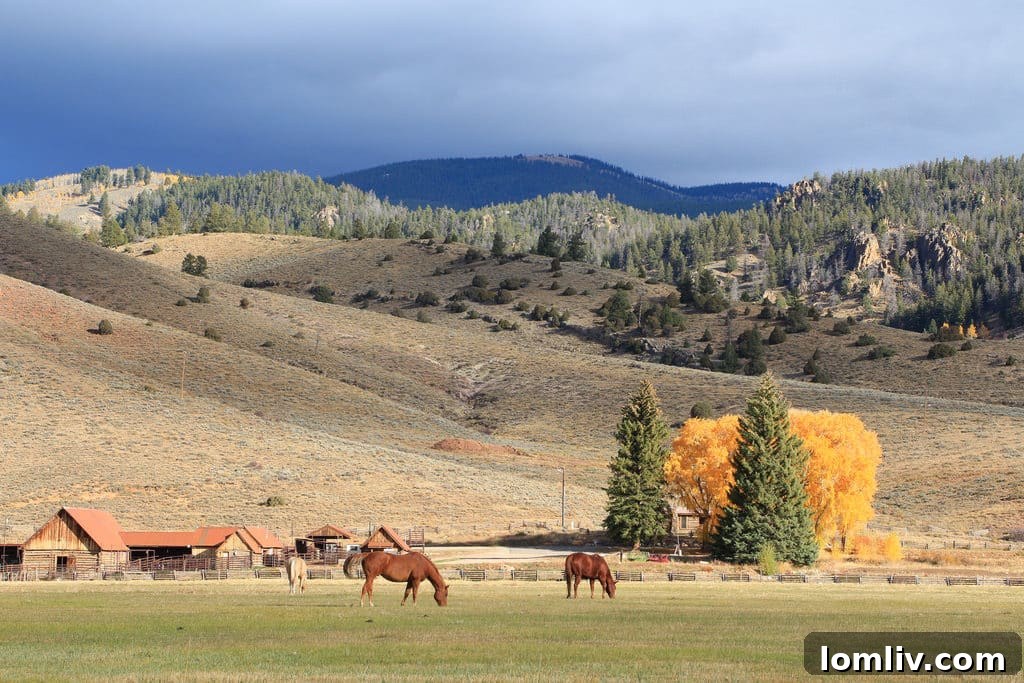
The allure of ranch ownership is a powerful and deeply rooted dream for many. The very thought of a tranquil, expansive life on the open plains or rolling hills, far removed from the urban bustle, is undeniably intoxicating. It paints a picture of freedom, self-sufficiency, and an intimate connection with nature. However, before allowing yourself to be swept away by this romantic vision, it is crucial to approach this significant investment with a clear head and a diligent spirit. Ranch ownership is far more than just acquiring property; it is about embracing a lifestyle, understanding a unique ecosystem, and becoming a steward of the land.
To truly realize the dream of ranch ownership, one must look beyond the immediate visual appeal and dig deep into its foundations. This means delving into the ranch’s historical roots, understanding its legacy, assessing the quality of its stewardship over time, and integrating into its surrounding community. It requires a thoughtful exploration of its past, a thorough evaluation of its present condition, and a visionary perspective on its future potential. This guide will help aspiring ranch owners navigate the complexities of acquiring and maintaining such a remarkable piece of paradise.
Why the Ranch Life Calls: Unpacking the Appeal of Rural Property
The motivations behind pursuing ranch ownership are as diverse as the landscapes themselves. For many, it’s an escape – a yearning for peace, quiet, and solitude away from the relentless pace of city life. The vast open spaces offer an unparalleled sense of freedom and privacy that urban environments simply cannot provide.
Beyond the desire for tranquility, there’s a profound connection to nature. Ranch owners often seek to immerse themselves in the natural world, whether through observing wildlife, cultivating the land, or simply enjoying breathtaking sunrises and sunsets. It’s an opportunity to live sustainably, to grow your own food, raise livestock, and engage in activities that foster a deeper respect for the environment.
For others, a ranch represents a valuable investment and a lasting legacy. Land, particularly well-managed rural property, often appreciates over time, offering both financial security and a tangible asset to pass down through generations. It embodies the spirit of homesteading and self-reliance, providing a foundation for a family’s future.
Lastly, the ranch lifestyle itself is a powerful draw. Imagine days spent riding horses across your own pastures, tending to livestock, exploring vast tracts of land, or simply enjoying the quiet satisfaction of a productive day outdoors. It’s a life that promises physical activity, mental clarity, and a deep sense of accomplishment that is hard to find elsewhere.
Beyond the Postcard: Unearthing a Ranch’s True Value
The picturesque images of sprawling ranches can be captivating, but the real value of a property lies in its less obvious attributes. To make an informed decision, you must venture beyond superficial aesthetics and investigate the deeper layers of the land.
The Ranch’s Deep Roots and Enduring Legacy
Every ranch has a story, and understanding its history is paramount. Who were the previous owners? What was the land primarily used for – cattle, farming, timber, recreation? Delving into the historical significance can reveal much about how the land has been managed, the challenges it has faced, and the successes it has achieved. Has it been cherished and nurtured, or exploited? A ranch with a history of good stewardship often signals a property that has been well-cared for, both in its physical attributes and its ecological health. Understanding its roots allows you to gauge whether its legacy aligns with your own vision for the future.
Stewardship: The Heart of the Land
Perhaps one of the most critical aspects of ranch evaluation is understanding its stewardship. This refers to the responsible management and care of the land, its natural resources, and its environment. Inquire about past and present land management practices: Are there sustainable grazing rotations? How is soil health maintained? What measures are in place for water conservation, especially in regions prone to drought? Crucially, investigate water rights – these are often more valuable and complex than the land itself, dictating how much water you can legally use from wells, rivers, or irrigation systems. Similarly, mineral and timber rights should be thoroughly understood, as they can significantly impact the property’s value and your operational control. A ranch with a strong history of responsible stewardship is not just a beautiful property; it’s a healthy, productive ecosystem.
The Embrace of Community
While ranch life often implies solitude, the surrounding community plays a vital role in your overall experience. Get to know the local culture, values, and traditions. Are the neighbors supportive and welcoming, or do they prefer their privacy? Proximity to essential services like healthcare facilities, schools, grocery stores, and emergency services is critical, especially in remote areas. Explore local events, agricultural cooperatives, and social gatherings to gauge the sense of belonging. A vibrant, supportive community can turn an isolated property into a cherished home, offering invaluable resources and camaraderie.
Past, Present, and Future: A Holistic View
A comprehensive assessment requires a look across time. Evaluate the ranch’s past management to identify any potential hidden issues, such as environmental contamination from previous industrial or agricultural practices, or unresolved boundary disputes. Assess its present condition meticulously: Are the existing structures well-maintained? Are the water sources reliable? Is the land productive? Finally, consider its future. What are the zoning regulations? Are there potential development pressures from nearby towns? How might climate change impact the land’s resources? Understanding these facets will provide a realistic picture of the opportunities and challenges that lie ahead.
Navigating the Purchase: Essential Considerations for Aspiring Ranch Owners
Acquiring a ranch is a complex transaction requiring meticulous attention to detail. Several practical considerations must be thoroughly investigated to ensure a sound investment.
Location, Location, Location (Rural Edition)
While the mantra holds true for all real estate, its implications differ for rural properties. Consider the ranch’s proximity to essential amenities: How far is the nearest town for supplies? What about access to medical facilities, schools, and major transportation hubs like airports? Evaluate the accessibility of the property itself – are there well-maintained public roads, or does it rely on private easements? Equally important in today’s world is connectivity: What is the availability and reliability of cell service and high-speed internet?
Thorough Land Assessment is Paramount
The land itself is the primary asset. A detailed assessment is crucial. Understand the topography: Is it flat, rolling, or mountainous? This affects usability, development, and even the type of livestock or crops you can manage. Analyze the soil quality, as this is fundamental for agriculture, gardening, and grazing. Water sources are often the lifeblood of a ranch; investigate wells (depth, yield, water quality), springs, rivers, creeks, and any irrigation rights. Water scarcity is a growing concern, making reliable water sources a non-negotiable factor. Assess the existing vegetation and timber – what is its grazing potential? Does it have timber value? Are there fire risks associated with certain types of growth? Finally, consider wildlife presence – for hunting opportunities, conservation, or potential challenges like managing livestock predation.
Evaluating Existing Infrastructure
Beyond the land, the physical structures on the property demand close scrutiny. The ranch house itself should be inspected for structural integrity, utility systems, and potential renovation needs. Assess all outbuildings, such as barns, sheds, workshops, and corrals, for their condition and suitability for your intended use. Fencing, both perimeter and cross-fencing, is vital for livestock management; check its condition and type. Understand the utility systems: electricity, septic, propane, and water systems – their age, maintenance history, and capacity. Internal roads and trails also need evaluation for accessibility and ongoing maintenance requirements.
Understanding Legal and Regulatory Frameworks
Rural property often comes with a unique set of legal complexities. Research the local zoning and land-use regulations to understand what activities are permitted and if there are any restrictions on development or specific land uses. Investigate easements, which grant others the right to use parts of your property (e.g., utility lines, access for neighbors). Accurate property surveys are essential to confirm boundaries and avoid disputes. Understand the tax implications, including property taxes and any potential agricultural exemptions or special tax statuses. Be aware of environmental regulations concerning wetlands, protected species, or water discharge. Critically, clarify the ownership of mineral and water rights, as these are often separated from surface rights and can significantly impact the property’s value and your control over its resources.
Financial Planning for Ranch Ownership
Beyond the initial purchase price, a comprehensive financial plan is vital. Budget for closing costs, initial repairs, upgrades, and necessary equipment. Explore various financing options, including conventional loans, USDA loans, and specialized land loans, which can differ significantly from residential mortgages. Crucially, factor in ongoing operating costs: property taxes, insurance, utilities, feed for livestock, veterinary care, equipment maintenance, and potential labor costs. On the flip side, consider the ranch’s income potential, whether through farming, livestock ranching, hunting leases, or agritourism, to help offset expenses.
The Due Diligence Checklist: Protecting Your Investment
Before finalizing any purchase, a rigorous due diligence process is indispensable. This means engaging a team of experts to protect your interests.
Arrange for professional inspections: a thorough home inspection, a well inspection (including water quality and yield tests), and a septic system inspection. Commission an up-to-date land survey to confirm boundaries, locate easements, and identify any encroachments. Depending on the property’s history, an environmental assessment might be necessary to uncover any contamination or hazardous materials.
Engage a real estate attorney specializing in rural properties to conduct a comprehensive legal review. This includes a title search to ensure clear ownership and identify any liens, and a careful review of all deeds, easements, water rights documents, and mineral leases. They can help you understand complex covenants, conditions, and restrictions (CC&Rs) that might apply to the property.
Furthermore, leverage local expertise. Work with a reputable local real estate agent or land broker who understands the nuances of the regional market. Consult with agricultural extension agents for advice on soil, crops, and livestock. Don’t hesitate to speak with neighbors, as they can offer invaluable insights into the area, local practices, and even the property’s history.
Embracing the Rancher’s Ethos: Challenges and Rewards
Ranch ownership is undoubtedly demanding. It requires hard work, self-reliance, problem-solving skills, and a willingness to adapt to the unpredictable whims of nature. There will be long days, unexpected repairs, and the constant management of land and animals. Yet, the rewards are immeasurable. The deep connection to the land, the witnessing of nature’s cycles, the fresh air, the sense of accomplishment after a hard day’s work, and the unparalleled freedom create a lifestyle unlike any other. It offers a unique opportunity to be a true steward of the land, leaving a positive mark for future generations.
Your Journey to Ranch Ownership Begins with Knowledge
The dream of owning a ranch is indeed real, and it’s a profound journey that offers a unique blend of challenge and reward. It’s more than just an investment in property; it’s an investment in a lifestyle, a legacy, and a deep connection to the earth. By committing to thorough research, diligent inquiry, and thoughtful planning, you can transform that intoxicating vision into a sustainable and fulfilling reality. Look beyond the superficial, dive into the specifics, and prepare to embrace the enriching experience of ranch life with open eyes and a prepared mind.
To further arm yourself with essential knowledge, be sure to:
Find out what you need to know when buying a ranch on SecondShelters.com.