East Dallas’s Feathered Fun: A Peep into Unique Urban Chicken Coops and Community Spirit
In the vibrant heart of East Dallas, where community spirit thrives and individuality shines, lies an event truly unlike any other. Stepping away from traditional home tours that showcase grand interiors or manicured landscapes, East Dallas invites you to explore a different kind of backyard beauty: the annual A Peep at The Coops tour. This unique event, celebrating the growing trend of urban chicken keeping, offers an exclusive glimpse into nine enchanting coops and their surrounding gardens, nestled within East Dallas’s most charming and eclectic neighborhoods. It’s an experience that truly embodies the phrase, “Only in East Dallas!”
More than just a delightful stroll through quirky backyards, this cherished Sunday, May 3rd, coop tour serves a vital purpose. It stands as a pivotal fundraiser for Stonewall Jackson Elementary’s garden program, an initiative dedicated to connecting children with nature, fostering an understanding of sustainable practices, and cultivating an appreciation for fresh, healthy food. By participating, you’re not only enjoying a memorable day out but also directly contributing to the environmental education of young minds in the community.
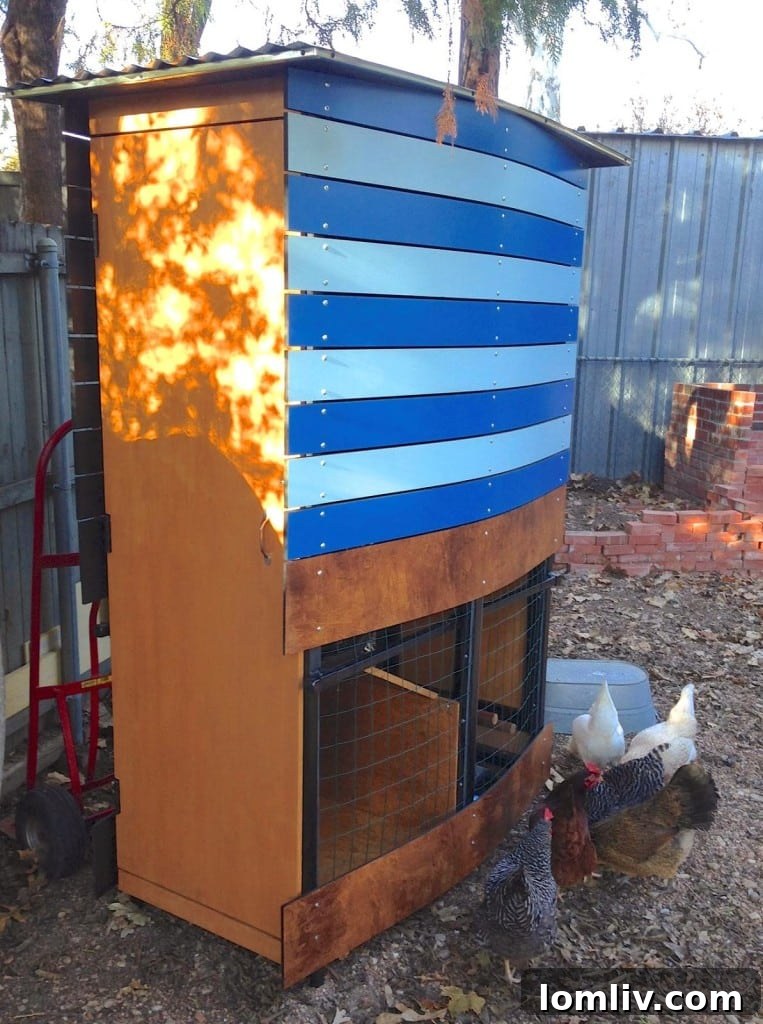
For those contemplating the delightful journey into backyard chicken ownership, this tour is an invaluable resource. Whether you’re a seasoned homesteader or simply “chicken-curious,” you’ll discover a wealth of ideas, practical tips, and inspiring designs. It’s an affordable and enriching family outing, with a map to all featured coops available for a mere $10. Beyond the self-guided exploration, adventure awaits with a companion bike-led tour, graciously organized by the team at Transit Bikes. This eco-friendly option allows participants to leisurely pedal to nearby coops along an easy route, soaking in the neighborhood charm. As an added bonus, attendees have the chance to win a stunning, modern chicken coop, thoughtfully designed by acclaimed architect Mark Domiteaux, AIA, through a special raffle.
Discovering Innovative Coop Designs and Community Spirit
Our recent sneak peek offered a tantalizing preview of two of the remarkable coops on this year’s tour, each reflecting the unique personalities and sustainable philosophies of their owners. From meticulously crafted structures to charming, homespun havens, these coops demonstrate the diverse and creative ways East Dallas residents are embracing urban agriculture.
The Chapman’s Rustic Haven in Casa Linda Estates
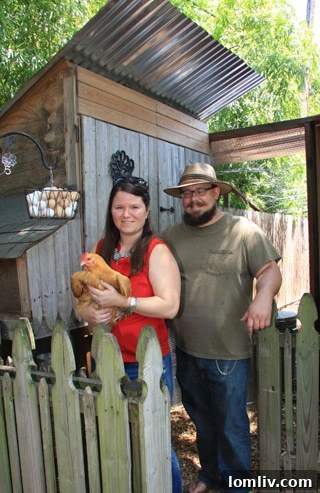
Journeying into Casa Linda Estates, past a serene pond adorned with vibrant Koi and delicate lotus blossoms, we discovered the exquisite domain of Donna and Matt Chapman’s chicken flock. Their backyard is a testament to thoughtful design and green living, featuring inviting keyhole gardens and a refreshing canopy of mature trees. Amidst this verdant oasis stands their incredible chicken coop – a structure they ingeniously built themselves. Utilizing a harmonious blend of reclaimed and new materials, the Chapmans created a dwelling that is not only sturdy and predator-proof but also beautifully integrated into their garden landscape.
Home to five delightful birds, including a charming black Silkie named Joan Jett, who, with her fluffy plumage, bears an uncanny resemblance to a beloved Muppet character, this coop truly shines. The Chapman’s approach proves that you don’t need to splurge on an expensive setup to provide a safe, comfortable, and enriching environment for happy chickens. Their DIY ethic and commitment to repurposing materials offer a fantastic model for aspiring chicken keepers looking to minimize costs and maximize sustainability.
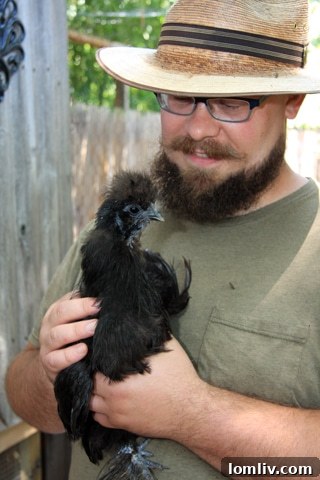
Donna shared insights into their construction philosophy: “We wanted the structure to last a long time, so we didn’t skimp on materials for the frame. To achieve a charming, rustic aesthetic, we rescued some old fence boards from a neighbor’s front yard and repurposed them for the coop’s exterior.” This commitment to durability combined with a rustic charm highlights a practical yet visually appealing approach to coop building.
Her favorite feature, however, is the expansive outdoor run. “We attended a wonderful workshop by Jeff Raska from Texas A&M AgriLife Extension at Gecko Hardware, and he gave us a brilliant tip to use pine bark mulch and soil to cover the ground instead of sand,” Donna explained. This innovative ground cover choice offers numerous benefits: it helps maintain cleanliness by absorbing moisture, significantly reduces muddy conditions, and provides a softer, more natural foraging surface for the chickens. It’s a simple yet impactful detail that makes a world of difference for both the birds and their human caretakers.
Janet Reynolds: Art, Bees, and Birds in Little Forest Hills
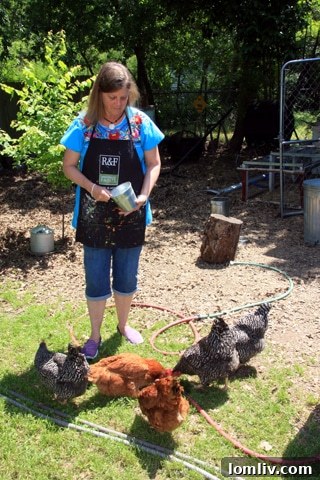
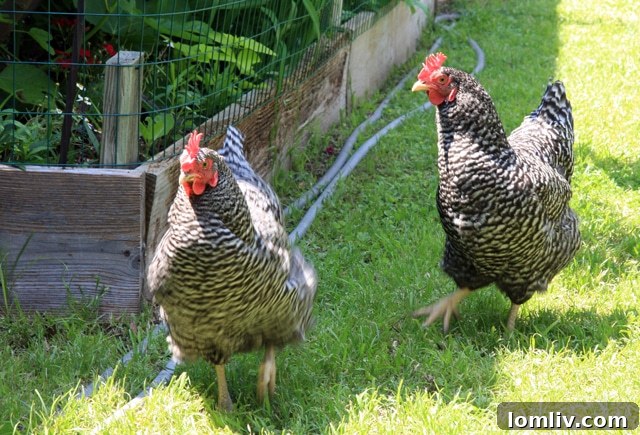
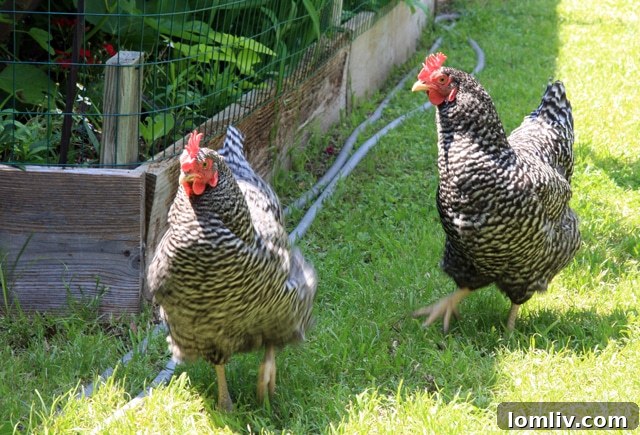
In the enchanting enclave of Little Forest Hills, visitors can explore the world of artist Janet Reynolds, whose backyard is a vibrant tapestry of creativity and nature. Her chicken coop, a charmingly homespun affair, is conveniently situated just outside her studio, where she dedicates her time to teaching painting. Beyond her artistic pursuits, Janet is also a dedicated beekeeper, tending to busy hives that contribute to her backyard ecosystem. Her five chickens – three robust Barred Plymouth Rocks and two lively Red Star hens – share this idyllic space, creating a lively and harmonious environment. One of her Red Star hens, affectionately known as a full-fledged flock member despite having a deformed leg, embodies remarkable resilience.
“She is so resourceful, very smart,” Reynolds commented on her sweet, determined bird. “She doesn’t let anything stop her, and she’s just as sneaky as the rest of them.” Indeed, during our visit, this spirited hen seized an opportune moment to playfully break out of the run, showcasing her cleverness and independent spirit. It’s a heartwarming reminder of the unique personalities and unexpected joys that come with raising chickens.
Reynolds, who humorously refers to her chickens as “the best show on television,” believes that having a flock has profoundly deepened her connection to the earth. She views chicken keeping as a natural extension of her sustainable lifestyle, emphasizing a philosophy of treading lightly and living in harmony with nature. “We love having them with us as we work in the garden,” Reynolds shared, highlighting the symbiotic relationship between her birds and her gardening efforts. These feathered companions are more than just providers of fresh eggs; they are active participants in her ecosystem. “Who else will give you a nutritious and delicious meal from forage, grain, and kitchen scraps?” she quips, pointing out their unique ability to convert kitchen waste into wholesome food. Beyond this, their generous contributions of enriched fertilizer are invaluable for her raised garden beds. “Talk about generous!” she exclaims, a testament to the myriad benefits urban chickens bring to a sustainable household.
Embracing the Urban Homestead: Why Backyard Chickens Are Thriving
The increasing popularity of urban chicken keeping, as showcased by events like A Peep at The Coops, reflects a broader movement towards sustainable living, self-sufficiency, and a desire to reconnect with our food sources. Beyond the undeniable appeal of fresh, organic eggs delivered daily, backyard chickens offer a host of environmental and personal benefits. They are natural pest controllers, diligently scratching through soil to find insects and larvae. Their waste, when properly composted, becomes a powerful, nutrient-rich fertilizer, reducing the need for chemical alternatives in gardens. Furthermore, chickens serve as excellent composters, happily consuming kitchen scraps that might otherwise end up in landfills, transforming them into valuable garden amendments.
For families, raising chickens provides an unparalleled educational experience. Children learn about animal care, the cycle of life, where food truly comes from, and the responsibilities that come with tending to living creatures. The simple act of collecting eggs can become a cherished daily ritual, fostering a sense of connection to nature right in one’s own backyard. This growing trend isn’t just about utility; it’s about fostering community, promoting local food systems, and enriching the lives of both humans and their feathered friends.
The coops featured on the tour offer practical examples of diverse approaches to chicken keeping. From the Chapmans’ emphasis on reclaimed materials and predator-proofing to Reynolds’ integration of chickens into a broader artistic and ecological lifestyle, visitors can gather real-world insights into coop design, material choices, feed management, and the fascinating personalities of different chicken breeds like Silkies, Barred Rocks, and Red Stars. Such firsthand observation is invaluable for anyone considering embarking on their own chicken-keeping adventure.
Join the Flock: Support Stonewall Gardens and Experience the Tour!
If you find yourself among the “chicken curious” or simply appreciate the unique charm of East Dallas and its community-driven initiatives, now is the perfect time to show your support. By purchasing a map to this year’s A Peep at The Coops, you are directly contributing to the vital garden program at Stonewall Jackson Elementary, helping cultivate the next generation of environmental stewards and healthy eaters. The self-guided tour offers flexibility, running from 11 a.m. to 5 p.m., allowing you to explore at your own pace. For those seeking an active and social experience, the bicycle tour commences promptly at noon, promising an unforgettable ride through picturesque neighborhoods.
This annual event is more than just a tour; it’s a celebration of East Dallas’s ingenuity, its commitment to sustainability, and the profound connection its residents share with their natural surroundings. Whether you dream of fresh eggs, a more sustainable lifestyle, or simply a fun and educational day out, A Peep at The Coops offers something for everyone. So, consider joining this delightful exploration of urban homesteading. Are you ready to take the plunge and perhaps even start considering a chicken coop of your own?