Dallas, a city experiencing rapid growth and transformation, is grappling with a pressing affordable housing crisis. A leading voice in addressing this challenge is local developer Marc Henderson, who advocates for increasing density as a critical solution. Through his visionary firm, Exodus Development Group, Henderson is not only highlighting the problem but actively spearheading initiatives, forging crucial partnerships with private entities, and pioneering innovative funding strategies to create sustainable affordable housing solutions across the city. His work exemplifies a proactive approach to a complex urban issue, aiming to ensure that Dallas remains accessible to all its residents.

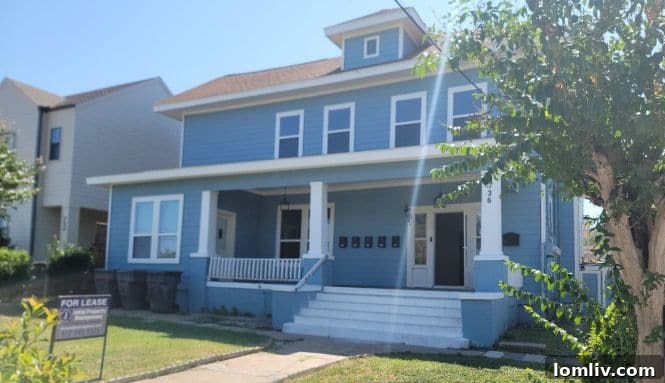
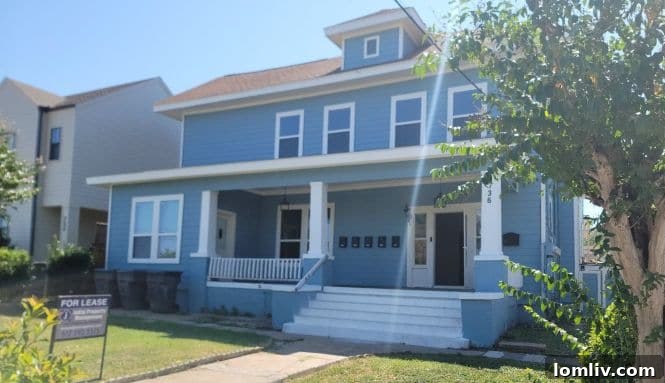
One notable achievement underscoring this commitment is the successful rehabilitation of a six-unit multifamily property located at 736 West Seventh St. Situated in the vibrant and increasingly sought-after Bishop Arts District, this project serves as a beacon of what can be achieved through strategic planning and dedicated effort in the realm of affordable housing development. The building, originally constructed in 1930, spans 3,152 square feet and is appropriately zoned for multifamily use, featuring a total of six bedrooms and six bathrooms, making it an ideal candidate for revitalization into much-needed community housing.
The success of the 736 West Seventh St. rehabilitation project was made possible through a collaborative funding model, a testament to the power of partnership in tackling major urban challenges. Key financial support was provided by the Dallas Housing Opportunity Fund (DHOF), an innovative initiative designed to catalyze housing solutions. This fund worked in tandem with The Real Estate Council (TREC), a prominent organization committed to community development, and the Local Initiatives Support Corporation (LISC), a national non-profit dedicated to fostering sustainable communities. This powerful alliance demonstrates how diverse entities can converge their resources to create tangible positive impacts in urban landscapes.
Revitalizing Dallas: The Role of the Dallas Housing Opportunity Fund
The sixplex at the corner of Seventh Street and North Vernon Avenue, conveniently located just one block from the bustling West Davis Street, underwent a comprehensive redevelopment during the summer. Under the expert guidance of Marc Henderson’s Exodus Development Group, the historic building was meticulously repaired and modernized, including the thoughtful addition of an adjacent laundry facility to enhance resident convenience. This project not only preserved a piece of Dallas’s architectural heritage but also transformed it into a functional, desirable living space.
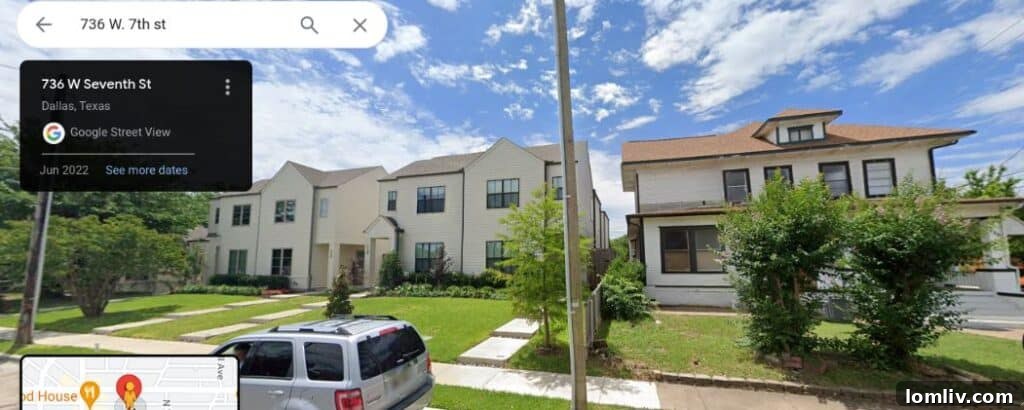
Currently, three of the revitalized units are occupied, with the remaining three available for rent. Henderson strategically structured the project with a mixed-income model: half of the units are designated as affordable housing, while the other half are offered at market rates. This approach fosters economic diversity within the building and helps integrate affordable options seamlessly into thriving neighborhoods. Henderson emphasizes the critical importance of preserving existing structures. “Pretty much the only way to maintain affordability in this area is to maintain the existing housing stock that’s already in the area,” he states. “I think this area has lost a lot of affordable housing, particularly the small multifamily properties,” a trend Exodus Development Group is actively working to reverse.
Henderson proactively engaged with the Dallas Housing Opportunity Fund (DHOF), recognizing its alignment with his vision. The DHOF is renowned for its mission to “promote fair housing by fostering investments that dismantle long-standing patterns of segregated housing.” This commitment goes beyond merely constructing new units; it aims to address systemic inequalities in housing access. According to its website, “The DHOF leverages municipal funds with private capital to drive much-needed development in Dallas,” illustrating its pivotal role in bridging the financing gap for impactful projects.
Further strengthening the fund’s reach and effectiveness, the Local Initiatives Support Corporation (LISC) plays a vital role. LISC, a national organization with a strong local presence, operates the DHOF and is sponsored locally by The Real Estate Council. LISC’s overarching goal is to make “quality, affordable housing available to low-income and vulnerable residents — from seniors to veterans to the formerly homeless — in underserved communities,” as detailed on its website. This mission speaks to a holistic approach to community well-being, where stable housing forms the foundation for individual and collective prosperity.
The funds managed by LISC are strategically deployed in areas facing diverse challenges. This includes “neighborhoods where soaring prices in hot real estate markets threaten to edge out longtime residents,” ensuring that long-term community members are not displaced by rapid gentrification. Additionally, investments are made in “‘legacy’ markets, where the flight of industry and jobs has left a vacuum of disinvestment and poverty and where housing can stimulate economic growth,” as highlighted in LISC literature. This dual focus ensures that both preserving existing communities and revitalizing struggling areas are key priorities in their comprehensive strategy for community development and housing equity.
Addressing the Dallas Housing Crisis: The Critical Need for Increased Density
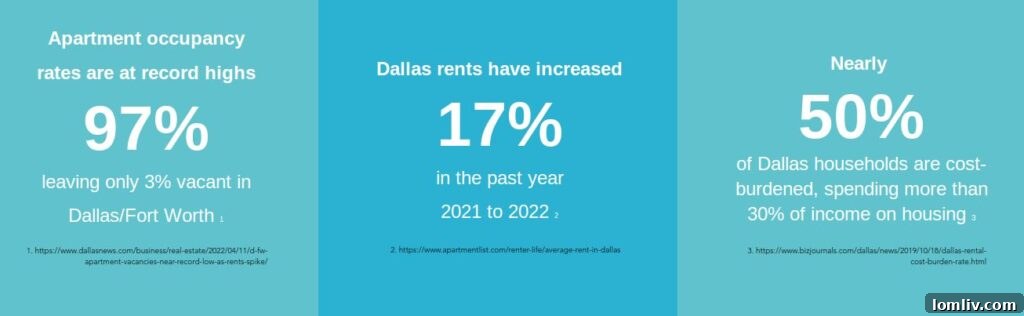
It’s no secret that Dallas is currently in the throes of an affordable housing crisis. The rising cost of living, coupled with a booming population, has made it increasingly challenging for many residents to find safe, stable, and affordable places to call home. This crisis impacts various facets of urban life, from economic stability to social equity, making solutions like increasing density not just an option, but a necessity.
Marc Henderson firmly believes that developers committed to resolving this pressing issue must actively seek partnerships with both public and private resources. This collaborative model, as demonstrated by the 736 West Seventh St. project, is essential for pooling expertise, leveraging capital, and navigating the complexities of urban development. “LISC operates the [affordable housing] fund and raises capital from several different groups with the sole purpose of trying to address the affordable housing crisis in Dallas,” Henderson explains, underscoring the coordinated effort required. He also notes that “There are other projects that LISC has funded, a lot of ground-up projects,” illustrating the fund’s broad impact across the city.
High-density housing is particularly well-suited for areas like the Bishop Arts District, as the developer elaborates. This historical and culturally rich neighborhood thrives on walkability and community interaction, making it an ideal candidate for increased residential density. “This area is highly walkable,” Henderson observes, emphasizing the environmental and lifestyle benefits of reducing reliance on personal vehicles. He also points out that “A lot of areas surrounding this particular project have had similar density in the past. It’s not something that’s brand new to the area,” highlighting that the concept of denser living is not an imposition but a return to the district’s historical urban fabric, aligning with the principles of missing middle housing.
The West Seventh Street project thoughtfully addresses practical considerations, including parking, which is often a concern in denser urban environments. The property features a five-vehicle carport located behind the building, providing secure off-street parking for residents. “Because it’s on a corner lot, we also have off-street parking,” Henderson adds, showcasing smart design that maximizes utility. This attention to detail ensures that increased density does not compromise convenience. The target demographic for these units often comprises individuals who work within the vibrant Bishop Arts District, further reducing commuting needs and fostering a strong sense of local community. “It’s very hard to keep the area affordable without density,” Henderson reiterates, solidifying the argument that intelligent urban planning is key to sustainable affordability.
Exodus Development Group: Building a Future for Dallas
Marc Henderson’s commitment to innovative and equitable development extends beyond the Bishop Arts District. His Exodus Development Group is also actively engaged in another significant project: a 36-unit duplex development situated in South Oak Cliff. This initiative further exemplifies the group’s dedication to creating diverse housing solutions across various Dallas neighborhoods, addressing the needs of different communities and contributing to the city’s overall housing stability.
Through these projects, Exodus Development Group is not just building structures; it’s building communities. By focusing on increasing density, preserving existing housing stock, and collaborating with essential funding partners like the Dallas Housing Opportunity Fund and LISC, Marc Henderson is setting a precedent for how Dallas can effectively tackle its housing challenges. His work demonstrates that with strategic vision, strong partnerships, and a deep understanding of urban dynamics, it is possible to create a future where affordable, quality housing is accessible to everyone in Dallas, ensuring the city’s continued growth is inclusive and sustainable for all its residents.