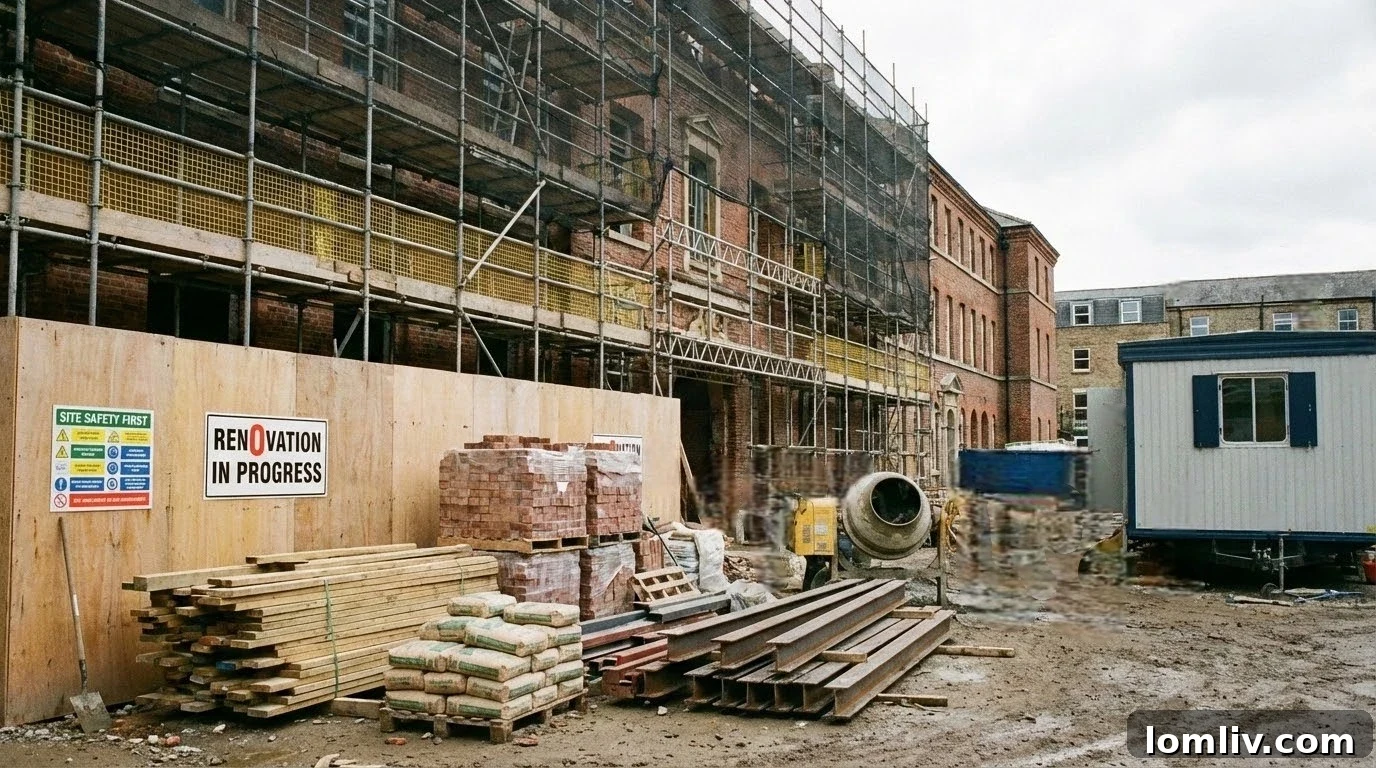
Property renovation projects hold immense appeal for real estate investors, promising substantial returns through the transformation of older, often undervalued assets. However, beneath the allure of potential profit lies a landscape fraught with significant risks. From the moment an investor acquires a property for renovation, it becomes vulnerable to a myriad of threats: unexpected structural damage, theft of valuable materials, and inevitable delays in the construction timeline. Each of these challenges can erode profit margins, extend project duration, and introduce unforeseen financial burdens.
In an environment where substantial investments in materials, labor, and time are constantly at stake, possessing the correct insurance coverage is not merely an option but an absolute necessity. Builder’s risk insurance serves as a critical safeguard, specifically designed to protect a property throughout its active renovation phase. A thorough evaluation of available policy options empowers investors to mitigate exposure to major out-of-pocket costs and ensures the project remains on track, from its initial demolition to its final touches.
Unveiling Builder’s Risk Insurance: A Comprehensive Guide for Renovators
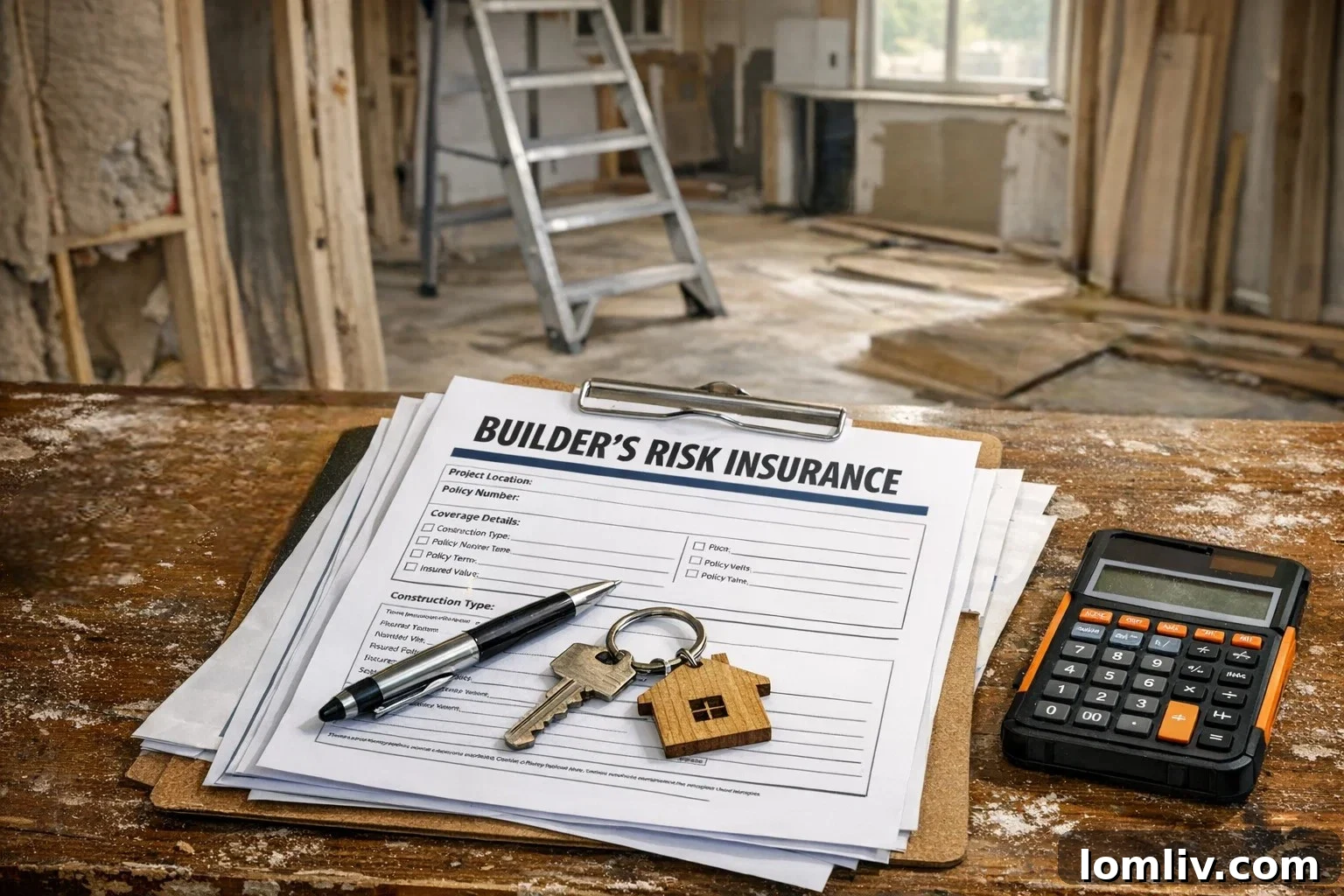
Unlike a standard homeowner’s insurance policy, which typically covers an occupied residence against common perils, builder’s risk insurance is a specialized form of property coverage tailored specifically for buildings undergoing construction or extensive renovation. This distinction is crucial for real estate investors, contractors, and developers who engage in flipping houses, building new structures, or undertaking significant remodels. While a homeowner’s policy might offer limited coverage for minor cosmetic updates, it is almost always inadequate for the comprehensive risks associated with major structural work, unoccupied properties, and the vast array of materials present on a dynamic job site.
Many experienced professionals, including those with extensive real estate investor insurance strategies, integrate builder’s risk into their overall protection plan. This specialized coverage primarily protects the physical structure of the building and the construction materials stored at the job site. It can also extend to cover temporary structures like scaffolding, fencing, and even valuable renovation equipment kept on location. By understanding these fundamental aspects, investors can pinpoint a policy that accurately reflects the unique scale, scope, and timeline of their specific renovation endeavor, providing peace of mind against unforeseen financial setbacks.
Why Builder’s Risk is Essential for Renovation Projects
Renovation projects, by their very nature, introduce elevated risks that standard insurance policies aren’t designed to handle. An unoccupied property undergoing extensive work is more susceptible to vandalism, theft, and damage from elements, especially when walls are open, roofs are exposed, or security systems are temporarily disabled. Furthermore, the sheer volume of valuable materials, tools, and heavy equipment on site presents significant financial exposure. Builder’s risk insurance bridges this gap, providing targeted protection for these specific vulnerabilities. It safeguards the investment against perils such as fire, lightning, windstorms, hail, vandalism, and theft, covering both the existing structure and the new construction components.
When to Secure Coverage & What to Expect in Costs
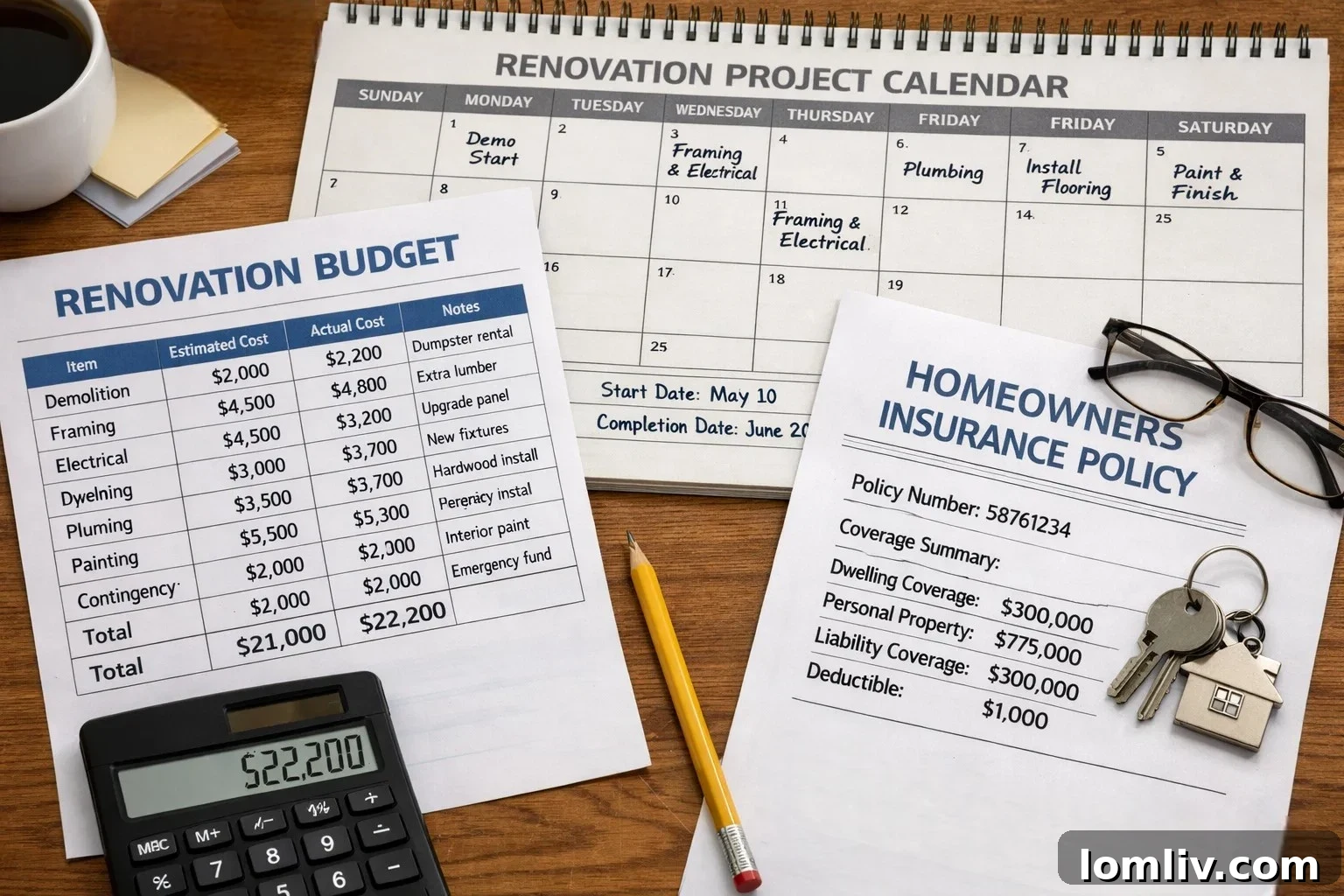
Timing is absolutely critical when it comes to acquiring a builder’s risk policy. It is imperative to have your policy firmly in place *before* any significant demolition or construction work commences. Most insurance carriers maintain stringent rules regarding policy issuance: if a renovation project is already more than 30% complete, securing new builder’s risk coverage can become exceedingly difficult, if not impossible. This strict requirement underscores the importance of proactive planning and integrating insurance acquisition into the very initial stages of your project timeline.
Regarding the financial commitment, the cost of builder’s risk insurance typically ranges from 1% to 4% of your total estimated construction budget. This percentage can fluctuate based on a multitude of factors, making each policy’s premium unique. Key determinants include:
- Property Location: Areas prone to severe weather events (hurricanes, tornadoes, heavy snowfall) or high crime rates may incur higher premiums.
- Scope of Work: A minor cosmetic update will cost less to insure than a full structural gut renovation or adding new square footage. The complexity and potential for damage during the project directly impact the risk assessment.
- Type of Materials Used: Projects incorporating higher-value or specialized materials (e.g., custom cabinetry, imported stone, advanced smart home technology) will generally have higher coverage costs due to the increased financial exposure.
- Project Duration: Longer renovation timelines inherently carry more risk and thus can lead to higher premiums.
- Security Measures: Properties with robust on-site security (fences, alarms, surveillance) may qualify for reduced rates.
- Contractor Experience: Some insurers consider the experience and safety record of the primary contractor, which can influence pricing.
Understanding these variables helps investors budget accurately and avoid unexpected costs, ensuring the project remains financially viable from start to finish.
What Does Builder’s Risk Insurance Typically Cover?
While the specifics of builder’s risk policies can vary considerably among providers, most plans are designed to address core risks inherent in renovation projects. A thorough review of these essential coverage elements is paramount before committing to any plan. You’ll generally want to look for protection in several key areas:
- Structural Protection: This fundamental component of builder’s risk insurance safeguards the physical structure of the property against damage caused by unforeseen events. Common perils typically covered include fire, lightning, windstorms, hail, explosions, vandalism, and sometimes even vehicle impacts. This protection extends to both the existing structure and any new additions or improvements being constructed, ensuring that a sudden disaster doesn’t derail your entire project.
- Material Coverage: Renovation projects require a significant investment in building supplies, many of which are delivered to the job site and stored before installation. Material coverage protects these valuable assets – such as lumber, drywall, plumbing fixtures, electrical wiring, and flooring – from theft, vandalism, or damage due to covered perils while they are stored on the property, awaiting incorporation into the build. This can also include materials temporarily stored off-site, if specified in the policy.
- Temporary Structure Protection: Construction sites often rely on various temporary structures to facilitate work. This coverage extends to items like scaffolding, temporary fences, portable storage units, construction trailers, and even temporary utility connections. Should these vital components be damaged or destroyed by a covered peril, this protection ensures they can be repaired or replaced, preventing further project delays.
- Debris Removal Assistance: In the aftermath of property damage, the costs associated with cleaning up and hauling away debris can be substantial. Debris removal assistance helps cover these expenses, which can include specialized equipment, labor, and disposal fees. This coverage is crucial for maintaining project timelines and budgets, as improper or delayed cleanup can create further hazards and delays.
- Project Delay Protection (Soft Costs Coverage): Sometimes referred to as “Soft Costs” coverage, this protection is designed to compensate investors for financial losses incurred due to project delays caused by an insured event. This can include reimbursement for lost rental income (if the property was intended for lease), additional loan interest payments due to extended construction periods, architectural and engineering fees that need to be re-incurred, permit re-filing fees, and even real estate tax increases during the delay. This component is vital for maintaining profitability when unexpected incidents push back your completion date.
Additional Optional Coverages to Consider
To further tailor your protection, many insurers offer optional endorsements:
- Equipment Breakdown: Covers damage to construction machinery and equipment caused by mechanical or electrical breakdown.
- Sewer & Drain Backup: Protects against damage from water backing up through sewers or drains.
- Foundation Coverage: Provides protection for the property’s foundation against damage from specific perils not always included in standard structural coverage.
- Transit Coverage: Insures materials while they are being transported to the job site.
- Flood & Earthquake: These are almost always excluded from standard policies and require separate, specific endorsements or policies, especially in high-risk zones.
Project Value and Adequacy of Coverage Limits
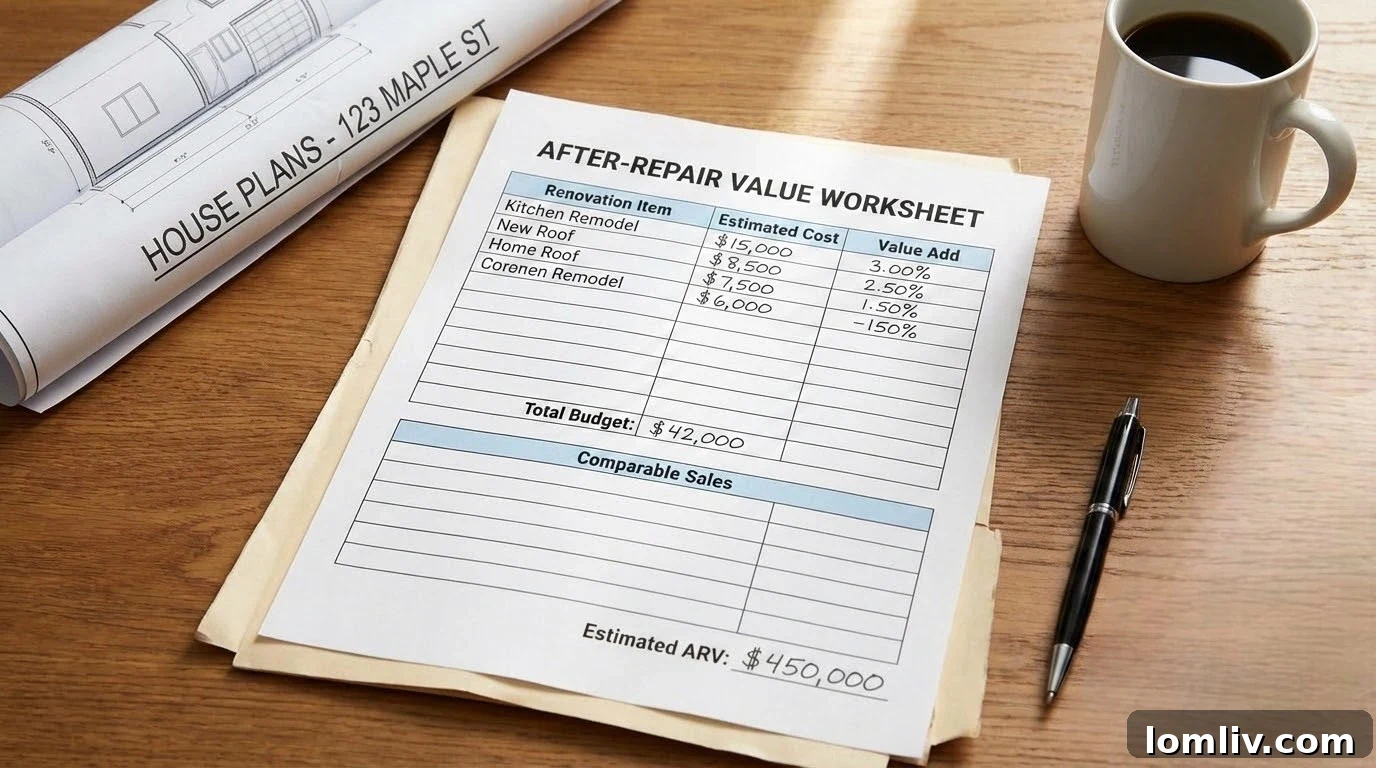
Accurately evaluating the true financial value of a renovation project is a cornerstone of determining the appropriate coverage level for your builder’s risk policy. Savvy investors understand that they must consider the full projected value after renovation (ARV), rather than merely basing coverage on the initial purchase price of the distressed property. This ARV encompasses not only the acquisition cost but also the cumulative expenses of materials, labor, contractor fees, permit costs, and all other improvements designed to enhance the property’s market value. Overlooking these crucial additions significantly inflates the property’s total risk exposure.
Selecting coverage limits that align precisely with an accurate, projected ARV ensures that your project remains fully protected through every single stage of construction, from the initial framing to the final paint job. A careful and realistic estimate also serves as a critical defense against underinsurance. The peril of underinsurance is substantial: if your coverage limits fall short of the actual costs to repair or rebuild after an unexpected incident, you could find yourself paying a significant portion of the expenses directly out of pocket. This can quickly deplete profit margins, or worse, force the abandonment of the project altogether. Conversely, while less common, overinsurance can lead to unnecessary premium costs without providing proportional additional benefits, highlighting the importance of a balanced and precise valuation.
Key Policy Details to Scrutinize Before Committing
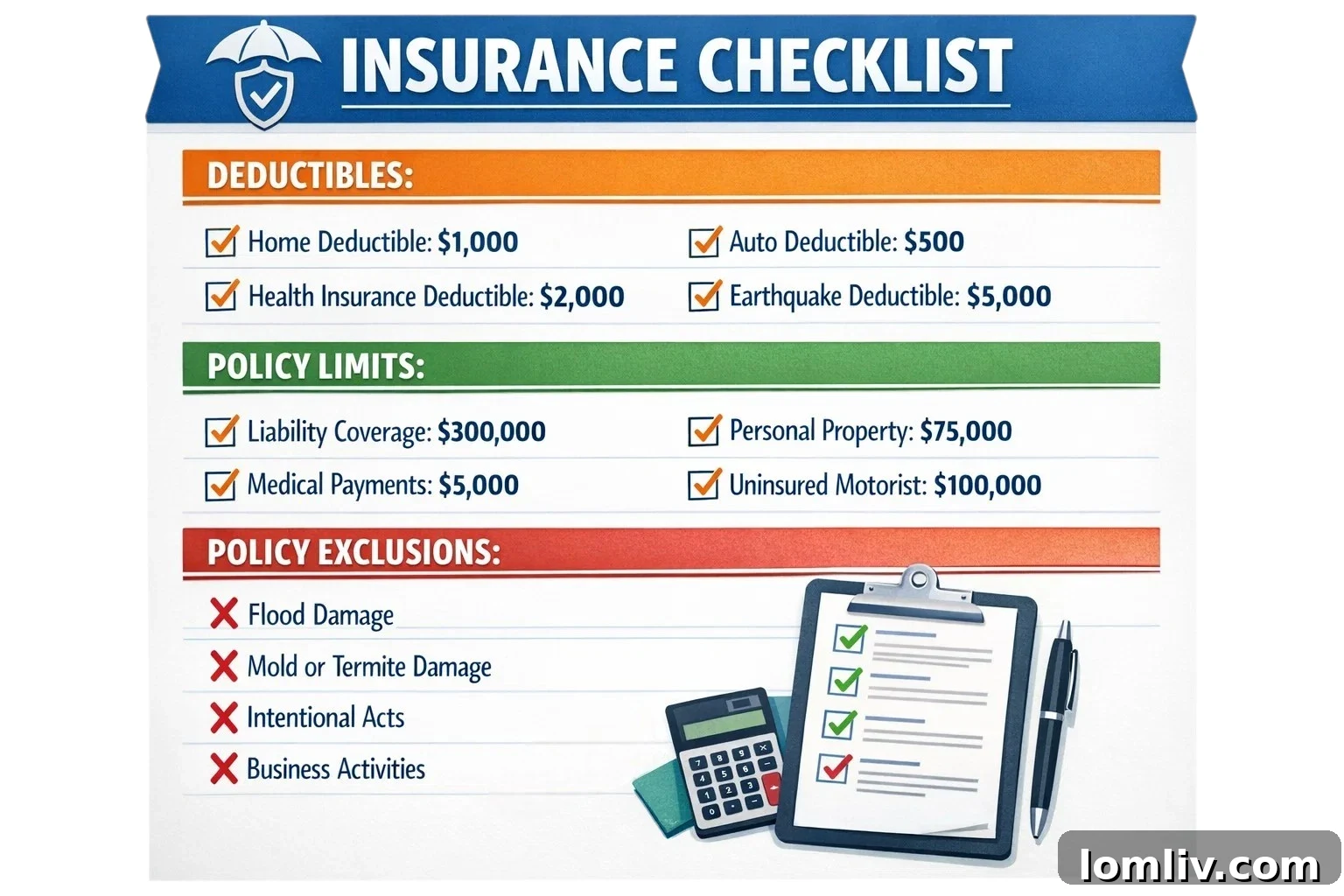
Beyond the fundamental coverage components, several intricate policy factors significantly influence the overall effectiveness and reliability of a builder’s risk policy during your renovation. Before finalizing any agreement, investors must meticulously review a few specific details to ensure comprehensive and appropriate protection:
- Policy Duration: The policy’s term must precisely align with your estimated construction schedule, including potential buffers for unforeseen delays. Any mismatch creates dangerous coverage gaps, leaving your project exposed if work extends beyond the policy’s end date. Many policies offer options for extensions, but these typically require advance notice and potentially additional premiums.
- Deductible Structure: The deductible is the out-of-pocket amount investors must pay before their insurance assistance begins for a covered claim. Deductibles can be flat rates (e.g., $1,000) or a percentage of the loss (e.g., 2% of the claim). Understanding how the deductible applies to different types of claims and how it impacts your immediate financial responsibility is crucial for budgeting and risk management.
- Coverage Limits: These figures represent the maximum amount the insurer will provide for damages or losses for various categories of coverage (e.g., structural, materials, soft costs). It’s vital to ensure these limits are adequate to cover the full replacement or repair cost of your project, as discussed in the “Project Value” section. Inadequate limits lead to underinsurance, leaving you with significant personal liability.
- Exclusion Details: This section explicitly outlines which types of damage, perils, or situations are *not* covered by the policy and therefore will not qualify for compensation. Reading exclusions carefully is paramount, as what isn’t covered can be as important as what is.
- Claim Processing Efficiency: The insurer’s reputation for timely and fair claims processing directly impacts how quickly financial support becomes available after a loss. A slow or difficult claims process can exacerbate project delays and financial strain, even if the coverage itself is robust. Researching an insurer’s claims history and customer service reviews is a smart pre-purchase step.
Common Exclusions to Watch Out For
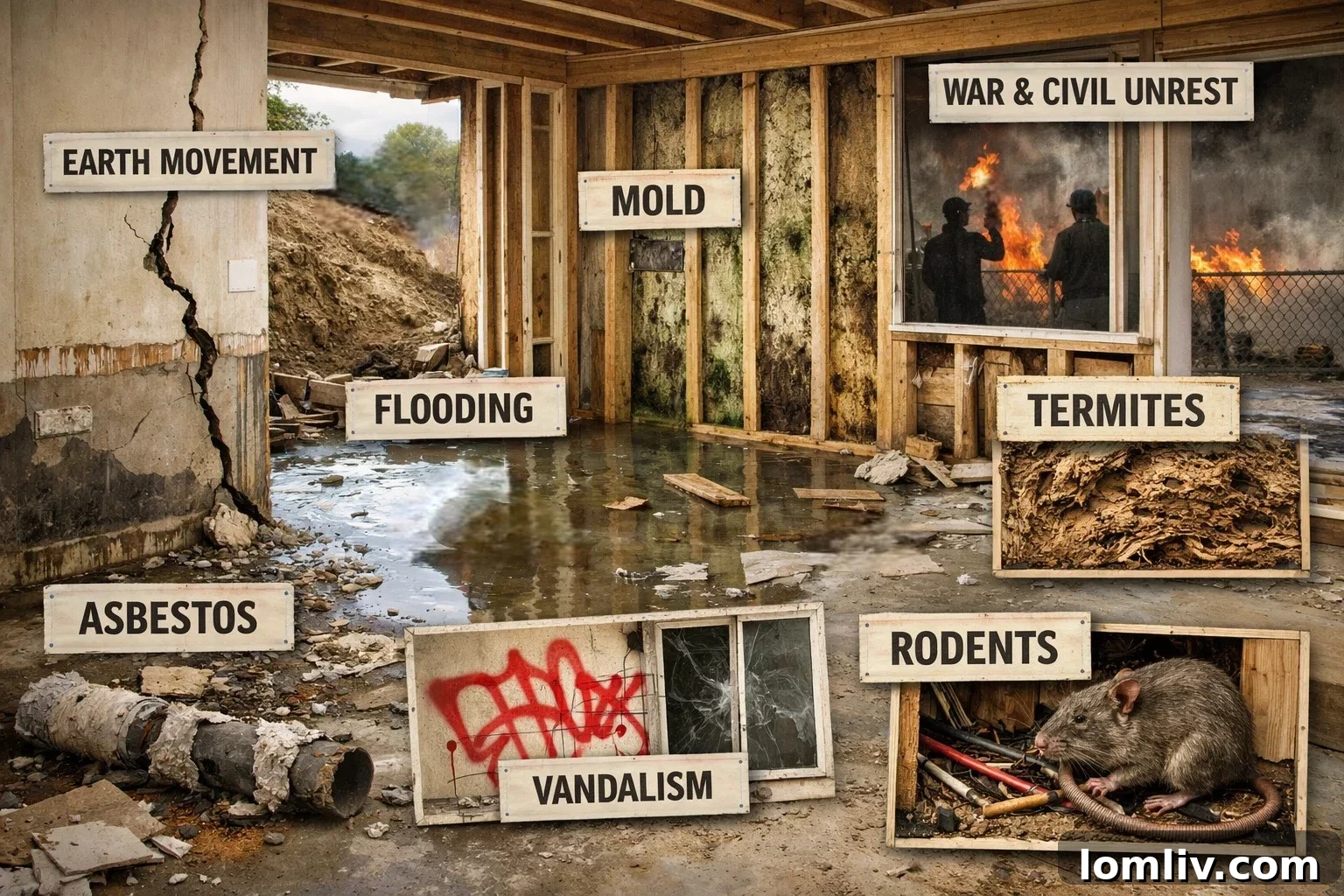
Coverage can vary widely from one policy to another, making a careful review of exclusions absolutely essential. Being unaware of what your policy *doesn’t* cover can lead to devastating financial surprises. Some of the most frequently excluded perils and issues in builder’s risk policies include:
- Floods and Earthquakes: These natural disasters are almost universally excluded from standard builder’s risk policies. If your property is in a flood plain or an earthquake-prone region, you will need to purchase separate, specialized flood or earthquake insurance endorsements or policies.
- Normal Wear and Tear: Builder’s risk policies are designed to cover sudden and accidental losses, not the gradual deterioration or expected aging of materials.
- Faulty Workmanship or Materials: Damage resulting directly from poor construction techniques, substandard materials, or design flaws is typically excluded. This is usually the responsibility of the contractor or designer, not the insurer.
- Employee Theft (of Tools/Equipment): While materials may be covered, theft of tools or equipment *by employees* is often excluded and may require separate fidelity bond coverage.
- Governmental Action: Losses due to seizure, destruction, or confiscation of property by governmental authorities are generally not covered.
- War and Nuclear Hazards: These catastrophic events are standard exclusions across most insurance types.
- Damage from Pests: Damage caused by rodents, insects, or other animals is usually not covered.
- Liability Claims: Builder’s risk primarily covers property damage. Liability for bodily injury or property damage to third parties arising from the construction work is typically covered under a separate general liability policy, which is often purchased by the contractor but can be advisable for the investor as well.
This is precisely why a meticulous reading of the fine print, ideally with the guidance of an experienced insurance professional, is critical before any work begins on your renovation project.
Thorough Risk Assessment for Renovation Projects
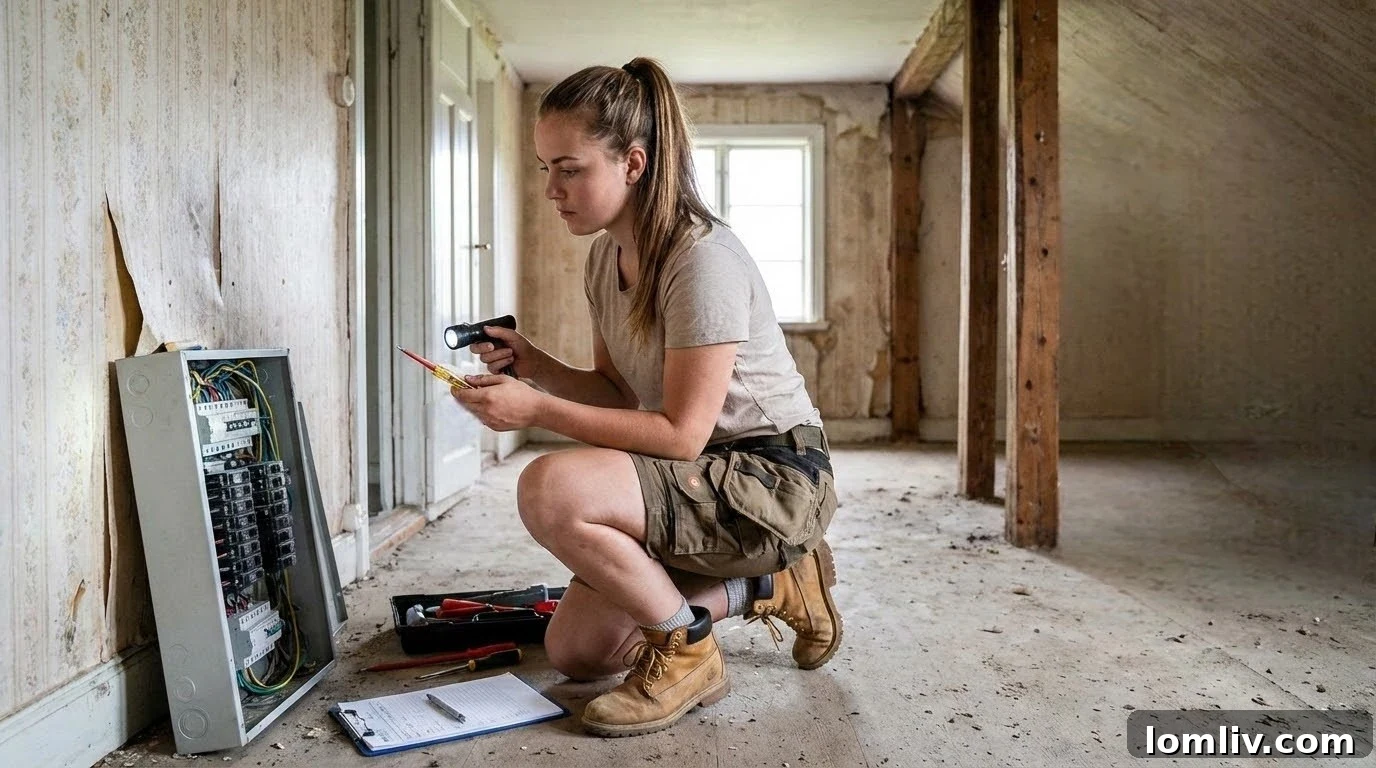
Every renovation project is unique, presenting its own distinct set of risks that are heavily dependent on the existing condition of the building and the overall scope of the planned renovation. Before selecting any coverage, investors must conduct a thorough and systematic examination of all possible hazards. For instance, older structures often harbor hidden dangers such as antiquated and faulty electrical wiring, undetected foundation weaknesses, decaying wooden structures, or outdated plumbing systems susceptible to leaks. Uncovering these issues during renovation can lead to unexpected costs and delays, and their presence can also influence insurance risk assessments.
Furthermore, the very nature of construction activity introduces new layers of risk. The presence of heavy tools, specialized equipment, and temporary alterations to the property’s structural integrity can increase the potential for accidents. The property’s exposure to adverse weather conditions is also heightened during phases where the roof is off, walls are open, or windows are not yet installed. Performing a comprehensive risk assessment allows investors to identify these specific vulnerabilities and choose coverage that precisely aligns with them. This proactive approach ensures that the insurance policy is not just a generic safety net, but a targeted protective measure against the most probable and impactful risks to the property and the renovation plan.
A good risk assessment should consider:
- Pre-existing Conditions: Inspect for structural integrity, mold, asbestos, lead paint, and pest infestations.
- Environmental Factors: Proximity to flood zones, wildfire areas, or seismic activity.
- Site Security: Measures to prevent theft and vandalism, especially for unoccupied properties.
- Contractor Reliability: Vetting contractors for proper licensing, insurance, and safety records.
- Material Storage: Secure and weather-protected areas for valuable building supplies.
How to Effectively Compare Builder’s Risk Insurance Providers
Selecting the optimal builder’s risk insurance provider goes beyond simply comparing quotes. It requires a diligent assessment of several practical factors that collectively indicate their long-term reliability and capacity to deliver on their promises. A truly robust insurer will demonstrate strength in the following areas:
- Financial Stability: This is a paramount indicator. An insurer’s financial stability signifies that the company possesses robust cash reserves and sound financial backing, ensuring they have the capacity to handle large and multiple claims effectively, even in the event of widespread disasters. Look for ratings from independent agencies like A.M. Best or Standard & Poor’s.
- Customer Service Responsiveness: During urgent situations, such as discovering damage or needing to file a claim, prompt and accessible customer service is invaluable. Evaluate their communication channels, response times, and the clarity of their guidance. An insurer that is difficult to reach or unresponsive can significantly exacerbate stress and delays during a crisis.
- Claims Approval Reputation: Researching an insurer’s reputation for handling claims is critical. This reflects how fair, efficient, and transparent the provider is when disaster actually strikes. Look for testimonials, reviews, and industry reports regarding their claims settlement processes. A company with a consistent track record of fair and fast approvals provides greater peace of mind.
- Policy Flexibility: Renovation projects rarely adhere perfectly to initial timelines. A flexible policy allows you to extend the coverage duration if construction plans encounter unexpected delays, avoiding dangerous gaps in protection. Inquire about their procedures and costs for policy extensions.
- Clear Documentation and Transparency: Before signing any agreement, ensure that all policy terms, conditions, coverages, and exclusions are presented in clear, unambiguous language. A reputable provider will offer comprehensive documentation and be willing to patiently explain any clauses or details that are unclear to you.
- Specialization in Renovation Insurance: Some insurance companies or brokers specialize in policies for construction and renovation. These specialists often have a deeper understanding of the unique risks involved and can offer more tailored and comprehensive solutions.
- Online Tools and Resources: Modern insurers may offer online portals for policy management, claim submission, and access to resources, which can streamline administrative tasks and improve efficiency.
By thoroughly evaluating these aspects, investors can confidently choose a partner that offers not only competitive rates but also the dependability and support necessary for a successful renovation project.
Balancing Cost with Comprehensive Coverage: A Strategic Approach
While the cost of insurance undeniably plays a significant role in the overall profitability calculation of your renovation project, it is a common pitfall to assume that the cheapest policy is automatically the best choice. In the realm of builder’s risk insurance, opting for the lowest premium often translates to insufficient coverage, leaving substantial gaps in protection that can prove far more costly in the long run. Instead of solely fixating on the monthly or annual premium, a more intelligent and prudent strategy involves weighing the actual depth, breadth, and inherent reliability of the coverage being offered.
A stronger, more comprehensive policy typically delivers superior value because it provides robust protection for both the physical property and, critically, your project budget. Imagine a scenario where a significant lumber delivery is stolen from the job site, or a sudden fire devastates a partially completed structure. Without adequate insurance, these catastrophic events could entirely wipe out your anticipated profit margins, push the project into the red, or even force you to abandon it altogether. Proper insurance acts as a financial shock absorber, ensuring that such unforeseen incidents do not completely derail your investment. It is an investment in peace of mind and financial security, safeguarding your capital and allowing you to focus on the successful completion and profitable resale of your renovated property.
Protecting Your Renovation Investment: A Final Word
Successful property renovation projects are not merely the result of skillful craftsmanship; they are fundamentally built upon meticulous preparation and astute financial planning. For a growing number of real estate investors, builder’s risk insurance has become an indispensable tool, serving as a vital shield to protect their substantial financial interests as construction work progresses. By diligently examining the diverse elements of coverage, thoroughly vetting the reliability and financial strength of potential insurance providers, and accurately assessing the total projected value of the project, investors are empowered to make truly informed and strategic decisions.
This thoughtful and proactive evaluation process ensures that your renovation plans remain secure and resilient, even when confronted with the inevitable unexpected challenges that can arise on any construction site. With the right builder’s risk protection firmly in place, you gain the invaluable confidence and peace of mind needed to concentrate on the core objectives: efficiently getting the work done, successfully marketing and selling the house, and ultimately, realizing a healthy and well-deserved profit from your investment. Don’t let unforeseen circumstances turn a promising renovation into a costly nightmare; insure your success from day one.