By Duke Loper of Hobert Pools
Embarking on the journey to install a backyard swimming pool is an exciting prospect for any homeowner. A custom-built inground pool transforms your property, offering a personal sanctuary for relaxation, entertainment, and unforgettable family moments. However, selecting the right pool builder for this significant investment is paramount. It’s a decision that will profoundly impact your home’s value, your finances, and your family’s enjoyment for decades to come. When approached correctly, you can anticipate a seamless building experience that is both cost-effective and time-efficient, culminating in the magnificent backyard oasis you’ve always envisioned.
Conversely, choosing an inexperienced or unreliable pool company can lead to considerable stress, unexpected expenses, and a construction project that feels more like a burden than a dream. It can result in delays, shoddy workmanship, and a “money pit” that detracts from your property’s appeal and your peace of mind.
Ensuring Your Swimming Pool Project is a Success: The Importance of Choosing Wisely
The key to a successful swimming pool installation lies squarely in the hands of your chosen pool builder. Your home and property represent some of your most valuable assets, and an inground swimming pool is a permanent addition that will significantly affect their worth. Therefore, when evaluating potential pool contractors, it’s crucial to prioritize long-term value, quality, and reliability over mere speed or the lowest initial bid. Hasty decisions in this area often lead to future regrets and additional costs.
To assist homeowners in making an informed decision, we’ve compiled a comprehensive list of essential questions. These insights are drawn from over 45 years of dedicated experience in designing and building only the highest quality pools throughout the Dallas area. By asking these questions, you’ll be better equipped to identify a reputable, skilled, and trustworthy pool builder who can turn your backyard vision into a stunning reality.
How to Identify a Reliable and Experienced Pool Builder?
In a booming market, new pool companies frequently emerge, making it challenging to distinguish truly reliable builders from fly-by-night operations. The most crucial indicator of reliability is a company’s longevity and proven track record. While not every builder can boast nearly fifty years of experience like Hobert Pools, consider companies that have been in business for at least a decade. Beyond years, inquire about their annual project volume. A builder consistently completing 100 or more pools a year demonstrates not only demand for their services but also established processes, efficient teams, and robust supply chain relationships. Without such a track record, you are taking a considerable gamble with your investment.
Furthermore, assess their operational presence. Do they maintain a legitimate brick-and-mortar office, or do they operate solely from a home address or a mobile office? A physical business location signifies stability, professionalism, and a long-term commitment to the community. Always request a substantial list of references from previous clients, and ensure these are individuals you can contact directly to discuss their experience. Additionally, it’s wise to reach out to their suppliers or subcontractors if possible. Understanding their relationships with other businesses can reveal insights into their payment practices and overall ease of collaboration – indicators of a well-managed and ethical company.
What Certifications or Licenses are Required for Pool Builders in Texas?
This question often surprises homeowners, as the straightforward answer in Texas is: none specifically at the state level for residential pool construction. This regulatory environment means that virtually anyone can claim to be a “pool builder” and advertise their services without holding a specialized state license. Consequently, individuals with minimal experience can bring heavy equipment into your backyard and commence a major construction project. This lack of mandated licensing underscores the critical importance of due diligence on the homeowner’s part.
In the absence of state-specific pool builder licenses, homeowners must rely on other factors to ensure competency and professionalism. Experience, reputation, and a verifiable history of successful projects become the only truly dependable benchmarks. Look for builders who are members of reputable industry associations like the Pool & Hot Tub Alliance (PHTA), which often require adherence to ethical codes and promote professional development, even if their certifications aren’t state-mandated. Your trust, therefore, must be earned through demonstrated expertise and an unwavering commitment to quality rather than simply a general contractor’s license.
Is My Backyard Suitable for a Swimming Pool Installation?
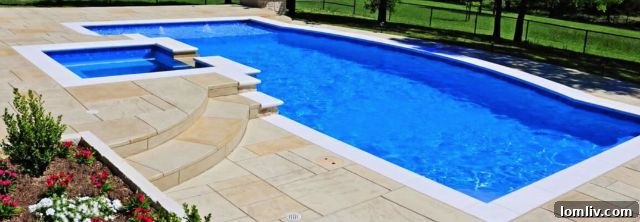
For an experienced and innovative pool builder, who has navigated diverse landscapes and overcome countless challenges over decades of installations, almost any backyard can be transformed into a suitable site for a pool. Modern design and construction techniques allow for incredible versatility, accommodating various lot sizes, shapes, and slopes. What might appear as a limitation to an untrained eye often presents an exciting design opportunity for a seasoned professional.
During an initial consultation, a qualified builder will conduct a thorough site evaluation, considering factors such as soil composition, existing utility lines, property setbacks, drainage, and sun exposure. Even small, unusually shaped, or sloped yards can host stunning pool designs, often incorporating features like retaining walls, multi-level decking, or custom-shaped pools. Don’t assume your backyard isn’t “pool-ready” without a professional assessment. A simple call to a reputable builder like Hobert Pools can initiate a discussion about your property’s unique characteristics and unlock its full potential for a magnificent aquatic retreat.
How Much Will My Utility Bills Increase with a New Pool?
The impact of a new swimming pool on your utility bills is highly dependent on the quality of equipment selected by your builder. Many less reputable pool companies may opt for cheaper, lower-grade equipment or a mismatched assortment of components based on what offers them the highest profit margin. This approach can result in a system that is inefficient, prone to breakdowns, and significantly more expensive to operate in the long run. Furthermore, a piecemeal equipment selection might even void full manufacturer warranties, leaving you vulnerable to costly repairs.
However, when you choose a reputable and quality-focused pool builder, such as Hobert Pools, you can expect the installation of the latest, most energy-efficient, and cost-effective equipment available. This includes advanced variable-speed pumps, efficient heating systems, LED lighting, and smart automation systems designed to work seamlessly together. These high-performance components not only reduce energy consumption but also improve filtration and extend the lifespan of your pool. In fact, many of our clients at Hobert Pools report hardly noticing a significant difference in their utility bills, thanks to our commitment to installing premium, integrated, and energy-saving pool technology.
Will My New Swimming Pool Be Difficult to Maintain?
The notion that a swimming pool is a constant chore is largely outdated, especially with modern construction and equipment. In short, no, a well-built and properly equipped swimming pool should not be difficult to maintain. As long as your pool is constructed correctly from the outset and you adhere to a consistent, basic maintenance schedule, keeping it sparkling clean and healthy can take as little as 20-30 minutes per week. This minimal time investment typically involves tasks such as skimming debris, emptying skimmer baskets, testing water chemistry, and occasionally brushing the pool surfaces.
Furthermore, technological advancements have simplified pool maintenance dramatically. Options like robotic pool cleaners, automated chemical feeders (such as saltwater chlorine generators), and smart pool automation systems can further reduce manual effort, allowing you to spend more time enjoying your pool and less time maintaining it. A quality builder will guide you through these options and explain how to best care for your new investment, ensuring that maintenance is a simple routine rather than a dreaded task.
What Will Be My Annual Spending on Pool Chemicals?
The annual cost of pool chemicals can fluctuate based on several factors, including the size of your pool, local climate, bather load, and, significantly, the type of purification system you select. While a general estimate for average chemical costs might hover around a few hundred dollars per year for a traditionally chlorinated pool, this can vary. Saltwater chlorine generators, for instance, convert salt into chlorine, often reducing the need for purchasing bulk chlorine and potentially lowering annual chemical costs, though they require salt and may need cell replacement over time.
The most effective strategy to keep your chemical costs low and your pool water balanced is consistent, weekly maintenance. Neglecting your pool’s chemistry, even for a short period, can lead to algae blooms, cloudy water, or equipment damage, which will inevitably result in higher expenses as you try to correct these issues. Investing in a good water testing kit and following a regular schedule for balancing pH, alkalinity, and sanitizer levels will save you money and headaches in the long run, ensuring a healthy and inviting swimming environment.
Is Investing in High-Quality Pool Equipment Truly Worth It?
Unequivocally, yes. Investing in high-quality pool equipment is one of the most intelligent decisions you can make during your pool construction project. At Hobert Pools, we firmly believe in this principle, which is why we exclusively utilize the best and latest equipment from industry-leading manufacturers like Pentair. We do not compromise on the quality of components to cut costs on our end, because we understand that doing so would only burden you with higher expenses and greater frustrations in the long run.
Cheap or subpar pool equipment often proves to be a costly headache. It typically has a shorter lifespan, is more prone to breakdowns, operates less efficiently, and comes with inferior warranties. This can translate into frequent repair bills, higher energy consumption, and the inconvenience of a non-functional pool. Conversely, high-quality equipment offers superior durability, enhanced energy efficiency, quieter operation, and more reliable performance. It often integrates better with smart home systems, provides stronger manufacturer warranties, and ultimately delivers a more enjoyable, hassle-free ownership experience. The initial investment in premium equipment pays dividends over time through reduced operational costs, fewer maintenance issues, and prolonged enjoyment of your backyard oasis.
Will a Swimming Pool Increase My Home’s Value?
A well-designed and expertly installed swimming pool can indeed significantly enhance your home’s market value and curb appeal. A quick glance at real estate listings often reveals that among comparable houses, the one featuring an attractive and well-maintained pool typically commands a higher asking price. A pool transforms a backyard into a desirable “staycation” destination, a private resort that appeals to a wide range of potential buyers, particularly in climates like Texas where outdoor living is cherished.
The impact on home value is even greater when the pool has been installed by a well-known pool builder with an impeccable reputation for quality and craftsmanship. A pool built by a trusted name signals to buyers that the construction is sound, the design is thoughtful, and the investment is durable. Conversely, a poorly constructed or neglected pool can actually detract from your home’s value, becoming a liability rather than an asset. Therefore, a quality pool built by a reputable company is not just a lifestyle enhancement but a wise financial investment in your property.
What Kinds of Unexpected Issues Can Arise During Pool Construction?
Like any major construction project, building an inground swimming pool can occasionally encounter unforeseen challenges. While a reputable builder strives to anticipate and mitigate these, some issues are inherent to working with natural elements and complex systems. Common unexpected issues can include difficult soil conditions (e.g., encountering solid rock that requires specialized excavation, or unstable soil that needs extra reinforcement), unexpected utility lines (gas, water, electrical) not marked on existing plans, or adverse weather conditions that cause construction delays. Additionally, changes in local permitting requirements or supply chain disruptions for materials can sometimes add to project complexities.
The critical difference lies in how a pool builder handles these issues. If you’re working with an inexperienced pool builder, the first time they encounter a particular problem might be when they’re actively digging in your backyard, leading to costly delays, change orders, and potential errors. At Hobert Pools, with our extensive history and thousands of completed projects, we’ve encountered and successfully resolved virtually every imaginable construction challenge. Our experience allows us to anticipate potential problems, implement proactive solutions, and manage unforeseen circumstances efficiently, ensuring your project stays on track and within budget as much as possible.
How Long Will It Take to Build My Dream Pool?
The timeline for building a swimming pool is influenced by several factors, including the complexity of the design, local permitting processes, and the time of year. As you might expect, building a pool during late spring or summer—the “peak season”—typically takes longer due to higher demand and potentially inclement weather, compared to projects initiated in the fall or winter.
However, the current climate for pool construction has seen significant shifts. Much like the demand for certain household goods surged, swimming pools have experienced an unprecedented boom. This means that instead of immediate availability, reputable builders often have full schedules and waiting lists. If any builder promises you a completed pool in just a few weeks, it’s a significant red flag that could indicate an unfinished project or compromise on quality. Currently, the typical timeline for a high-quality pool from a qualified builder involves several distinct phases:
- Initial Consultation & Design: 2-4 weeks
- Permitting & Approvals: This phase can be highly variable but currently averages four to six weeks, often longer depending on your municipality’s workload.
- Construction: The actual physical construction process, from excavation to final plaster and startup, typically takes 12 to 16 weeks.
Factoring in these stages, a quality inground pool from a reputable builder can realistically take anywhere from five to six months, or even longer, to complete from initial contact to your first swim. Therefore, if you are considering building a pool in the coming year, the most crucial advice we can offer is to start the process as soon as possible.
At the same time, it’s vital not to rush into any decisions when selecting your pool builder. This is a substantial investment that will be a permanent fixture in your home and life for many years. Choosing a company solely based on who promises the quickest completion often leads to poor workmanship, hidden costs, and profound regret. By exercising patience and choosing a proven builder like Hobert Pools, you can rest assured that your backyard swimming pool will deliver unparalleled joy, ultimate relaxation, and countless hours of family fun for decades to come. In the world of custom pool building, patience truly pays off, ensuring your dream pool becomes a enduring reality.