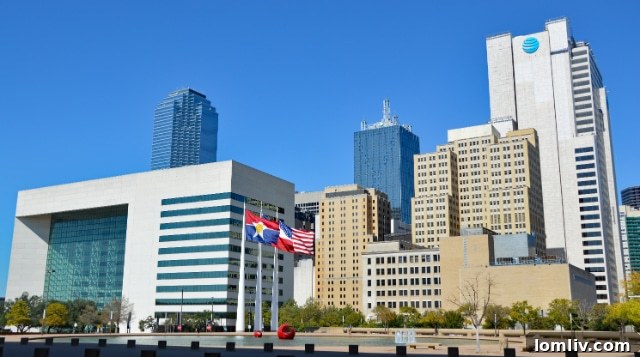
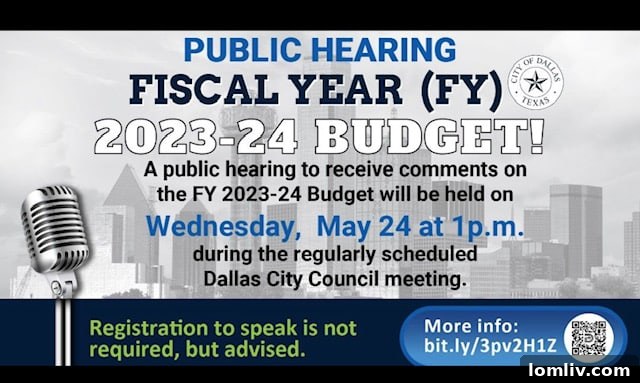
In a city as dynamic and rapidly growing as Dallas, the allocation of public funds is a critical process that directly impacts the quality of life for its residents. The Dallas City Council recently sought public input on its Fiscal Year 2023-24 operating, capital, grant, and trust budget. Despite the profound implications of these financial decisions for every citizen, a striking lack of community engagement characterized the initial public hearing held last month. Only a single resident came forward to address the panel, highlighting a crucial disconnect between civic governance and widespread public participation at this early stage.
The Initial Public Input and Its Challenges
The minimal turnout at the May 24th Dallas City Council meeting can be partly attributed to the procedural timing and preparation for the session. Crucially, no supplemental documents, such as a detailed proposed budget or preliminary financial plans, were posted alongside the agenda for the meeting. This absence of concrete information made it exceedingly difficult for interested parties to formulate specific feedback or comments. Without a clear framework to react to, the opportunity for meaningful dialogue was significantly curtailed, leaving residents with little substantive material on which to base their input or express their priorities.
Public hearings are designed to be a cornerstone of democratic governance, providing a vital platform for citizens to voice their concerns, suggest priorities, and hold their elected officials accountable. When these hearings lack the necessary preparatory materials, their effectiveness is inevitably diminished. For the Dallas budget process to truly reflect the diverse needs and aspirations of its populace, ensuring transparency and providing accessible, detailed information at every stage is paramount. This initial oversight underscores the importance of proactive communication and comprehensive documentation to foster robust public engagement, transforming passive observation into active participation.
One notable voice that did emerge during this early stage was Tekisha Hobbs, representing both the Dallas Bicycle Coalition and Bike Friendly South Dallas. Her presence underscored the critical role of advocacy groups in bringing specific community needs to the forefront, even when broader public engagement is low.
Advocating for Sustainable Urban Mobility and Infrastructure
“I’m here to urge you to prioritize funds for biking and safe alternatives to driving a personal vehicle,” Hobbs passionately stated to the council. Her plea underscored a growing demand within the city for enhanced support for sustainable urban mobility solutions. Hobbs acknowledged the nascent stage of the budget discussions, noting, “While the budget does not show a lot of detail yet, I wanted to be here to highlight some needs that have been missing in the past.” This proactive approach highlights the necessity for advocacy groups to inject their priorities early in the process, ensuring their concerns are considered as the detailed budget takes shape and before final decisions are locked in.
Hobbs specifically pointed to the allocation in the previous Fiscal Year 2022-23 budget, which earmarked $2.5 million for bicycles and the implementation of bike lanes. While any investment is a step forward, she firmly declared, “and that’s not enough.” Her statement reflects a broader sentiment among cycling advocates that Dallas needs to significantly ramp up its commitment to creating a truly bike-friendly environment. Investing in robust cycling infrastructure offers numerous multifaceted benefits, including reducing traffic congestion, improving air quality, promoting public health through increased physical activity, and enhancing the overall livability and appeal of urban spaces. For Dallas to truly evolve into a modern, sustainable city, substantial and consistent investment in multi-modal transportation options, particularly cycling networks, is indispensable, aligning with global trends towards greener urban planning.
The call for more substantial investment in cycling infrastructure also highlights the increasing recognition of alternative transportation as a core component of a city’s capital budget. Beyond operating expenses, capital projects for bike lanes, shared-use paths, and pedestrian improvements contribute to the long-term health and efficiency of a city’s transportation network. This type of infrastructure not only serves current residents but also attracts new businesses and talent who prioritize sustainable living and access to diverse transportation options.
Furthermore, a separate public hearing concerning the proposed 2023-24 consolidated plan budget for U.S. Department of Housing and Urban Development (HUD) grant funds also saw no public comments. This lack of feedback on critical housing and community development funding underscores a pervasive challenge in civic engagement, particularly concerning complex financial documents that directly affect vulnerable populations and neighborhood development initiatives. These federal grants are vital for supporting affordable housing, combating homelessness, and revitalizing low-income communities, making public input on their allocation exceptionally important.
Navigating the Full Dallas Budget Cycle
While the initial public input session saw minimal participation, it’s crucial to understand that this low turnout isn’t necessarily a definitive sign that residents are disinterested in how the city is spending their tax dollars. Often, early-stage budget meetings, especially those lacking specific proposals, tend to attract less attention. Many residents in attendance at the May 24 meeting were primarily there to observe the council’s vote on the contentious Interstate 345 project, an issue that had generated significant public debate and engagement. The full budget process is a multi-stage journey, with opportunities for public feedback intensifying as specific proposals are drafted and refined, typically in the late summer months.
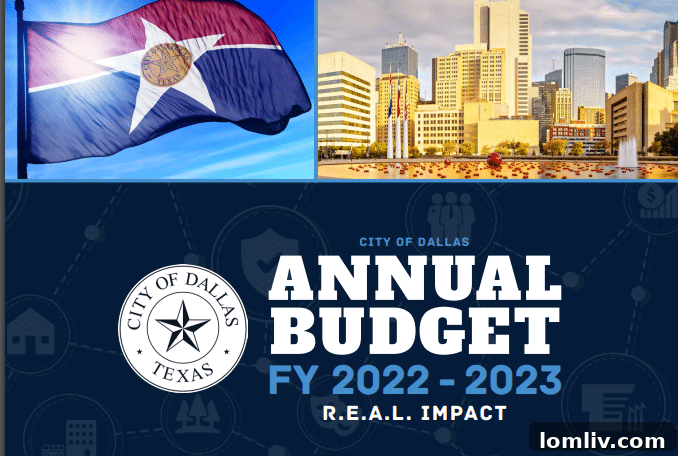
The Dallas City Council previously approved a comprehensive $4.75 billion budget in September of the preceding year. This substantial financial plan outlines the city’s fiscal roadmap for various departments and initiatives, covering everything from public safety and parks to economic development and administrative services. Looking ahead, budget hearings are anticipated to significantly ramp up over the summer months, as Dallas progresses toward adopting its new budget document for the upcoming fiscal year, which officially commences on October 1st. This period, from late summer to early fall, represents the most critical window for residents and advocacy groups to engage, as detailed proposals become available and key decisions are finalized.
Alongside the annual operating budget, city leaders are also actively preparing for a significant 2024 bond election. Bond elections are vital mechanisms for cities to finance large-scale, long-term capital projects that cannot typically be funded through the annual operating budget. These funds are crucial for addressing much-needed infrastructure upgrades, such as road repairs, water and sewer improvements, park enhancements, and public safety facilities. A successful bond election in 2024 would provide Dallas with significant resources to invest in its future, addressing foundational needs that directly impact economic development, public safety, and community well-being for decades to come.
Reflecting on Past Fiscal Achievements and Charting the Future
To understand the context of the current budget discussions, it’s beneficial to reflect on the outcomes and priorities embedded in the previous fiscal year’s budget. In a comprehensive message to Dallas residents at the adoption of last year’s budget, City Manager T.C. Broadnax provided crucial insights into the city’s financial health and strategic investments. Broadnax highlighted that the general fund portion of the budget, which covers essential day-to-day services like public safety, sanitation, and parks, amounted to an impressive $1.7 billion. This represented a substantial $172 million increase, or 11 percent, over the preceding year, signifying a robust commitment to enhancing core city services and responding to the needs of a growing metropolis. This increase allowed for critical investments in various departments, ensuring the city could keep pace with its expansion and maintain service quality.
“The increased funding will allow us to make investments that are important to the residents of Dallas,” Broadnax affirmed. These investments are critical for maintaining and improving the quality of urban life, ensuring that Dallas remains an attractive place to live, work, and thrive. A significant achievement noted by Broadnax was the city’s ability to offer a decreasing property tax rate for the seventh consecutive year. This persistent fiscal discipline, amidst “unprecedented growth in property values,” is a testament to sound financial management and a commitment to easing the burden on homeowners while still generating sufficient revenue to fund essential services.
Specifically, the property tax rate saw a reduction of 2.75 cents, lowering it from 77.33 cents to 74.58 cents per $100 valuation. This tangible reduction directly benefits property owners by decreasing their annual tax liability. Furthermore, in an effort to support vulnerable populations, the city significantly increased the property exemption for residents who are over 65 or living with a disability. This exemption was raised from $107,000 to $115,500, providing much-needed relief to a segment of the population that often faces fixed incomes and rising costs of living. These measures collectively demonstrate a strategic approach to balancing fiscal responsibility with social equity, aiming to foster both economic growth and community welfare across all demographics.
The Road Ahead: Key Milestones in the Budget Formulation Process
The journey towards a fully adopted budget for Fiscal Year 2023-24 is now entering its more intensive phases. The City Manager is slated to present a comprehensive recommended budget to the Dallas City Council in August. This pivotal document will serve as the primary framework for all subsequent discussions and decisions, outlining proposed expenditures, revenue projections, and strategic allocations in meticulous detail. Following its presentation, the budget will undergo a rigorous review process by the City Council, with final approval anticipated in late September, just before the new fiscal year officially commences on October 1st.
During this critical period, Dallas City Council members will play an active and hands-on role, scrutinizing every aspect of the proposed budget. They will have the opportunity to propose amendments, reflecting both their individual priorities and the specific needs and aspirations of their respective districts and constituents. Public feedback remains an integral part of this stage. Through a series of planned public hearings over the late summer and early fall, residents will once again have the chance to provide invaluable input, comment on specific proposals, and directly influence the final shape of the city’s financial blueprint. These hearings are essential for ensuring that the budget genuinely serves the collective interests of all Dallasites, fostering a sense of shared ownership and accountability in the governance of this vibrant and evolving city. Engaging with this process is not merely a civic duty; it is an unparalleled opportunity for every resident to directly contribute to the future direction, sustainability, and prosperity of Dallas.