In our technologically advanced world, electricity is a cornerstone of modern living, so deeply integrated into our daily routines that its presence is often taken for granted. We rarely ponder our profound reliance on it until a power outage brings our lives to a sudden halt. Similarly, the inherent dangers of electricity are often underestimated until a painful incident or near-miss occurs. As professional home inspectors, we routinely uncover instances where homeowners, often with good intentions, inadvertently compromise their safety and the structural integrity of their homes by mishandling electrical systems. These situations underscore a critical need for awareness and respect for the powerful, yet potentially perilous, force that powers our lives.
Understanding and addressing common electrical problems is not merely about convenience; it’s fundamentally about safety. Whether you’re a seasoned homeowner, a first-time buyer, or someone considering a renovation, recognizing potential electrical hazards is paramount. This article delves into real-world examples of electrical issues we frequently encounter during inspections, highlighting the severe consequences of negligence and DIY attempts without proper expertise. Our goal is to empower you with knowledge, encouraging you to prioritize professional electrical work and maintain a vigilant approach to electrical safety within your home. These insights aim to prevent dangerous situations, protect your property, and ensure the well-being of everyone under your roof.
The Peril of the Unseen: An Extremely Close Call with Live Wiring
One of the most terrifying scenarios a homeowner can face is inadvertently striking an electrical wire while performing seemingly innocuous tasks like hanging a picture, mounting a TV, or installing a shelf. This incredibly close call, documented by our inspectors, perfectly illustrates the lurking dangers within our walls and the importance of exercising extreme caution. Imagine the potential disaster narrowly averted by what appears to be sheer luck.
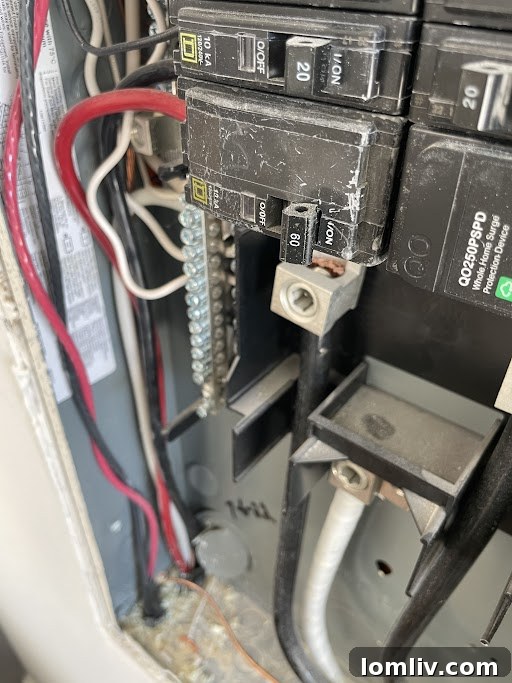
In this alarming incident, a homeowner was drilling a screw into a wall, likely unaware of the hidden electrical pathways behind the drywall. The first photograph provides context, showing an electrical panel box – the heart of the home’s electrical distribution – situated on the same wall. The subsequent close-up image reveals a chilling detail: a screw that had penetrated the wall, coming frighteningly, almost impossibly, close to a live electrical wire. The inspector noted a mark, perhaps from a sharpie, indicating the precise drilling spot. The proximity of this screw to the “hot” wire was mere millimeters; a fraction further to the right, and the screw would have made direct contact, creating a catastrophic electrical short.
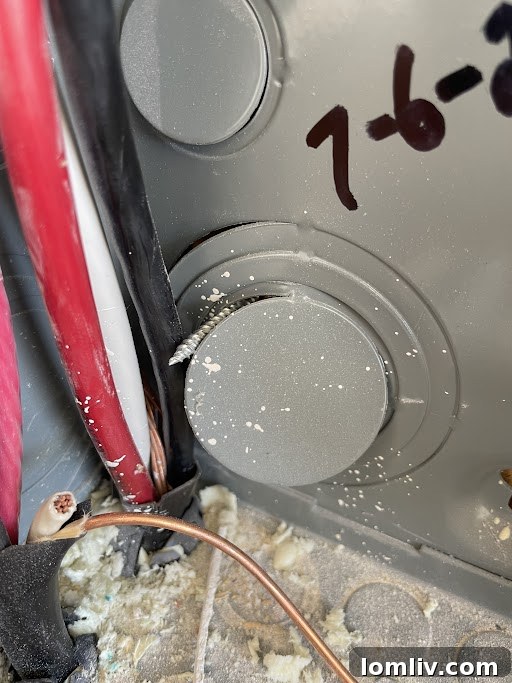
The potential consequences of such an event are severe and multifaceted. For the individual holding the drill, direct contact with a live wire can result in a powerful electrical shock, leading to severe burns, cardiac arrest, or even electrocution. Beyond personal injury, the short circuit could easily ignite a localized electrical fire within the wall cavity, potentially spreading rapidly through the hidden spaces of the home. Furthermore, significant damage to the home’s entire electrical system, including circuit breakers and wiring, could occur, leading to extensive repair costs and prolonged power outages.
This incident serves as a stark reminder of the hidden complexities of a home’s infrastructure and the critical importance of exercising extreme caution when undertaking any work on walls. Before drilling, cutting, or nailing into any wall, always utilize a reliable stud finder equipped with electrical wire detection capabilities. These devices can identify not only the location of studs but also the presence of live electrical wires, plumbing pipes, and other hidden obstacles. Additionally, it is always wise to turn off the power to the circuit you are working near at the main electrical panel as an extra layer of protection. This simple precaution can mean the difference between a minor home improvement project and a life-threatening emergency, safeguarding both your personal well-being and the structural integrity of your property.
Crucial Code Violations: Where an Electrical Panel Should NEVER Be Placed
Home renovations are exciting, offering the promise of improved aesthetics and functionality. However, some design choices, particularly those made without professional consultation, can create dangerous and costly code violations. A classic example we often encounter revolves around the misplaced electrical panel, especially when it’s tucked away in a bathroom. The thought process might be: “If we add a bathroom right here, it’ll really boost the value. We can just tuck the electrical panel into this little nook to keep it out of sight.”
This seemingly clever solution is, in fact, a significant and dangerous code violation. According to the National Electrical Code (NEC) and most local building codes, an electrical panel, also known as a service panel or breaker box, is strictly prohibited from being located in a bathroom. The rationale behind this rule is straightforward and critical: water and electricity are an exceptionally hazardous combination. Bathrooms are inherently damp and humid environments where the risk of water exposure is significantly higher. Splashing water from a sink, shower, or even accumulated humidity can lead to corrosion of the panel’s internal components, increasing the risk of short circuits, electrical fires, and dangerous electrical shocks. Furthermore, the presence of a metal electrical enclosure in an environment where people are often wet or barefoot dramatically elevates the risk of electrocution if contact is made during an electrical fault.
Beyond the direct dangers of water, electrical panels must be readily accessible at all times for safety and maintenance. In an emergency, such as an electrical fire or a short circuit, quick access to the main breaker is paramount for shutting off power to the entire home. Placing a panel within a bathroom often means it’s located behind a door, within a vanity, or in an awkward corner, impeding quick access. This also complicates routine maintenance, repairs, or upgrades by electricians, who require a clear, dry, and safe working space around the panel.
Rectifying such a code violation is often expensive and disruptive. Once a bathroom has been built around or in front of an electrical panel, the only compliant solution is to relocate the panel to an approved, dry, and accessible area of the home. This involves significant electrical work, including rerouting circuits, potentially extending or replacing wiring, and patching walls, all of which add substantial unforeseen costs to a renovation project that was likely intended to save money or add value. It is a stark reminder that while aesthetics are important, adherence to electrical safety codes is non-negotiable for the long-term safety and value of your property.
Here’s an example captured during an inspection, showcasing a panel unwisely located within a bathroom setup. This illustrates why professional guidance from the outset of any renovation project is crucial.
@greenscenehome Just because you don’t want to pay to move the panel doesn’t mean it’s a good idea. #askahomeinspector #renovationfail #diyfail #electrocution
♬ original sound – Green Scene Home Inspections
Renovation Fail: The Dangers of an Obstructed Electrical Panel
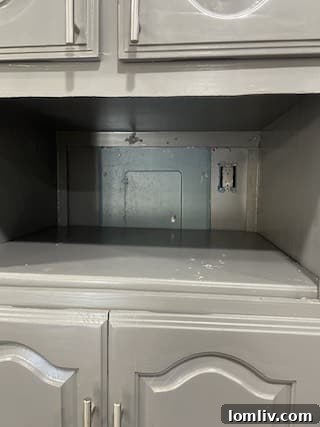
While the previous example focused on *where* not to place an electrical panel, this “Renovation Fail” highlights another critical aspect of electrical safety: maintaining clear access to the panel. During home improvement projects, functionality and aesthetics often clash, sometimes with dangerous results. A common scenario involves homeowners or contractors prioritizing cabinet installation or storage solutions over the essential requirement for unobstructed access to the electrical panel. The mindset might be, “I don’t care what that essential gray box is, I need my cabinets installed *right there* for maximum storage!”
This approach, unfortunately, creates a serious safety hazard and a significant code violation. Electrical panels are not merely “ugly gray boxes”; they are vital safety devices designed to protect your home from overcurrents and potential electrical fires. The National Electrical Code (NEC) mandates a dedicated clear working space around an electrical panel. This typically requires a minimum of 30 inches wide, 36 inches deep, and 6 feet 6 inches high (or the height of the equipment, whichever is greater) of clear space directly in front of the panel. This zone must remain unobstructed by any permanent fixtures, storage, or appliances. The reasoning is clear: in an emergency, every second counts.
An obstructed electrical panel presents several grave risks:
- Delayed Emergency Access: In the event of a circuit overload, a fire, or a need to quickly shut off power, an obstructed panel can delay crucial access, potentially exacerbating the situation and increasing damage or injury.
- Maintenance and Repair Difficulties: Electricians require a safe and ample working area to inspect, maintain, or repair the panel. Cluttered or obstructed spaces make their job more difficult, riskier, and potentially more expensive due to the added time required to clear the area.
- Overheating Risk: While not as common, severely obstructed panels can sometimes experience reduced airflow, contributing to heat buildup, especially if the panel is already operating near its capacity.
- Code Violations: Such installations are direct violations of electrical codes, which can lead to failed inspections, difficulty selling the home, and potential issues with insurance claims if an electrical incident occurs.
The image provided perfectly illustrates such a “Renovation Fail,” where cabinets have been installed directly in front of or too close to the main electrical panel. To rectify this, the installed cabinetry would likely need to be removed or significantly altered to restore the required clear working space. This costly oversight could have been easily avoided with proper planning and consultation with a licensed electrician or adherence to basic electrical safety guidelines during the renovation phase. Always remember that functionality and safety must take precedence over purely aesthetic considerations when it comes to vital home infrastructure.
The Grave Error: Why You Must Never DIY Electrical Work
The allure of saving money and the satisfaction of a self-completed project often tempt homeowners into tackling DIY tasks. However, when it comes to electrical work, this “DIY mentality” can lead to catastrophic consequences. The example titled “DIY Fail” is a stark, almost unbelievable, illustration of the dangers inherent in untrained individuals attempting complex electrical installations. It seems legitimate to the untrained eye, but it is anything but safe. We have emphasized this point repeatedly, and we will continue to stress it with utmost gravity: DO NOT ATTEMPT DIY ELECTRICAL WORK.
Electrical systems are intricate, governed by stringent codes and requiring specialized knowledge, tools, and experience. Unlike painting or gardening, even a minor mistake in electrical wiring can have lethal repercussions. The risks associated with improper DIY electrical work are profound and include:
- Electrocution and Severe Shock: Direct contact with live wires due to incorrect wiring, improper insulation, or faulty connections can lead to fatal electrocution or severe, life-altering electrical shocks.
- Electrical Fires: Incorrect wire gauges, loose connections, overloaded circuits, or improper grounding are common DIY errors that generate excessive heat, easily igniting surrounding materials within walls or ceilings. Electrical fires are notoriously difficult to contain and can devastate a home rapidly.
- Damage to Appliances and Electronics: Incorrect voltage, improper grounding, or fluctuating current caused by amateur wiring can irrevocably damage expensive appliances, electronics, and sensitive computer equipment.
- Code Violations and Legal Issues: Unlicensed electrical work almost always results in code violations. These can lead to failed home inspections, difficulties obtaining homeowner’s insurance or making claims, and significantly devalue your property when it comes time to sell. In some jurisdictions, performing electrical work without a permit or license is illegal.
- Hidden Dangers: The most insidious aspect of DIY electrical errors is that they are often hidden behind walls and ceilings, silently posing a threat for years before manifesting in a sudden, dangerous failure.
The provided “DIY Fail” example, likely a non-standard and highly unsafe lighting installation, speaks volumes about the lack of understanding and disregard for safety protocols. Installing a light fixture, or any electrical component, requires precise knowledge of circuit capacity, proper grounding techniques, junction box requirements, and the correct use of wiring devices.
@greenscenehome Let’s see, I need a light RIGHT HERE. #DIYFail #homeinspectionfinds #askahomeinspector #dallashomeinspector #austinrealestate #dfwrealestate #diy
♬ original sound – Green Scene Home Inspections
We cannot overstate the importance of hiring a licensed and qualified electrician for any electrical work beyond simply changing a light bulb or plugging in an appliance. Professionals possess the necessary training, certifications, and insurance to perform the work safely and in compliance with all local and national codes. They understand the intricacies of electrical systems, ensuring both immediate safety and long-term reliability. When making electrical updates or repairs, bypass YouTube tutorials and online forums for electrical guidance and instead, invest in the expertise of a professional. Your safety, your family’s safety, and the integrity of your home depend on it.
Essential Electrical Safety Tips for Every Homeowner
Beyond the specific examples of DIY mishaps and code violations, general electrical safety practices are crucial for every homeowner. By adopting a proactive approach and adhering to fundamental safety guidelines, you can significantly reduce the risk of electrical hazards in your home. These tips, combined with professional inspections, form a robust defense against potential dangers:
- Understand Your Electrical Panel: Familiarize yourself with your home’s main electrical panel. Know where it’s located, how to safely trip and reset individual breakers, and how to shut off power to the entire house in an emergency. Ensure the panel directory is legible and accurate, clearly labeling which breaker controls which part of the house.
- Never Overload Outlets or Circuits: Avoid plugging too many appliances into a single outlet or extension cord. This can draw more current than the circuit is designed to handle, leading to overheating, tripped breakers, or even electrical fires. Use power strips with surge protection for multiple devices, but be mindful of the total wattage.
- Inspect Cords and Plugs Regularly: Routinely check electrical cords for fraying, cracks, or exposed wiring. Replace damaged cords immediately. Never use an appliance with a damaged cord or plug. Ensure plugs fit snugly into outlets; loose plugs can generate heat and cause fires.
- Install GFCI and AFCI Protection: Ground Fault Circuit Interrupters (GFCIs) protect against electric shock, especially in areas where water might be present (bathrooms, kitchens, laundry rooms, outdoors). Arc Fault Circuit Interrupters (AFCIs) protect against electrical fires caused by arc faults in wiring. Ensure these vital safety devices are installed and functioning correctly in your home, and test them monthly according to manufacturer instructions.
- Use Proper Wattage Bulbs: Always use light bulbs that match the recommended wattage for your fixtures. Over-wattage bulbs can generate excessive heat, potentially melting wiring insulation, damaging the fixture, or igniting nearby combustible materials.
- Keep Appliances Away from Water: Never use electrical appliances near water sources, especially in bathrooms or kitchens. The risk of electric shock is significantly heightened when electricity comes into contact with water.
- Maintain Clear Space Around Electrical Equipment: As highlighted in the “Renovation Fail” section, ensure electrical panels, outlets, and heavy-duty appliance connections (like water heaters or furnaces) are always clear of obstructions to allow for proper ventilation and emergency access.
- Educate Children About Electrical Safety: Teach children about the dangers of electricity from a young age. Instruct them never to play with outlets, pull on cords, or stick objects into electrical sockets. Use safety caps on unused outlets.
- Know When to Call a Professional: Any persistent electrical issue—flickering lights, frequently tripped breakers, outlets that don’t work, burning smells, or humming sounds from outlets or the electrical panel—warrants immediate attention from a licensed electrician. Do not attempt to diagnose or fix these problems yourself.
- Schedule Regular Home Electrical Inspections: Consider having a professional electrical inspection every few years, especially in older homes or after significant renovations. A certified home inspector or electrician can identify hidden issues, code violations, and potential hazards before they escalate into dangerous problems.
By integrating these safety practices into your routine, you contribute significantly to creating a safer living environment for yourself and your loved ones. Electricity is an invaluable utility, but it demands respect, vigilance, and, when necessary, the expertise of trained professionals.
Conclusion: Prioritizing Professionalism for Electrical Safety
The examples and insights shared throughout this article serve as a powerful testament to the critical importance of electrical safety in our homes. From the near-catastrophe of drilling into live wires to the dangerous misplacement and obstruction of essential electrical panels, and the pervasive risks of amateur DIY wiring, the message is unequivocally clear: electricity is not a domain for guesswork or casual experimentation. The hidden complexities and inherent dangers of home electrical systems demand respect, vigilance, and, most importantly, professional expertise.
As home inspectors, our role is to identify these potential hazards and educate homeowners on how to mitigate risks, ensuring their property remains safe and compliant with established codes. We’ve seen firsthand how seemingly minor oversights can lead to severe consequences, including personal injury, devastating fires, and significant financial burdens for repairs. The temptation to cut costs or accelerate projects through DIY methods, while understandable, can have dire and long-lasting repercussions when it comes to electrical work.
For any electrical installations, repairs, or significant upgrades, the investment in a licensed, insured, and qualified electrician is not merely an expense; it is an indispensable investment in the safety and longevity of your home. Professional electricians possess the extensive training, up-to-date knowledge of electrical codes, and specialized tools necessary to perform the work correctly and safely the first time. They ensure that your home’s electrical system is not only functional but also secure, efficient, and compliant with all regulatory standards.
Beyond professional installations, adopting a proactive approach to electrical safety through regular maintenance, awareness of common hazards, and timely professional inspections will fortify your home against unforeseen dangers. Always remember to prioritize safety over convenience or cost-cutting measures when dealing with electricity. Your vigilance, combined with the expertise of certified professionals, is the most effective strategy for protecting your home and, more importantly, the lives of those who dwell within it. Don’t compromise on electrical safety; choose professionalism, choose peace of mind.