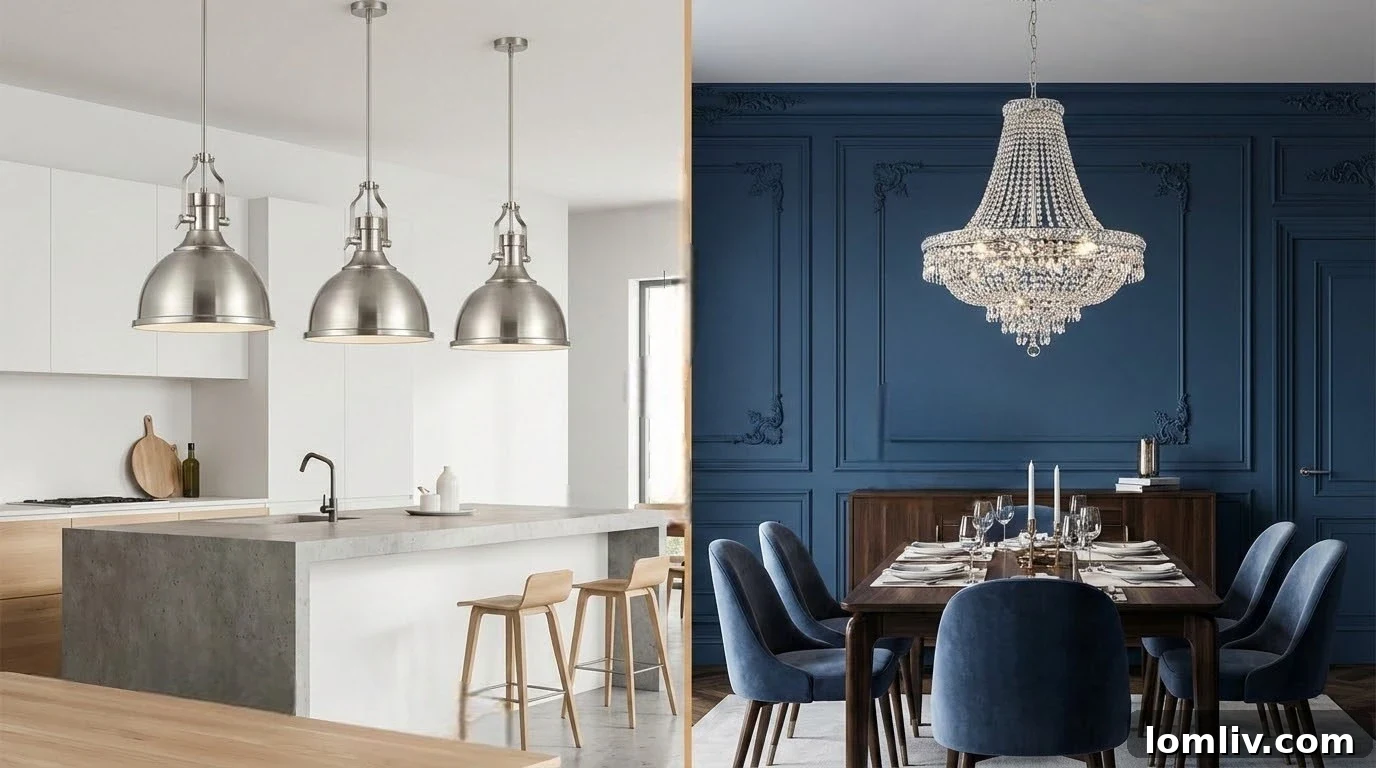
In contemporary interior design, the notion of perfectly matching every metal finish in a room has become an outdated concept. Modern aesthetics celebrate individuality and depth, making the strategic mixing of metals a cornerstone of sophisticated home decor. A truly exceptional lighting plan rarely adheres to a single metal finish; instead, it thoughtfully combines different tones and textures to infuse a space with character, dimension, and undeniable visual intrigue. This guide delves into the art of mixing metals in your lighting design, offering actionable tips to help you craft a layered, intentional, and effortlessly chic look for your home. By integrating warm and cool tones, you can achieve a design that feels fresh, curated, and utterly well-considered, moving beyond the monotonous and into a realm of dynamic elegance. Achieving this harmonious blend allows your lighting fixtures to become more than just functional elements; they transform into captivating pieces that beautifully tie in with your furniture, hardware, and architectural details, all without appearing overly coordinated or “matchy-matchy.” Many current lighting collections, especially modern chandeliers, already embrace this multifaceted approach, skillfully combining brass, copper, black, silver, and crystal accents to offer greater design flexibility and create a more impactful visual statement.
Mastering the Mix: Beginning with One Dominant Finish as Your Visual Anchor
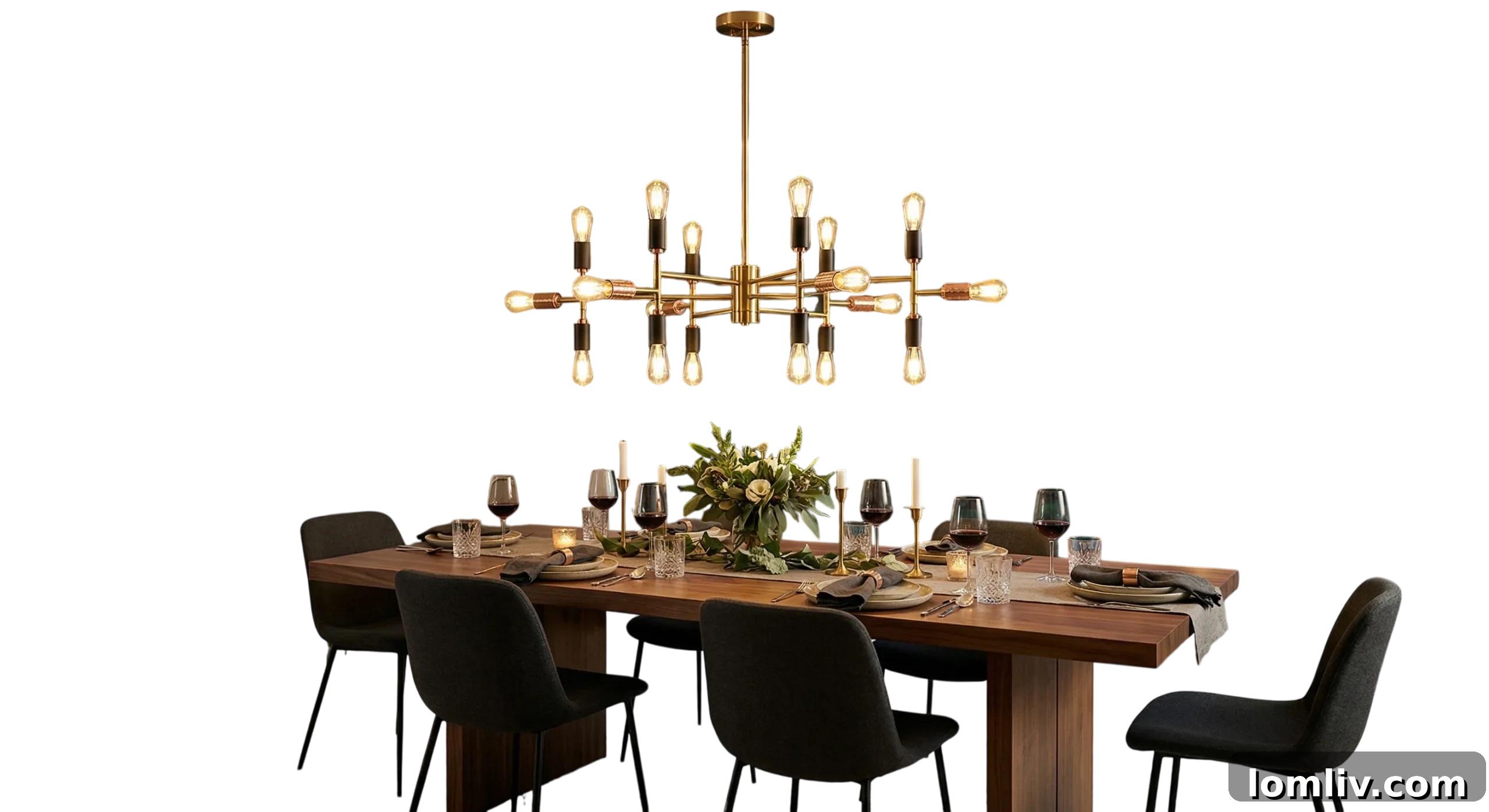
The most straightforward and effective strategy for successfully mixing metals in your interior design scheme is to establish one dominant finish as your foundational visual anchor. This approach simplifies the design process, making it accessible even for those new to the concept of eclectic metal mixing. If you explore various lighting stores specializing in modern fixtures, you’ll quickly observe that many contemporary chandeliers and pendant lights already incorporate this principle. They often feature a primary metal finish for the main frame or structure, then introduce a secondary, complementary finish through smaller, intricate details or accents. This intelligent layering prevents visual chaos and ensures a cohesive aesthetic.
The dominant finish typically graces the largest and most prominent components of the lighting fixture. This could be the robust frame of a grand chandelier, the extended arm of a sleek pendant light, or the sturdy ceiling mount that anchors the entire piece. By selecting this main finish first, you set the overarching tone and style for your lighting element. Once this primary choice is made, other metallic accents can be introduced more sparingly, appearing in minor details such as caps, decorative chains, or even integrated glass or crystal elements. This careful distribution ensures that the secondary metals enhance, rather than overwhelm, the room’s overall design. For instance, a large brushed nickel chandelier can serve as a cool and modern anchor, while smaller brass details on nearby table lamps or decorative objects add a touch of warmth without competing for attention.
- Warm metals like polished brass, antique gold, and burnished copper are excellent choices for softening the ambiance of inviting dining rooms, cozy living spaces, and elegant bedrooms, imparting a luxurious and welcoming glow.
- Matte black stands out as a versatile and powerful finish, exceptionally well-suited for grounding modern and industrial-inspired spaces. Its understated sophistication provides a strong visual contrast and defines architectural elements with sleek precision.
- Silver-toned metals such as polished chrome, brushed nickel, and stainless steel possess inherent reflective qualities that maximize light dispersion, helping rooms feel significantly brighter, more expansive, and overtly contemporary.
Adopting this strategic approach to mixing metals not only prevents your room from feeling visually disjointed but also masterfully allows for dynamic contrast and sophisticated layering. It creates a balanced and deliberate aesthetic where each finish plays a crucial role in the overall narrative of your interior design, contributing to a truly personalized and polished environment.
Harnessing Contrast: Making Your Lighting a Striking Statement Piece
The true magic of mixing metals often lies in the artful deployment of contrast. When executed thoughtfully, this technique elevates your lighting from mere illumination to an undeniable focal point. Mixing metals works most effectively when the chosen finishes are distinct enough to stand apart and offer visual separation, yet still possess an underlying connection that integrates them seamlessly with the broader aesthetic of the room. This delicate balance ensures that while your lighting makes a statement, it also feels like an integral part of the overall design scheme, rather than an arbitrary addition.
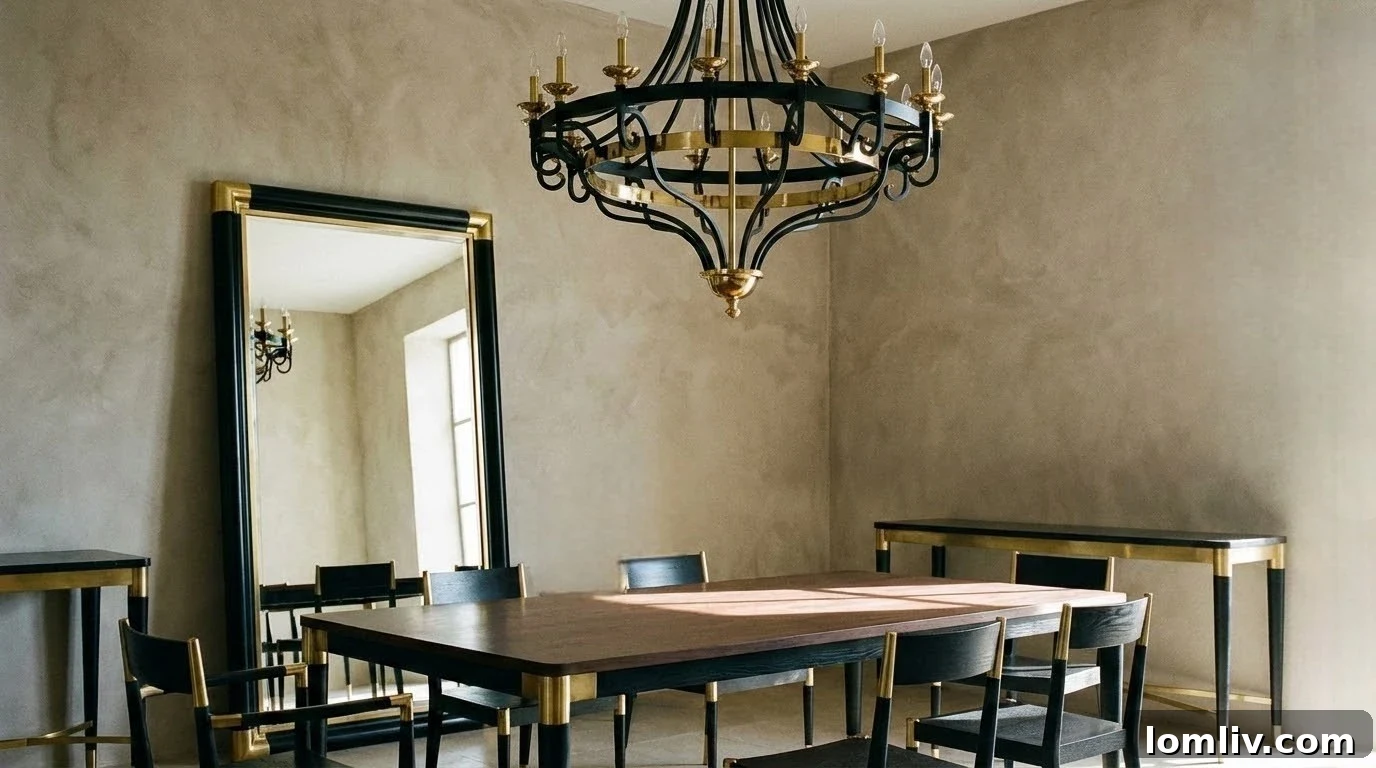
Consider, for example, the sophisticated pairing of a warm brushed brass with the stark, grounding presence of black framing. This classic combination is particularly potent in modern and transitional settings. A chandelier featuring this blend can dramatically stand out, especially when positioned against neutral-toned walls, which allow the metallic elements to truly pop. The contrast between the rich warmth of the brass and the cool boldness of the black creates a dynamic tension that draws the eye upward, highlighting the fixture’s design and making it a central feature of the space. Such a combination not only adds visual weight but also injects a sense of refined drama and contemporary flair.
In various modern home styles, the impact of contrast is amplified when these contrasting metal combinations are subtly repeated throughout the room in smaller, complementary details. For instance, a stunning black and gold chandelier can find its echo in the room’s design through meticulously chosen elements like cabinet pulls, the elegant frames of mirrors or artwork, or even the slender legs of a chic chair or a sophisticated coffee table. When you deliberately repeat that specific metallic combination in more than one area of the room, the mixed metals transcend accidental placement. Instead, they become a clear, intentional design choice, signaling a curated and thoughtful approach to interior styling. This repetition creates a visual rhythm and a sense of cohesion, ensuring that the diverse metallic elements converse with each other, enhancing the room’s overall narrative and professional finish.
Achieving Harmony: Balancing Warm and Cool Metals Across the Room
To cultivate an interior that feels truly polished and professionally designed, it’s crucial to distribute your metal finishes thoughtfully across the entire room, rather than concentrating them in a single area. Rooms achieve a much greater sense of cohesion and visual balance when warm and cool metal tones are strategically spread, allowing them to interact and complement each other from various vantage points. This approach prevents any single area from feeling overwhelming or monochromatic, instead fostering a dynamic and inviting atmosphere.
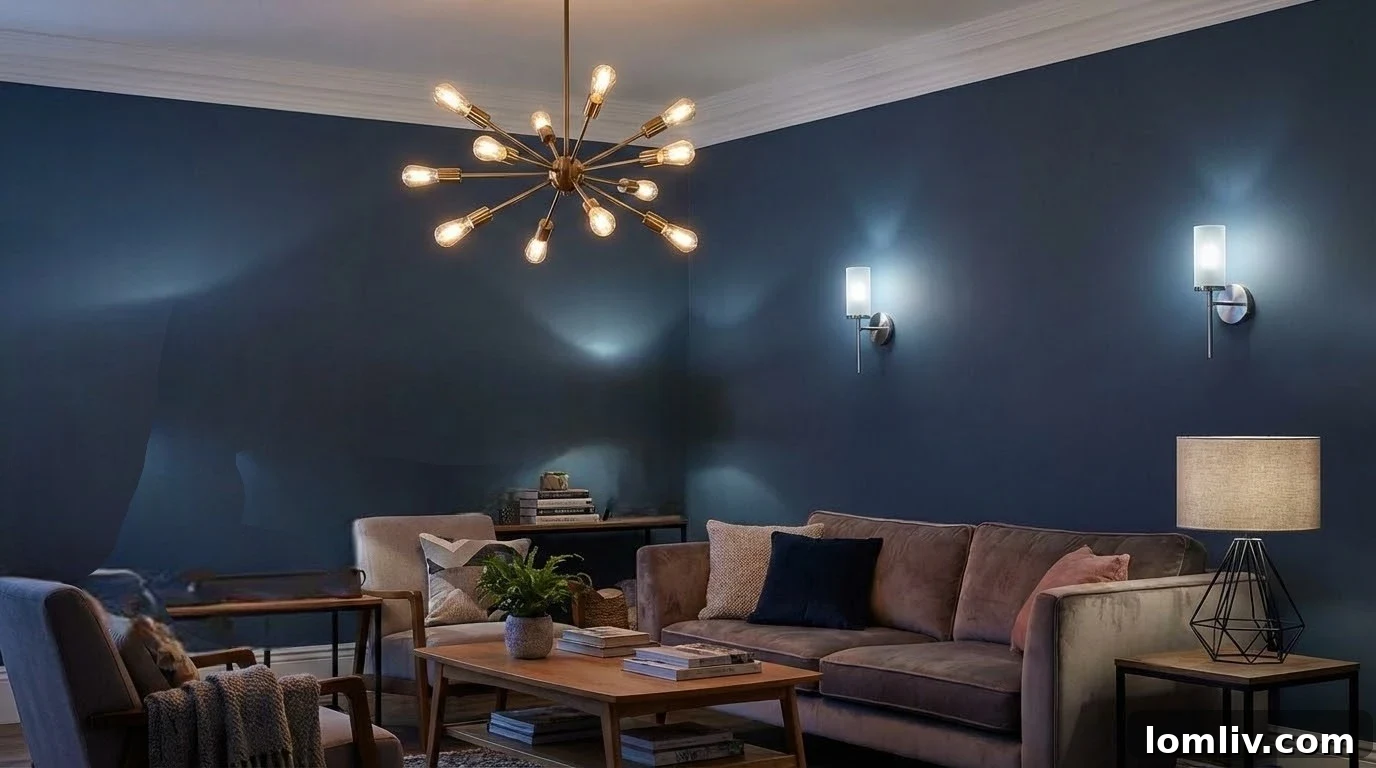
For example, if your central chandelier introduces a rich, warm finish like brass or antique gold, you can achieve perfect equilibrium by integrating cooler metal finishes elsewhere in the room. This could manifest as sleek brushed nickel wall sconces, contemporary chrome table lamps, or even stainless steel accents on furniture. This purposeful juxtaposition ensures that the warmth of one metal is tempered by the crispness of another, resulting in a harmonious and sophisticated palette. The key is to consider metals as part of a dialogue within the space, where each finish contributes to a balanced conversation.
- Pair warm chandelier finishes, such as polished brass or burnished copper, with cooler-toned lighting fixtures like chrome wall sconces, brushed nickel floor lamps, or sleek matte black table lamps. This creates a compelling contrast and ensures no single metallic hue dominates the room.
- Ensure each chosen metal tone appears at least twice in different areas of the room. This repetition is subtle but vital for creating a sense of intentionality and continuity. For instance, if you use polished chrome for your kitchen faucet, consider echoing it with chrome pulls on your cabinetry or the base of a counter stool.
- Let those finishes show up at different heights around the room. This multi-level placement is essential for guiding the eye throughout the entire space, from ceiling to floor. A brass chandelier at ceiling height, complemented by a brushed nickel wall sconce at eye level, and a matte black table lamp on a side table, illustrates this principle perfectly. Varying heights prevent the room from feeling flat and encourage visual exploration.
This deliberate kind of placement is incredibly effective in drawing the eye across the entire space, inviting occupants to take in every detail. Rather than feeling out of place or appearing as an afterthought, your lighting fixtures transcend their functional purpose to become an active, integrated, and vital part of the room’s overarching design narrative. This thoughtful distribution of metals not only enhances visual interest but also contributes significantly to the perceived depth and sophistication of your home, making every element feel perfectly chosen and positioned.
Stylistic Harmony: Matching Finish Intensity to Fixture Style
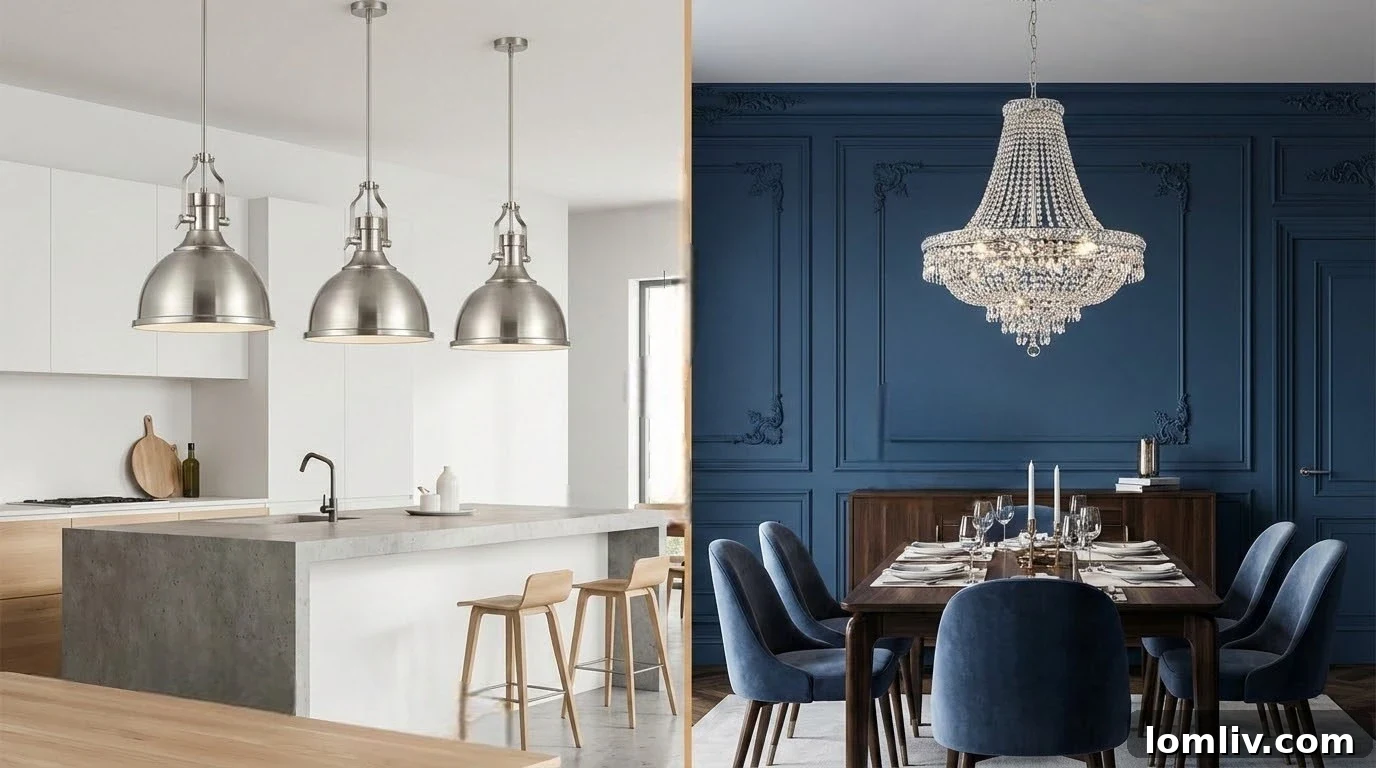
The impact of a metal finish extends far beyond its color; its intensity and texture play a pivotal role in dictating the overall mood and style a lighting fixture conveys. Not all metal finishes create the same effect, and understanding these nuances is key to selecting pieces that align perfectly with your desired aesthetic. Highly shiny, polished surfaces, for instance, are inherently reflective, designed to bounce a significant amount of light and draw immediate attention. They exude glamour, formality, and a sense of luxury, often becoming the sparkling jewels of a room.
In stark contrast, a brushed, satin, or matte finish offers a distinctly different appeal. These surfaces do not reflect light as intensely; instead, they absorb it, resulting in a softer, more understated glow. This quality makes them feel more architectural and grounded, lending a sophisticated, contemporary edge to any space. These days, you’ll observe that many modern chandeliers and pendant lights frequently feature a brushed or matte appearance. These styles are exceptionally popular right now, even extending to functional areas like staircase lighting, where their ability to highlight clean lines and minimalist forms is highly valued. The beauty of these finishes lies in their capacity to enhance a fixture’s design without creating unnecessary glare or overwhelming visual dominance, perfect for contemporary and minimalist interiors.
Conversely, more ornate and elegant fixtures, particularly those adorned with intricate crystal details or elaborate glasswork, typically benefit immensely from combining polished finishes with other highly reflective materials. The brilliant gleam of polished chrome, lustrous brass, or mirrored accents, when paired with the refractive qualities of crystal, works in synergy to magnify light. This deliberate mix helps to beautifully scatter and bounce light around the room, creating dazzling patterns and an opulent, sparkling ambiance. Such combinations are ideal for spaces aiming for a touch of classic luxury, grand elegance, or a dramatic focal point where light itself becomes a decorative element. By thoughtfully aligning the intensity of your metal finish with the inherent style and materials of your lighting fixture, you ensure a cohesive, impactful, and visually captivating design that truly complements your home’s unique personality.
Conclusion: Crafting a Harmonious Home with Mixed Metal Lighting
Successfully blending metal finishes in your lighting design is a nuanced art that goes far beyond simply grouping different metals together. It is about understanding how each finish contributes to the overall balance, aesthetic, and style of the room. The most compelling designs arise not from cramming in as many metals as possible, but from a thoughtful selection where each finish serves a purpose, enhances cohesion, and supports the desired atmosphere. Whether you’re selecting a bold, sculptural chandelier frame to be a room’s centerpiece, or choosing a smaller, understated accent piece from a specialized lighting store, the guiding principle should always be how these finishes interact and complement one another.
By consciously considering the interplay of warm and cool tones, the power of contrast, the strategic distribution of finishes, and the alignment of finish intensity with fixture style, you can elevate your interior design to a professional standard. This deliberate approach ensures that your lighting not only provides essential illumination but also feels like an organic, integral part of the room’s personality. The result is a space that exudes depth, visual interest, and a meticulously designed quality that is both inviting and inspiring, transforming your house into a truly curated and captivating home.