Historic Tudor Elegance: A Masterful Renovation at 720 Nesbitt Drive in Dallas
Nestled between the vibrant thoroughfares of Gaston and Abrams, you’ll discover a collection of Dallas’s most charming and historically rich neighborhoods. Among them, Munger Place Heights stands out as a true gem. Wander through its tree-lined streets, where mature oaks gracefully intertwine overhead, casting dappled sunlight onto perfectly manicured lawns. This isn’t just a place to live; it’s a community where front porch gatherings are a cherished tradition, and neighbors know not only your name but also your dog’s. Owning a home in such a coveted locale often means settling down for good, a testament to its irresistible appeal. However, for a select few, like the renowned preservationist Karl Braddick, these exquisite properties serve as canvases for their passion, transforming them before moving on to the next historical treasure.
Karl Braddick: A Legacy of Meticulous Preservation
Karl Braddick is no ordinary renovator; he is a visionary dedicated to the art of historic preservation. His approach to restoring period homes is imbued with a profound respect for their original integrity and architectural heritage. Since 1984, Braddick has devoted his expertise to revitalizing properties in Dallas and beyond, earning him a reputation as a master craftsman. His impressive portfolio includes an 1886 Queen Anne residence in Wellington, Kansas, which garnered two preservation awards and secured a coveted spot on the National Register for Historic Places. Closer to home, Braddick’s exceptional work has been recognized by Preservation Dallas, awarding him for best residential preservation in 2001 and 2003. These accolades underscore his unparalleled skill and unwavering commitment to preserving the beauty and history of each structure he touches. When Karl Braddick undertakes a project, you can be assured it is handled with the utmost care and architectural acumen.
720 Nesbitt Drive: A Tudor Gem Reimagined in Junius Heights
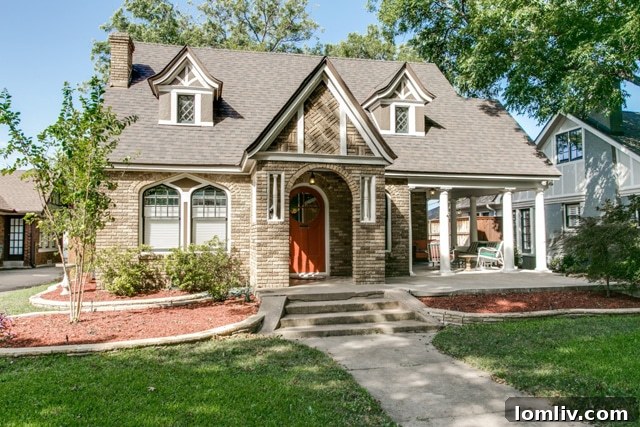
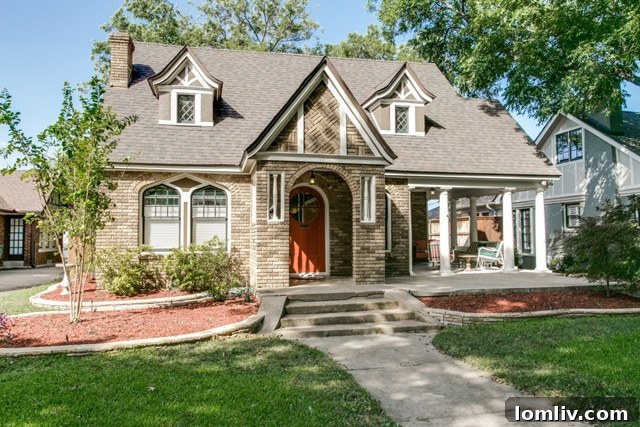
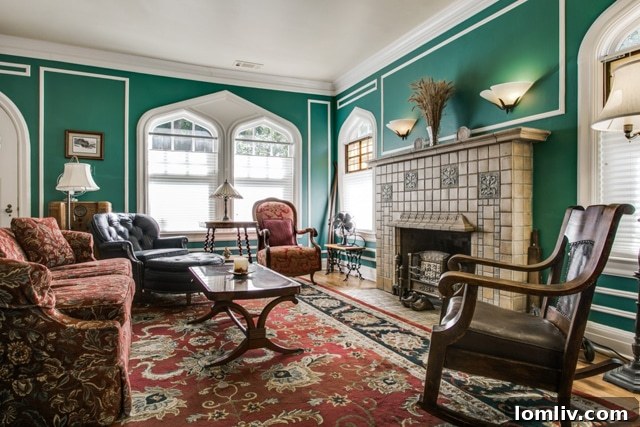
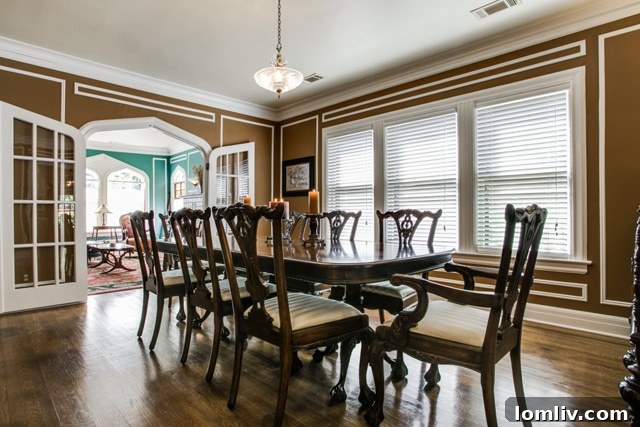
Braddick’s latest masterpiece is 720 Nesbitt Drive, a magnificent Tudor-style home constructed in 1925. Located within the esteemed Junius Heights Historic District, this property is currently listed for $699,000 by Mary Thompson of David Bush Realtors. Spanning an impressive 3,300 square feet, this five-bedroom, four-bath residence is a testament to absolute perfection, meticulously restored to blend its original grandeur with contemporary luxury. Stepping inside, you are immediately transported to an era of refined craftsmanship. The home boasts exquisite Gothic Revival windows and doors, a stunning Rookwood fireplace that serves as a focal point, and intricate leaded glass dormers that bathe the interiors in soft, natural light. The extensive wall molding throughout the house is a visual delight, sure to captivate admirers of classic architectural details. For a touch of nostalgic charm, one of the bathrooms features a delightful claw-foot tub, perfectly positioned to offer serene views of the sky. This is truly a slice of heaven, inviting prospective homeowners to experience its unique charm.
An Exclusive Interview with Karl Braddick: The Vision Behind the Restoration
To truly understand the artistry and dedication behind the renovation of 720 Nesbitt Drive, we sat down with Karl Braddick himself, delving into his philosophy and process.
What first drew you to the intricate world of renovating period homes?
Karl Braddick: My passion for historic homes stems from a deep satisfaction I get from returning them to their original splendor, making them look as they did when first built. There’s a profound connection to history in every beam and every detail. Beyond that, I genuinely enjoy the hands-on aspect of the work. The tactile process of working with historical materials and uncovering the stories embedded within the architecture is incredibly rewarding for me.
What was it about 720 Nesbitt Drive that particularly captured your attention?
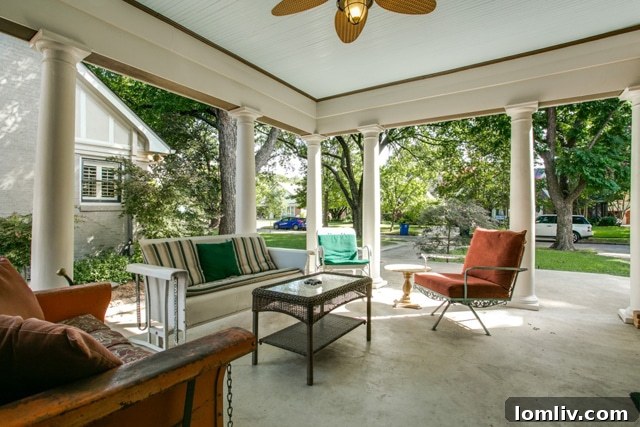
Karl Braddick: What immediately drew me to this property was its remarkably preserved state. The house was approximately 95 percent original. Many historic homes I encounter have been “re-muddled” over the years, suffering from ill-conceived alterations that strip away their character. This house, however, had largely escaped that fate. The only significant element missing was the original kitchen. Crucially, all the vital architectural elements were either intact or merely covered up, like the front porch, waiting to be rediscovered. While it had been a rental property for about two decades and showed signs of deferred maintenance, its essential architectural integrity remained untouched, presenting a perfect canvas for a respectful restoration.
Do you typically have a complete master plan from the outset, or does your vision evolve as you work on a property?
Karl Braddick: For me, every house restoration is an organic process; the plan almost always evolves. I begin by identifying and understanding the existing historic elements, which then inform the basic framework for the renovation. My primary goal is always to restore the house to its original architectural intent, making any necessary modern changes appear as though they were always part of the initial design. This means meticulously keeping all original architectural elements in place whenever possible. Occasionally, elements are missing, which then requires research – driving around to observe other period homes in the area for inspiration, or carefully deciphering “paint ghosts” and other subtle clues that reveal the original design. It’s a continuous dialogue with the house itself.
Is working on period homes inherently more challenging than modern constructions?
Karl Braddick: I believe it is for most people. Working with older structures requires a different skill set and a unique problem-solving approach. However, having dedicated myself to this field for so long, I’ve developed an instinctive understanding of how to navigate the common roadblocks and unforeseen challenges that often arise during historic renovations. My extensive experience allows me to anticipate issues and implement solutions that respect the home’s age while ensuring structural integrity and modern functionality.
You excel at harmonizing vintage aesthetics with the modern amenities homeowners desire today. Can you share some examples of accomplishments you’re particularly proud of?
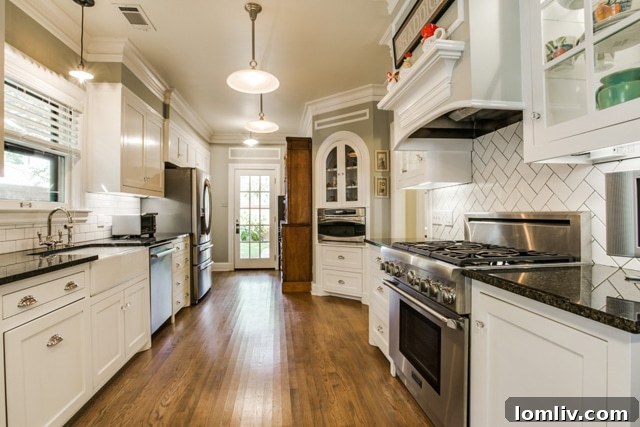
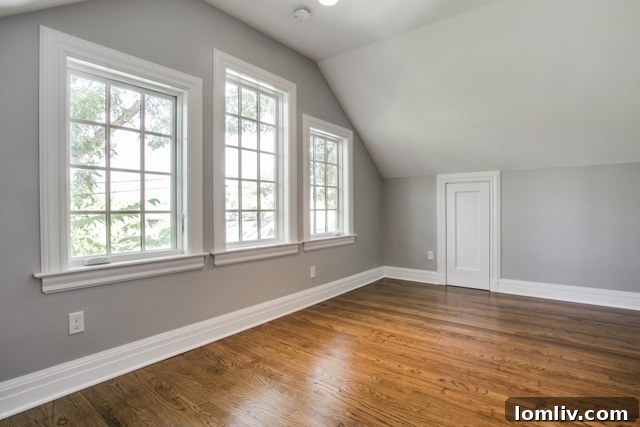
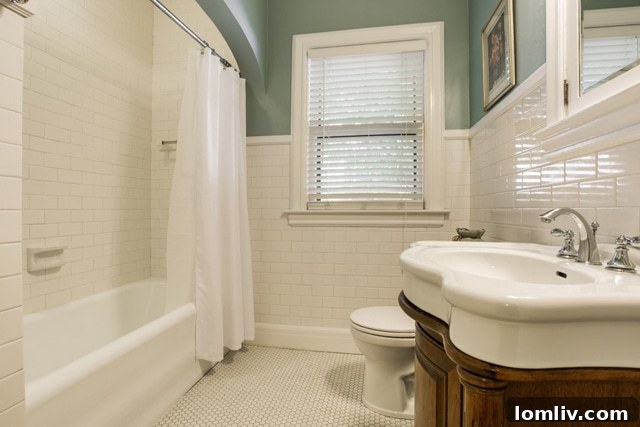
Karl Braddick: The kitchen is certainly one area where this balance shines through. It incorporates all the contemporary conveniences and high-end finishes expected by today’s homeowners, yet it’s designed to seamlessly integrate with the home’s original character, appearing as if it were always there. Similarly, the bathrooms feature modern fixtures and functionality, but their historic charm has been meticulously preserved. Even the attic, which has been completely transformed into new living space with recessed lighting, maintains a historic feel. This is achieved by extending the same trim and door styles used downstairs, and by selecting tile types for the bathrooms that are consistent with what would have been used when the house was originally built. These details are crucial for maintaining authenticity while delivering modern comfort.
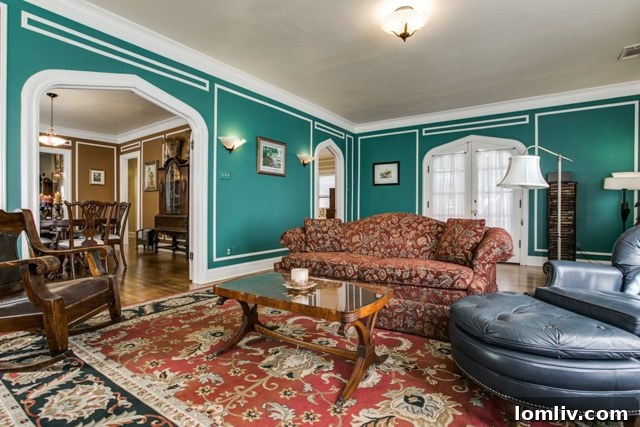
Tell us about the bold, deep turquoise paint color chosen for the living room. It’s quite unexpected by contemporary standards.
Karl Braddick: The inspiration for that specific turquoise shade came directly from the Rookwood tile surrounding the fireplace. I found it to be a rich, captivating color that harmonized beautifully with the room’s character. Interestingly, after selecting it, I later discovered evidence that the house was originally painted a very similar color when it was first built. This kind of serendipitous discovery reinforces my approach. Generally, I rely on historically accurate color palettes provided by reputable paint manufacturers or, more often, I uncover and replicate original paint colors found within the house itself during the renovation process. It’s all about respecting the home’s past.
In your opinion, what are the most outstanding features of this house, both original and those you’ve implemented?
Karl Braddick: Without a doubt, the greatest feature of this house is the profound attention to detail evident in every corner. This level of meticulousness is sadly rare in many contemporary restorations. It’s not just about what you see on the surface; it’s about the quality of the materials, the precision of the craftsmanship, and the commitment to historical accuracy that permeates every aspect of the project. From the restored original elements to the new additions, everything has been executed with an unwavering focus on excellence.
Is it difficult to determine when a project like this is truly finished? Do you ever feel there’s always “one more thing” to refine?
Karl Braddick: It’s a feeling many artisans can relate to, much like a cabinetmaker who feels his work is never truly done until it leaves his workshop. For me, there’s always another detail that could be perfected, another element that could be enhanced. The pursuit of perfection is an ongoing journey. I could always find something else to do, or even consider starting the entire process over to implement a new idea. However, at some point, the house itself signals its readiness, and the vision aligns with its original spirit, marking a natural conclusion to the current phase of work.
When undertaking such a significant rehabilitation, do you design with a specific type of buyer in mind?
Karl Braddick: No, not really. My primary motivation is to design and restore for myself. The home first and foremost has to please my aesthetic and functional standards. This personal approach ensures that every decision, every detail, reflects an uncompromising commitment to quality and historical integrity. It’s precisely why I rarely take on projects for other people; my vision is very specific, and I believe that uncompromising quality emerges when one’s own passion guides the entire process.
What would you consider the trickiest aspect of working on a house of this caliber and history?
Karl Braddick: The trickiest part, without question, is making absolutely certain that you don’t “re-muddle” it. It’s incredibly easy to succumb to the temptation of using readily available, off-the-shelf elements or, even worse, removing original historic features simply because it’s convenient. The true challenge lies in the dedication required to research, source, or meticulously remake what was originally there, ensuring that any new additions are perfectly consistent with the home’s historical period and architectural style. This level of authenticity requires immense patience and skill.
And what, then, is the most rewarding part of the entire process?
Karl Braddick: The most rewarding part comes after all the hard work, when I can step back and truly appreciate what has been achieved. It’s the profound satisfaction of realizing that you have not only preserved the irreplaceable history of the house but have also brought it back to life as something truly beautiful. To see a once-neglected historical structure fully restored to its rightful grandeur is an unparalleled feeling of accomplishment.
After pouring so much effort into a home, is it difficult to move on to the next project, or are you ever tempted to keep one for yourself?
Karl Braddick: Honestly, it’s not as difficult as one might imagine. While I deeply appreciate the beauty and history of each home, my true love lies in the *process* of transformation. The journey of discovery, the meticulous restoration, and the creative problem-solving are what truly captivate me. I look forward to each new adventure, the unique challenges each different house presents. While I might enjoy staying a bit longer to savor the completed work, the excitement of an upcoming project, a new historical canvas, is always waiting, pulling me forward to the next grand undertaking.
Experience Dallas’s Enduring Charm and Historic Luxury
Karl Braddick’s work at 720 Nesbitt Drive stands as a shining example of how historic preservation can harmoniously coexist with modern living. This stunning Tudor home in the Junius Heights Historic District is more than just a house; it’s a living testament to Dallas’s rich architectural heritage and Braddick’s unparalleled commitment to craftsmanship. From the inviting streets of Munger Place Heights to the meticulously restored interiors, this property offers a rare opportunity to own a piece of history, thoughtfully updated for today’s discerning homeowner. For those who appreciate timeless design, exquisite detail, and the charm of a vibrant, established community, 720 Nesbitt Drive truly represents the pinnacle of Dallas’s luxury real estate market.