Understanding HOA Dues: A Comprehensive Guide to Multi-Tenant Living Expenses
Purchasing a home in a multi-tenant dwelling, such as a condominium or a high-rise apartment, often introduces a significant financial consideration: Homeowners Association (HOA) dues. While some multi-tenant townhome developments might surprisingly lack HOA fees, which may sound appealing on the surface, this scenario often means a lack of a communal financial safety net. Without a cash reserve, any shared maintenance issues or unexpected expenses necessitate immediate agreement and payment from all residents, potentially leading to delays and disagreements.
What Are HOA Dues and Why Do They Matter for Condo Owners?
HOA dues are recurring fees paid by homeowners within a planned community or multi-unit building. These fees collectively cover the costs of maintaining common areas, shared amenities, and often contribute to a reserve fund for future repairs and improvements. For many, especially those new to condo or high-rise living, the concept of paying an additional monthly fee on top of a mortgage can be daunting. However, these dues consolidate numerous individual bills and responsibilities, offering a streamlined approach to homeownership that single-family homes do not. They play a crucial role in preserving property values and ensuring a well-maintained living environment for all residents.
How HOA Dues Are Calculated: Insights from Dallas High-Rises
The method of calculating HOA dues can vary significantly from one building to another. In Dallas, for instance, most high-rises, with the notable exception of The Beverly, typically base their monthly dues on the unit’s square footage. For example, a unit spanning 1,000 square feet in a building charging $0.60 per square foot per month would incur a monthly HOA fee of $600. The Beverly stands out by implementing a fixed rate for every unit, irrespective of its size. Other buildings, like Park Towers, might even factor in unit location, with higher floors commanding a higher rate, often attributed to perceived prestige or better views.
The Financial Landscape: Single-Family vs. Multi-Tenant Homes
The monthly financial commitments for a single-family home typically encompass a mortgage (if applicable), utilities, various insurance policies, and property taxes. Homeowners might also budget for gym memberships, landscaping services, and swimming pool maintenance. In contrast, multi-tenant homes bundle many of these expenses directly into their HOA dues. A condo owner’s monthly financial “nut” will usually include a mortgage (or not), HOA dues, and property taxes. Importantly, these condo HOA dues can often incorporate utilities, comprehensive building insurance, and all general maintenance, simplifying personal financial management.
The Advantages of Bundled HOA Services: Automation and Convenience
For individuals who appreciate financial automation, HOA dues offer considerable benefits. Imagine having your water, sewer, gas, electricity, cable TV, pool maintenance, building insurance, landscaping, and contributions to a vital reserve savings account all rolled into a single electronic payment. This consolidation eliminates the need to track multiple due dates and write numerous checks, freeing up valuable time and mental energy. This level of life automation is a significant draw for many, transforming what might initially seem like an extra cost into a convenience and efficiency advantage.
Dues Are Not Created Equal: Old vs. New Buildings and Amenity Costs
The perception that older buildings universally incur higher HOA dues than newer constructions is a common misconception. While older buildings might require more frequent maintenance for aging infrastructure, newer buildings often feature a broader array of extensive, high-tech amenities. These modern amenities, while appealing, come with significant operational costs that are passed on to residents through higher dues. If a resident doesn’t plan to fully utilize a state-of-the-art gym, multiple club rooms, or specialized services, they might be paying for features they don’t truly value. Furthermore, there’s no universal standard for what HOA dues must cover. Nearly all will include essentials like common area maintenance, landscaping, building insurance, and trash removal. Buildings employing private management companies, common in high-rises, will also factor these professional fees into the dues structure.
Key Components Often Included in Your HOA Dues
Utilities: Unpacking the Costs and Benefits
Historically, many of Dallas’ original high-rises included most utilities within their HOA dues, which naturally made the stated fees appear higher. Newer constructions, however, frequently feature individual utility meters for each unit, allowing residents to pay for their consumption directly. The choice between inclusive and separate utilities presents a dilemma. For a conservative energy user, individual metering might seem appealing, allowing them to only pay for what they consume. However, buildings with centralized utilities often negotiate significantly cheaper bulk rates with utility providers, meaning the cost per unit of energy used might be considerably lower than what an individual homeowner could secure. Therefore, even if you are an energy miser, the total cost for your share of utilities within an inclusive package might still be less than paying individually.
Beyond standard electricity and gas, it’s crucial to understand the HVAC system. A 2-pipe HVAC system means the building’s central system can only provide either heating or cooling at any given time, not both. Twice a year, the system switches modes, and during these transitional periods, residents might experience discomfort if temperatures fluctuate unexpectedly. For example, if heating is activated in October and there’s a sudden warm spell, units might become uncomfortably hot. In contrast, a 4-pipe HVAC system allows both heating and cooling to run simultaneously, giving residents continuous control over their indoor climate.
Some HOA dues extend to include cable TV or internet services, offering substantial savings compared to individual plans. High-rises can leverage their collective buying power to secure comprehensive cable packages (often excluding premium channels like HBO/Showtime) and high-speed internet for a fraction of the cost—sometimes as low as $25 per service per unit, inclusive of hardware, taxes, and fees. For residents not currently benefiting from such bundled services, inquiring about these options at an HOA meeting is highly recommended, as they represent a significant, often overlooked, cost-saving opportunity.
Building (Blanket) Insurance: Protecting Common Areas
Building, or “blanket,” insurance covers all the common elements of a multi-tenant property: hallways, elevators, the lobby, parking structures, pools, and other shared amenities. This policy typically covers structural elements from the drywall inwards, including issues like burst pipes within walls. While specific policy details vary, homeowners generally need a separate personal insurance policy (often called an HO-6 policy) to cover everything from the drywall outwards into their individual unit, safeguarding personal belongings and interior finishes.
Reserve Funds: Securing Your Building’s Future
A well-managed HOA maintains a reserve fund—essentially a building’s savings account—to cover anticipated major expenses and unexpected emergencies. This fund is crucial for long-term financial stability, ensuring that significant items like roof replacements, elevator modernizations, water line repairs, HVAC system overhauls (if centrally managed), pool equipment upgrades, or common area recarpeting can be addressed without resorting to costly special assessments that burden homeowners with large, sudden bills. A healthy reserve fund is a strong indicator of a financially sound and proactively managed property.
Water and Sewer Services: Essential and Centralized
Many multi-tenant buildings, both old and new, feature centralized water and sewer metering, meaning these costs are typically included in HOA dues. This arrangement streamlines billing, but it also means residents share the collective cost of water usage. In older buildings, where plumbing fixtures like “flush-me-a-river” toilets and top-loading washing machines might be less water-efficient, residents should actively look for opportunities to conserve water. Engaging with the HOA board to explore water-saving upgrades can lead to significant reductions in shared utility costs over time.
Professional Management Fees: The Backbone of Community Operations
Running a multi-tenant building is a complex undertaking, necessitating professional management. Management fees included in HOA dues cover the cost of administrative services, maintenance coordination, financial oversight, and addressing resident concerns. These fees also contribute to the salaries of essential building personnel—maintenance staff, porters, security guards, and other support staff. While the HOA board is involved in personnel decisions, these individuals are typically employees of the management company, ensuring consistent and professional operations.
Facilities and Amenities: Assessing True Value
The range of facilities and amenities offered can significantly influence a building’s appeal and, consequently, its HOA dues. From swimming pools and tennis courts to concierge services, party rooms, media centers, wine storage, or even guest suites, these features add to the living experience. Prospective buyers must honestly assess which amenities they will genuinely use. Will the gym be more than a New Year’s Resolution destination? Is temperature-controlled wine storage truly necessary for your collection? Weighing the personal value of each amenity against its contribution to the HOA fees is essential for making a cost-effective decision.
The Impact of Property Taxes: Older Buildings Offer Financial Relief
Beyond the penthouses, units in older buildings often come with significantly lower purchase prices compared to similar-sized units in newer developments. This price difference directly translates to correspondingly lower property taxes. A quick calculation reveals that every $100,000 in assessed property value can equate to approximately $2,800 per year, or about $230 per month, in property taxes (assuming no exemptions). Therefore, choosing an older, less expensive condo can result in substantial property tax savings. In some cases, the property tax savings alone from living in an older building might even exceed the entire HOA dues of that older building, especially when compared to newer, high-value properties like One Arts Plaza or The Ritz Residences. Even factoring in a major renovation, the overall financial advantage of an older, well-chosen property can be substantial.
Ultimately, the decision often balances budget and lifestyle. Is a half-sized unit in a new, trendy building more “you” than a spacious unit in an older, less ostentatious property? Personal preferences vary, with some prioritizing modern aesthetics and others valuing interior space and character. It’s also worth considering the potential for investment upside in some older buildings, which may offer more room for appreciation due to their lower initial cost and established locations.
Making an Informed Decision: Costs Versus Value
Determining whether HOA fees make sense for your lifestyle and budget requires thorough evaluation. When comparing multiple buildings, it’s wise to analyze the dues cost per square foot and meticulously list all inclusions and amenities for each property. Create a side-by-side comparison to identify the best value. Once you’ve narrowed down your choices, engage with the building manager. Inquire about the building’s governance, potential upcoming major expenses, and the history of special assessments over the past decade. Understanding the financial health of the HOA and its reserve accounts is paramount. This due diligence ensures that seemingly acceptable dues don’t mask underlying financial instability or pending costly repairs.
Beware of Developer-Controlled HOAs: The Initial Price Trap
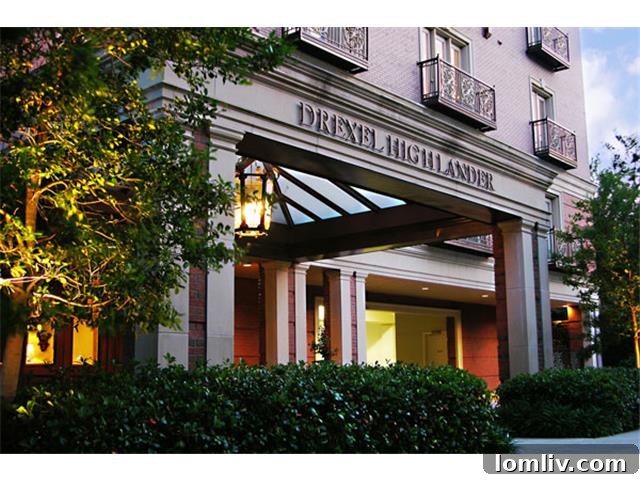
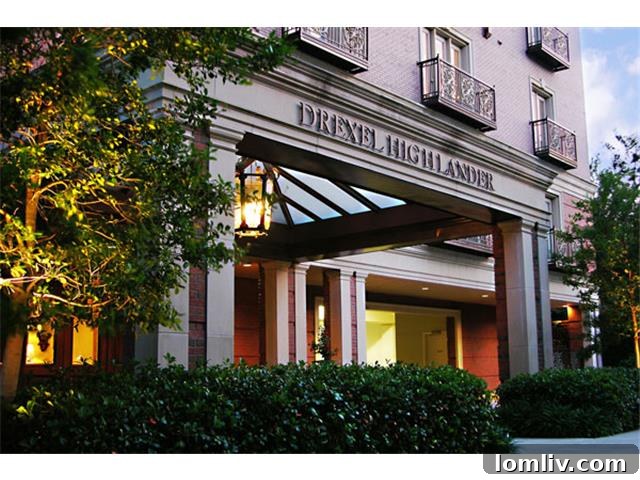
A critical point for those considering newer properties is to be wary of HOA dues during the initial selling phase. Developers often set fees artificially low to attract buyers. Once the developer transfers control to the resident-led HOA, fees can significantly increase. A prime example is the Drexel Highlander, which advertised dues at $0.40 per square foot during its 2012 close-out sale. Today, the building charges $0.60 per square foot—a staggering 50% increase. If an offer seems too good to be true, exercise caution. However, if you are comfortable with the prevailing rates of comparable, established buildings and view any initial reduced rate as a temporary bonus, then proceeding with the purchase might still be a viable option.
Conclusion: Weighing Your Options for Condo Living
Ultimately, HOA dues are a multifaceted component of multi-tenant homeownership, consolidating numerous monthly bills and offering access to amenities often unavailable in single-family homes. They represent an investment in shared living, community maintenance, and long-term property value. By carefully calculating the costs, thoroughly understanding what is included, and assessing the true value against your personal needs and preferences, you can make an informed decision. Do your math, perform your due diligence, and trust your instincts to find the right multi-tenant home for you.