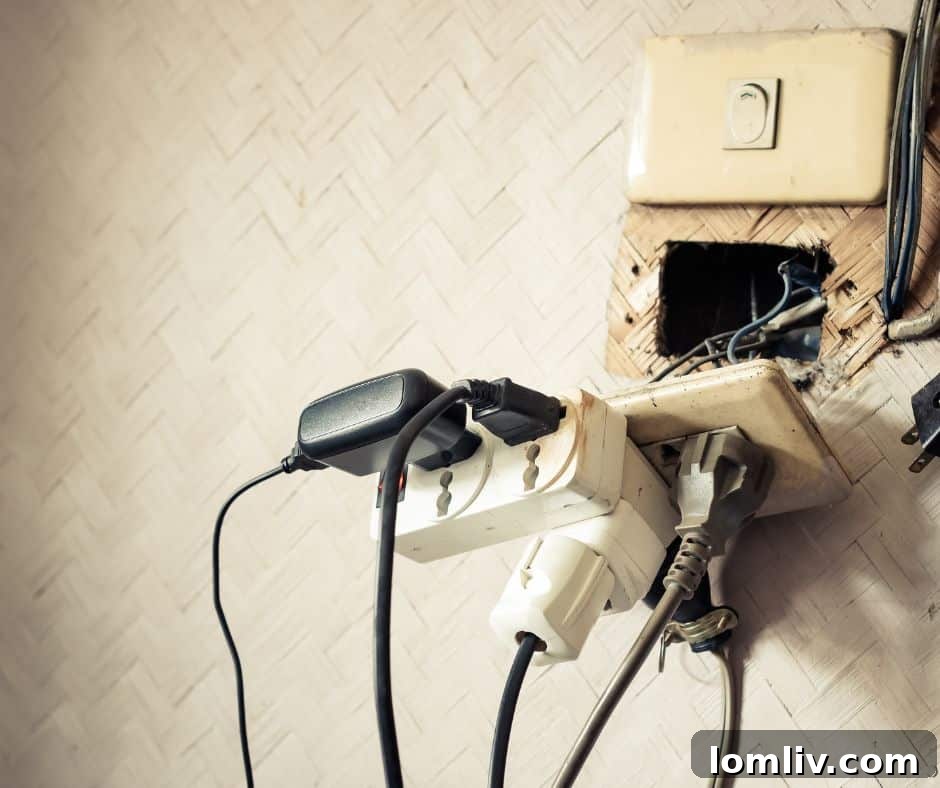
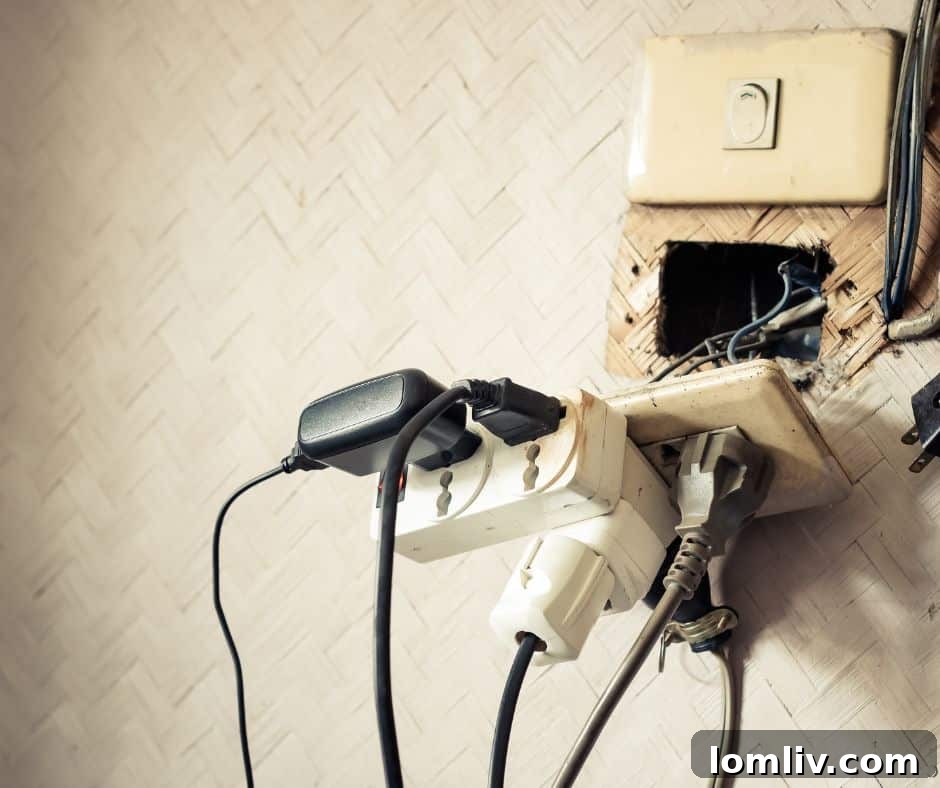
In the world of home maintenance, some tasks lend themselves well to a do-it-yourself approach. However, when it comes to electricity, the stakes are significantly higher. What might seem like a minor inconvenience or a simple fix can quickly escalate into a dangerous situation, posing risks of electrical shock, fire, or severe property damage. Understanding when to call an electrician isn’t just about convenience; it’s about prioritizing the safety of your home and everyone in it. This comprehensive guide delves into critical electrical issues commonly identified during home inspections, emphasizing why professional expertise is non-negotiable for these complex and potentially hazardous problems.
While we might find humor in some of the curious DIY endeavors homeowners undertake, the integrity and safety of your electrical system are no laughing matter. This article aims to empower you with essential knowledge about common electrical hazards, not to encourage DIY repairs, but to help you accurately diagnose potential issues and understand precisely when it’s time to entrust the job to a qualified, licensed electrician. Recognizing these red flags can prevent costly damage, ensure compliance with safety codes, and most importantly, protect lives.
The Hidden Dangers of Outdated Electrical Panels: Why You Can’t Judge a Panel Box by Its Cover
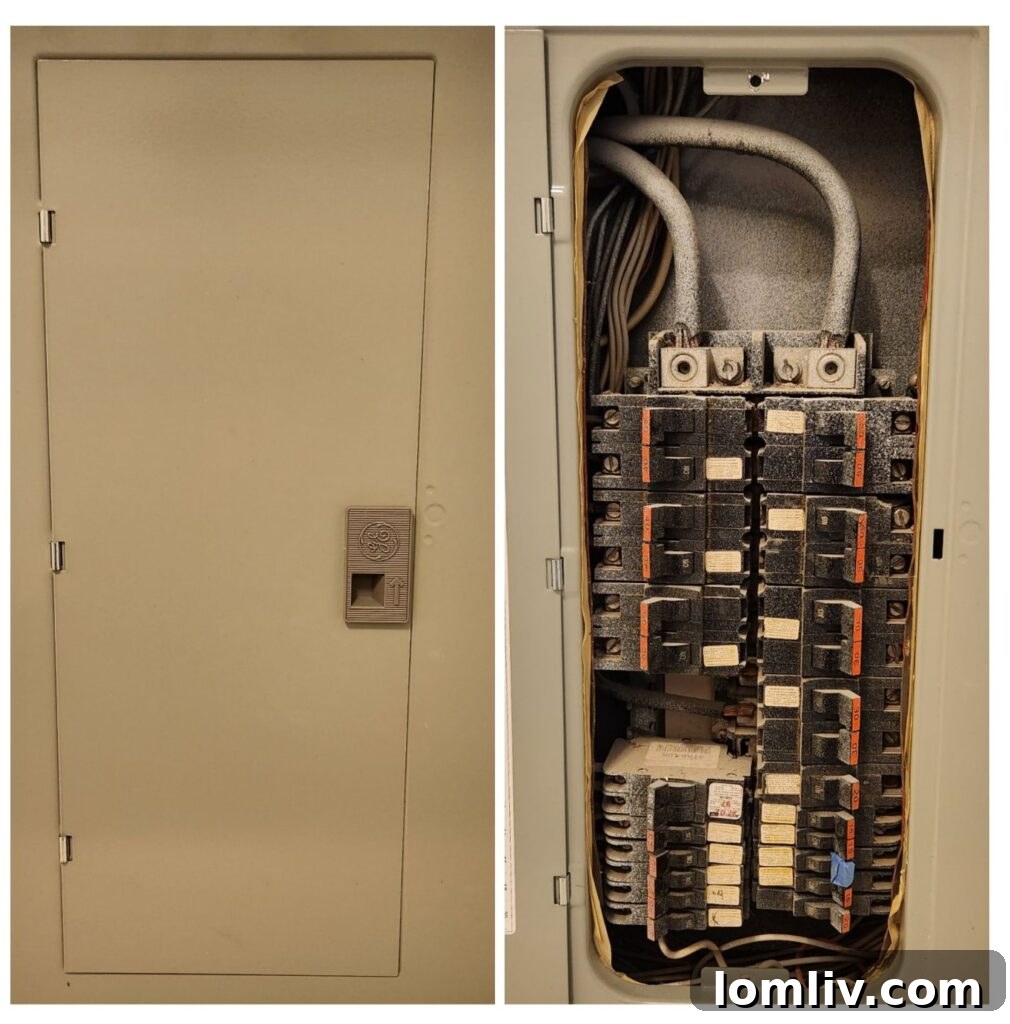
The electrical panel, often called the service panel or breaker box, is the central nervous system of your home’s electrical system. It distributes power safely throughout your property and acts as a crucial safety mechanism, tripping breakers to prevent overloads and short circuits. Yet, many homes, particularly older ones, still house dangerous, outdated panel boxes that are accidents waiting to happen. A prime example is the sight of a GE cover placed over a Federal Pacific Electric (FPE) panel, a critical red flag that warrants immediate professional attention.
The issue with FPE Stab-Lok panels is twofold, making them one of the most serious electrical hazards found in residential properties. Firstly, these panels, widely installed in homes from the 1950s to the 1980s, were later found to have significant design flaws. Their circuit breakers often fail to trip when an overcurrent or short circuit occurs, meaning they don’t provide the vital protection they’re designed for. This failure can lead to overheating, arcing, and ultimately, electrical fires. Estimates suggest that FPE panels are responsible for a substantial number of residential fires annually, making their presence a grave concern for any homeowner or prospective buyer. Electricians universally recommend replacing these panels as quickly as possible to mitigate these severe fire risks.
Secondly, the panel cover itself is more than just a decorative element; it’s an integral part of the system’s safety design. An electrical panel cover must be specifically designed for the panel it encloses, ensuring a precise fit, appropriate metal thickness, and proper grounding. Using a cover from a different manufacturer, such as a GE cover on an FPE panel, or any generic piece of metal, compromises the panel’s protective integrity. Such an ill-fitting cover can expose live wires, allow dust and moisture ingress, and hinder proper ventilation, all of which contribute to increased risk of electrical shock or fire. Electrical codes mandate that all components of an electrical panel, including its cover, are compatible and installed according to manufacturer specifications to maintain safety and functionality. An incorrect cover is a clear indicator of a non-compliant and potentially dangerous installation, demanding expert assessment and remediation.
Understanding Electrical Breaker Recalls: The Case of the Blue Button Square D Breaker
Circuit breakers are the silent guardians of your home’s electrical system, designed to detect faults and interrupt the flow of electricity to prevent damage and fires. However, even these crucial safety devices can sometimes be faulty, necessitating recalls. Home inspectors play a vital role in identifying such issues, guiding homeowners and buyers on when to call an electrician for potential hazards. As Inspector Alex highlights in his insightful video, understanding the basics of your electrical panel, including wire color coding, can provide valuable clues about its condition.
For instance, knowing that white wires are typically neutral, red and black wires are “hot” (carrying current), and green wires serve as grounding wires is fundamental. This color coding ensures proper connections and helps electricians quickly identify circuits. However, the most critical aspect he discusses is the recall of specific Blue Button Square D breakers. Manufactured between March and September of 2004, these particular breakers were found to be defective. While the breakers themselves aren’t inherently dangerous in terms of causing immediate shock, their failure to perform their intended function is a serious concern. These recalled breakers were designed to detect arc faults – dangerous electrical discharges that can ignite fires – and trip to cut power. When they fail to do so, the risk of an undetected arc fault leading to a catastrophic fire significantly increases. Homeowners with these specific breakers should consult a licensed electrician immediately to verify if their units are part of the recall and arrange for their replacement.
Beyond this specific recall, it’s crucial for homeowners to be aware of the different types of breakers and their functions. Standard circuit breakers protect against overloads and short circuits. Ground Fault Circuit Interrupters (GFCIs) protect against electrical shock, particularly in areas near water like kitchens, bathrooms, and outdoors. Arc Fault Circuit Interrupters (AFCIs) protect against arc faults. A comprehensive home inspection will check for the correct type and proper functioning of breakers. Any flickering lights, frequent breaker trips, or a burning smell emanating from the electrical panel are strong indicators of underlying issues that demand immediate professional assessment.
The Perils of Poor Outdoor Electrical DIY: A Recipe for Disaster
@greenscenehome All of this is bad. Don’t DIY electrical! #homeinspectionfinds #electrocution #diyfail #askahomeinspector #dallasrealestate
♬ Electrocution – Automatic
When it comes to outdoor electrical installations, the risks associated with amateur DIY attempts are amplified due to exposure to elements, increased potential for physical damage, and proximity to water. The TikTok video aptly illustrates a truly horrifying example of what can go wrong when unqualified individuals meddle with outdoor wiring. Exposed, live wires, haphazardly “secured” with tape and stuffed into a seemingly random box, particularly close to a swimming pool, represent a catastrophic hazard. This isn’t just poor craftsmanship; it’s an immediate threat of severe electrical shock, electrocution, or fire.
Outdoor electrical wiring demands specialized components and installation techniques to withstand harsh weather conditions, moisture, and temperature fluctuations. Wires must be properly insulated, protected within appropriate conduits or cables rated for outdoor use, and housed within weatherproof junction boxes and outlets. Crucially, all outdoor outlets, and any electrical circuits serving outdoor areas like pools, spas, or hot tubs, must be protected by Ground Fault Circuit Interrupters (GFCIs). GFCIs are designed to quickly cut power if they detect a ground fault, which can occur if current deviates from its intended path—for instance, if someone touches a live wire or an appliance falls into water. Their rapid response is life-saving.
The scenario depicted in the video, with “hot wires” readily accessible, poses an unimaginable danger. A curious child, an unsuspecting pet, or even an adult could easily come into contact with these energized conductors, leading to tragic consequences. Furthermore, the proximity to a pool adds an additional layer of peril; water is an excellent conductor of electricity, meaning a fault could electrify the entire pool area. Such negligence not only violates numerous electrical codes but also creates an environment of extreme risk. Proper outdoor electrical work involves careful planning, adherence to local codes, the use of appropriate materials (e.g., UF-B cable, rigid metal conduit, PVC conduit), and precise installation to ensure both functionality and, most importantly, safety.
This blatant disregard for safety regulations underscores a critical message: leave electrical work, especially outdoor installations, to certified professionals. Attempting to save money through dangerous DIY electrical hacks can lead to immeasurable costs in terms of injury, fatality, and extensive property damage. A qualified electrician understands the complexities of outdoor wiring, including voltage drop calculations, proper grounding, and the necessity of weatherproof enclosures and GFCI protection. They ensure that installations are not only functional but also meet the rigorous safety standards required by code, providing homeowners with peace of mind.
When in Doubt, Call a Professional Electrician: Your Home’s Safety Net
@bostonbeaman Who needs an #electrician #diy #fyp
♬ original sound – Be A Man
While the internet offers a wealth of information and DIY tutorials for various home projects, electrical work is unequivocally one area where “self-help” can lead to catastrophic outcomes. Just as you wouldn’t perform surgery on yourself or attempt to rebuild a car engine without proper training, electrical repairs and installations demand the specialized knowledge, tools, and experience of a licensed professional. The risks associated with even minor electrical mistakes – from incorrect wiring and overloaded circuits to exposed conductors and faulty components – are simply too high to gamble with.
Recognizing the signs of electrical trouble is the first step toward ensuring safety. These signs can include flickering lights, frequently tripping breakers, outlets that don’t work, strange buzzing sounds from outlets or the electrical panel, burning smells, or scorch marks around outlets and switches. Any of these symptoms should prompt an immediate call to a professional electrician. They are trained to diagnose complex electrical issues accurately, adhere to stringent safety protocols, and execute repairs or upgrades in compliance with local and national electrical codes, such as the National Electrical Code (NEC).
Furthermore, when you’re in the process of buying a home, or if you simply have questions about the existing electrical system in your current property, a thorough home inspection is indispensable. Certified home inspectors are trained to identify potential electrical deficiencies, hazards, and code violations that might not be immediately obvious to the untrained eye. Their expert assessment provides a comprehensive overview of your home’s condition, empowering you to make informed decisions and budget for necessary electrical repairs or upgrades before they become critical problems. They act as your first line of defense against hidden dangers, clearly indicating when a more specialized electrical evaluation is needed.
In conclusion, the message is clear: electrical safety is paramount. Do not underestimate the power of electricity or overestimate your ability to safely handle it without professional training. From identifying hazardous Federal Pacific panels and responding to critical breaker recalls to preventing the catastrophic dangers of amateur outdoor wiring, knowing when to call an electrician is your most important electrical safety rule. Invest in your home’s safety and your family’s well-being by trusting electrical work to the experts. Don’t be “that guy” in the video – choose safety, choose professional expertise.