Welcome to “Upon Closer Inspection,” a special series brought to you by the meticulous professionals at Green Scene Home Inspections. Each week, we equip Daltxrealestate.com readers with invaluable insights into the world of home inspection, revealing what lies beneath the surface.
In the realm of homeownership, the desire to tackle repairs and renovations independently is a common one. DIY projects, when executed correctly, can be incredibly rewarding, saving money and instilling a sense of accomplishment. However, the path to home improvement is often fraught with potential pitfalls. As experienced home inspectors, we frequently encounter homeowners whose well-intentioned DIY efforts have veered off course, sometimes resulting in significant, and often hazardous, “epic fails.” This week’s edition of Upon Closer Inspection shines a spotlight on these DIY Fails, offering crucial lessons to help you avoid similar mistakes and ensure the safety and longevity of your home.
The Hidden Dangers of Common DIY Mistakes
From simple maintenance tasks to more complex structural changes, a lack of precise knowledge or the use of incorrect materials can lead to problems far greater than the original issue. Our aim is not to discourage DIY, but to emphasize the critical importance of understanding the task at hand, following instructions rigorously, and knowing when to call in a professional. Let’s delve into some real-world examples that highlight common DIY blunders and their potential repercussions.
HVAC Air Filters: A Simple Task, Often Overlooked
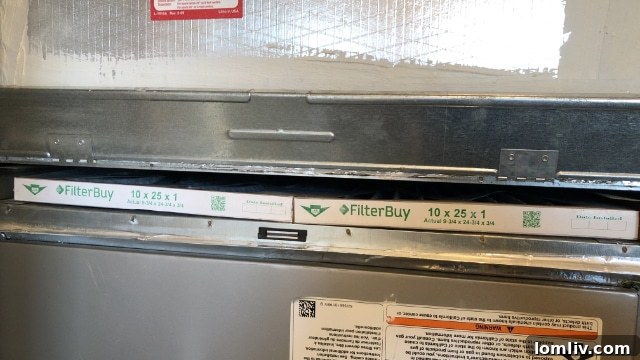
Changing an air filter seems straightforward enough; it doesn’t require specialized expertise. Yet, it’s one of the most common areas where we observe simple, yet impactful, DIY errors. If we had a dollar for every time we spotted an incorrectly sized air filter during an inspection, we could probably fund a lifetime supply of perfectly fitting filters for an entire neighborhood. Many homeowners believe that “close enough” is acceptable, or that “it’s better than nothing.” This couldn’t be further from the truth.
A properly functioning HVAC system relies on a correctly sized filter to trap dust, pollen, pet dander, and other airborne particulates. An undersized filter, or one that’s been jammed into place, will inevitably leave gaps around its edges. These gaps allow unfiltered air to bypass the filter entirely, circulating contaminants throughout your home and, more importantly, allowing them into the delicate components of your HVAC system. Over time, this bypass can lead to:
- Reduced Air Quality: Your indoor air remains full of allergens and pollutants, impacting respiratory health.
- Decreased System Efficiency: Dirt and debris accumulate on the evaporator coil and blower motor, forcing the system to work harder, consuming more energy, and leading to higher utility bills.
- Increased Wear and Tear: The added strain on the system accelerates wear on critical components, potentially leading to costly breakdowns and a shortened lifespan for your entire HVAC unit.
- Pest Infestation: Gaps can also serve as entry points for small insects or rodents into your ductwork.
Seriously, folks, if you acquire the wrong size filter for your HVAC system, take it back to the store. Do not try to force it, cut it, or leave gaps. The correct size is typically printed clearly on the old filter or on the HVAC unit itself. Taking a few extra minutes to find the right fit can save you significant money and headaches down the road, ensuring both cleaner air and a healthier HVAC system.
The Pillowcase Seal: A Cozy, Yet Ineffective, Barrier
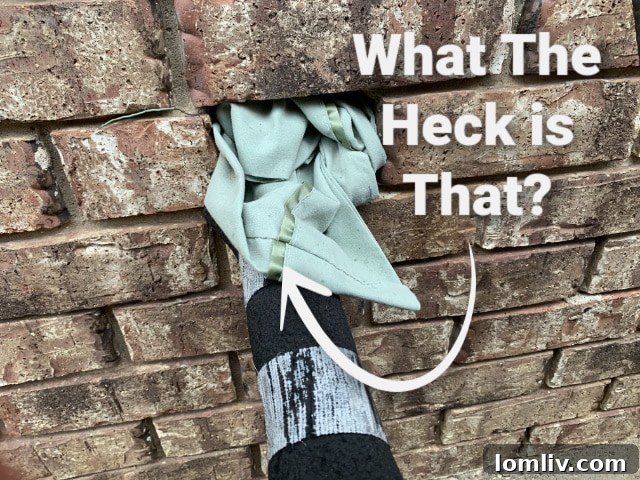
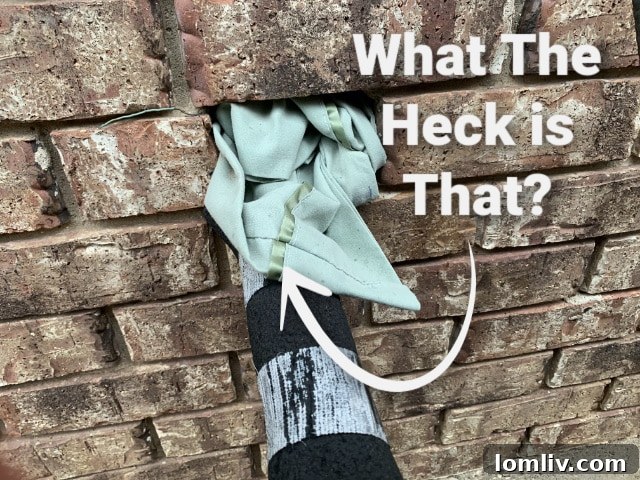
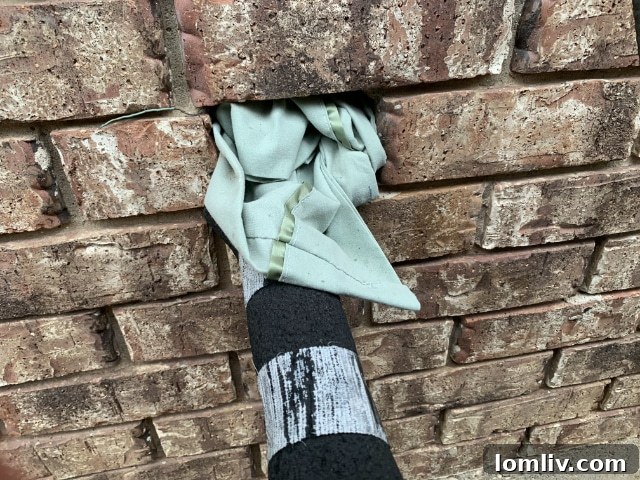
When it comes to sealing outdoor wall penetrations – those small openings where pipes, wires, or vents pass through an exterior wall – effective closure is paramount. The goal is to prevent moisture intrusion, drafts, and pest entry, all while maintaining the building’s energy efficiency. While creativity in problem-solving is commendable, substituting proper sealing materials with household items can lead to disastrous outcomes.
Take, for instance, the infamous “pillowcase seal” we sometimes encounter. Stuffing a pillowcase, even one of a luxurious 1,000 thread count, into a gap in your exterior wall is definitively not an approved method for sealing. While it might temporarily block a draft, its long-term efficacy and protective capabilities are non-existent. A pillowcase offers:
- Zero Moisture Barrier: Fabric absorbs water, potentially wicking moisture directly into your wall cavity, leading to rot, mold, and structural damage.
- Poor Insulation: It provides minimal thermal resistance, allowing conditioned air to escape and unconditioned air to enter, driving up energy bills.
- Pest Magnet: Fabric can be an inviting nesting material for rodents, insects, and other pests, providing easy access to your home’s interior.
- Fire Hazard: Depending on the location and proximity to heat sources, a fabric seal could pose a fire risk.
- Lack of Durability: Exposed to the elements, a pillowcase will quickly degrade, becoming an unsightly and ineffective solution.
Instead of a decorative, albeit ineffective, fabric solution, you need materials specifically designed for exterior sealing. Products like exterior-grade caulk, expanding spray foam (designed for appropriate gaps), or weatherstripping are the correct choices. These materials create a durable, weather-resistant, and pest-proof barrier that protects your home’s envelope. On a lighter note, if only they had at least matched the pillowcase to the brick color for aesthetic consistency!
Attic Ladder Installation: Screws vs. Nails – A Crucial Distinction
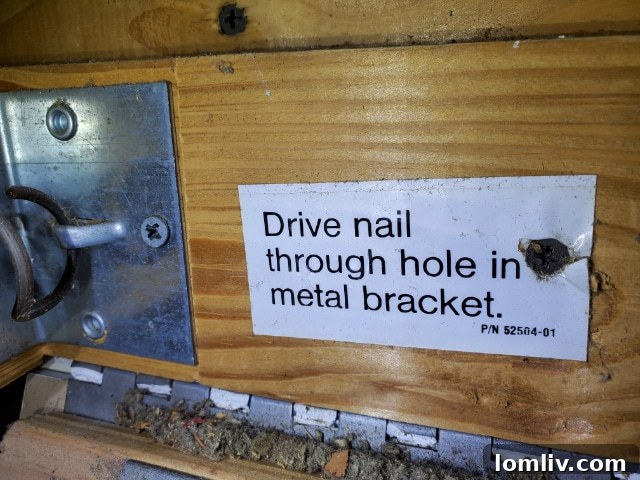
The attic ladder is a seemingly simple access point, but its proper installation is critical for safety. It bears the weight of individuals accessing the attic, along with any items they might be carrying. Every attic ladder comes with clear, explicit installation instructions, usually including a sign that details the specific type of fasteners required. Yet, we frequently observe a critical deviation from these instructions.
A common error involves using drywall screws (sheetrock screws) instead of nails where the ladder frame attaches to the attic opening. The instructions quite clearly specify using nails for this crucial connection. Why is this distinction so important?
- Shear Strength: Nails are designed to withstand shear forces, meaning they are more resistant to forces pushing them sideways, which is precisely the kind of stress an attic ladder experiences when in use. They have a higher shear strength compared to screws of similar diameter.
- Flexibility: Nails tend to flex under stress rather than snap, making them more resilient in load-bearing applications like an attic ladder.
- Withdrawal Resistance: While screws have excellent withdrawal resistance (they’re hard to pull straight out), their threads can compress and damage the wood fibers over time under constant, dynamic load, potentially loosening the connection.
- Design Intent: The manufacturer’s engineers have designed the ladder and specified fasteners based on rigorous testing to ensure safety and stability. Deviating from these specifications compromises the structural integrity.
Using drywall screws, which are designed for securing drywall panels and have a brittle shank, in a load-bearing application like an attic ladder can have catastrophic consequences. The screws can shear off under stress, leading to the ladder collapsing, resulting in serious injury. It’s imperative to always adhere to the manufacturer’s installation guidelines, particularly when dealing with structural or safety-critical components. Don’t compromise safety for convenience – use the right fastener for the job.
DIY Electrical Work: A Shocking Risk
Perhaps the most dangerous category of DIY fails we encounter involves electrical work. The temptation to save money by handling electrical repairs or installations yourself is understandable, but the risks far outweigh any potential savings. As Inspector John wisely advises, “Pointy metal things and electricity are a bad pairing.” This simple statement encapsulates a fundamental safety principle often overlooked by amateur electricians.
One common, yet incredibly hazardous, mistake is using pointy, sharp-edged screws or other inappropriate fasteners near electrical wiring. These sharp edges can easily pierce the insulation around electrical conductors, creating a direct pathway for electricity to escape the wire. This can lead to:
- Short Circuits: When a live wire touches a ground wire or another live wire due to damaged insulation, it creates a short circuit. This can generate intense heat, cause sparks, trip breakers, or even lead to electrical fires.
- Electrical Shock/Electrocution: A damaged wire can electrify surrounding metal components or even the wall itself, posing a severe risk of electric shock or, in tragic cases, electrocution to anyone who comes into contact with it.
- Arcing: Intermittent contact between a damaged wire and another surface can create electrical arcs, which are extremely hot and can ignite nearby combustible materials.
When working around electricity, only use blunt-edged screws and fasteners specifically designed for electrical applications. More importantly, whether you’re a seasoned house flipper or a first-time homeowner, our strongest recommendation is to NEVER attempt DIY electrical work unless you are a qualified and licensed electrician. Electrical systems are complex and unforgiving. Even seemingly minor errors can have devastating consequences, including property damage, severe injury, or death.
Common electrical DIY mistakes also include:
- Overloading Circuits: Adding too many outlets or devices to a single circuit without understanding its capacity can lead to tripped breakers or, worse, overheating wires.
- Incorrect Wire Gauges: Using wire that is too thin for the current it carries can cause wires to overheat, melt insulation, and start fires.
- Improper Grounding: A correctly grounded system provides a safe path for fault current. Improper or absent grounding increases the risk of shock.
- Lack of Junction Boxes: All wire splices must be contained within an approved electrical box, accessible and covered. Leaving splices exposed is a fire hazard.
- Ignoring Codes: Electrical work is heavily regulated by local and national codes (like the National Electrical Code in the U.S.). DIYers rarely have the knowledge or tools to ensure compliance.
The Takeaway: When in Doubt, Call a Pro
The examples highlighted today represent just a fraction of the DIY pitfalls we observe during home inspections. While the spirit of DIY is commendable, it’s crucial to approach home repairs and renovations with a deep understanding of the task, its implications, and the correct methodologies. The most significant lesson from these DIY fails is knowing your limits.
For critical systems like electrical, plumbing, HVAC, or structural components, the expertise of a licensed professional is invaluable. They possess the knowledge, specialized tools, and adherence to safety codes that are essential for ensuring the integrity and safety of your home. A small investment in professional services can prevent costly repairs, mitigate safety risks, and ultimately preserve the value of your property.
Remember, your home is your most significant investment, and its safety directly impacts your well-being. Before embarking on any DIY project, especially those beyond basic cosmetic fixes, conduct thorough research, consult reliable guides, and critically assess whether the task truly falls within your skill set. And when in doubt, always default to the professional. Green Scene Home Inspections is here to help you understand your home better, one inspection at a time.