

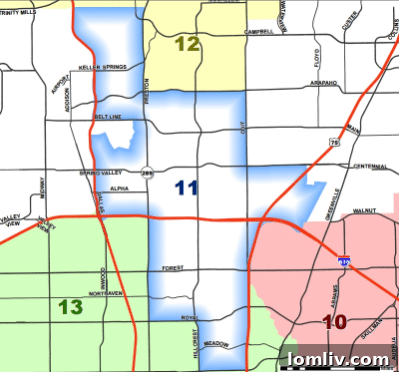
Recent events have cast a long shadow over the sense of security for residents in North Dallas, particularly within City Council District 11. A series of unsettling incidents, ranging from tragic violent crime to audacious property theft, has sparked a community-wide discussion about the true state of safety in an area often perceived as tranquil and affluent. These incidents challenge official narratives of declining crime rates, bringing personal safety to the forefront of residents’ daily concerns.
The community was rocked on March 11 by an early-morning shooting in the 6400 block of Royal Lane, nestled between Preston and Hillcrest roads. This horrific event resulted in the death of an 11-year-old boy and left a woman injured. A 30-year-old man was subsequently charged with capital murder, sending shockwaves through the neighborhood and highlighting the devastating impact of violent crime.
Less than two weeks prior, a disturbing robbery unfolded in a Galleria parking lot, where a jeweler was assaulted and robbed at knifepoint. This incident not only underscored the vulnerability of individuals but also pointed to the brazenness of criminals operating in public spaces. Adding to the growing list of concerns, the afternoon of February 28 saw three vehicles burglarized at a North Dallas Bank & Trust Co. parking deck. On the very same day, an iPad was stolen from a man’s car in a Whole Foods parking lot, suggesting a pattern of opportunistic theft.
The feeling of vulnerability intensified on March 4, when a father and his daughter were followed home from a Preston Forest shopping center and subsequently robbed at gunpoint in their own residence. These incidents, all occurring within Dallas City Council District 11, have forced residents of the northern Preston Hollow area to confront a pressing question: Is there a genuine uptick in crime, and is their personal safety at risk even when performing routine activities like grocery shopping?
Dallas Mayor Eric Johnson and Police Chief Eddie Garcia have consistently championed a narrative of reduced violent crime, touting a decrease for the second consecutive year in 2022. Chief Garcia notably presented the city’s extensive 80-page Violent Crime Reduction Plan to the City Council in June, outlining strategic initiatives aimed at enhancing public safety. While these statistics offer an official perspective, they have done little to alleviate the deep-seated fears and anxieties of those who have been personally victimized or witnessed the recent surge of unsettling events firsthand.
When Crime Hits Home: The Disconnect Between Statistics and Lived Experience
The gap between official crime statistics and the palpable sense of insecurity felt by residents is a central theme in the current debate. While city leaders point to declining numbers, the individual experiences of victims often tell a different, more somber story. For many, the severity of a single incident, or the frequency of multiple incidents within a specific area, outweighs any broad statistical trend.
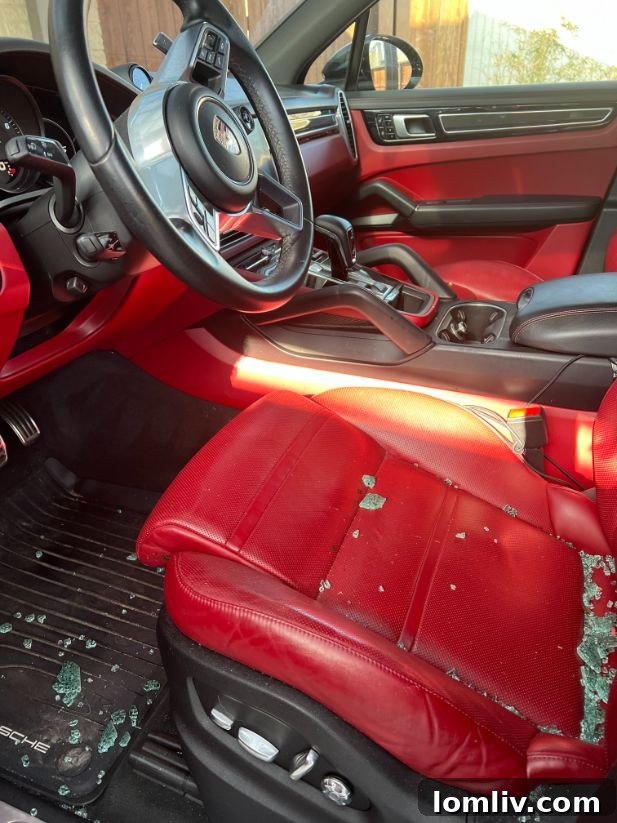
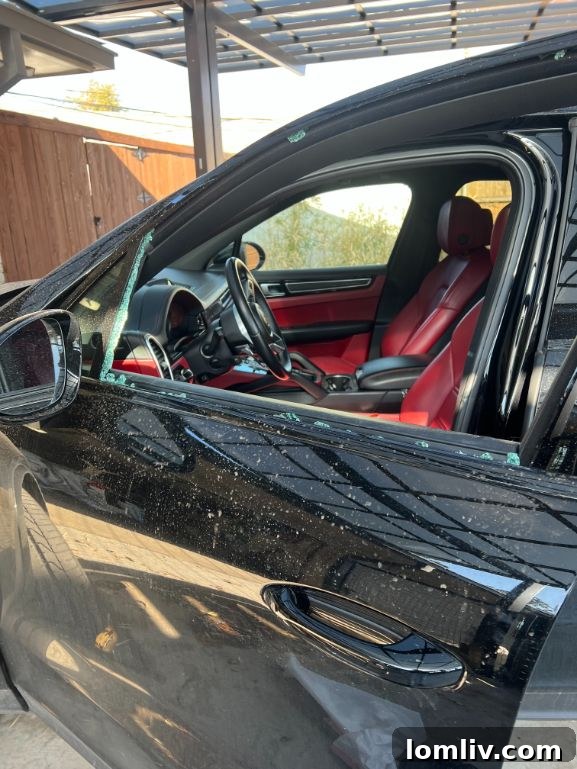
Rita Goodsell’s experience perfectly encapsulates this disconnect. Her grandson’s car was burglarized at a Whole Foods grocery store on February 28. The thief made off with a backpack containing personal items, including an iPad that, for a time, could be tracked to locations in South Oak Cliff and Red Oak, Texas. Goodsell recounted her frustration, telling daltxrealestate.com, “I can still ping its location. But the police have not seemed interested in going to the location. I am going to have to figure out what to do about that. I don’t want to go to the location to try to get it myself.” Her subsequent reflection captured the gravity of the situation for many residents: “This uptick in crime has made us wonder if we want to stay in Dallas County.”
A few days later, the situation grew even more disheartening for Goodsell. When contacted for an update, she revealed she could no longer track the stolen iPad. “Now there is no location so I’m sure they removed the SIM card,” she stated, adding, “It is disheartening to feel like the police can’t or won’t help when a specific location was given.” This sentiment – a feeling of abandonment and helplessness despite diligent efforts to assist law enforcement – is echoed by many who find themselves victims of property crime.
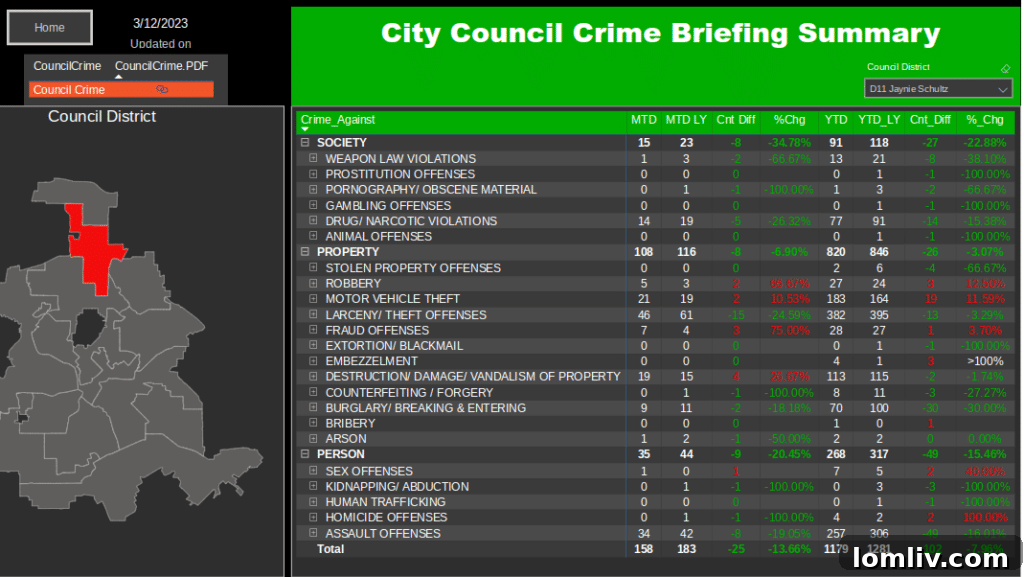
The question of whether there’s an actual uptick in crime remains complex. Official crime statistics can often paint a nuanced picture, and it’s frankly hard to tell the complete story from raw data alone. The Dallas Police Department offers a public dashboard categorized by council district, providing a snapshot of reported incidents. As of March 12, year-to-date figures for District 11 indicated that more than 820 property crimes were reported, a slight decrease from 846 reported at the same time last year, representing a modest 3 percent reduction. Similarly, crimes against persons in District 11, encompassing serious offenses like homicide and assault, totaled 268 year-to-date, down from 317, or approximately 15 percent, compared to the previous year.
Property crimes, which include theft, burglary, and destruction of someone else’s property, are classified based on the monetary value of the stolen items or the extent of the damage inflicted, potentially leading to misdemeanor or felony charges. In the specific case of the vehicle break-in and theft in the Whole Foods parking lot, police responded promptly, and the Goodsells’ car insurance will cover the damage to the vehicle. However, Rita Goodsell’s primary concern extends beyond the financial implications, focusing instead on the irreplaceable contents of the backpack, the stolen iPad, and the overarching threat to personal safety. The lack of an arrest notification further amplified her frustration, leaving her with a lingering sense of unresolved justice.
Leadership, Staffing, and the Struggle for Solutions
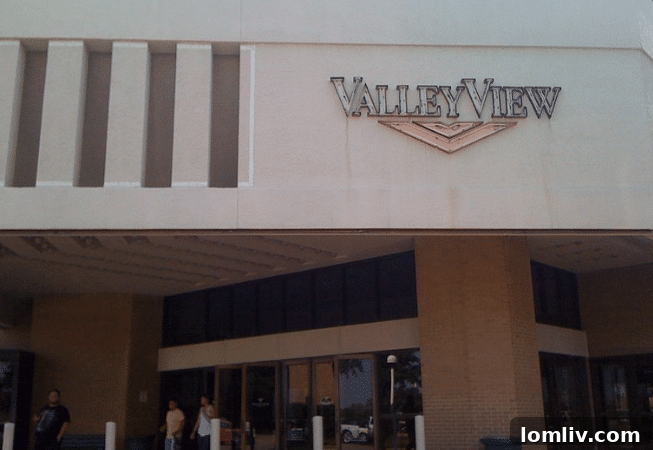
Addressing these community concerns falls squarely on the shoulders of local leadership and law enforcement. We reached out to District 11 Councilwoman Jaynie Schultz, who has represented the North Dallas area since 2021. Schultz has been deeply involved in the complex “situation” at Valley View Center, an abandoned mall that was recently designated a “habitual criminal property” following a fire and persistent issues. Schultz had proposed a tear-down of the site to make way for affordable housing, a plan reportedly met with resistance from developers with Beck Ventures. Despite these pressing local issues, Councilwoman Schultz did not immediately respond to inquiries from daltxrealestate.com regarding the broader crime concerns.
However, Candace Evans, founder and publisher of daltxrealestate.com and a candidate for the District 11 seat, offered a candid assessment of property crime in the district she calls home and hopes to represent. Evans recounted her experience at a recent D11 budget meeting, expressing dismay at the responses provided by Councilwoman Schultz and Assistant Chief Jesse Reyes. She noted that the prevailing sentiment was that the Dallas City Council readily grants whatever the Dallas Police Department requests. “I know that’s not true,” Evans asserted, citing figures that reveal a concerning deficit in police staffing. “We hired 200 new officers but lost 238, so we are already down 38.”
While Councilwoman Schultz acknowledged the nationwide challenge of police recruitment, Evans argued for more proactive measures. She emphasized that successful businesses attract quality employees through competitive compensation, incentives, and bonuses. Evans firmly believes that the current “crime wave,” along with other critical issues such as the reported loss of evidence, stems directly from a seriously understaffed police department. She urged Dallas to prioritize police recruitment above all else, advocating for a strategy that emulates successful approaches seen in other cities, including Fort Worth. “DPD salaries should definitely be higher, housing provided, and retention and sign-on bonuses implemented,” she proposed, highlighting a comprehensive approach to bolstering the police force.
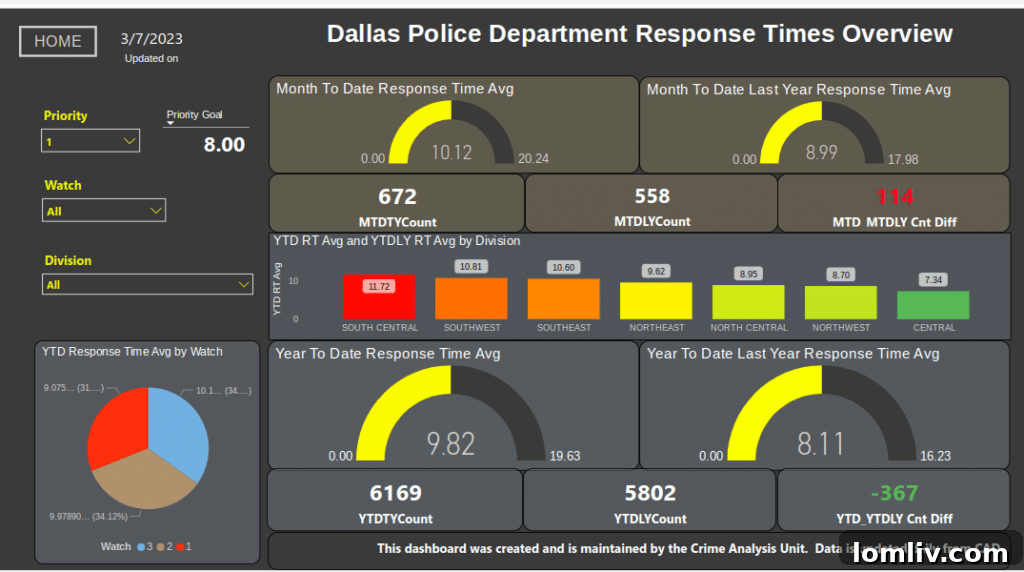
Furthermore, Evans highlighted another critical factor impacting crime statistics: underreporting. She noted that many residents attending the budget meeting shared concerns that they often do not report crimes due to the excessively long response times from police or the inconvenience of having to travel downtown to file a report. This reluctance to report not only distorts official crime figures, making a “downtick” appear more significant than it might be, but also undermines public trust and cooperation with law enforcement.
The Shadow of Organized Crime: The Galleria Robbery and Beyond
The incident at the Galleria further complicated the district’s crime landscape, revealing a more sinister dimension to the threats faced by residents. The jeweler robbed at knifepoint was, in fact, cut during the assault, as detailed in a letter from Rebecca Keener, property manager for North Dallas Bank & Trust. This detail reclassifies the incident from a simple property crime to a violent crime against a person. While overall city data indicates a roughly 4 percent decrease in crimes against persons year-to-date, compared to last year, the nature of this particular crime is deeply troubling.
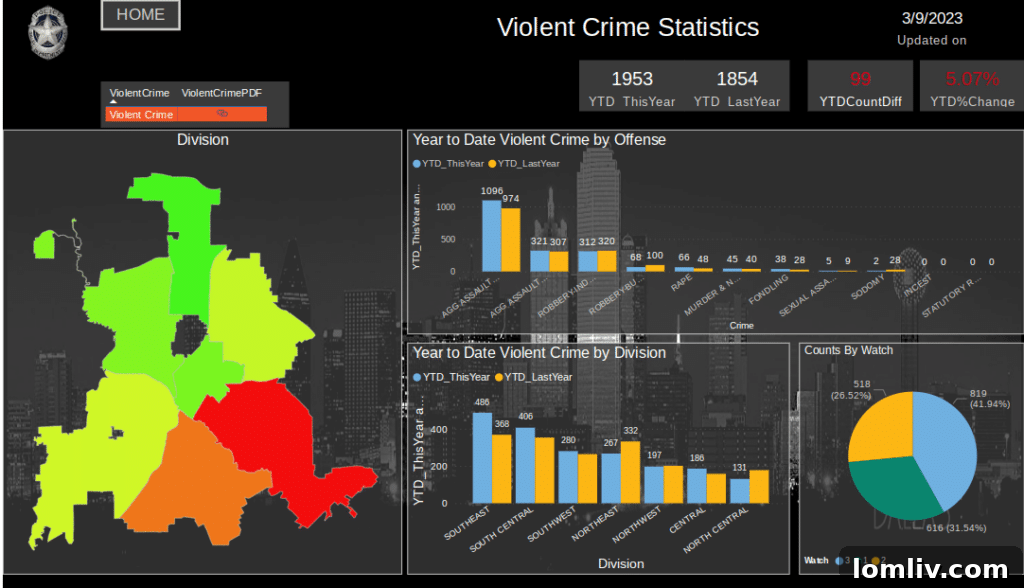
The city leaders frequently reference data based on a calendar year, showing 11,087 violent crimes in 2022, a reduction from 11,699 in 2021. This also includes 214 homicides and non-negligent manslaughters in 2022, representing a 4 percent reduction from the previous year. While this progress is statistically noteworthy, it offers little solace to those who received Keener’s letter last week, which exposed a more sophisticated criminal element at play.
Keener’s letter revealed that on March 1, 2023, NDBT’s corporate security officer met with representatives from the Dallas Police Department and the FBI to discuss the Galleria robbery and the subsequent car break-ins at the bank’s parking deck. The intelligence gathered from this meeting painted a chilling picture: “The FBI believes the robbery suspects are part of a high-profile cartel that is known for following their victims from the airport when they arrive in DFW or from the World Trade Center.” Importantly, the letter clarified that authorities “do not believe the building, or any occupants of our building are being targeted due to their profession.” This suggests a broader, more indiscriminate targeting of individuals based on their perceived wealth or possessions, elevating the threat from opportunistic street crime to organized criminal activity, further eroding the community’s sense of security.
Collaborative Efforts to Combat Crime in District 11
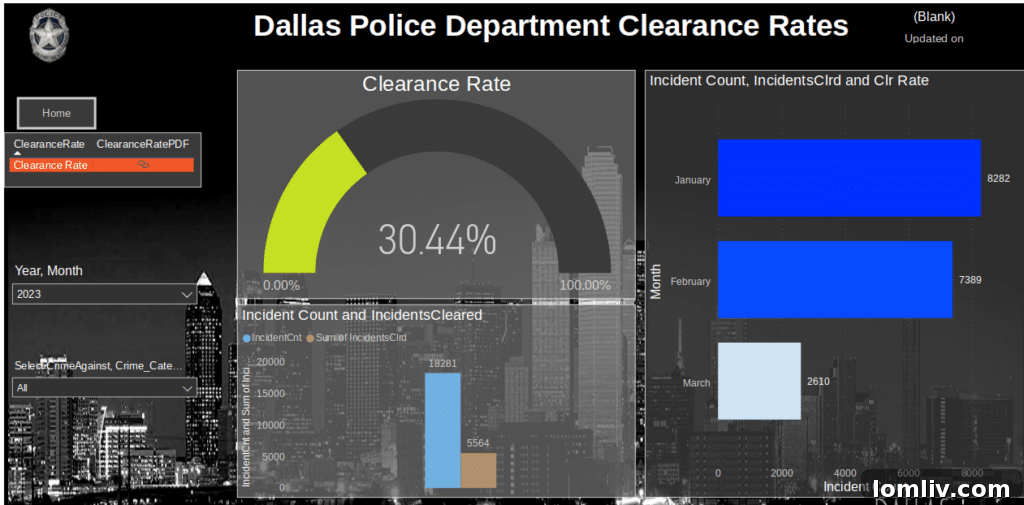
In response to these burgeoning concerns, the Dallas Police Department (DPD) emphasizes a multi-faceted approach to crime prevention and community engagement. Kristin Lowman, DPD Public Information Officer, directed inquiries to publicly available data-gathering resources such as the crime dashboard. Furthermore, open records requests have been filed to obtain more specific data regarding district-specific property crime, police response times, and prosecution data, aiming to provide a clearer, more comprehensive understanding of the situation.
A cornerstone of DPD’s strategy involves its Neighborhood Patrol Officers (NPOs), who are assigned to each patrol substation across Dallas. Lowman elaborated on the crucial role of these officers, stating, “The NPOs manage various community policing programs in [the assigned] area. Your local NPO can assist you and your neighborhood with developing a crime watch group or Volunteer in Patrol program.” These programs are designed to empower residents, foster community vigilance, and build stronger partnerships between citizens and law enforcement.
The DPD consistently monitors crime statistics on a daily basis, diligently identifying emerging trends and pinpointing areas of concern. “The safety of those who live, work and visit our city is the priority of the men and women of the Dallas Police Department,” Lowman affirmed. While specific operational details and tactics are withheld for public and officer safety, she confirmed that the department continually adjusts its patrols and crime plan to effectively prevent and deter criminal activity.
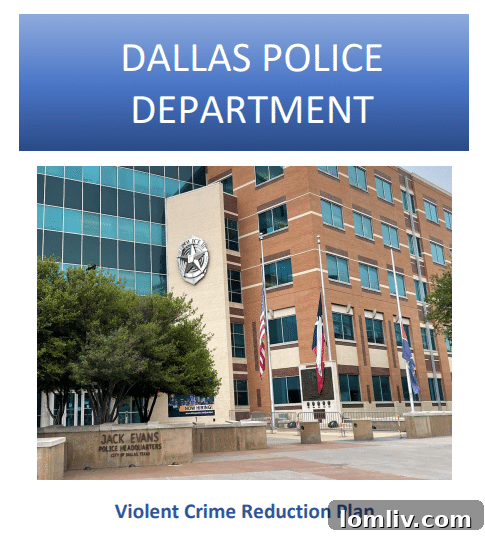
However, the DPD acknowledges that effective crime fighting is a shared responsibility. Officers rely heavily on the vigilant reporting and keen observations of residents. “The men and women of the Dallas Police Department cannot fight crime alone,” Lowman emphasized, reiterating the department’s call for community involvement. “Along with enforcement, we need the help of the public, businesses, community leaders, and clergy to help us to make Dallas a safer city. If you see something, say something. It will take all of us to make our city safer.” This message underscores the critical role that an active, informed, and engaged citizenry plays in fostering a secure environment for everyone in Dallas.
Editor’s Note: This is the first installment in our series on neighborhood crime by Dallas City Council district. Have you been the victim of a crime in a Dallas neighborhood or shopping center? We encourage you to share your experience with us at [email protected], as your insights are invaluable in understanding the true landscape of safety in our community.