The Dallas-Fort Worth (DFW) Metroplex continues to captivate investors, businesses, and residents alike, standing out as a dynamic hub within the national real estate landscape. This week’s roundup delves into key trends shaping the DFW real estate market, from its exceptional long-term growth prospects and significant commercial developments to the ongoing challenges in housing affordability that distinguish it from other regions.
Navigating the Dynamic Dallas-Fort Worth Real Estate Market: Trends and Opportunities
The Dallas-Fort Worth metropolitan area is frequently highlighted as a prime location for investment and growth, and recent analyses confirm its robust position. Despite a national shift in housing affordability, DFW’s unique blend of economic drivers, population growth, and strategic development initiatives solidifies its standing as a critical player in the national real estate conversation.
DFW Among Top 10 Markets Poised for Exceptional Performance
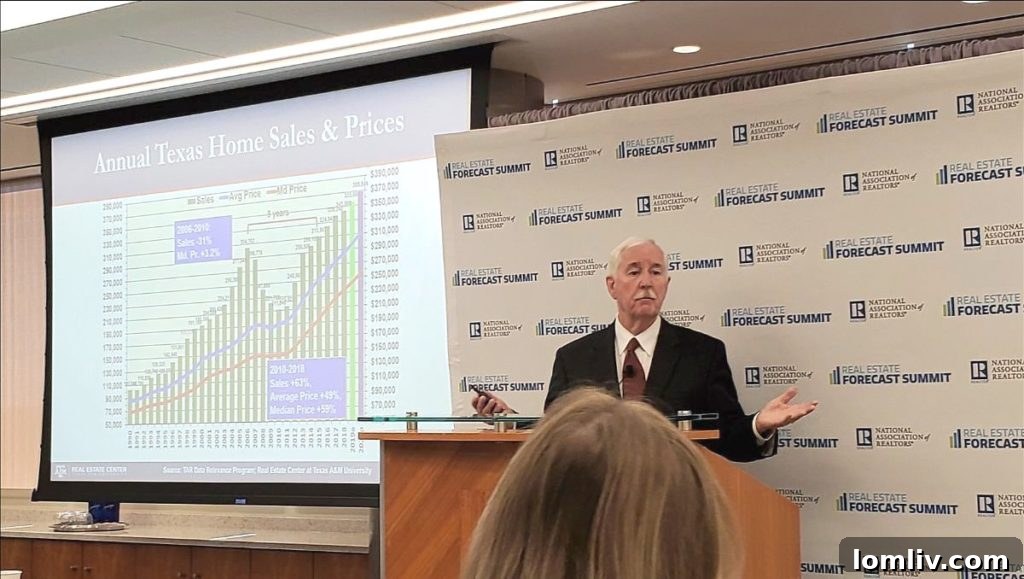
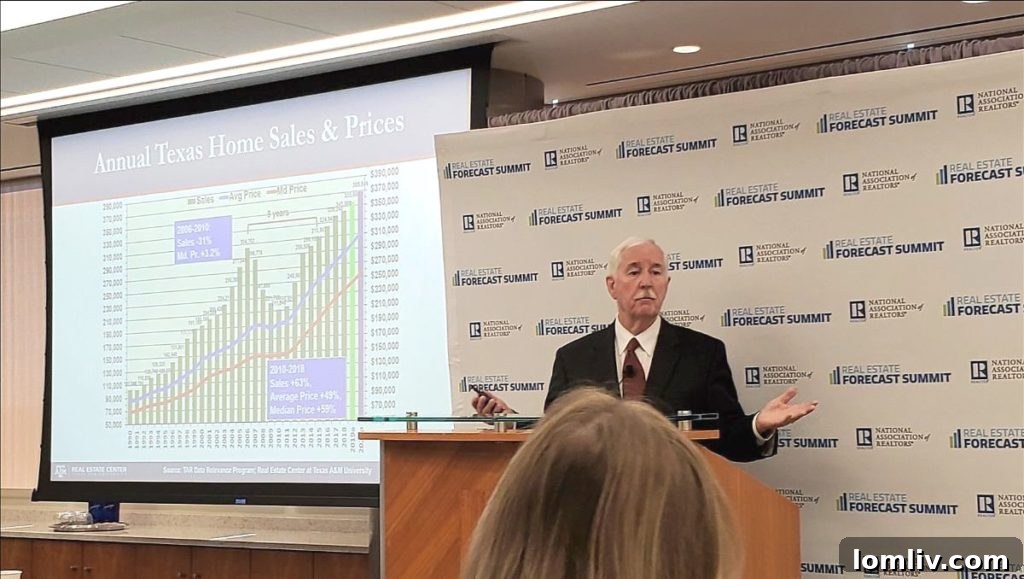
The Dallas-Fort Worth-Arlington metropolitan area has been recognized by the National Association of Realtors (NAR) as one of the top 10 markets expected to demonstrate stellar performance over the next three to five years. This accolade, announced at a recent NAR conference, underscores DFW’s resilience and inherent potential in a competitive national market.
According to NAR Chief Economist Lawrence Yun, specific markets are “clearly positioned for exceptional longer-term performance due to their relative housing affordability combined with solid local economic expansion.” While DFW’s affordability aspect requires nuanced discussion, its robust economic growth is undeniable. Yun further noted, “Drawing new residents from other states will also further stimulate housing demand in these markets, but this will create upward price pressures as well, especially if demand is not met by increasing supply.” This statement perfectly encapsulates the double-edged sword of growth in DFW.
Several critical factors underpin Dallas’ projected strong performance rate. Foremost among these are consistent and significant job growth coupled with expanding payroll employment. The region’s diverse economy, bolstered by thriving tech, finance, logistics, and healthcare sectors, continues to create abundant opportunities, attracting a steady stream of job seekers. This strong employment foundation acts as a powerful magnet for individuals and families relocating from other states, further stimulating housing demand across the Metroplex.
The influx of new residents, often referred to as “movers,” plays a crucial role in DFW’s market dynamics. Data indicates that a significant portion of these recent movers are homeowners, contributing to sustained demand for properties. Interestingly, the NAR summary reveals that “Over half of recent movers who are renters can afford to buy a typical local home.” This suggests a strong underlying financial capacity among new arrivals, indicating that many are moving with the intent or capability to transition into homeownership, further fueling the residential market.
For those recent movers who have purchased homes in Dallas, the median value stands at approximately $289,700. This figure provides a benchmark for understanding the entry point for many newcomers to the DFW housing market, reflecting the region’s overall appeal despite rising prices. This median value, while higher than some national averages, still represents an attractive proposition for many relocating from more expensive coastal markets.
Beyond DFW, the NAR identified several other markets expected to perform exceptionally well over the coming years. These cities often share similar characteristics of strong economic fundamentals, growing populations, and, in many cases, more favorable housing affordability when compared to gateway cities. The list includes:
- Charleston, S.C.
- Charlotte, N.C.
- Colorado Springs, Colo.
- Columbus, Ohio
- Fort Collins, Colo.
- Las Vegas, Nev.
- Ogden, Utah
- Raleigh-Durham-Chapel Hill, N.C.
- Tampa-St. Petersburg, Fla.
These markets, like DFW, benefit from robust job markets and an attractive quality of life, drawing significant population migration. Their inclusion on this list underscores a broader national trend of population and economic shifts towards dynamic, growth-oriented regions.
Source: National Association of Realtors
Construction Commences on Major Dallas Business Park
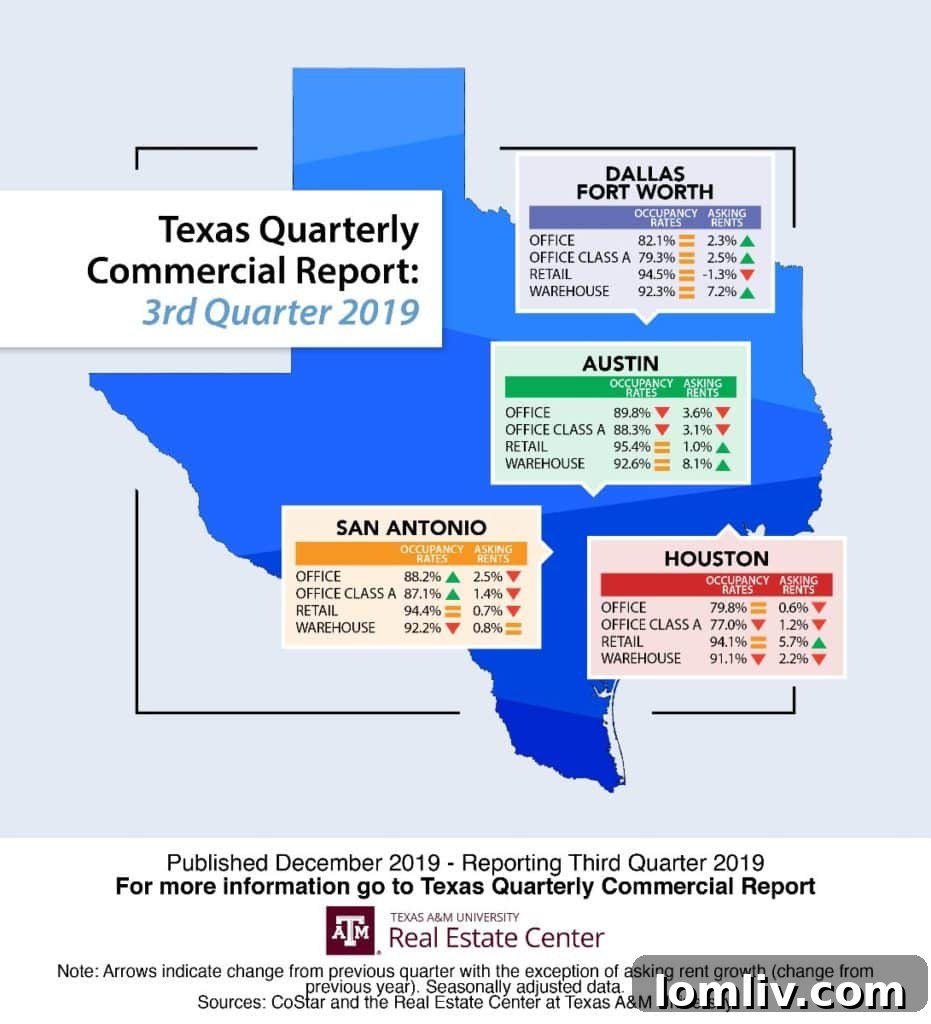
The commercial real estate sector in Dallas is experiencing equally impressive growth, exemplified by the initiation of a substantial industrial development. Construction has officially begun on a sprawling 100-acre industrial park located along Altamoore Drive, strategically positioned south of Interstate 20. This ambitious project is being spearheaded by Trammell Crow, a well-regarded name in commercial real estate development.
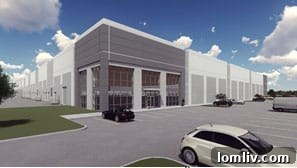
Phase One of the development is set to introduce a significant boost to the region’s industrial capacity. Plans include the construction of three state-of-the-art cross-dock buildings, collectively offering more than 615,000 square feet of prime warehouse and distribution space. This expansion is crucial for supporting the burgeoning logistics and e-commerce industries that rely heavily on efficient distribution networks. The DFW Metroplex, with its central U.S. location and extensive transportation infrastructure, is a natural fit for such large-scale logistics operations.
The project is a collaborative effort, with CBRE Global Investors joining as a key partner, bringing substantial investment and expertise to the table. FCL Builders, known for their proficiency in large-scale industrial construction, has been appointed as the general contractor, ensuring the project adheres to high standards of quality and efficiency. The involvement of such prominent entities signals confidence in the long-term demand for industrial space in the DFW market.
This industrial park is expected to not only meet the growing demand for warehousing and distribution facilities but also to create numerous jobs, ranging from construction and logistics to administrative roles. Its strategic location near a major interstate further enhances its appeal, providing businesses with excellent connectivity for regional and national distribution. This development is a testament to DFW’s continued evolution as a major economic powerhouse, attracting and fostering business growth across various sectors.
Source: Texas A&M University Real Estate Center
Housing Affordability on the Rise Nationally – But Not in Dallas
While some national trends indicate an improvement in housing affordability, the Dallas-Fort Worth market presents a contrasting picture. For many residents and prospective buyers in DFW, finding a home that aligns with a typical budget without significant financial strain remains a formidable challenge. The dream of homeownership, particularly for first-time buyers or those with median incomes, often feels increasingly out of reach.
Dallas continues to impress with its array of elegant homes, luxury developments, and million-dollar listings, reflecting its status as a desirable and affluent area. However, it notably does not feature among the top 10 cities that are making tangible progress toward becoming more affordable housing hubs. In a surprising turn, no Texas cities made the list of metros improving in affordability. Furthermore, El Paso, another significant Texas metro area, was specifically identified as a market where homeownership has become less affordable over time. This underscores a broader trend within the state where strong demand and limited supply are consistently driving up prices.
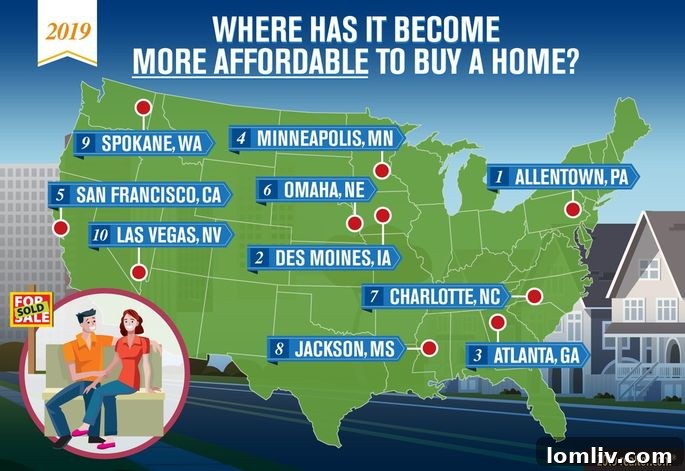
Clare Trapasso, a data analyst for realtor.com, meticulously examined the data to identify cities where affordability is showing positive trends. Her findings revealed a diverse group of metros where a higher percentage of homes are available to residents earning the median income. These cities offer valuable insights into the factors that contribute to improved housing accessibility:
- Allentown, Pa.: With a median list price of $224,950, approximately 59% of homes are accessible at the median income. This market benefits from a lower cost of living and a steady, but not explosive, demand.
- Des Moines, Iowa: Featuring a median list price of $262,350, 56% of homes are within reach for median-income earners. Strong local job growth combined with a historically more stable housing market contributes to its affordability.
- Atlanta, Ga.: With a median list price of $321,100, 41% of homes are available at the median income. Atlanta’s expansive metro area allows for more diverse housing options, though specific areas can be quite expensive.
- Minneapolis, Minn.: A median list price of $339,950 means 46% of homes are affordable at the median income. Minneapolis benefits from a strong economy and a commitment to urban planning that supports a range of housing types.
- San Francisco, Calif.: Despite its notoriously high median list price of $940,000, 18% of homes are technically available at the median income. This seemingly contradictory statistic highlights the extreme income disparities and the limited supply of even “relatively” affordable options in such a high-cost market.
- Omaha, Neb.: With a median list price of $279,300, 41% of homes are accessible at the median income. Omaha’s robust agricultural and financial sectors provide stable employment, supporting its affordability.
- Charlotte, N.C.: A median list price of $335,300 sees 32% of homes available at the median income. Like DFW, Charlotte is a fast-growing market, but perhaps with a slightly better balance of supply and demand or different wage structures.
- Jackson, Miss.: With a median list price of $251,550, 42% of homes are affordable at the median income. Lower overall cost of living and less intense market competition contribute to its higher affordability.
- Spokane, Wash.: A median list price of $349,750 provides 23% of homes at the median income. Spokane has seen growth, but not to the extent that it has completely eroded its historical affordability.
- Las Vegas, Nev.: With a median list price of $320,000, 25% of homes are available at the median income. Post-recession recovery and diverse economic development have allowed for some improvements in housing accessibility.
“Mortgage rates are much lower than they were, and incomes have actually grown this year for most Americans,” stated George Ratiu, realtor.com’s senior economist. “Those two things combined have led to an improvement in affordability for home buyers.” While Ratiu’s observation holds true for many parts of the country, it highlights the unique pressures in markets like DFW, where even favorable interest rates and rising incomes struggle to keep pace with the aggressive escalation of home prices. The robust demand, often fueled by corporate relocations and job creation, continually outstrips the pace of new construction, pushing prices upwards and making genuine affordability gains elusive for the average resident.
This challenge underscores the complex nature of the DFW housing market, where significant economic prosperity and population growth simultaneously contribute to both its appeal as a top-performing market and its struggle with housing affordability. Addressing this disparity will be a key focus for urban planners, developers, and policymakers in the years to come, as DFW strives to maintain its growth trajectory while ensuring sustainable living for all its residents.
Source: realtor.com