Preserving Dallas’ Past: The Urgent Fight for the Flanders House
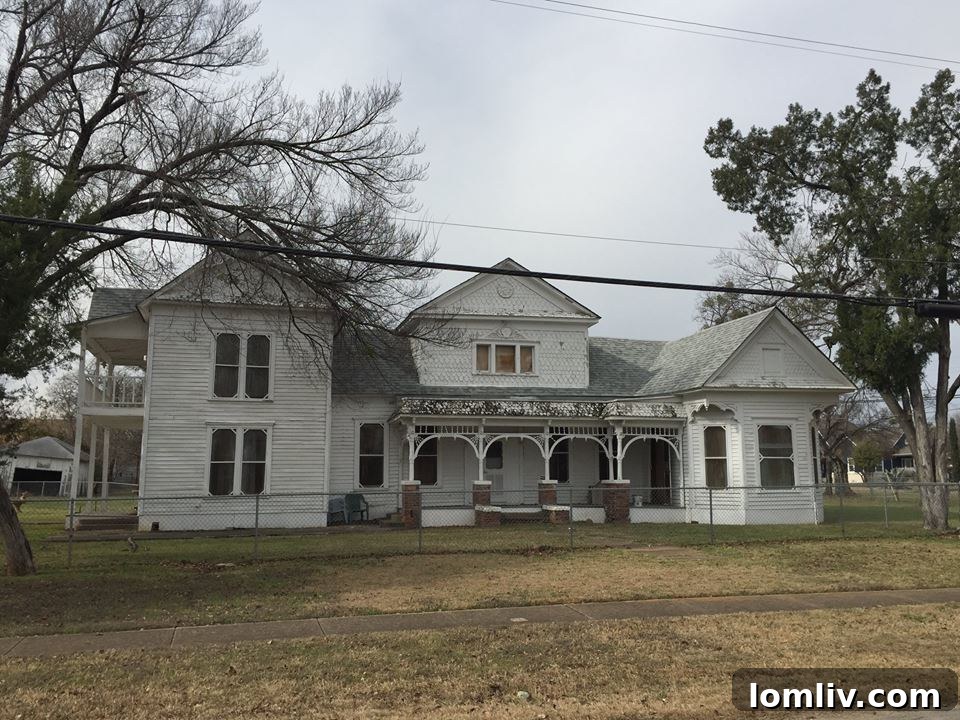
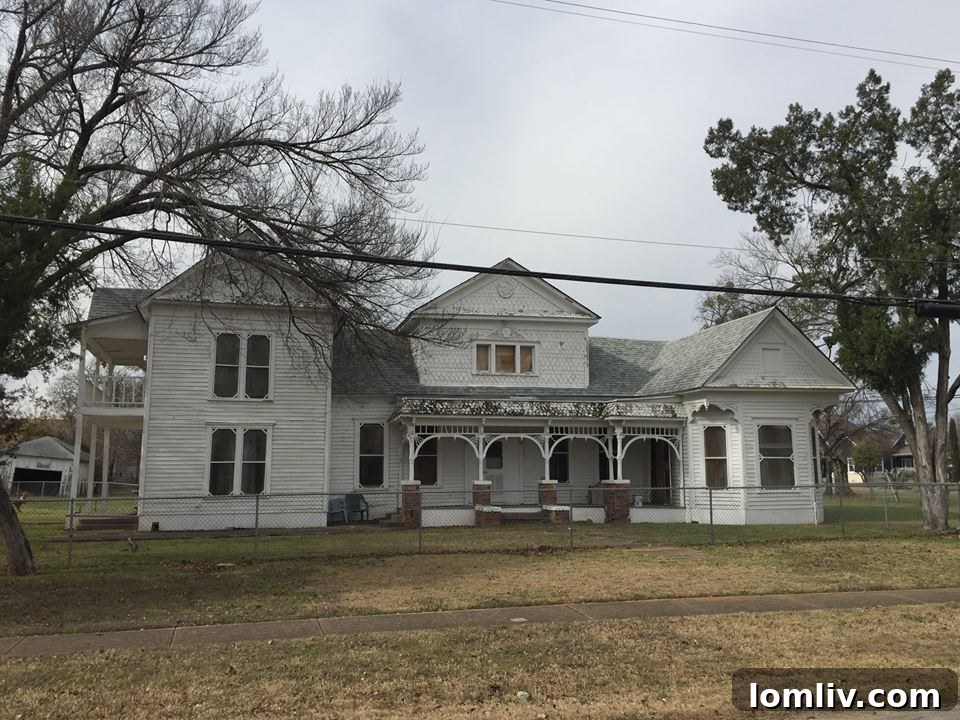
Nestled at 1923 N. Edgefield Avenue in West Dallas stands the Flanders House, a venerable sentinel of time and one of the city’s oldest surviving structures. Built an astonishing 125 years ago, this architectural gem served as the residence of James Edward Flanders, a figure widely celebrated as Dallas’ first prominent architect. While historical accuracy might suggest others preceded him, Flanders undeniably played a pivotal role in shaping the burgeoning city’s landscape, and his own home stands as a direct testament to his vision and the design sensibilities of the late 19th century.
Remarkably, the Flanders House offers an almost perfectly preserved window into a bygone era. Untouched by modernization or significant renovation since the 1960s, it retains its original character, appearing much as it did when it was first completed in the 1890s. This lack of alteration, while contributing to its current fragility, also enhances its immense historical value. It serves as a tangible reminder of the distinct way of life and the architectural styles that defined Dallas prior to the turn of the 20th century, a period of rapid growth and transformation for the burgeoning Texan city.


A Developer’s Dilemma and a Community’s Hope
Today, the land upon which the Flanders House proudly stands is slated for redevelopment. In a common narrative seen in rapidly growing urban centers, historic structures often find themselves at odds with modern progress. However, in a refreshing turn, the developer involved recognizes the inherent value of this unique property and is actively seeking alternatives to demolition. This willingness to preserve rather than destroy offers a glimmer of hope for the Flanders House, but it also ignites a race against a rapidly ticking clock.
The urgency of the situation cannot be overstated. With redevelopment plans advancing, the window of opportunity to save this significant piece of Dallas’s past is narrowing considerably. The challenge now lies in translating good intentions into concrete action, a task that requires significant coordination, funding, and community support.
Architectural Grandeur: A Glimpse into the Past
A closer examination of the Flanders House reveals a rich tapestry of architectural elements characteristic of its era, showcasing the craftsmanship and design trends popular in the late 19th century. Its enduring structure tells a story of elegance and meticulous detail:
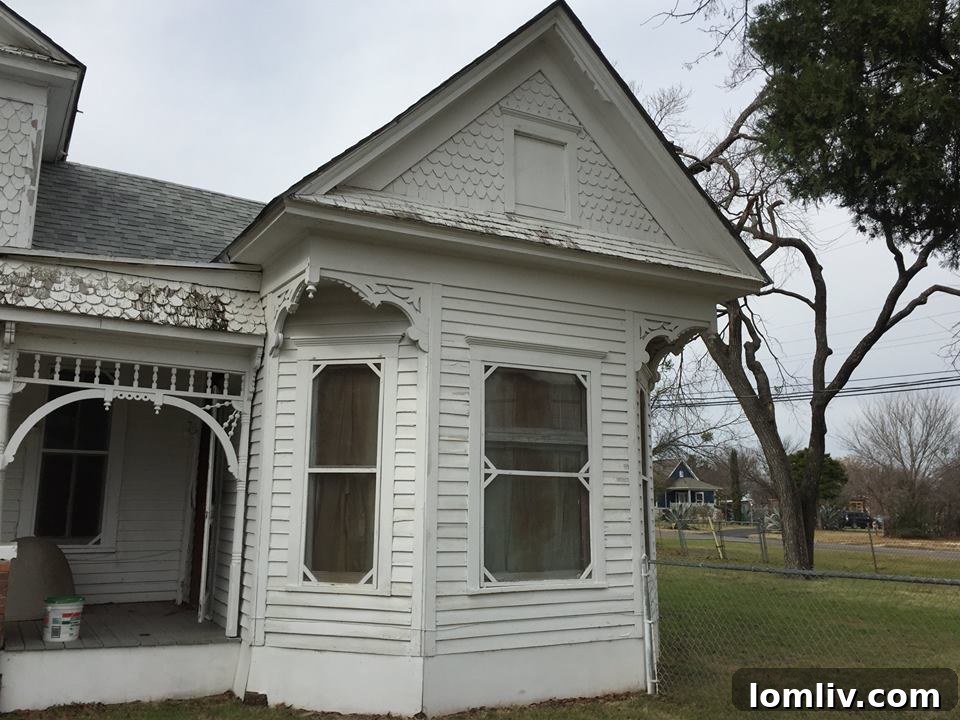
- Medallion and Carved Lintel: Above dormer windows, one can observe exquisitely detailed medallions and carved lintels, indicative of the era’s appreciation for ornate decorative elements and skilled woodworking. These features often served as status symbols, reflecting the owner’s prosperity and taste.
- Transom and Sidelights: The front door is flanked by elegant transom windows above and sidelights on either side. This classic Victorian design not only enhances the entry’s aesthetic appeal but also allowed natural light to flood the interior hallway, creating a welcoming and spacious feel.
- Spandrel on Porch with Spindle Work: The front porch features intricate spandrel detailing, characterized by delicate spindle work and finely turned posts. Such elaborate porch ornamentation was a hallmark of Victorian homes, providing both aesthetic charm and a comfortable, semi-private outdoor living space.
- Mansard Porch Roof: A distinctive Mansard-style roof crowns the porch, adding a touch of sophisticated French influence to the otherwise American Victorian design. This multi-sloped roof, with its distinctive double pitch, contributes significantly to the house’s unique profile.
- Bay Window with Two-Thirds Split Window: The prominent bay window, a common feature designed to maximize light and expand interior space, boasts a two-thirds split window configuration, adding another layer of visual interest and period authenticity.
- Possible Rear Kitchen Addition: A notable architectural detail is the possible kitchen addition located at the rear of the house. During this period, kitchens were frequently constructed in separate or semi-detached structures to mitigate the significant fire risk posed by early wood-burning stoves and open hearths. This foresight was crucial, as a kitchen fire could easily engulf an entire home.
- Window with Imbrication: Surrounding certain windows, the presence of imbrication – an overlapping, scale-like pattern – suggests a high level of decorative finish and craftsmanship, further emphasizing the home’s original grandeur.
- Fish Scale Patterned Wood Shingles: The use of fish scale patterned wood shingles on certain sections of the exterior provides a delightful textural contrast and is another quintessential design element of late Victorian architecture, adding to the house’s unique visual appeal.
DEEP Steps In: A Collective Effort for Preservation
Recognizing the immediate threat and the immense historical value of the Flanders House, the Dallas Endowment for Endangered Properties Inc. (DEEP) has taken swift action. This dedicated preservation group recently secured a crucial verbal agreement with the developer. In a significant win for preservationists, the developer has commendably agreed to allocate a portion of their demolition budget towards the monumental task of relocating the historic homestead, demonstrating a commendable commitment to heritage beyond mere profit.
DEEP, a relatively new but highly motivated organization, is now spearheading the fundraising efforts to make this move a reality. However, as a nascent preservation group, their financial resources are still developing. The clock is relentlessly ticking, and while DEEP is actively gathering funds, the immediate need is pressing. Founder Lisa Marie Gala, drawing on past experiences with similar projects, estimates the cost of moving such a structure rarely exceeds $30,000, a figure that provides a tangible goal for the community.
Currently, DEEP possesses only a few thousand dollars in its coffers, highlighting the critical need for broad community support. The organization is diligently working to raise additional funds and is urgently seeking a volunteer moving company equipped to handle the delicate and complex task of relocating a historic home, ideally on short notice. This pivotal moment calls for the generosity of Dallas residents and enthusiasts of history alike.
Support the vital work of DEEP and help save the Flanders House. Donate here.
The “Where To” Dilemma: Finding a New Home
Beyond the financial and logistical challenges of moving, historic preservationists frequently encounter another significant hurdle: finding a suitable new location for the rescued property. This is precisely the situation facing the Flanders House.
Fortunately, an inspiring solution has emerged through the dedication of environmental engineer Terri Symond. Symond owns a beautiful wooded lot on Coombs Creek Drive, just south of Illinois Avenue. Her ideal vision is to move the Flanders House to this serene location, offering it a new lease on life amidst nature. However, her property comes with a conservation easement, a legal restriction that currently prohibits the construction or placement of a house on the land. This legal barrier, while designed for environmental protection, presents a unique challenge to the preservation effort.
Symond’s involvement began serendipitously during her environmental testing work on the developer’s property. Upon learning of the Flanders House’s impending demolition, she felt an immediate connection, describing it akin to wanting to save “an old sweater a friend is about to toss.” The developer, Symond notes, has been exceptionally supportive, even extending assistance in the complex process of removing the conservation easement from her lot. This collaboration underscores the powerful impact of individual passion combined with corporate responsibility.
As Lisa Marie Gala and DEEP intensify their fundraising efforts to secure the necessary capital for the house’s relocation, Terri Symond is simultaneously navigating the intricate legal framework to lift the conservation easement on her property. This parallel effort highlights the multi-faceted nature of historic preservation, often requiring expertise across various domains, from fundraising to environmental law. The group emphasizes that donors are more than welcome, especially those who might possess invaluable resources such as a robust flatbed truck capable of transporting a house, or even an alternative piece of land that could serve as a permanent home for this irreplaceable historical asset.
A Legacy for Future Generations
Imagine the Flanders House standing proudly in its new location, not merely as a relic, but as a vibrant educational tool. Preserving this home offers an extraordinary opportunity to engage school children and the broader public, providing a tangible connection to how people lived, worked, and built their lives in Dallas over 125 years ago. It offers lessons in architecture, social history, and the evolution of urban life. The meticulous details of its Victorian design, from the fish scale shingles to the transom windows, can serve as a living classroom, inspiring a new generation to appreciate and protect their heritage.
The fight for the Flanders House is more than just saving an old building; it’s about safeguarding a piece of Dallas’s soul, honoring the legacy of pioneers like James Edward Flanders, and ensuring that future generations can learn directly from the architectural stories etched in its very timbers. Every donation, every volunteer hour, and every shared story brings the community closer to achieving this vital goal.
Join the movement to protect Dallas’s architectural treasures. Contribute to DEEP’s efforts today.