A New Era for Historic Preservation in Dallas: The DEEP Fund Receives 501(c)(3) Status
For dedicated preservationists across Dallas, including Lisa Marie Gala, Virginia McAlester, and Jim Rogers, the recent announcement from the IRS heralds a momentous victory. The Dallas Endowment for Endangered Properties (DEEP) has officially been granted tax-exempt status under Section 501(c)(3) of the U.S. Internal Revenue Code. This crucial designation marks a pivotal moment, empowering DEEP to significantly scale its efforts in safeguarding the irreplaceable architectural heritage of Dallas.
The timing of this recognition could not be more poignant. As Lisa Marie Gala remarked, the determination letter arrived just days before National Historic Preservation Month, an annual observance dedicated to celebrating the nation’s rich history. Furthermore, 2016 marked the 50th birthday of the National Historic Preservation Act (NHPA), a landmark piece of legislation that has profoundly shaped preservation efforts across the country since its inception. “Opening our determination letter just a few days ago was perfectly timed and exhilarating,” Gala shared, emphasizing the collective excitement surrounding DEEP’s expanded capabilities.
Understanding DEEP’s Innovative Revolving Fund Model
At the heart of DEEP’s strategy is its straightforward yet highly effective revolving fund concept, a model designed to create a sustainable pipeline for historic property rescue. Gala succinctly outlines this ambitious approach: “We will receive or buy, own, restore, deed restrict, and sell endangered properties.” This isn’t merely about acquiring threatened buildings; it’s a comprehensive strategy that encompasses responsible stewardship and long-term protection.
The process begins with identifying historically significant properties that are either neglected, at risk of demolition, or facing detrimental alterations. Once acquired, DEEP undertakes carefully planned restoration efforts, ensuring that these structures retain their historical integrity while being adapted for viable reuse. A critical step in this model is the implementation of deed restrictions. These legal covenants protect the historical character of the property indefinitely, even after it is sold to a new owner, preventing future inappropriate modifications or demolition. The proceeds from the sale then replenish the revolving fund, allowing DEEP to acquire and restore another endangered property, creating a continuous cycle of preservation. This unique approach ensures that every dollar invested has a lasting impact, allowing the fund to grow and protect an ever-increasing number of Dallas’s historic treasures. It is, as Gala puts it, “new century preservation” – a proactive, economically sound, and sustainable method to protect our past for future generations.
The Critical Importance of Historic Preservation in Dallas
Dallas, a city known for its dynamic growth and modern skyline, also possesses a rich tapestry of historical architecture that tells the story of its evolution. From stately Victorian homes and Art Deco commercial buildings to mid-century modern gems, these structures are more than just old buildings; they are tangible links to our past, embodying the cultural, social, and economic narratives of the community. Preserving them is not merely an aesthetic choice; it’s an investment in community identity, heritage tourism, sustainable development, and economic vitality. Historic preservation promotes walkable neighborhoods, supports local businesses, and reduces urban sprawl by revitalizing existing infrastructure.
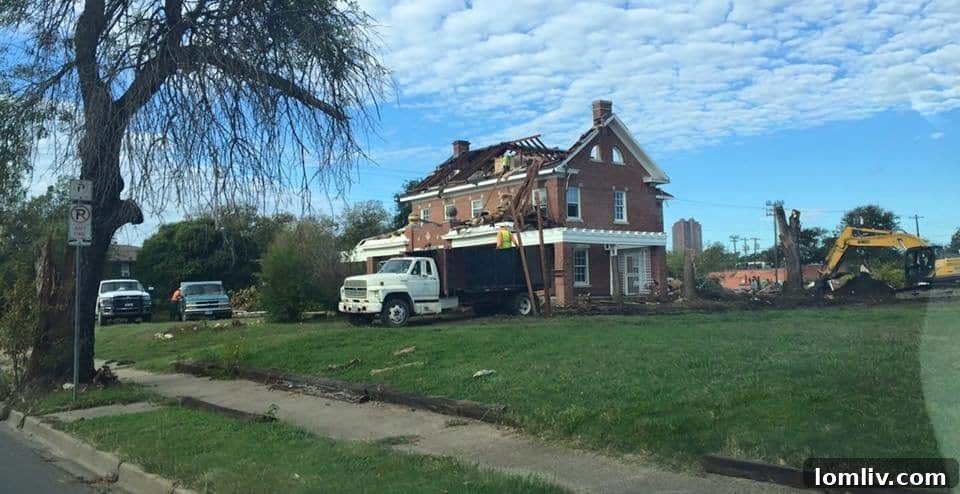
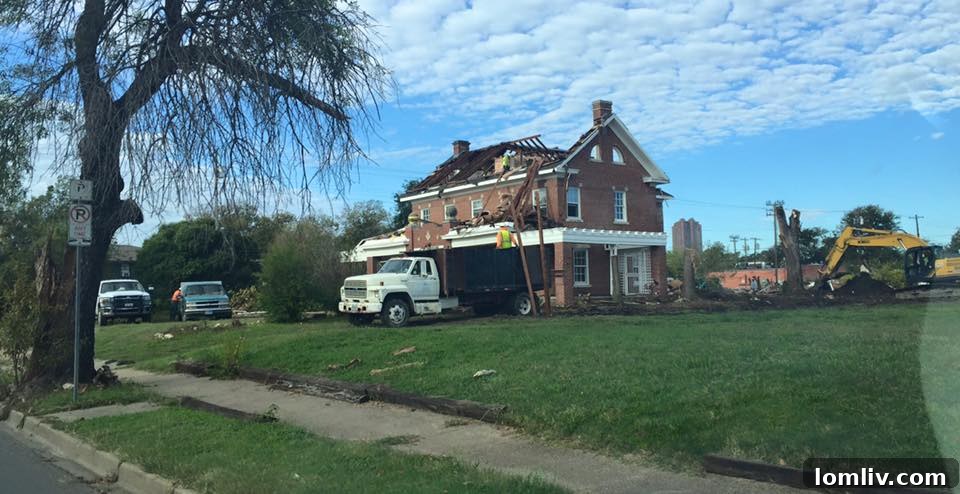
However, many of these invaluable properties face relentless threats. Rapid urban development, neglect due to aging infrastructure, rising property values, and the high costs associated with specialized historic restoration often lead to the loss of significant landmarks. The unfortunate demolition of the stately manor at 4109 Live Oak, vividly depicted in the accompanying image, serves as a stark reminder of the urgent need for robust preservation mechanisms. Such losses erase a piece of Dallas’s soul, diminishing its unique character and severing connections to its legacy. DEEP was founded precisely to counteract these pressures, ensuring that Dallas’s architectural narrative remains vibrant and intact.
Empowering Action: The Significance of 501(c)(3) Status
The granting of 501(c)(3) tax-exempt status by the IRS is a transformative milestone for the Dallas Endowment for Endangered Properties. This designation officially recognizes DEEP as a public charity, operating for the public good, and bestows several critical advantages that will profoundly impact its ability to achieve its mission. Most notably, contributions donated to DEEP are now fully tax-deductible, retroactive to the organization’s founding on November 14, 2015. This means that individuals, foundations, and corporations can support DEEP’s vital work knowing their generosity also provides significant tax benefits.
For DEEP, this status opens countless doors for expanded fundraising activities. It makes the organization eligible for grants from various philanthropic foundations that exclusively support 501(c)(3) non-profits. It also enhances DEEP’s credibility and appeal to major donors, who are often more inclined to contribute to established charitable organizations. This heightened fundraising capacity is essential to fuel the revolving fund, enabling DEEP to acquire more properties, fund more extensive restorations, and implement more protective deed restrictions. Ultimately, this enhanced financial footing allows DEEP to more fully realize its overarching goal: to protect more historic properties that are at significant risk of further neglect or outright demolition, thereby safeguarding Dallas’s architectural treasures for generations to come.
The Visionary Founders Behind DEEP’s Mission
The Dallas Endowment for Endangered Properties was brought to life through the unwavering dedication and shared vision of its esteemed founders: Lisa Marie Gala, Virginia McAlester, Jim Rogers, and their beloved colleague, the late Neil Emmons. These individuals, each with a profound commitment to historic preservation, recognized the pressing need for an innovative, action-oriented organization to tackle the unique challenges faced by Dallas’s historic properties. Their combined expertise in historic architecture, urban planning, community advocacy, and non-profit management laid the solid foundation upon which DEEP now stands.
As a 501(c)(3) non-profit corporation, DEEP’s objective is clear and critical: to acquire, control, and mitigate damage to historic properties identified not only as valuable in their heritage but also economically viable for reuse. This dual focus on historical significance and practical sustainability ensures that DEEP’s interventions are impactful and create long-term value for the community. The founders envisioned a future where Dallas’s historic fabric is not just admired but actively protected, restored, and integrated into the city’s ongoing growth, rather than being sacrificed to it. They also emphasize partnering with “outstanding stewards” – developers, individuals, or organizations who share their commitment to sensitive and historically appropriate development.
Join the Effort: How to Support DEEP and Dallas’s Heritage
The Dallas Endowment for Endangered Properties invites the community to join its critical mission. With the new tax-exempt status, every contribution is now an investment in the enduring character and future of Dallas. Supporting DEEP means directly contributing to the preservation of architectural gems, the revitalization of neighborhoods, and the rich cultural narrative that defines our city. Whether it’s a small donation or a substantial gift, every dollar helps to strengthen DEEP’s revolving fund, ensuring that more at-risk properties can be saved from neglect and demolition.
Investing in historic preservation is an investment in community pride, economic stability, and environmental sustainability. It’s an opportunity to become a direct participant in shaping Dallas’s legacy, ensuring that the stories etched in its historic buildings continue to inspire and educate future generations. DEEP is ready to put your generosity to work, securing a vibrant and historically rich future for Dallas.
Donations of any size are greatly appreciated and can be made to DEEP’s revolving fund account:
Veritex Community Bank
Lakewood Branch
2101 Abrams Road
Dallas, Texas 75214For more information or to discuss your contribution, please contact:
Personal Banker: Amanda Surratt
Phone: (214) 269 – 2115
Looking Ahead: A Future Preserved for Dallas
With its newly secured 501(c)(3) status and a robust revolving fund model, the Dallas Endowment for Endangered Properties is poised to become an even more formidable force in historic preservation. The organization’s commitment to acquiring, restoring, and protecting Dallas’s valuable architectural assets ensures that the city’s unique character will not be lost to the relentless march of time and development. Through proactive intervention, strategic partnerships, and community support, DEEP offers a beacon of hope for endangered properties, transforming threats into opportunities for revitalization and celebrating the beauty and significance of Dallas’s past as it builds its future.