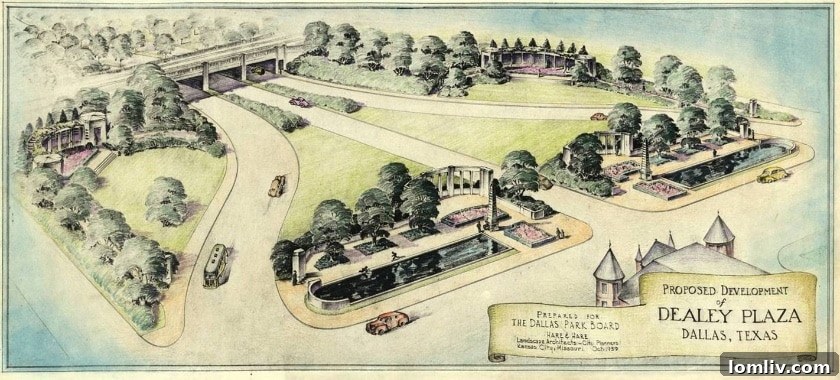
Dallas, a city rich with stories and significant moments, often grapples with its historical identity, sometimes seemingly striving to diminish it. The latest site facing potential historical erosion is Dealey Plaza, a place of profound national importance. In this two-part historical exploration, preservation architect Norman Alston invites us to reflect deeply on our gratitude for the past. We hope his insights provide meaningful food for thought, especially regarding the critical need for historical preservation within our urban landscape.
-Karen Eubank
Unveiling Dallas’s Forgotten Past: Why Preservation Matters
By Norman Alston, FAIA
It’s a familiar refrain I’ve encountered countless times, yet its persistence continues to astound me: “Dallas doesn’t have much history, and most of what we did have has been torn down.” This sentiment, often voiced by those outside the preservation community, recently came from a highly respected, accomplished architecture and design professional within our own city – someone I would have confidently assumed possessed a deeper understanding of Dallas’s historical foundations. This instance perfectly encapsulates the core of our ongoing challenge.
The assertion is unequivocally false. Dallas boasts a remarkably rich and diverse history, reflected not only in its narratives and people but also in its architectural heritage. Far from being a city devoid of historical significance, Dallas is home to over 2,000 locally designated landmarks. Furthermore, there are likely several times that number of properties eligible for landmark status, awaiting owners who recognize their value and choose to pursue official recognition. The problem isn’t a lack of history, but rather a pervasive lack of awareness, tragically illustrated when even seasoned local professionals perpetuate this misconception. If those deeply involved in shaping our built environment are unaware of this wealth, how can we expect the broader public to understand and appreciate it?
The Absence of a Preservation Culture in Dallas
A significant portion of our community remains largely ignorant of Dallas’s profound history, including the pivotal events and transformative forces that have sculpted this vibrant city and gifted us the distinctive urban landscape we inhabit today. Without a robust understanding of this history, or a genuine appreciation for its intrinsic value, Dallas appears to be caught in a relentless cycle of losing cherished historic buildings and sites. We lack what I term a “Culture of Preservation” – a collective mindset that values, protects, and celebrates our past as an integral part of our present and future identity.
This critical deficiency has been starkly highlighted by several recent events. We’ve witnessed the lamentable loss of a remarkable Hutsell-designed home in Lakewood, a testament to significant local architectural talent, fall to demolition. Simultaneously, the very survival of the historic Como Motel in Richardson faces an imminent threat. These aren’t isolated incidents affecting only lesser-known structures or residential properties. The problem of historical attrition permeates our entire urban fabric, threatening even our most iconic landmarks. To underscore the severity and depth of this problem, the second part of this article will delve into the current precarious situation of Dealey Plaza, arguably one of Dallas’s most historically significant sites.
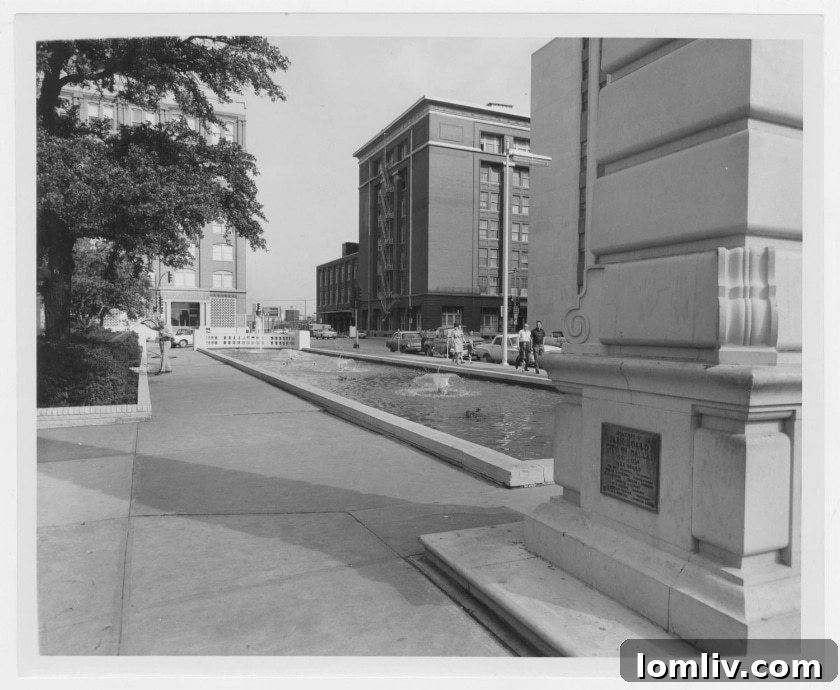
Dealey Plaza: A Tapestry of Dallas History
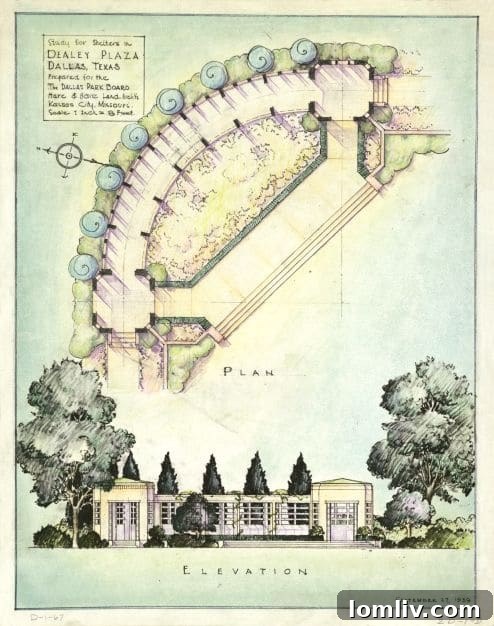
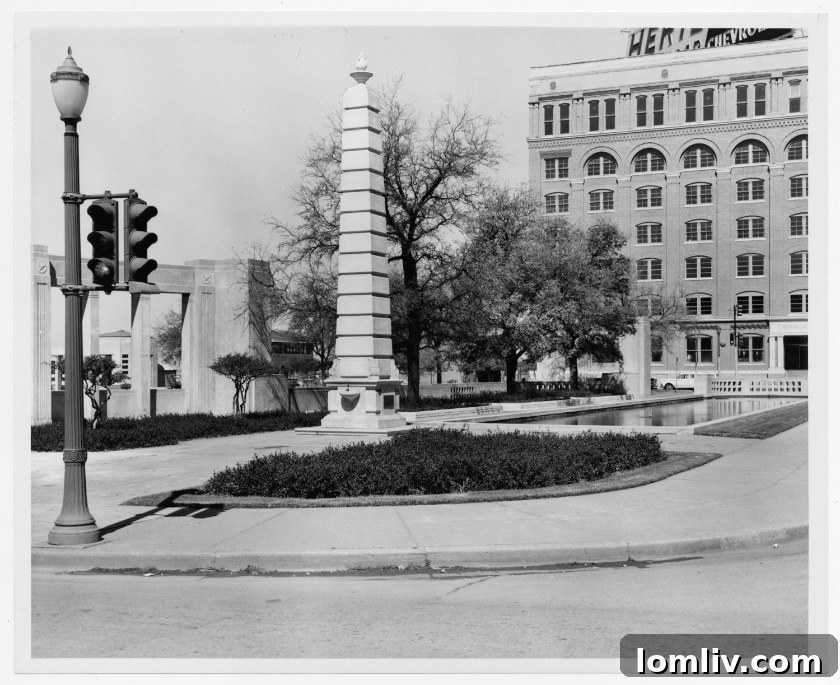
Indeed, a compelling argument can be made that Dealey Plaza stands as the single most important historic site in Dallas. Its status as a National Historic Landmark is the highest and most prestigious designation available in the United States, a distinction it shares locally only with iconic sites such as Fair Park, Highland Park Village, and the Fort Worth Stockyards. Dealey Plaza is not defined by a singular event, but by multiple overlapping periods and significant occurrences that have profoundly shaped Dallas and the nation. These layers of history include:
- The Birthplace of Dallas: From the city’s earliest days until the 1920s, Dealey Plaza and its immediate vicinity were widely acknowledged as the “Birthplace of Dallas.” This area was the genesis point for the burgeoning settlement, hosting the city’s first house, the inaugural store, the first fraternal lodge, and the initial courthouse. It was the epicenter from which Dallas began its remarkable journey of growth and transformation, serving as the civic and commercial heart of the nascent community. Understanding this foundational role is crucial to appreciating the full historical weight of the plaza.
- The Legacy of George Bannerman Dealey (1859–1946): From 1885 and extending through his impactful life, Dealey Plaza has been intimately connected with the extraordinary life and distinguished career of George Bannerman Dealey, a true visionary for Dallas. His monumental accomplishments include founding and meticulously operating The Dallas Morning News, transforming it into a vital voice for the city. Beyond journalism, Dealey was a relentless campaigner for the channelization of the Trinity River, a project that profoundly impacted Dallas’s economic and geographical development. He spearheaded the revitalization of the western end of Downtown Dallas and contributed to an astonishing array of important business and community efforts – a list far too extensive to fully recount here. His civic engagement and entrepreneurial spirit fundamentally laid the groundwork for modern Dallas. If you are unfamiliar with his legacy, a simple online search will reveal the immense depth of his contributions to our city.
- The Triple Underpass: A Symbol of Modernity and Transition: Completed just in time for the monumental Texas Centennial Celebration of 1936, the Triple Underpass stands as a powerful architectural and engineering reminder of a significant paradigm shift in Dallas’s growth. For decades, the railroads had been the primary engine nurturing and shaping the city’s expansion. However, the underpass heralded the ascendance of a new dominant technology: the automobile. In the rapidly evolving 1930s, automotive technology and road development expanded at a dizzying pace, with Dallas consistently at the forefront of adopting these innovations. The fundamental purpose of the Triple Underpass was to efficiently separate the trains, which previously lumbered along downtown Dallas streets, from the burgeoning automobile traffic. Long, slow-moving trains increasingly created severe congestion and safety hazards when encountering the faster, more nimble vehicles of the new age. More than merely a congestion relief measure, the Triple Underpass also showcased the popular Art Deco design detailing of the era, reflecting a forward-looking aesthetic. It was celebrated as “The Gateway to Dallas,” immortalized in the vibrant postcards popular at the time. This structure was the showpiece of a series of similar, albeit smaller, grade separations that extended along the railway tracks well south of downtown. While some of these historic crossings have unfortunately been lost over the years, many that remain are now clearly threatened by future urban development. Like it or not, the automobile has exerted, and continues to exert, substantial influence on Dallas’s urban development and spatial organization. Historically, these remnants of a pivotal era are incredibly significant, yet they are slowly, quietly vanishing.
- Martyr’s Park (Formerly Dealey Annex): A Somber Memorial: Not directly within Dealey Plaza itself, but immediately adjacent on the river side of the railroad bridge, “on the other side of the tracks,” lies Martyr’s Park. The park’s poignant name and a recently installed memorial art installation serve as a solemn reminder of an initial barbaric event in the area’s history. In 1860, three enslaved Black men were falsely accused of igniting a devastating fire and orchestrating a supposed slave uprising. Without due process, they were summarily lynched at this approximate location, a horrific act that underscores the brutal racial injustices of the era and casts a long shadow over Dallas’s early history. This site serves as a vital, albeit painful, testament to a critical period of racial violence and injustice that must never be forgotten.
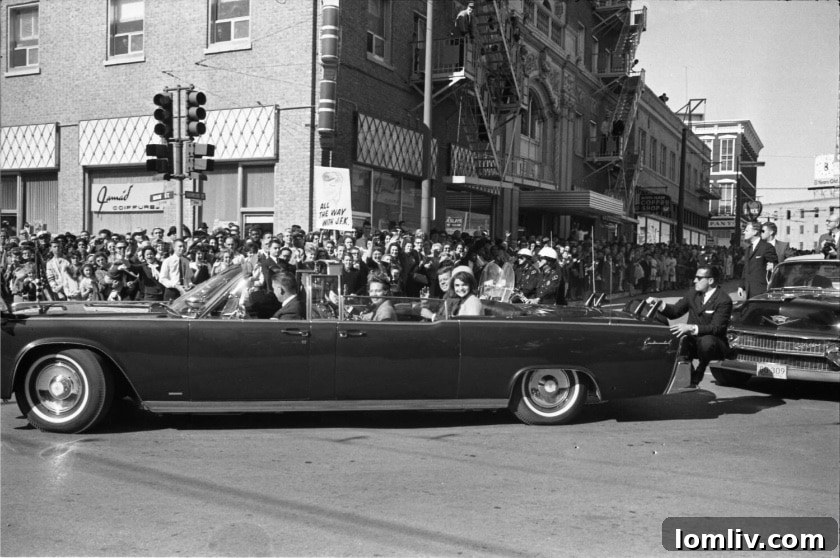
- November 22, 1963: A Day That Changed the World: Of course, the tragic events of this day are what indelibly etched Dealey Plaza into the international consciousness, making it globally famous and prompting continuous efforts to acknowledge, interpret, and protect its history. The trauma inflicted by the violent and untimely assassination of President John F. Kennedy on these grounds irrevocably altered Dallas, sent shockwaves across the country, and undeniably impacted the world forever. The plaza stands as a silent witness to a moment of profound national grief and historical turning point, compelling us to remember and reflect on its enduring significance.
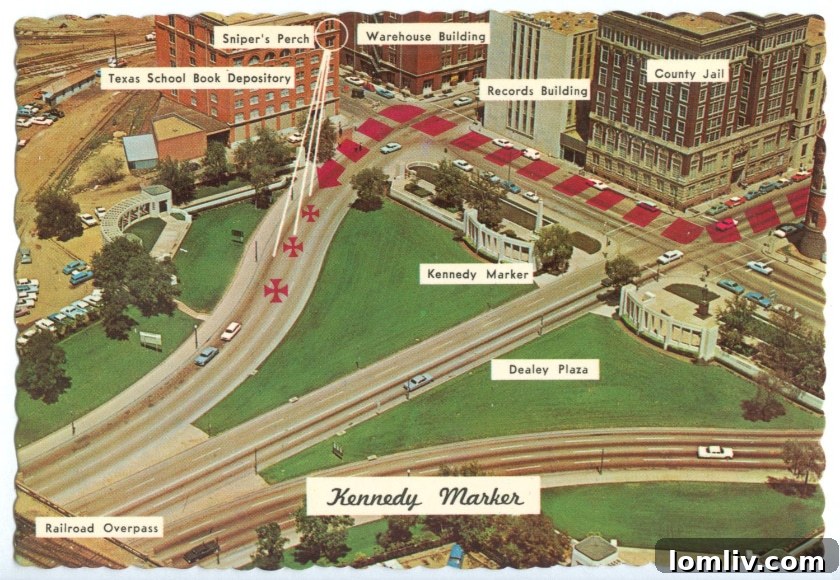
Protecting Dealey Plaza’s Enduring Legacy
From the harrowing legacy of slavery to the assassination of a United States President, and encompassing myriad significant events in between, Dallas possesses a rich, complex, and at times profoundly tragic history. Dealey Plaza has been either directly involved in or served as the immutable backdrop for this history for over 160 years. It stands as legitimate a historic site as exists anywhere in the world, embodying layers of narratives that are crucial to understanding not just Dallas, but also the broader American experience.
Yet, despite its undeniable importance and National Historic Landmark status, Dealey Plaza finds itself locked in a perennial battle with modern expectations and developmental pressures. These contemporary forces often threaten to erode its real value as a tangible witness and powerful testament to our collective past. The struggle to preserve Dealey Plaza is not merely about protecting old bricks and mortar; it is about safeguarding memory, confronting challenging truths, and ensuring that future generations can engage directly with the physical space where pivotal historical moments unfolded. Cultivating a true Culture of Preservation in Dallas means recognizing that places like Dealey Plaza are not relics to be removed or reimagined, but rather living monuments whose stories must be protected, understood, and continually re-evaluated to truly appreciate the intricate and often difficult journey of our city and nation.