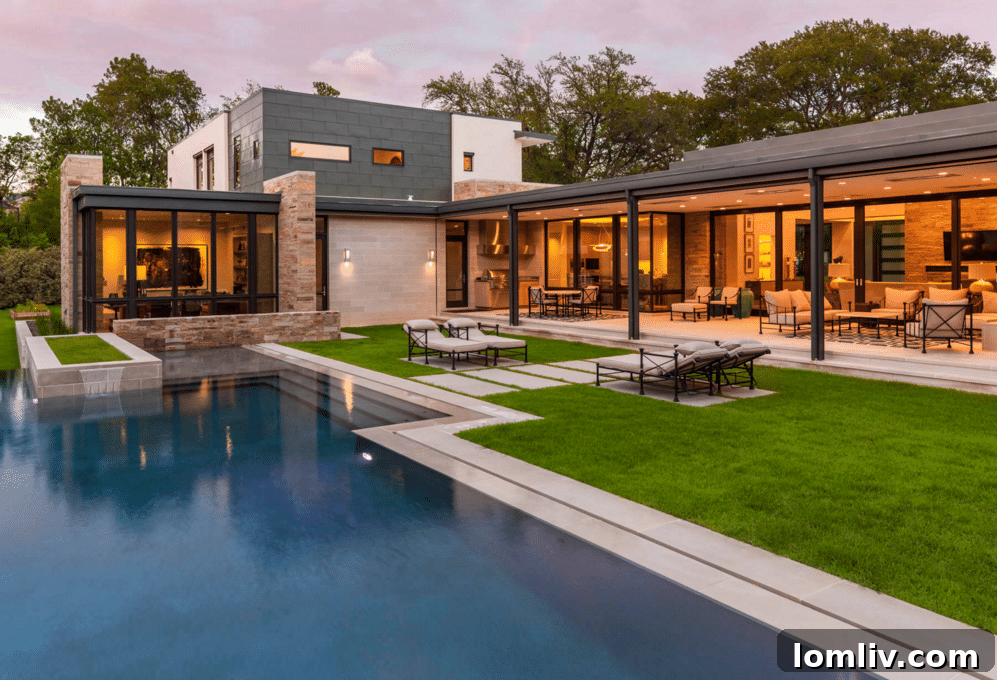
Unveiling Beauty in Design: An Exclusive Interview with Architect David Stocker of SHM Architects
In our continuing “Interview with an Architect” series, we connect with influential figures in the North Texas architecture community. This edition spotlights David Stocker, AIA, a visionary architect and co-founder of Stocker Hoesterey Montenegro Architects. Stocker is celebrated for his profound approach to residential, commercial, and sacred spaces, guided by a distinctive theological philosophy that seeks to manifest beauty in the world, one meticulously crafted project at a time. This insightful conversation delves into his formative experiences, core principles, and the exciting trajectory of his award-winning firm.
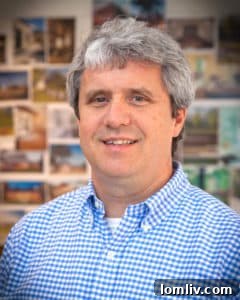
Stocker articulates his perspective on aesthetics, stating, “I see beauty as largely objective—in a sense, we are ‘hardwired’ to experience beauty. It is a common trait in our humanity. The creative process is really discovering, or in most cases re-discovering, these timeless patterns of what is known as beauty.” This foundational belief underpins the work of Stocker Hoesterey Montenegro (SHM) Architects, a firm he established nearly eleven years ago with partners Mark Hoesterey and Enrique Montenegro.
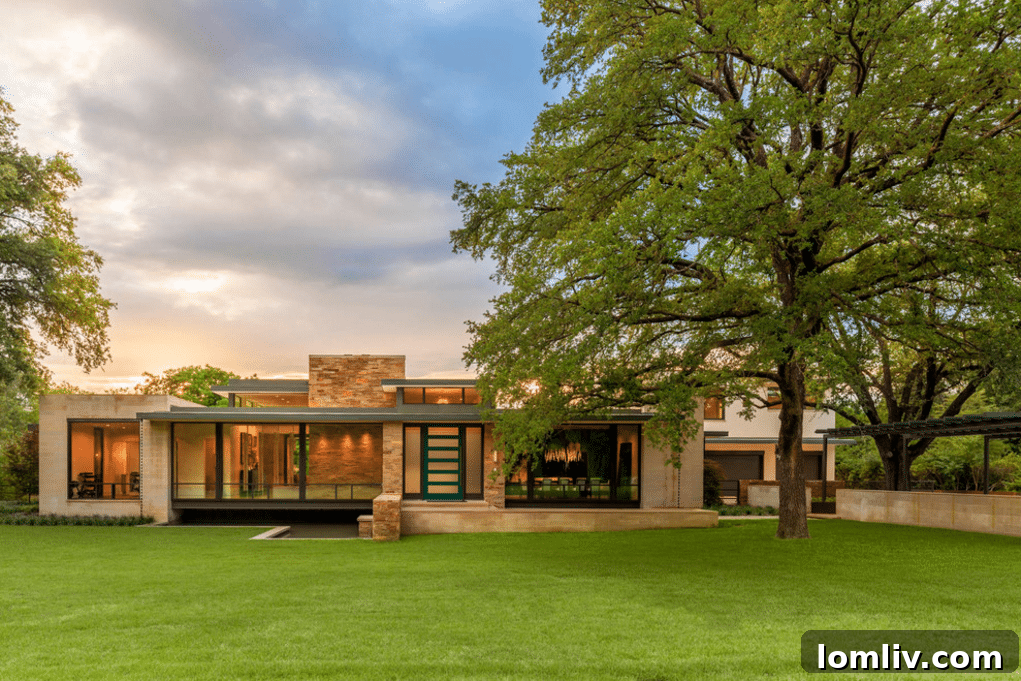
Based in Uptown Dallas, SHM Architects has carved a niche for itself through a commitment to exceptional design and client-focused service. Their philosophy, as outlined on their firm profile, underscores a blend of humility and expertise: “We consider ourselves ordinary people who are extraordinarily good at our work. We care deeply about our craft and who it affects, and it is our desire to be always conscious of our design principles and core values, regardless of project type, scope, style, or location.” Their dedication to this vision is vividly showcased in their extensive portfolio on Houzz, which has earned them multiple “Best of Houzz” design and service awards from 2014-2015, along with a recent design accolade this year. We were privileged to sit down with David Stocker to discuss his journey, architectural philosophy, memorable projects, and more.
An Architect’s Journey: Influences and Milestones
Where did you grow up, and how did that environment shape your early interest in architecture?
I grew up in Central Illinois, positioned geographically between St. Louis and Chicago. This location was incredibly fortuitous, granting me early and easy access to the seminal works of architectural giants such as Frank Lloyd Wright, Louis Sullivan, and Mies van der Rohe, among others. Exposure to these masterpieces ignited my lifelong passion for architecture. My path then led me south, where I pursued my architectural education at the University of Arkansas. I was incredibly fortunate to study under E. Fay Jones, who was an active and influential professor at the time. I cherished my time at the school and the program—so much so that my daughter is now attending. After graduating in 1984, I decided to make Texas my home and commenced my professional career at the renowned HKS Architects.
Can you describe your relationship and experience working with the noted architect Victor Lundy?
During my tenure at HKS, I was afforded the extraordinary opportunity to serve as assistant architect to Victor Lundy. Victor is an architect of immense talent and passion, and his mentorship was truly transformative. He vividly demonstrated what it meant to approach architecture with genuine ardor. His iconic buildings, such as the U.S. Tax Court Building and the First Unitarian Church in Westport, Connecticut, stand as testament to his incredible and timeless vision. Beyond the projects, Victor also played a pivotal role in encouraging me to take a sabbatical from HKS to travel the world and immerse myself in the great works of architectural history.
In 1990, my wife Jennifer and I, as newlyweds, embarked on an unforgettable year-long backpacking journey across Europe. This period proved to be a pivotal point in my career, allowing me to experience magnificent places and spaces firsthand. Architecture transcended mere aesthetics and became deeply experiential for me. My understanding shifted from viewing architecture as a “style” to recognizing it as an actual, tangible place. I would spend hours sitting, sketching, and photographing these spaces, contemplating what made them so captivating. This journey profoundly reinforced my perspective that architecture is best understood as a series of linked, repeatable, and timeless “patterns,” rather than a rigid system of global styles. It resonated deeply with the principles espoused by Christopher Alexander in his seminal work, A Pattern Language, profoundly influencing my future work and thinking. Sharing this incredible adventure with my wonderful wife, of course, made it all the more enjoyable and meaningful.
In 1994, you joined Weldon Turner and Brett Boaz in their burgeoning residential architecture firm, which later became Turner Boaz Stocker Architecture. What was particularly notable about that period?
My decade with Turner Boaz Stocker Architecture was an invaluable experience, particularly in understanding the intricacies of building an architectural firm from the ground up and delivering high-end design. During my time there, we had the privilege of undertaking numerous significant projects across the Dallas area and indeed around the country. Crucially, this period also allowed us to attract and cultivate exceptional young architectural talent, including Mark Hoesterey and Enrique Montenegro. By 2005, I felt it was time for a new chapter. Mark and Enrique shared similar visions and aspirations, leading to our collective decision to establish Stocker Hoesterey Montenegro in the summer of 2005.
What was the primary motivation behind founding Stocker Hoesterey Montenegro Architects?
Our fundamental motivation for founding the firm was, first and foremost, to produce truly excellent architecture. It is a shared dream for many architects to build something from the ground up, and while it’s a challenging endeavor, it’s also incredibly rewarding. We were driven by a desire to make good architecture more accessible to a broader clientele, all while fostering an enjoyable and collaborative work environment. We’ve been exceptionally fortunate to grow a firm comprised of outstanding individuals, and after more than ten years, we continue to find immense joy and fulfillment in our work, constantly pushing the boundaries of design excellence.
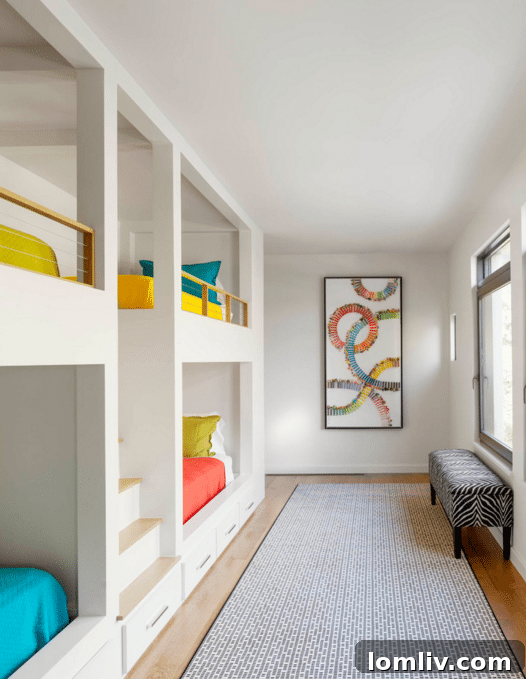
Architectural Philosophy: Beauty, Brokenness, and Timeless Patterns
How would you describe your personal architecture philosophy?
For me, it fundamentally originates from a theological perspective. I often articulate it by saying, “The world is beautiful, yet broken.” If one perceives it as solely beautiful, they overlook its inherent brokenness. Conversely, if one focuses only on the brokenness, they miss the profound beauty. My role as an architect is not to create a utopia—that’s beyond the scope of architecture. Instead, we carry the significant responsibility of acknowledging the world’s brokenness while simultaneously adding beauty to it, one thoughtful project at a time. It’s about conscious creation within an imperfect reality.
How does this philosophy of creating beauty in a broken world manifest in the diverse architectural styles your firm employs?
Our firm readily embraces a spectrum of architectural expressions, including what are commonly labeled “traditional” architecture, “modern” architecture, and “transitional” architecture. I intentionally place quotes around these style classifications because what truly matters, and what we consistently prioritize, are the underlying timeless patterns. While our projects might feature distinct material palettes or window configurations typical of different styles, it’s truly remarkable how the core ideas and principles possess a profound commonality. Interestingly, one of the most frequent comments we receive is that people struggle to categorize our work into a single style. I interpret this as an immense compliment, as it suggests our architecture successfully shifts the conversation away from superficial stylistic labels towards a more profound, potentially objective understanding of beauty—a testament to our commitment to those underlying patterns.
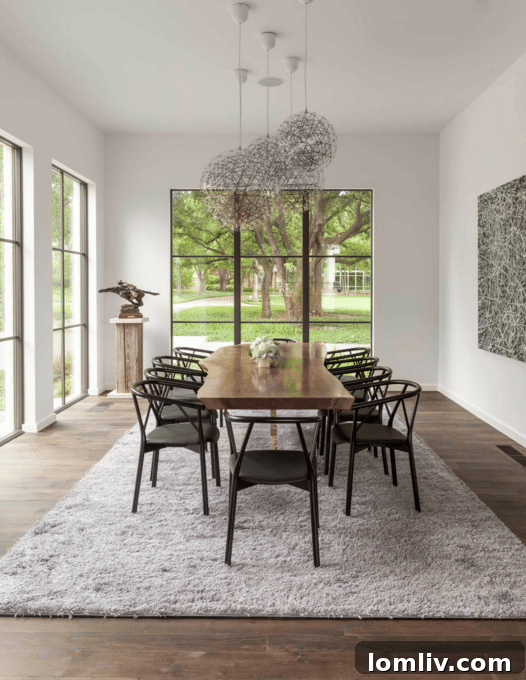
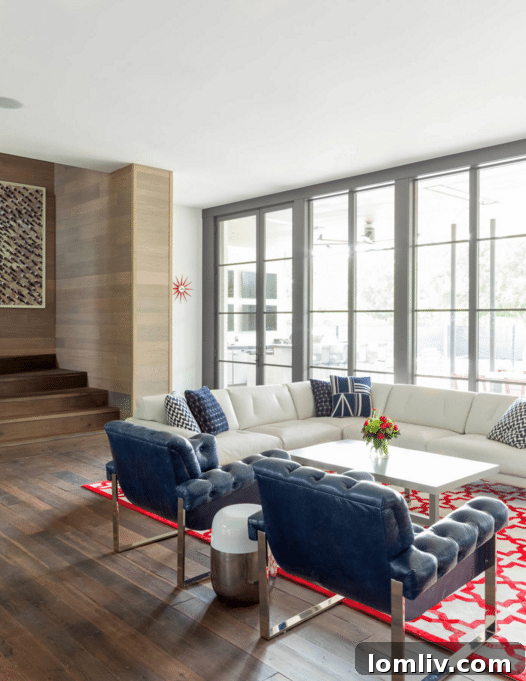
Current Endeavors and Sacred Spaces
What current projects are you working on that excite you the most?
It’s been an exceptionally productive year, so I have quite a few projects that I’m very enthusiastic about. We’re currently deep into a significant project on Drane in Greenway Parks, collaborating with the talented interior designer Jay Jeffers from San Francisco and contractor Rusty Goff. Another long-term project in Vaquero is nearing completion and promises to be truly terrific. We also have our inaugural project in Montana, slated for completion this summer, with Debra Walker as the interior designer. Several projects within the prestigious Park Cities area are also set to finish this year. Furthermore, I’m in the midst of negotiating a fascinating project in Connecticut, which presents an exciting possibility for expanding our brand to the East Coast. I’m certain Mark and Enrique could offer their own impressive lists of equally exciting projects. All told, it’s a dynamic and thriving period for our firm, brimming with innovative opportunities.
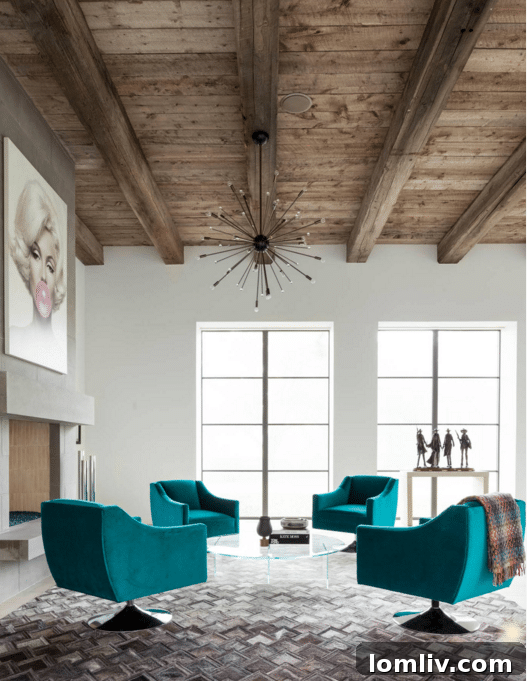
You have designed several sacred spaces. What draws you to this particular type of work, and how does it differ from other architectural endeavors?
My sketching travels through Europe were perpetually cast in the awe-inspiring shadow of immense, beautiful cathedrals, many of which took scores of years to construct. These structures evoke an incredible sense of the transcendent—an “otherness” that defies simple explanation. What consistently fascinated me wasn’t just the Gothic architecture itself, but the sheer ‘weight’ of these buildings. The solid stone walls, of unimaginable thickness, built upon massive foundations, creating structures that felt both immense and utterly immovable. This inherent quality of permanence and gravity is what I strive to capture.
We were incredibly fortunate to design a chapel on a ranch situated in rugged West Texas—a truly unique project that one encounters perhaps once in a lifetime. It’s a beautifully simple building, crafted from very thick, solid masonry, perched atop a hill offering miles of unobstructed views. Our office assistant, Emma Hamblen, an exceptionally gifted writer, penned a piece for our website journal that I believe perfectly encapsulates what draws me to this type of work. She wrote:
St. Francis Chapel in Breckenridge, Texas, is indeed sacred. Not just because it’s a chapel, but because it says something about the world and it says something about human nature. It admits to the imperial loneliness of human existence. Nestled on top of a hillside overlooking the surrounding landscape, everything—even the visible homestead—feels far away. It’s pretty much just land for miles, and that is simultaneously calming and terrifying. And seeing all of that space makes us ask ourselves some intensely uncomfortable questions. Where would we go if we had nowhere to turn? What would we do when we realized we were alone? So the chapel makes us ask the questions, right, but it also provides answers. “You’d come here,” it says. “You wouldn’t be alone here.”
Ultimately, for me, it’s all about evoking that profound sense of weight and permanence.
Dallas’s Enduring Gems: A Critique of Architectural Accolades
What’s your favorite building in Dallas, residential or commercial, and what makes it stand out for you?
While it might sound unconventional, I would unequivocally choose Highland Park Village. It isn’t celebrated for a single spectacular building or the notoriety of a star architect. Instead, its brilliance lies in the harmonious interplay of its buildings and the thoughtfully designed spaces in between them. It epitomizes exceptional urbanism within a suburban context—a truly remarkable feat. It defies many conventional “rules” for shopping centers yet consistently commands the highest retail rates, a testament to its enduring appeal and functionality. It’s evident that its original architects, Fooshee and Cheek, deeply considered the very elements that our firm also prioritizes: what truly makes great places. They created an environment that fosters community and delight.
Undoubtedly, Highland Park Village has experienced its share of fluctuations over its 85-year history. However, the ultimate test of truly great architecture is its capacity to be cherished and loved across generations. I have always believed it is more than deserving of a prestigious 50-year award from the American Institute of Architects (AIA). Yet, such accolades are frequently bestowed upon structures like Dallas City Hall, designed by I.M. Pei, or the Fort Worth Water Gardens by Philip Johnson. It puzzles me why sites that have served as backdrops for dystopian films—Dallas City Hall notably featured in Robocop, and the Fort Worth Water Gardens in Logan’s Run—receive such recognition, while simple, beloved places like Highland Park Village, which have enriched lives for decades, are often overlooked. It speaks to a dichotomy in architectural appreciation that I find perplexing, highlighting the often-overlooked value of spaces that genuinely connect with and serve people.
If you know an architect (or are an architect yourself!) who deserves to be featured in this occasional column, please feel free to email Leah here.