The Dallas luxury real estate market is currently navigating an unprecedented landscape, characterized by dynamic shifts in buyer preferences, significant inventory shortages, and evolving economic factors. Recently, a panel of esteemed Realtors and a prominent lender, representing sought-after Dallas neighborhoods such as Lake Highlands, the Park Cities, Preston Hollow, and Lakewood, convened to discuss these critical trends. Their insights shed light on the post-pandemic market’s complexities, offering valuable perspectives on what today’s discerning buyers truly desire and how builders can best respond to these demands.
This star-studded panel, featuring some of Dallas’s most respected luxury real estate agents, shared their expert thoughts at a recent Dallas Division luncheon, proudly hosted by the Dallas Builders Association. The discussion delved into the intricacies of building and design trends, acknowledging the persistent challenge of a staggering lack of available inventory across these prime Dallas locales. Their collective experience offered a comprehensive overview of the market’s current pulse, setting the stage for an in-depth exploration of the factors shaping luxury home sales in North Texas, and highlighting the ongoing demand for high-end properties despite market fluctuations.

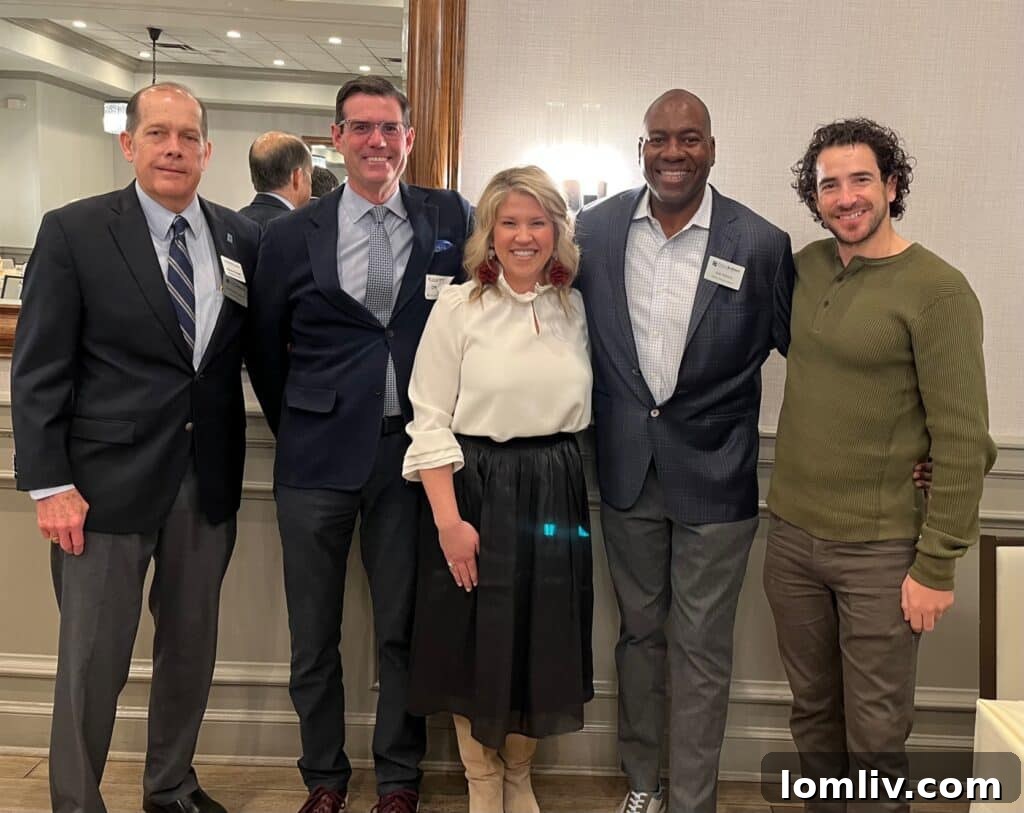
The insightful panel comprised distinguished real estate professionals: Amy Timmerman of Dave Perry-Miller Real Estate, Alex Perry of Allie Beth Allman & Associates, and Scott Jackson of Compass. Providing crucial financial context was lender Steve Puckett from Prosperity Bank. Guiding the discussion with skill and expertise was Realtor Joe Atkins, ensuring a robust exchange of ideas on the state of the luxury housing market and its future trajectory.
A significant point of discussion centered around the complex and often misunderstood topic of interest rates, a key factor influencing buyer confidence and affordability in the Dallas real estate market. Steve Puckett, a seasoned lender, emphasized the ongoing challenge of educating buyers. “My biggest challenge on a regular basis is educating buyers on what rates are, where they’ve been, and where they’re going,” Puckett stated. He elaborated on the speculative nature of rate predictions, highlighting that “Nobody really knows for sure. It’s all conjecture and looking at data. Data changes and you can look at different data sets.” This sentiment underscores the fluidity of the financial market and the need for personalized guidance from experienced professionals. Despite the uncertainty, Puckett confirmed that “We’ve always looked at these deals on an individual basis. We’re still making loans,” reassuring prospective homeowners that financing opportunities remain robust, albeit requiring a thorough understanding of current market conditions and tailored financial strategies.
Dallas Luxury Real Estate: Navigating a Severe Inventory Shortage
The conversation quickly turned to the pressing issue of inventory, a dominant theme in the post-pandemic real estate landscape, particularly within the luxury segment of Dallas. Joe Atkins reflected on the frenzied buying spree that characterized the initial recovery period. “Coming out of the pandemic, buyers got whatever they could,” Atkins noted. He recalled a period of rapid appreciation, stating, “The market was going up, on average 1.5 percent per month for about 18 months.” However, the market has since shifted, prompting Atkins to pose critical questions to the panel regarding the current dynamics: “Now fast-forward and we’re in a different market. With spec homes, especially on the higher end, are you seeing buyers take a step back? Are they being more picky? Are they negotiating harder on certain items?” These questions aimed to uncover the subtle yet significant changes in buyer behavior as the market adjusts.

Scott Jackson offered a direct answer, explaining that the mounting talks of a recession last August caused many builders to adopt a protective stance, hesitant to commit to large-scale investments. This cautious approach, combined with lingering supply chain issues and labor shortages, has now culminated in a critical and widespread lack of housing inventory across Dallas’s most desirable neighborhoods. Jackson provided a stark illustration of this problem in one of Dallas’s most coveted areas. “In Lakewood, where there are about 5,000 homes, there are 10 homes on the market today,” he revealed. “There are four existing homes where you can move in today, out of 5,000. That tells you we’ve got a serious inventory issue.” This scarcity isn’t unique to Lakewood; similar patterns are observed across other high-demand areas like the Park Cities and Preston Hollow, where bespoke luxury properties are particularly rare and competition among buyers remains fierce.
Adding to the complexity of the Dallas luxury housing market, Alex Perry highlighted the extended timelines for high-end construction. What might have been built in a year now frequently stretches to two years or more at the luxury level. This prolonged duration is primarily due to several factors, including ongoing supply chain disruptions affecting materials, persistent labor shortages in skilled trades, and the inherent complexities of custom luxury builds. Perry explained that a builder’s ability to pre-sell homes is heavily dependent on their individual risk tolerance, with many preferring to build only when a significant portion of the project is secured or when market conditions offer greater certainty. This cautious approach further constrains the flow of new luxury homes onto the market, exacerbating the supply-demand imbalance and making it increasingly challenging for agents to meet buyer expectations in Dallas’s competitive real estate landscape.
However, there’s a glimmer of hope on the horizon regarding the city’s permitting process, which has historically been a bottleneck for new construction. Attendees at the luncheon expressed palpable optimism about the elimination of Dallas’s building permit backlog and the introduction of the city’s same-day permitting program. These proactive measures are anticipated to draw back builders who previously left Dallas due to the prohibitive difficulties and delays of doing business within the city limits. A more streamlined and efficient permitting system could significantly reduce construction timelines, encourage new development, and thereby slowly alleviate the severe inventory crunch that has plagued the Dallas luxury housing market. This shift represents a crucial step towards fostering a more builder-friendly environment, stimulating growth, and ultimately offering more options for discerning homebuyers.

Compounding the existing demand for limited inventory is the significant economic growth Dallas is experiencing, cementing its reputation as a burgeoning corporate hub. In a major announcement last June, financial giant Goldman Sachs confirmed plans to construct an expansive 800,000-square-foot office tower situated strategically between Victory Park and Uptown. This monumental development is projected to bring up to 7,000 new employees to Dallas, a demographic that will undoubtedly require high-quality housing commensurate with their professional standing. Realtors on the panel unanimously agreed that this influx of professionals from a major financial institution is a primary driver of sustained demand in the luxury sector, creating an even more competitive environment for homebuyers seeking premium residences in Dallas’s vibrant urban and suburban landscapes.
Joe Atkins shared a compelling anecdote illustrating this “Goldman Sachs effect” on the local market, particularly in highly desirable areas like Lakewood. About a year ago, when he listed a luxury home in Lakewood, he was astonished by the immediate and targeted interest it generated. “Six of the 11 offers were from Goldman Sachs people,” he recounted with surprise. “That blew my mind. That told me Goldman’s a real player as far as people needing houses.” This anecdote vividly demonstrates the direct correlation between major corporate relocations and heightened demand for premium residences. It signals a robust and sustained need for luxury housing in Dallas, especially in neighborhoods known for their excellent schools, community amenities, and prestigious addresses, further intensifying the competitive nature of the luxury real estate market.
What Luxury Homebuyers Want: Evolving Design Trends Post-COVID
The discussion also focused intently on the evolving preferences of luxury homebuyers in the post-COVID era, a period that has reshaped how individuals perceive and utilize their living spaces. Joe Atkins framed the shift by recalling the initial pandemic-driven demands. “Coming out of COVID, the big thing we talked about was work from home, workspace, pools, larger kitchens,” he stated, reflecting on a time when homes became central to every aspect of life, from work and education to recreation and entertainment. “Everybody was spending all this time at home.” However, as society gradually returns to normalcy, Atkins emphasized the critical need for builders to adapt to refined tastes: “Now we’re getting back to normalcy. Builders need to know what buyers are wanting.” This necessitates a nuanced understanding of how previous demands have matured and what new, refined features are now prioritized by discerning luxury clients, moving beyond mere necessity to sophisticated comfort and functionality.
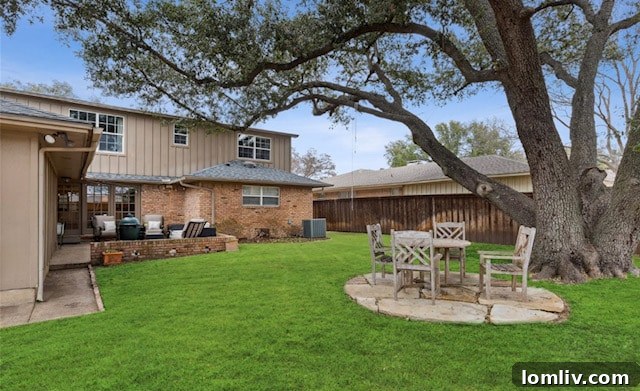
Amy Timmerman, who primarily sells homes in the thriving Lake Highlands area, noted the significant transformation of this neighborhood. Historically known for extensive renovations, Lake Highlands has recently been “discovered” by both builders and affluent buyers seeking its unique charm, mature trees, and excellent amenities. “We’ve had a lot of specs going up in the neighborhood, and I’ve tried to advise our builders on what buyers are looking for,” she explained. Timmerman highlighted that the dedicated home office remains a crucial feature, evolving beyond a temporary workspace into a permanent, well-appointed sanctuary for productivity, often including built-ins and advanced connectivity. Furthermore, she observed a strong resurgence in traditional aesthetics: “Lake Highlands leans more traditional in style. Those timeless homes are making a really big comeback in our market,” indicating a preference for classic design elements combined with modern functionality and enduring appeal.
Scott Jackson expanded on current buyer expectations, detailing a demand for lower maintenance, enhanced security features, and superior energy efficiency in luxury homes. These attributes reflect a desire for convenience, peace of mind, and long-term cost savings, which are particularly important for busy professionals and families investing in high-end properties. He provided a benchmark for new luxury construction in Lakewood: “A spec home starts at about $2 million on a 60-foot lot for about 7,500 square feet.” However, Jackson quickly clarified, “Now that number is going up. For something bigger, we’re looking at $3.5 million.” At this higher price point, buyers are no longer content with standard luxury; “That person is desiring something more architecturally significant for that money. They want something a little more interesting. Mimicking some of the historic structures is not a bad idea,” he advised, suggesting a blend of classic elegance, unique character, and bespoke design elements that set a property apart.

Jackson also brought up a crucial development in Lakewood that directly impacts future building and buying decisions: the ongoing process of expanding its conservation district by approximately 700 homes. This expansion means significant changes to deed restrictions and architectural guidelines for properties within the designated area, which can influence everything from exterior finishes to landscaping requirements. “If you were buying a lot in that area, you would want to know that the deed restrictions are about to change,” he warned, underscoring the importance of due diligence and expert consultation for prospective buyers and builders. He highlighted a broader trend across East Dallas: “We have in East Dallas the most conservation districts and overlays than anywhere in town,” which adds layers of complexity but also preserves the unique charm, historical integrity, and aesthetic consistency of these highly coveted neighborhoods—characteristics that often appeal strongly to discerning luxury buyers.

Alex Perry reinforced the enduring foundational principles of real estate value, particularly within the luxury market, stressing that while trends may come and go, certain elements remain paramount and timeless. “Great elevations, design, and floor plans are more important now than ever,” Perry asserted, indicating that the aesthetic appeal, intelligent layout, and overall functionality of a home are critical differentiators in a competitive market. He elaborated on this by quoting industry wisdom that transcends market cycles: “The best appraisers will tell you they still appraise by location, functionality, and style.” This timeless advice reminds both builders and buyers that while modern amenities, smart home technology, and energy efficiency are highly desirable, the core attributes of a well-located, intelligently designed, and aesthetically pleasing home will always command premium value, especially in competitive and evolving markets like Dallas.
In conclusion, the Dallas luxury real estate market stands at a fascinating juncture, influenced by robust economic growth, persistent inventory challenges, and an evolving definition of what constitutes a dream home. The insights shared by these top-tier agents and lenders underscore the necessity for both buyers and builders to remain agile, informed, and strategic in their approach. From navigating fluctuating interest rates to understanding the nuances of conservation districts and adapting to advanced design preferences, success in this dynamic market hinges on expertise and foresight. The Dallas Builders Association continues to serve as a vital resource for professionals and stakeholders alike, providing platforms for crucial discussions and fostering industry growth through collaboration and education.
For those interested in delving deeper into the future of the construction and real estate sectors, the Dallas Builders Association’s next major event is the March 2 State of the Industry Summit in Addison. This summit promises to bring together key leaders and innovators to discuss the latest trends, challenges, and opportunities shaping the industry, offering invaluable insights for anyone involved in the dynamic world of Dallas luxury real estate and its promising future.