Reimagining Urban Landscapes: Why Post-WWII Planning Was a Colossal Mistake and How We Can Fix Our Cities
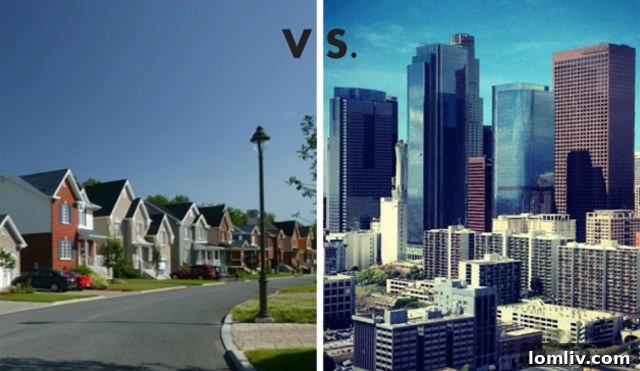
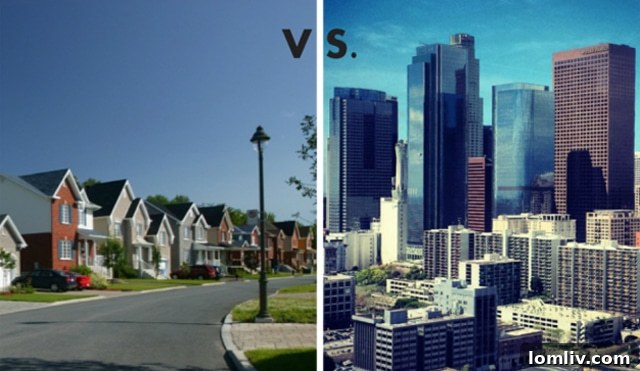
For the better part of seven decades, the trajectory of urban planning in America has been widely debated, with many now arguing it was a colossal mistake from which our communities are still struggling to recover. This bold assertion might seem provocative, especially in an era still grappling with the legacies of suburbanization. Yet, a closer examination reveals profound truths about how our cities evolved, particularly in the post-World War II era, and the lasting impacts on their vitality and functionality.
The period following WWII marked a pivotal shift, catalyzing the widespread suburbanization of America. This movement triggered a long-term exodus from once-thriving major cities. Dallas, for instance, witnessed its once-vibrant downtown spiral into a 9-to-5 office park, losing its residential charm and community spirit. This era also gave rise to the ubiquity of strip centers, sprawling malls, and ultimately, massive big-box stores – retail models that systematically siphoned life and commerce away from the heart of towns and cities nationwide. The alluring mantra for aspiring homeowners became, “Drive until you can afford it,” cementing the belief that the ideal life resided at the periphery, away from the perceived chaos of the city core.
Now, seven decades after this grand experiment in urban dispersal began, we observe a fascinating and telling reversal. Developers are meticulously crafting “manufactured Main Streets” – meticulously designed spaces featuring the very density, mixed-use functionality, and vibrant atmosphere that once characterized the urban centers and small towns of yesteryear. It’s a clear indication that we are, in essence, turning back the clock, returning to patterns of human settlement that have existed for millennia. Throughout history, human communities have naturally centralized services and clustered living spaces. Nobody visits ancient Venice or the majestic ruins of Machu Picchu to explore their suburbs; the allure lies in their concentrated, historic cores.
The Dual Impact of Automobiles and Air Conditioning on Urban Development
In many older cities that predated the widespread adoption of the automobile, a similar pattern of inner-city abandonment for the suburbs occurred. However, in mature metropolises like Chicago and New York, the historic urban neighborhoods largely persisted, often inhabited by lower-income residents. Today, with urban cores experiencing a resurgence in popularity, these very residents are often displaced, a stark reminder of ongoing urban transformation.
Consider Dallas: had its urban core not sacrificed its residential vibrancy for the bulldozer, the planned development known as West Village might never have been conceived in its current form. Instead, Dallas’s growth would have unfolded more organically, fostering authentic, natural neighborhoods rich in character and community. The city’s reliance on the automobile significantly shaped its infrastructure, preventing the kind of robust public transportation systems seen in older, pre-car cities.
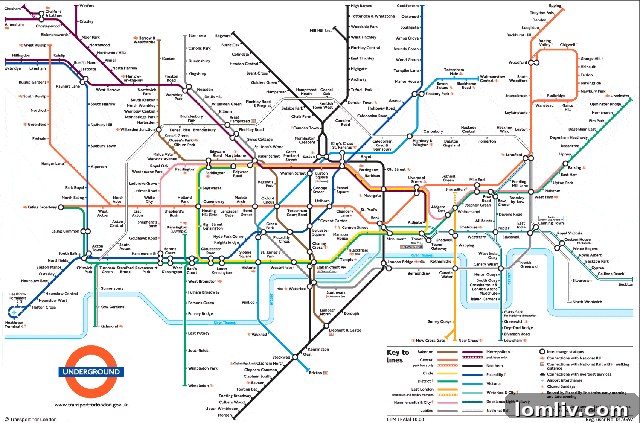
Without the perceived “freedom” brought by the automobile, Dallas’s urban core would have been compelled to build the necessary infrastructure to support dense, pedestrian-oriented living. It would likely have developed in a manner akin to New York or Chicago, cities that achieved prominence long before the advent of the gas pedal. The current debate in Dallas over establishing a viable subway system almost borders on the ironic, considering that cities like Paris (1900), New York (1904), Chicago (1943), and even Washington D.C. (1976) have boasted extensive metro systems for decades – or, in London’s case, for over 150 years. This historical context underscores the considerable delay in Dallas’s urban maturity, largely attributable to car-centric planning.
This critique isn’t exclusive to Dallas; it applies to many cities across the American South. Geographically, the South experiences intensely hot summers. Before the widespread adoption of air conditioning, most Southern cities remained comparatively smaller outposts next to their Northern counterparts, where heating technologies had been commonplace for millennia. Unfortunately for the South, the widespread availability of both air conditioning and ubiquitous automobile ownership coincided with the post-war boom. This unfortunate convergence enabled and accelerated urban sprawl in a region where climate would otherwise have dictated more compact, walkable, and transit-oriented development.
Defining a World-Class City: Dallas’s Journey to Urban Maturity
When we envision a “world-class city,” images of dense, vibrant public spaces, awe-inspiring architectural marvels, highly efficient public transportation networks, diverse cultural attractions, and a rich, layered history often come to mind. Dallas’s detour into an automobile-first urban planning philosophy cost it decades of potential growth and maturity. Had the car not dominated its development, the core and inner loop of Dallas would likely boast a sophisticated public transportation system, perhaps even a mature subway network. Its housing landscape would be significantly denser, fostering more cohesive and authentic neighborhood identities.
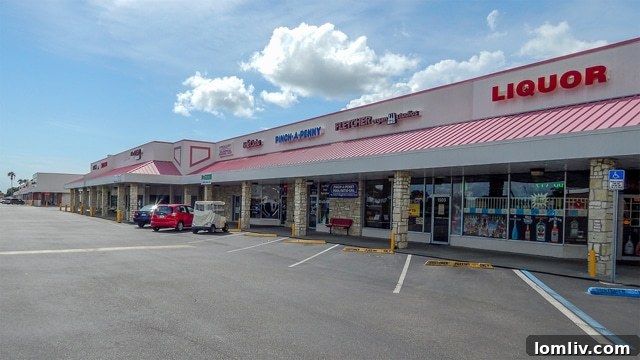
Furthermore, Dallas would have largely been spared the proliferation of endless miles of strip malls. Early “village” shopping areas like Highland Park Village, Preston Center, and Lakewood would have continued to serve the essential everyday needs of local residents, rather than evolving into today’s outposts primarily featuring luxury goods and high-end restaurants. Major regional shopping centers like NorthPark Center and The Galleria, in their current forms, likely wouldn’t exist. Instead, their retail offerings would have been integrated into a bustling downtown core, akin to how Neiman Marcus anchors central business districts in truly world-class cities globally.
The rise of big-box retailers such as Walmart and Best Buy, and their numerous counterparts, would have faced significantly greater challenges in extinguishing the backbone of local, family-owned businesses that once thrived in cities and towns. These smaller enterprises flourished before cheap land and easy, car-dependent transportation facilitated the dominance of large, centralized chains, often to the detriment of local economies and community character. This isn’t to demonize suburbs entirely, but rather to highlight how their rapid, car-driven expansion at a critical juncture in Dallas’s development siphoned crucial vitality from its core. The unfortunate confluence of widespread automobile ownership and readily available air conditioning created a perfect storm for Southern cities, accelerating sprawl and hindering traditional urban growth patterns. In a different scenario, without the pervasive influence of the car, many suburbs might have evolved into self-contained towns with their own distinct identities and services, a scenario not inherently problematic in itself.
With a truly dense urban core, Dallas would undoubtedly host a greater number of commercial and residential high-rises. Instead of today’s modest population of approximately 14,000 downtown residents, a vibrant, active core could easily support a hundred or two hundred thousand residents. Imagine the Farmer’s Market redevelopment area: rather than the relatively small townhouses seen today, it would likely feature soaring residential towers, acting as a powerful engine for the area’s vibrancy. Fundamentally, people are the driving force behind urban vibrancy; increased residential density directly translates into more dynamic and lively urban environments.
The Path to Becoming a True World-Class City
As might be inferred, I do not yet consider Dallas a world-class city, though it certainly stands as a solid second-tier metropolis. Had Dallas been granted an additional 50 years to mature (with the benefit of air conditioning to make Southern living comfortable) before car culture fully took hold, its urban fabric and infrastructure would likely be far more developed and sophisticated today. On the upside, there is a growing, collective realization that vibrant neighborhoods and thoughtful density are paramount to achieving true urban vitality. This understanding has initiated a crucial process of undoing some of the urban damage accumulated over the past seven decades.
However, this transformation is not without its challenges. Many residents, accustomed to the status quo of suburban living and car dependency, actively resist the very increase in urban density that is essential for Dallas to elevate its status. Overcoming this resistance and fostering a broader embrace of compact, mixed-use development remains a significant hurdle for the city’s future.

My definition of “world-class” is straightforward: it’s when the world comes to you. Currently, the DFW airports primarily serve to send Dallas tourists to other destinations, rather than welcoming an equivalent influx of visitors. A truly world-class Dallas will be characterized by endless buses filled with multicultural tourists snapping selfies amidst a bustling, vibrant urban core. It will be a place where spending a week’s vacation downtown doesn’t feel like four days too many. It will be a destination where people from around the globe willingly choose to spend their precious free time and disposable income to experience the unique allure of Dallas. When that becomes our reality, it will be the ultimate testament that all other criteria – from world-class public transportation and diverse cultural offerings to vibrant neighborhoods and sustainable development – have been met.
Remember: High-rises, HOAs, and renovation are my primary focus. However, I also deeply appreciate modern and historical architecture, always balancing these interests against the YIMBY (Yes In My Backyard) movement and the push for thoughtful urban growth. If you’re interested in hosting a Candysdirt.com Staff Meeting event, I’m your go-to person for insightful discussions on real estate and urban development. In 2016, my writing earned both Bronze and Silver awards from the National Association of Real Estate Editors, reflecting a commitment to quality and impactful journalism. Have a compelling story to share or perhaps a unique marriage proposal idea? Feel free to reach out via email at [email protected]. I look forward to hearing from you.