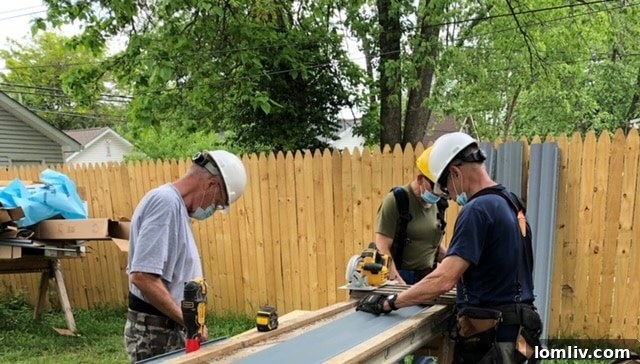
Dallas Set to Streamline Home Repair Programs for Unprecedented Efficiency and Resident Support
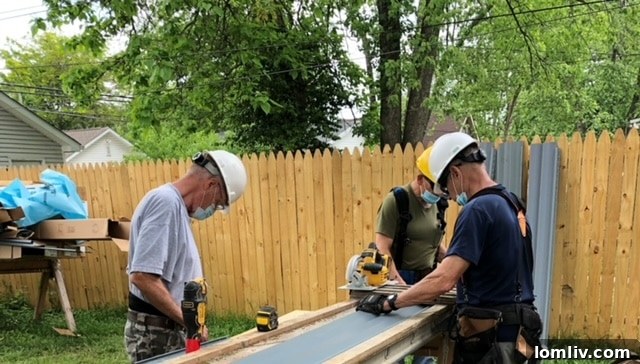
The city of Dallas is embarking on a significant overhaul of its long-standing home repair programs, aiming to consolidate a fragmented system into a single, cohesive, and resident-friendly initiative. This transformative move is driven by a commitment to enhance customer service, improve operational efficiency, and crucially, bolster affordable housing preservation across the city.
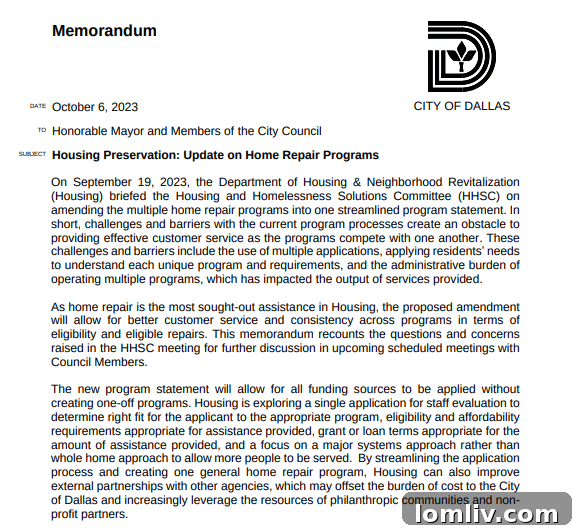
In a pivotal memorandum issued on October 8th, Assistant City Manager Majed Al-Ghafry formally proposed a fundamental shift in how Dallas delivers critical home repair assistance. Addressing City Council members, Al-Ghafry highlighted the pervasive challenges and significant barriers embedded within the current multi-program framework. He candidly noted that the existing structure, characterized by various programs often competing rather than collaborating, created substantial obstacles to providing genuinely effective and responsive customer service for Dallas residents seeking aid.
The core of Al-Ghafry’s recommendation lies in amending Dallas’ numerous, often overlapping, home repair initiatives into “one streamlined program statement.” This strategic consolidation is designed to simplify the entire process for residents. Instead of navigating a labyrinth of eligibility criteria and application forms for different programs, residents would only need to articulate their need for a repair. Subsequently, dedicated city staff would take on the responsibility of discerning the most appropriate program and funding source that perfectly aligns with the resident’s specific requirements, eliminating guesswork, reducing bureaucratic hurdles, and minimizing frustration for those in need.
The Vision: Enhanced Partnerships and Sustainable Solutions for Dallas Housing
The proposed streamlining extends beyond internal operational benefits; it also promises to unlock significant external advantages. Al-Ghafry emphasized that by simplifying the application process and establishing a singular general home repair program, the Housing department would be better positioned to cultivate and strengthen external partnerships. These collaborations with various agencies, philanthropic organizations, and community groups could dramatically offset the financial burden on the City of Dallas. Furthermore, it would enable the city to increasingly leverage the invaluable resources, specialized expertise, and volunteer networks offered by nonprofit partners, creating a more robust, comprehensive, and sustainable support system for residents seeking crucial home repairs.
There appears to be widespread consensus among Council members regarding the urgent need for change. The imperative to reform home repair services is not merely about achieving a laudable civic goal; it is fundamentally about preserving and expanding affordable housing options within the city. District 12 Councilwoman Cara Mendelsohn articulated this crucial point, underscoring that timely and accessible home repairs are a vital mechanism for maintaining the existing stock of affordable homes, preventing blight, ensuring neighborhood stability, and preventing residents from being displaced due to deteriorating housing conditions.
Echoing the sentiment for pragmatic reform, District 3 Councilman Zarin Gracey put forth a strategic suggestion for dividing responsibilities within the new framework. He proposed that the city should primarily focus on addressing “the guts” of home repair – encompassing major structural, plumbing, electrical, and roofing issues – which often require significant technical expertise, regulatory oversight, and substantial financial investment. Concurrently, the city could strategically partner with experienced nonprofit organizations to manage and execute exterior projects, such as landscaping improvements, painting, and minor facade repairs. This intelligent division of labor could optimize resource allocation, tap into the specialized capabilities and community connections of partners, and ensure a holistic approach to home preservation.
Decoding Dallas’ Current Home Repair Landscape: A System in Flux
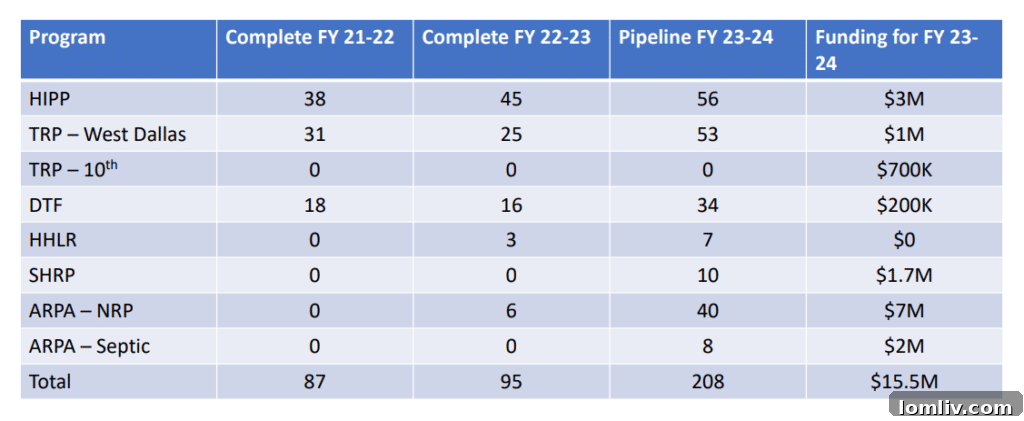
The urgency for this overhaul becomes clearer when examining the current state of Dallas’ housing assistance infrastructure. According to Thor Erickson, Assistant Director of Housing, the city currently operates a bewildering array of eight distinct home repair programs, each further complicated by multiple subprograms. The genesis of these programs spans decades, with the oldest dating back to 2005. This organic, incremental growth has inadvertently led to a complex, often inefficient, and sometimes contradictory system that has become difficult for both city staff and residents to navigate effectively.
Despite the adoption of a comprehensive Housing Policy in 2018, alongside the creation of the Home Improvement and Preservation Program, the fundamental challenges persisted. Erickson detailed the operational difficulties during a September committee briefing, stating, “Every year we have created or amended a home repair program in order to achieve efficiencies where we have a very finite amount of staff but an ever-growing amount of different programs with different terms.” This statement paints a vivid picture of a system struggling to keep pace, where limited human resources are stretched thin across a multitude of programs, each burdened by its unique regulations, application processes, and eligibility requirements.
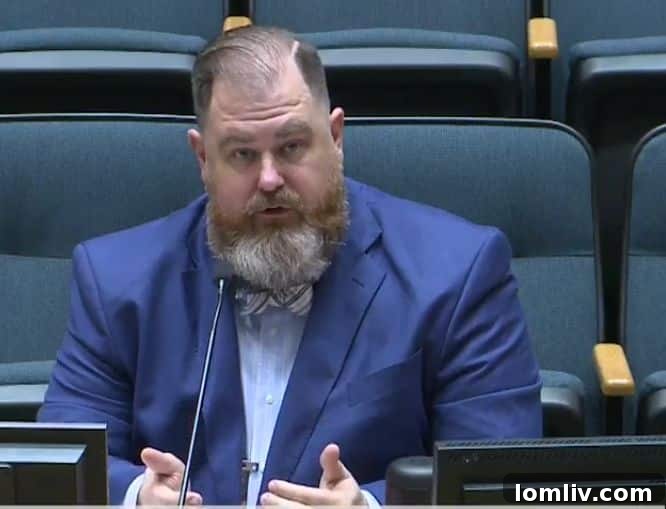
The inconsistencies and complexities inherent in the existing framework have been a long-standing source of frustration for both city staff and, more importantly, the very residents these programs are intended to serve. “We need to be able to serve residents but we need to have more consistency in our home repair programs,” Erickson emphasized. Council members have echoed this concern for years, consistently inquiring about ways to simplify the application process for residents. Many current and prospective applicants find themselves bewildered, struggling to determine which specific program best suits their needs and if they even qualify for the fragmented assistance available. The arduous process has even been described by homeowners, particularly to daltxrealestate.com, as akin to a “Hunger Games-style” competition, with some programs reportedly requiring residents to physically show up on a designated Saturday morning to vie for limited funding, creating unnecessary stress, fostering inequity, and often leaving deserving residents without aid.
The proposed solution is a unified front, a holistic approach that promises clarity and accessibility. “We’re seeking to create one home repair program that encompasses the full suite of home repair needs from emergency to reconstruction that touches on the funding source available that can be applied to that program,” Erickson elaborated. This singular program would serve as a comprehensive umbrella, capable of addressing everything from urgent, life-safety repairs like a leaking roof or a broken furnace, to more extensive reconstruction projects following significant damage, all while intelligently allocating available funding sources based on specific needs and criteria, rather than arbitrary program distinctions.
The momentum for this significant change is palpable and moving forward with a clear timeline. A crucial follow-up briefing is scheduled before the Housing and Homelessness Solutions Committee later this month, paving the way for a comprehensive presentation at an upcoming City Council meeting, anticipated in November or December. This structured approach ensures thorough consideration, public input, and deliberate action towards implementing the new, streamlined framework.
A Resident-Centric Approach: Simplicity is Key to Effective Home Repair in Dallas
The guiding principle behind the proposed transformation is unwavering simplicity, with the resident at the absolute center of the program’s design. Councilwoman Mendelsohn, a staunch advocate for streamlining, conveyed her support during a September committee meeting, urging Housing staff to maintain a straightforward, intuitive approach. Her vision is one where the process is completely inverted, moving from a city-centric, program-driven model to a truly resident-centric one, where the focus is entirely on the applicant’s needs rather than the internal complexities of city administration.
“I think you are spot-on about flipping this process,” she remarked. “I hope when you come back to us it will not have a cute name. It will be something like ‘Home Repair Program,’ so everybody understands exactly what it is and from the resident perspective, all they’re seeing is one common app.” This emphasis on a clear, descriptive, and easily understandable name, coupled with a singular, common application interface, is critical for public understanding, ease of access, and fostering trust in the new system. It removes the burden of administrative navigation and program selection from the residents, allowing them to focus solely on their housing needs and the essential repairs required.
To facilitate this seamless experience for residents, Council members have suggested the implementation of an internal flowchart or decision-making matrix. This tool would empower city staff, acting as technical experts, to efficiently and accurately determine the most suitable funding source for each applicant. This internal process would carefully consider various factors such as funding expiration dates, specific demographic populations served by certain grants, and the nature of the repair required. “You as technical experts can match the funding to the resident seamlessly,” Mendelsohn clarified. “They don’t need to know which pot it’s coming from.” This internal optimization ensures that while the process appears simple and straightforward externally for the resident, the necessary complexities of funding allocation and program criteria are expertly managed and navigated by skilled city personnel behind the scenes.
Confronting the Challenges: Transparency, Accountability, and Equity in Dallas Home Repair
The impetus for this radical change is also rooted in a frank acknowledgment of the shortcomings and inefficiencies of the existing system. District 1 Councilman Chad West articulated this concern succinctly in his weekly newsletter to supporters, explaining that “in a nutshell, staff believes — and City Council seemed to opine recently — that we have too many programs related to housing preservation and repairs.” His candid assessment, “We don’t seem to be doing any of them well,” underscores the critical need for comprehensive reform, not just minor adjustments, highlighting issues such as wasted resources, unmet needs, and frustrated residents.
Majed Al-Ghafry’s memo meticulously highlighted four key questions raised during the September 19th Housing and Homelessness Solutions meeting. These questions represent crucial areas that the city is committed to addressing in the forthcoming follow-up presentation, ensuring a comprehensive, transparent, and data-driven approach to the new program’s design and implementation:
- Program Budgets and Impact Assessment: A request for detailed information on current program budgets and expenditures, coupled with the total number of people served over the past few years, including a specific focus on historically underserved areas like the Historical Freedman’s Town. This deep dive into historical data will provide invaluable insights into past performance, identify areas of inequity, and guide equitable resource allocation for the future, ensuring maximum impact for every dollar spent.
- Strategic Partnerships for Resource Leverage: A thorough exploration of both internal and external partnership opportunities explicitly designed to offset costs to the City of Dallas and more effectively leverage existing community resources. This includes potential collaborations with vital community organizations such as the Dallas Area Agency on Aging, the Small Business Center, various philanthropic communities, and real estate non-profit partners. These partnerships are envisioned as force multipliers, significantly expanding the program’s reach, capacity, and specialized support services.
- Robust Contractor Vetting and Qualifications: An essential request for an update on the system for qualifying and vetting contractors who will perform the home repairs. Ensuring that only reputable, skilled, licensed, and ethical contractors are involved is paramount to delivering high-quality, durable repairs, protecting residents from substandard work, and maintaining the integrity of the program.
- Enhanced Contractor Accountability and Penalties: A critical inquiry regarding the implementation of clear penalties for contractors who fail to complete home repairs in a consistent, timely, and quality-controlled manner. This measure seeks to establish a robust framework for accountability, promote efficiency, prevent delays, and ultimately safeguard the interests of homeowners who rely on these vital services.
Beyond operational efficiency and contractor accountability, a significant and dedicated focus will be placed on addressing profound equity concerns within the new home repair framework. This commitment translates into multi-faceted efforts, ensuring that the benefits of the streamlined program are accessible and equitably distributed across all Dallas communities, particularly those historically marginalized:
- Empowering Minority Developers and Contractors: Proactive initiatives to ensure that minority-owned development and contracting firms are properly equipped, trained, mentored, and provided with equitable opportunities to participate meaningfully in city-funded repair projects. This not only fosters economic inclusion and wealth creation within underserved communities but also diversifies the pool of qualified service providers, ensuring cultural competency and community-centric approaches.
- Expanding Equitable Affordable Housing Access: A renewed and concentrated effort to provide and preserve affordable housing solutions, understanding that comprehensive home repair is a critical component of maintaining existing affordable units, extending their lifespan, and preventing resident displacement due to property deterioration.
- Targeting and Serving Low-Income Residents: Ensuring that the streamlined program is specifically designed to effectively reach and serve the most vulnerable low-income residents, who often face the greatest barriers to accessing home repair assistance due to complex application processes, lack of information, or limited resources. The simplified application process will be particularly beneficial for these populations, making vital assistance genuinely accessible.
To ensure the new Dallas Home Repair Program stands as a national model for urban housing solutions, city officials have committed to extensive research into other municipalities that have successfully implemented and operated similar, effective home repair programs. By studying best practices, learning from the triumphs and challenges of other cities, and adapting proven models, Dallas aims to create a program that is not only efficient, equitable, and resident-friendly but also financially resilient and sustainable for years to come. This forward-thinking, evidence-based approach underscores Dallas’ unwavering dedication to fostering thriving communities where every resident has access to safe, habitable, and affordable housing, thereby enhancing the quality of life across the entire city.