North Texas Earthquakes: Unpacking the Seismic Shift and Real Estate Implications
For decades, North Texas was largely considered immune to significant seismic activity, a region nestled far from the notorious fault lines that crisscross California and other geologically volatile areas. However, this perception has been dramatically challenged in recent years, as residents have increasingly reported feeling tremors – an unsettling shift that has prompted urgent discussions among geologists, policymakers, and the real estate community. The once-quiet landscape is now literally, and figuratively, shaking up the market and altering our understanding of regional geological stability.
A pivotal discussion on this evolving issue recently took place at the Dallas Chapter of Commercial Real Estate Women (CREW) luncheon, hosted at the prestigious Park City’s Club in Preston Center. The event featured Joshua Marrow, a distinguished technical director for Partner Engineering and Science Inc., whose expertise in large seismic events spans California and global hotspots. Marrow, who has now turned his keen analytical eye towards North Texas, offered insights that were both educational and profoundly unsettling for attendees, particularly those involved in commercial real estate. His presentation peeled back layers of historical assumptions, revealing a complex and potentially costly future for the region.
The Shifting Seismic Landscape of North Texas
Joshua Marrow began his presentation by acknowledging the historical geological consensus: North Texas does indeed possess fault lines, but for millions of years, these subterranean fractures remained largely dormant, rarely causing earthquakes perceptible to human senses. This long period of inactivity contributed to the region’s reputation for seismic stability, allowing for widespread development without significant consideration for earthquake resilience in building codes or insurance policies. However, Marrow’s subsequent statements delivered a stark warning: this historical perspective might now be fundamentally flawed, as recent events suggest a significant and concerning departure from the norm.
Indeed, North Texas has undeniably been experiencing a surge in seismic activity, a phenomenon that has garnered considerable media attention and prompted concern among residents. What was once an infrequent, almost unheard-of event, has become a recurring topic of discussion and an emerging factor in property considerations. From subtle rumblings that rattle windows to more pronounced jolts that send shivers through communities, the cumulative effect of these tremors is undeniably raising questions about the long-term seismic health of the area. This marked increase in “movin’ and groovin’,” as some colloquially describe it, has ignited a pressing need for a deeper scientific understanding and robust public discourse on earthquake preparedness, underscoring the critical need to adapt our infrastructure and policies to this new reality.
Unearthing the Cause: Fracking, Wastewater, and Human-Induced Earthquakes
The quest to understand these newfound tremors led researchers to a significant breakthrough. Groundbreaking research conducted by Southern Methodist University (SMU) has identified a compelling link between the rising frequency of earthquakes in North Texas and the practice of disposing of wastewater generated by oil and natural gas extraction, primarily through hydraulic fracturing, commonly known as fracking. Fracking involves injecting high-pressure fluid into subterranean rock formations to release trapped oil and gas. A byproduct of this process, and indeed of conventional drilling, is a vast quantity of salty brine water that comes up from the wells. This industrial wastewater, often laden with chemicals, is then disposed of by injecting it deep into the earth through specialized wastewater injection wells.
Marrow elaborated on this critical connection, explaining the geological mechanics behind these human-induced earthquakes. He described a scenario where naturally occurring fault lines, which have lain dormant for millennia, are essentially “woken up” by human intervention. The injected wastewater acts as a lubricant, reducing friction along these sleeping faults. This increased pore pressure from the water effectively diminishes the normal stress clamping the fault surfaces together, allowing them to slip more easily. The result is a series of tremors that would otherwise not occur. This process fundamentally transforms dormant geological features into active seismic zones, raising profound questions about the long-term environmental and structural integrity of the region.
“It’s naturally occurring faults that basically have been asleep for millions of years and then humans introducing lubrication to the faults. The water is effectively lubricating the rocks, creating additional core pressure against these that’s causing them to wake back up again,” Marrow explained, highlighting the direct cause-and-effect relationship between industrial activity and seismic events.
This scientific consensus marks a significant paradigm shift, moving the conversation from purely natural geological processes to acknowledging a direct human footprint on the Earth’s seismic activity. The implications are far-reaching, particularly for a state like Texas, which is a global leader in oil and gas production. Understanding this mechanism is crucial for developing informed strategies to mitigate risk and ensure both energy security and public safety. The very “little quakes” felt across the region are thus direct consequences of this complex interplay between deep geological structures and the pressures introduced by extensive industrial operations.
Regulatory Response and Public Safety
Despite the scientific evidence linking wastewater injection wells to increased seismic activity, the current magnitude of these tremors in North Texas has not yet prompted the state to mandate or even widely offer earthquake insurance. This hesitancy reflects a complex interplay of economic, political, and historical factors. For many policymakers, the tremors, while concerning, have not reached a severity that would justify such a widespread and potentially costly requirement for property owners. However, the escalating concerns have certainly not gone unaddressed.
In a significant move to enhance public safety and assert greater control over the energy industry’s impact, the Texas Railroad Commission (TRC) has expanded its authority. Historically, the TRC primarily regulated the state’s vast oil and gas industry, but now it possesses enhanced powers to intervene directly in cases where injection wells are suspected of inducing seismic events. This newfound authority allows the Commission to temporarily or permanently shut down wells identified as contributors to earthquake activity. This represents a crucial step by the state to balance its vital energy sector with the growing need to protect its communities from human-induced geological instability. While not mandating insurance, these regulatory actions demonstrate a clear acknowledgment of the problem and a proactive approach to managing the immediate risks associated with wastewater disposal, seeking to mitigate potential damage and quell public anxiety without imposing broad financial burdens.
The Financial Quake: Real Estate and Earthquake Insurance in Texas
The notion of earthquake insurance in Texas is, for many, a relatively new and often surprising concept. Traditionally, Texans have been more accustomed to considering insurance against hurricanes, hail, or tornadoes. However, with the increase in seismic activity, the discussion around earthquake coverage has become unavoidable. As we’ve previously highlighted, obtaining earthquake insurance in Texas is generally an expensive endeavor, often accompanied by remarkably high deductibles. These factors make it an unattractive, if not prohibitive, option for many homeowners and commercial property owners, who may perceive the current risk of significant damage as low compared to the substantial annual premiums.
The true game-changer, however, will emerge when lenders begin to mandate earthquake insurance for properties in affected areas. This shift would fundamentally alter the real estate market. Just as flood insurance is required in designated flood zones, a similar requirement for seismic risk would embed the cost of earthquake preparedness directly into the homeownership equation. This would not only increase the overall cost of homeownership but could also influence property values, development patterns, and the very feasibility of obtaining mortgages in certain regions. Such a requirement would force a re-evaluation of structural integrity for existing buildings, potentially leading to costly retrofits, and would certainly make property disclosure of seismic risk a far more prominent issue. The financial implications for both homeowners and the broader real estate industry in North Texas would be seismic in their own right, truly shaking up a market that has historically operated under the assumption of geological tranquility.
Recent Seismic Activity: A Closer Look at North Texas Tremors
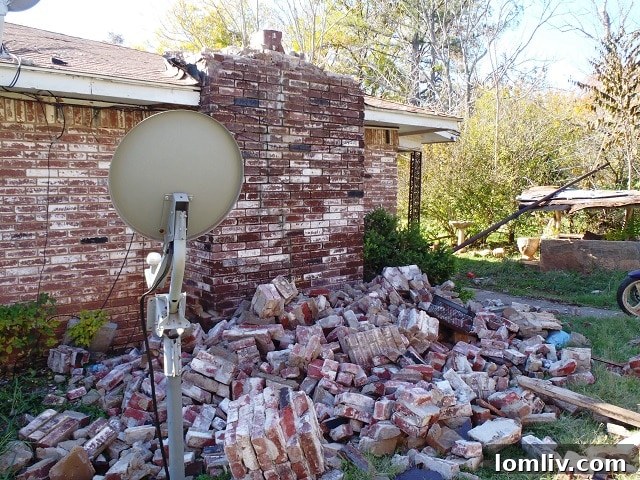
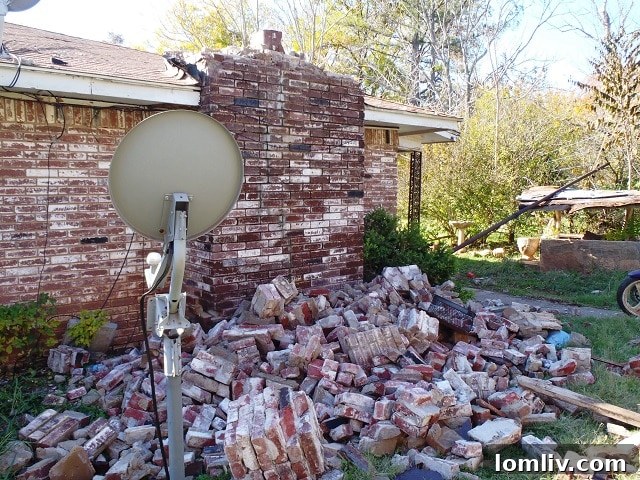
The escalating seismic activity in North Texas is far from theoretical; it’s a tangible reality experienced by thousands of residents. Communities like Irving and Farmers Branch have recently become hotspots for these tremors, reporting a slew of earthquakes – sometimes as many as five in a single month. While these events are frequently categorized as “baby earthquakes” by those accustomed to California’s more powerful quakes, typically ranging from 2.5 to 3.3 magnitude, they are certainly significant enough to cause concern. Residents often describe these as distinct jolts, rattling windows, shaking homes, and creating a general sense of unease. While direct structural damage from these smaller quakes is rare, they contribute to a cumulative stress on infrastructure and foster a growing awareness of the underlying seismic vulnerability.
The most significant quake in recent memory struck Venus, Texas, on May 7th, registering a 4.0 magnitude. This event, strong enough to be widely felt across the region and cause minor cosmetic damage in some instances, garnered immediate attention from authorities. In response, the Texas Railroad Commission swiftly moved to temporarily shutter five injection wells located within a 100-mile radius of the epicenter, demonstrating a direct regulatory action taken in light of perceived risk. While these actions are commendable, it’s crucial to understand the broader scale of seismic power. Geologists and emergency planners typically define serious earthquakes as those measuring 6.0 magnitude and above. Such events can cause widespread destruction, structural collapse, and significant casualties. While North Texas has yet to experience quakes of this magnitude, the increasing frequency and intensity of smaller tremors serve as a stark reminder of the potential for more significant events, especially if the underlying causes of human-induced seismicity are not effectively addressed and managed.
Legal Implications for Property Owners and Developers
Beyond the immediate geological and financial concerns, the rise of seismic activity in North Texas introduces a complex web of legal considerations, particularly for property owners, developers, and real estate professionals. As the discussion around earthquake risk intensifies, so too does the scrutiny on due diligence and disclosure requirements. Kassandra McLaughlin, a prominent real estate lawyer with Hush Blackwell, has advised building owners to consider conducting seismic surveys, especially for older structures. A seismic survey evaluates a building’s susceptibility to earthquake damage, taking into account its age, construction materials, and proximity to known fault lines or areas of increased seismic activity. This proactive measure can provide invaluable information for risk assessment and potential mitigation strategies, although it comes with its own costs.
“If it’s an old, old building and you’re sitting on top of something that has a lot of seismic activity, maybe, you would want to disclose that,” McLaughlin stated, emphasizing the ethical considerations even in the absence of explicit legal mandates. She added, “We don’t have any legal obligation to do it,” highlighting the current legal grey area that could evolve rapidly as seismic events become more common.
This lack of a formal legal obligation to disclose seismic risk creates a precarious situation. While current law may not compel disclosure, the increasing public awareness and scientific understanding of human-induced earthquakes could lead to future litigation. If a property sustains damage from a quake linked to nearby industrial activity, questions of liability could become central. Property owners who fail to disclose known seismic risks, or who neglect to perform reasonable due diligence, might find themselves in a vulnerable position. Furthermore, the evolving landscape could impact development decisions, influencing where new projects are sited and how existing structures are valued or renovated. The real estate sector must adapt swiftly to these emerging legal and ethical challenges to protect clients and investments in a seismically active North Texas.
The Broader Texas Context: Midland-Odessa and Beyond
The narrative surrounding North Texas earthquakes naturally leads to a pertinent question: if fracking and wastewater injection are indeed the culprits, why isn’t the heavily oil-and-gas-producing Permian Basin region, particularly around Midland-Odessa, “jumping off the map” with seismic activity? This is a crucial point that highlights the complexity of induced seismicity. While the Permian Basin is a hub of hydraulic fracturing and wastewater disposal, its geological characteristics, such as the depth of injection wells, the nature of its underlying fault lines, and the specific volumes and pressures of injected fluid, may differ significantly from those in North Texas. These geological nuances can lead to varied seismic responses, meaning that not all areas with intensive oil and gas operations will experience the same level of felt earthquakes.
However, it would be incorrect to assume that the rest of Texas is entirely immune. Indeed, the seismic concerns are not isolated to the Dallas-Fort Worth metroplex. There were recent reports of rumblings in Fort Stockton, another area with significant energy industry activity. This demonstrates that the issue of induced seismicity is a statewide concern, potentially affecting multiple regions where extensive drilling and wastewater disposal operations occur. As geological research continues and monitoring efforts expand, a more comprehensive understanding of the specific conditions that trigger earthquakes in different parts of Texas will emerge. For now, the evolving seismic landscape across various parts of the state underscores the need for continuous vigilance, ongoing scientific investigation, and adaptive regulatory frameworks to ensure the safety and stability of all Texas communities.
Conclusion: Adapting to a Shifting Landscape
The dramatic increase in seismic activity across North Texas, undeniably linked to human-induced factors like wastewater injection from fracking, represents a profound shift in the region’s geological and socio-economic landscape. What was once dismissed as an anomaly is now a recognized phenomenon with tangible implications for residents, property owners, and the broader economy. The insights from experts like Joshua Marrow, coupled with groundbreaking research from institutions like SMU, have demystified the causes, moving the conversation from speculation to scientific certainty.
This evolving situation demands proactive and integrated responses. While the Texas Railroad Commission has taken steps to enhance its regulatory authority over problematic injection wells, the long-term challenges remain substantial. The cost and availability of earthquake insurance, the potential for future litigation, and the ethical considerations surrounding property disclosure are all critical issues that the real estate sector and policymakers must address. As North Texas continues to experience these tremors, adapting to this new seismic reality becomes paramount. It requires not just an understanding of the science, but also a commitment to developing resilient infrastructure, implementing forward-thinking policies, and fostering an informed public ready to face a future where the ground beneath them is no longer as stable as once presumed. The dialogue around this crucial issue is far from over, and indeed, we will have to continue to stay tuned as this dynamic situation unfolds.