Dallas-Fort Worth: Unveiling America’s Premier Real Estate Investment Hotspot
The Dallas-Fort Worth (DFW) metropolitan area consistently captures national attention, especially in the dynamic world of real estate. From robust economic indicators to surging population growth, the region has firmly established itself as a top-tier destination for homeowners, investors, and developers alike. Recent analyses from leading industry authorities – Realtor.com, CoreLogic, and Local Market Monitor – paint a vivid picture of a market not just performing well, but excelling, frequently topping national charts for growth and stability. This comprehensive overview delves into the underlying factors driving DFW’s impressive performance, offering insights into why this Texas powerhouse remains an undeniable leader in the American housing landscape.
DFW’s Consistent Ascent in National Real Estate Rankings
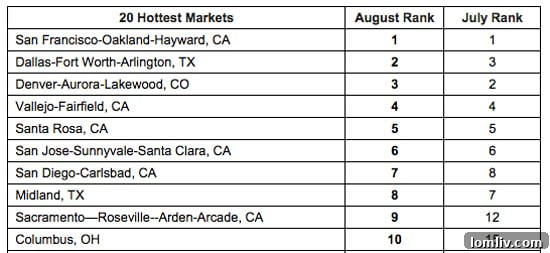
Data enthusiasts and real estate professionals often find themselves drawn to the remarkable trajectory of the Dallas-Fort Worth housing market. It’s not merely a strong market; it’s a market that consistently outperforms many of its national counterparts. Realtor.com, a pivotal source for housing market trends, recently elevated the Dallas metro to the second-hottest real estate market in America for August, an impressive climb from its third-hottest ranking in July. This upward movement signifies sustained demand and robust activity within the region.
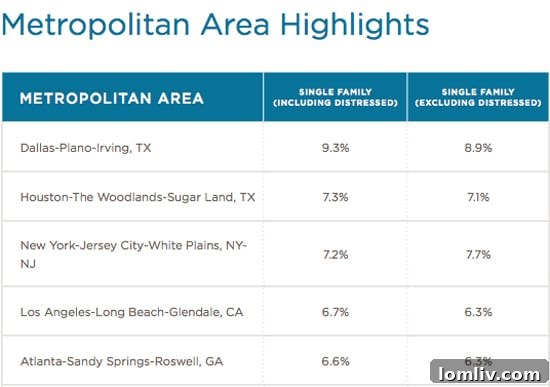
Further solidifying DFW’s leading position, CoreLogic, a premier provider of property information and analytics, placed the Dallas-Fort Worth area at the zenith of its Housing Price Index (HPI) rankings for July. Outpacing even its closest Texas competitor, the Houston metro area, by a significant two percentage points, DFW demonstrated exceptional price appreciation. This consistent top-tier performance across various reputable indices underscores the market’s fundamental strength and resilience.
Adding another layer of confidence for potential stakeholders, Local Market Monitor continues to designate Dallas as a low-risk environment for real estate investment. Their projections consistently highlight strong growth opportunities for both sellers looking to capitalize on appreciating assets and landlords seeking profitable rental yields. This confluence of high rankings, sustained growth, and low investment risk makes the Dallas-Fort Worth real estate market a compelling subject for detailed examination.
Realtor.com’s Insights: A Balanced Market Emerges with Buyer Advantages
Realtor.com’s detailed analysis provides valuable context for the Dallas-Fort Worth market’s impressive standings. Their reports often delve into the nuances of market dynamics, revealing shifts that impact both buyers and sellers. While DFW maintains its status as one of the hottest markets, Realtor.com also points to an interesting trend: a subtle but significant move towards greater market balance.
According to Jonathan Smoke, chief economist at Realtor.com, the market is experiencing a notable trend: inventory growth continuing into August. This expansion of available homes, while demand remains strong, is beginning to influence the median days properties spend on the market. Smoke observed, “This year we are seeing inventory continue to grow in August, and while overall demand is strong, the trend in median days on market is suggesting that the market is finding more of a balance.” This emerging equilibrium is excellent news for prospective buyers who may have been disheartened by the competitive, fast-paced nature of the market in prior months.
The implications of this shift are profound. For an extended period, sellers largely held the upper hand, benefiting from limited inventory and multiple-offer scenarios. However, an increase in available homes, even modest, can alleviate some of that pressure. This evolving landscape offers a glimmer of hope for buyers who previously struggled to secure a home during the spring and summer peak seasons. A more balanced market means more choices and potentially less intense bidding wars, allowing buyers more time to make informed decisions.
Furthermore, Smoke highlighted an unexpected advantage for would-be buyers stemming from broader economic factors. “The recent stock market correction could offer benefits to prospective buyers. A temporary drop in demand by those negatively affected by stock market instability might be just what strained would-be buyers need to gain the advantage in a market that has given sellers the upper hand so far this year,” he elaborated. This temporary shift in buyer demand, coupled with the potential for the Federal Reserve to postpone interest rate hikes due to market instability, could also extend the window for attractively low mortgage rates. Such a scenario creates a unique opportunity for serious buyers to enter the market under more favorable conditions, seizing the moment before demand inevitably picks up again and rates potentially adjust.
The insights from Realtor.com underscore DFW’s dual nature: a hot market that is simultaneously evolving towards a more sustainable and accessible environment. This blend of strong performance and increasing buyer opportunity positions Dallas-Fort Worth as a fascinating and strategic market for anyone looking to invest or settle.
CoreLogic HPI: Driving Forces Behind DFW’s Exceptional Price Growth
CoreLogic’s Housing Price Index (HPI) serves as a critical barometer for tracking home value trends across the nation, and its findings for the Dallas-Fort Worth area consistently highlight robust growth. The HPI not only confirms DFW’s strong appreciation but also delves into the macroeconomic factors propelling these positive shifts. The consistent outperformance of DFW, even against other major Texas metros like Houston, speaks volumes about its unique economic resilience and appeal.
Dr. Frank Nothaft, chief economist for CoreLogic, emphasized the strong correlation between sales activity and price appreciation. He noted, “Home sales continued their brisk rebound in July and home prices reflected that, up 6.9 percent from a year ago. Over the same period, the National Association of Realtors reported existing sales up 10 percent and the Census Bureau reported new home sales up 26 percent in July.” This data clearly illustrates a powerful upward trend in both transaction volume and property values, indicating a healthy and active market where demand is consistently met with increasing prices.
Anand Nallathambi, CEO of CoreLogic, further elaborated on the foundational elements fueling this resurgence. “Low mortgage rates and stronger consumer confidence are supporting a resurgence in homes sales as of late,” he stated. These two factors are perennial drivers of housing market activity. Historically low interest rates make homeownership more affordable by reducing monthly mortgage payments, thereby expanding the pool of eligible buyers. Concurrently, increasing consumer confidence, often tied to a stable job market and economic outlook, encourages individuals to make significant financial commitments like purchasing a home.
Beyond these immediate drivers, Nallathambi also highlighted the crucial role of a recovering labor market. “Adding to overall housing demand is the benefit of a better labor market, which has provided Millennials the financial independence to form new households and escape ever-rising rental costs.” The demographic power of the Millennial generation, reaching prime home-buying age and increasingly seeking to transition from rental units to homeownership, provides a substantial and sustained source of demand. As DFW’s diverse job market continues to attract and retain young professionals, this demographic trend is set to exert ongoing upward pressure on housing demand and prices.
The combined effect of accessible financing, robust consumer sentiment, and a strong job market creating new household formations paints a comprehensive picture of why the Dallas-Fort Worth housing market has experienced such exceptional growth. This robust economic foundation ensures that DFW is not merely benefiting from temporary market fluctuations but is underpinned by sustainable, long-term growth drivers.
Local Market Monitor: Unveiling DFW’s Investment Appeal and Future Prospects
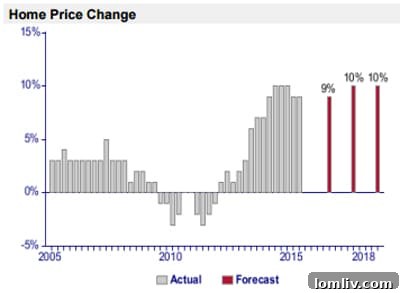
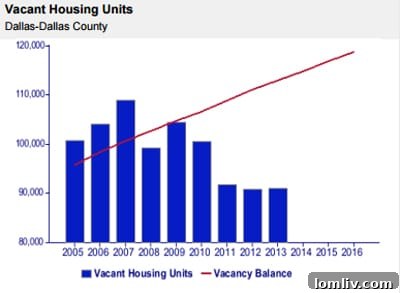
For investors and long-term planners, the assessment from Local Market Monitor offers particularly compelling insights into the Dallas-Fort Worth area. Their analysis consistently identifies DFW as a low-risk environment with high growth potential, a highly desirable combination for anyone considering property investment. This robust evaluation is rooted in a detailed examination of the region’s economic health, demographic shifts, and housing market resilience.
Local Market Monitor’s report emphasizes the sustained economic vitality of the region. “Economic growth has been strong since the recession. The economy features important finance (banking) and business services sectors. Overall, job growth was strong in recent months. Growth in the finance sector was fair. During the recession, home prices dropped a mild 6 percent. Texas was an epicenter of subprime mortgage lending. Population growth has been high.” This comprehensive summary highlights several critical factors. The diversified economy, particularly strong in finance and business services, provides a stable employment base. Strong job growth across various sectors ensures a continuous influx of residents, which directly translates to housing demand. The relatively mild 6 percent drop in home prices during the recession, despite Texas being a hub for subprime lending, underscores the inherent resilience of the DFW market compared to many other regions that experienced much steeper declines. High population growth further solidifies the demand side of the equation, guaranteeing a consistent need for both residential and rental properties.
One of the most attractive aspects for investors, as pinpointed by Local Market Monitor, is the favorable rent-to-price ratio. They observe, “Rents are high compared to home prices, presenting investment opportunities. Over the last three years, prices were up 26 percent. Expect a strong housing market the next few years.” This ratio is a key indicator for real estate investors. When rents are high relative to the cost of purchasing a home, it suggests a strong potential for rental income and positive cash flow, making rental properties an attractive venture. The impressive 26 percent price appreciation over the past three years further validates the market’s strength and profitability for homeowners and investors alike. This historical performance, combined with ongoing economic drivers, provides a solid basis for the projection of a continued strong housing market for the foreseeable future.
The DFW market’s ability to rebound quickly from economic downturns and sustain growth even amidst national uncertainties speaks to its deep-seated economic strengths. The continuous expansion of corporate headquarters, diverse industries, and educational institutions all contribute to a vibrant ecosystem that draws talent and capital. This robust foundation minimizes investment risk while maximizing potential returns, making Dallas-Fort Worth an exceptionally appealing market for both seasoned and nascent real estate investors seeking long-term value and sustained appreciation.
Why Dallas-Fort Worth Continues to Shine: A Holistic View
The consistent acclaim from Realtor.com, CoreLogic, and Local Market Monitor is not merely a series of isolated data points but rather a reflection of Dallas-Fort Worth’s holistic appeal and strategic advantages. This metropolitan area has meticulously cultivated an environment conducive to sustained economic and demographic expansion, which in turn fuels its vibrant real estate market.
One of the primary drivers is DFW’s robust and diversified economy. Beyond the strong finance and business services sectors highlighted by Local Market Monitor, the region also boasts significant activity in technology, logistics, healthcare, and energy. This diversification acts as a powerful buffer against economic downturns that might disproportionately affect more specialized economies. Corporations are consistently drawn to DFW due to its business-friendly policies, lower operational costs compared to coastal cities, and a highly skilled workforce, leading to continuous job creation and inward migration.
The quality of life offered in Dallas-Fort Worth also plays a pivotal role. The region provides a compelling balance of urban amenities, cultural attractions, extensive park systems, and a relatively affordable cost of living compared to other major U.S. cities. This blend attracts a wide range of individuals and families, from young professionals and growing families to retirees, all contributing to the escalating demand for housing across various segments. Excellent educational institutions, from top-tier universities to highly-rated public school districts, further enhance its attractiveness to long-term residents.
Infrastructure development is another key contributor to DFW’s success. The region features a sophisticated network of highways, a robust public transportation system, and two major international airports (DFW and Dallas Love Field), facilitating both local commuting and global connectivity. Continuous investment in infrastructure ensures that the region can support its rapid growth, making it an accessible and efficient place to live and conduct business.
In essence, Dallas-Fort Worth represents a convergence of favorable economic conditions, demographic trends, and strategic urban planning. Its capacity to attract diverse industries, absorb population growth, and demonstrate resilience in the face of economic shifts ensures that its real estate market is not just hot but sustainably thriving. For prospective homeowners seeking a dynamic community, for sellers looking to maximize their investment, and for landlords pursuing robust rental income, DFW stands out as an enduring beacon of opportunity in the national real estate landscape.