Ebola in Dallas: Unpacking the Impact on a Global City and Its Real Estate Market
The city of Dallas found itself unexpectedly at the epicenter of a global health crisis, a situation few could have ever anticipated. The news that a healthcare worker, dedicated to caring for Thomas Duncan, Dallas’s inaugural Ebola patient, had contracted the deadly virus sent ripples of concern and shock throughout the community and indeed, across the nation. This critical development, confirmed by the Centers for Disease Control (CDC) late on a Sunday night, immediately shifted the focus from containing a single patient to understanding broader public health implications and preparedness.
Initial speculation quickly arose, suggesting that the young nurse might have inadvertently breached protective gear protocols. However, credible sources swiftly refuted these claims, indicating no such lapse occurred. This fact underscored a more unsettling reality: the existing containment protocols and the hazmat suits worn by frontline Ebola healthcare workers might themselves be insufficient or require urgent re-evaluation. Experts from Presbyterian Hospital, infectious disease specialists, and the CDC immediately launched an intensive review of current practices. This unprecedented event prompted Presbyterian Dallas to elevate its infectious disease care standards, a direct consequence of the rare and unfortunate circumstance that an Ebola patient from Liberia ended up in their emergency room.
Dallas’s Evolving Identity: An International City with Global Challenges
This incident served as a stark reminder of Dallas’s transformation into a truly international city. With a rapidly growing, diverse multicultural population, Dallas enjoys numerous benefits, including vibrant cultural exchange and robust real estate sales fueled by diverse investments. Yet, this global connectivity also ushers in new challenges, some of which, unfortunately, include exposure to international health crises. The arrival of Ebola on American soil, specifically in Dallas, highlighted the intricate web of global interconnectedness that defines modern urban centers.
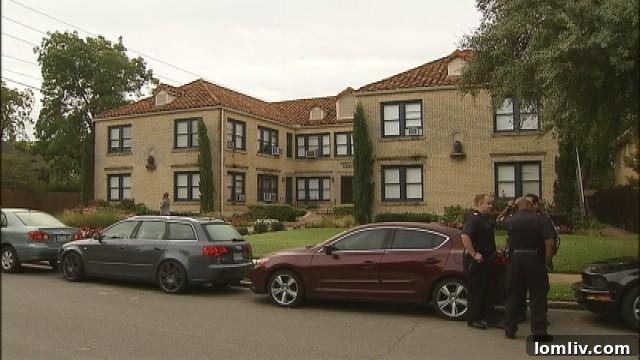
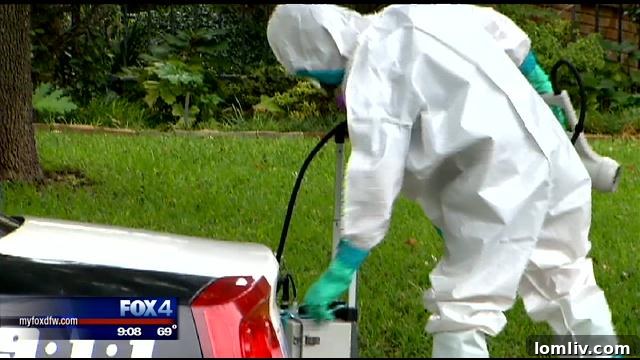
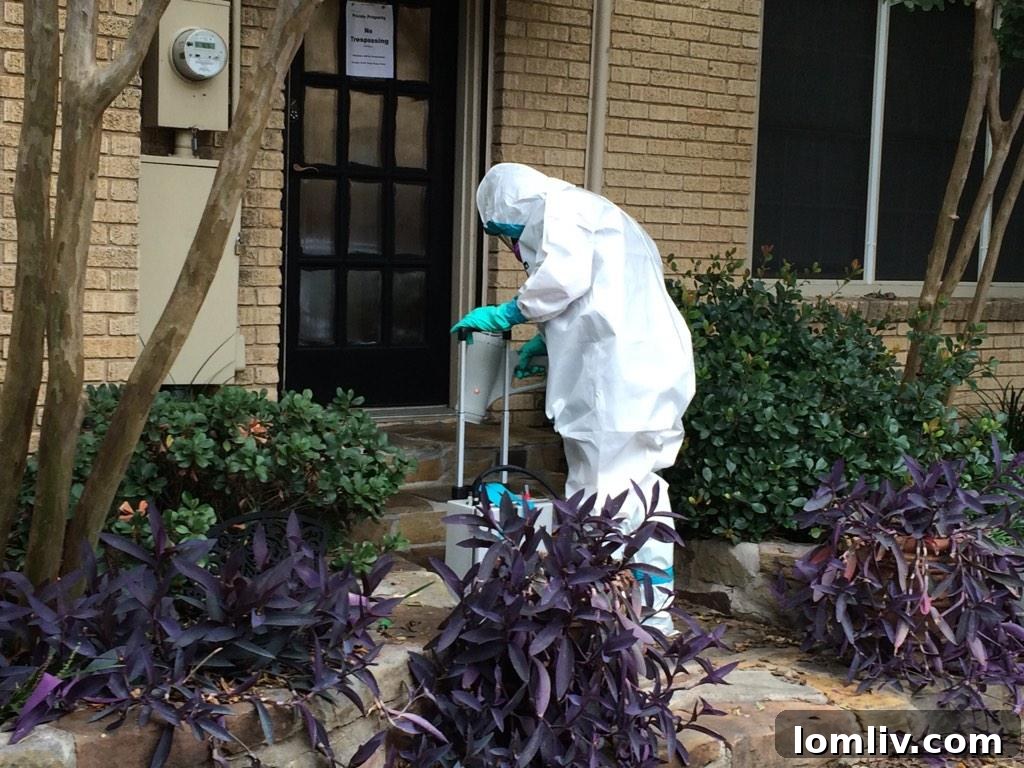
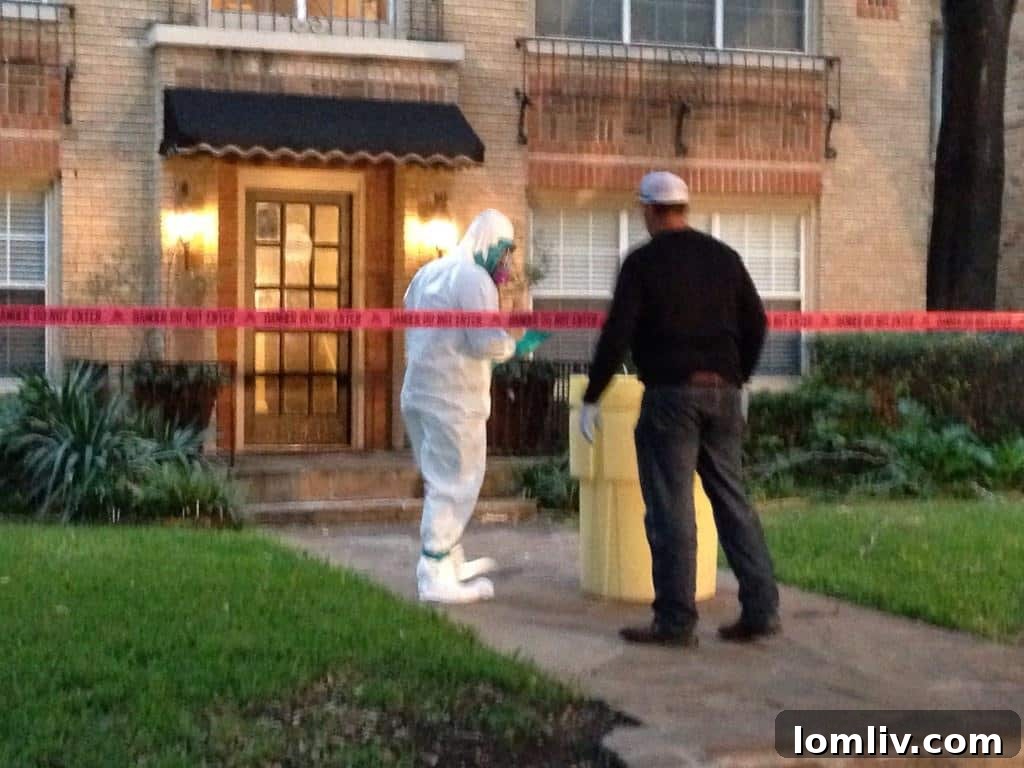
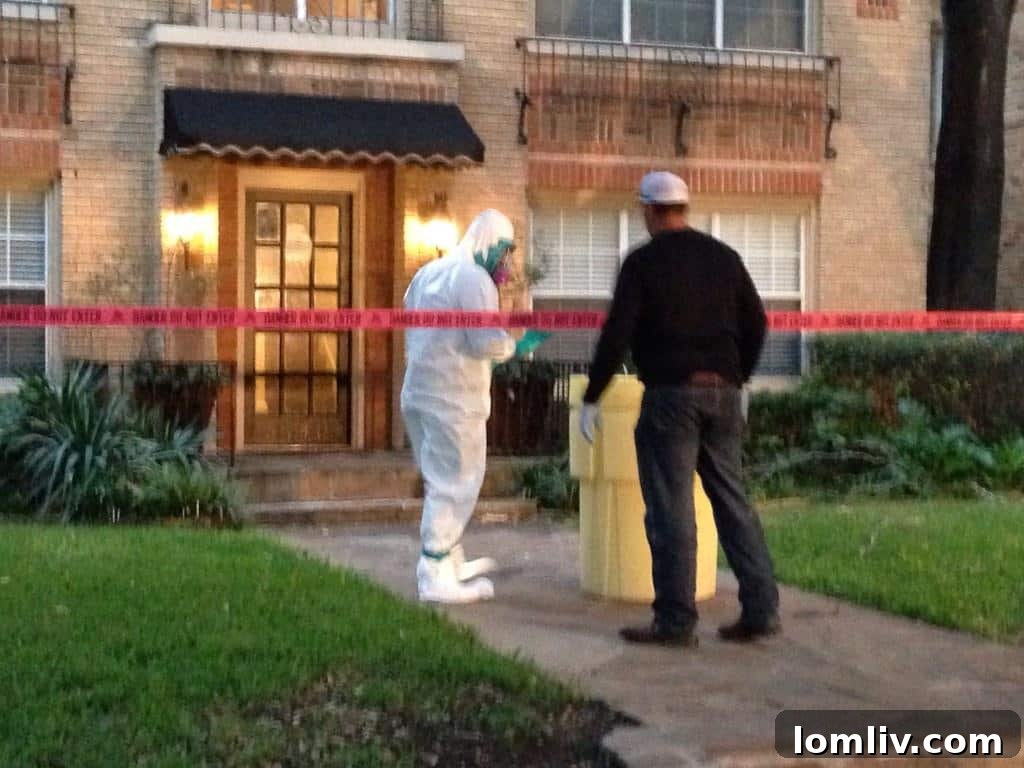
The city, particularly parts of East Dallas and the charming M Streets neighborhood, gained an unexpected and unwelcome spotlight as news outlets worldwide showcased the decontamination efforts at the affected healthcare worker’s apartment. Located in the 5700 block of Marquita, a picturesque street characterized by its clay-roofed buildings just off Lower Greenville Avenue, this residential area became a focal point of national media coverage. Dallas now carried the dubious distinction of being the first city in the United States to report a resident contracting Ebola within its borders.
The woman, in stable condition Sunday in isolation at Presbyterian, was not identified by name. By the afternoon, a Dallas apartment rented by a critical care nurse at Presbyterian had been decontaminated, causing a stir among neighbors near that complex in the M Streets off Lower Greenville Avenue.
Economic Ripple Effects: Real Estate, Public Perception, and the Fear Factor
The Ebola scare in Dallas immediately raised concerns about its potential economic impact, particularly on the robust local real estate market. The ripple effect was palpable as communities grappled with uncertainty. Social media platforms, for instance, became a barometer of public anxiety, with individuals expressing intentions to avoid crowded places, reconsider travel plans, and even skip traditional events like the Texas State Fair. This widespread apprehension, while understandable, was largely misplaced, given the known transmission routes of Ebola. The virus cannot be contracted through casual encounters or mere proximity in public spaces.
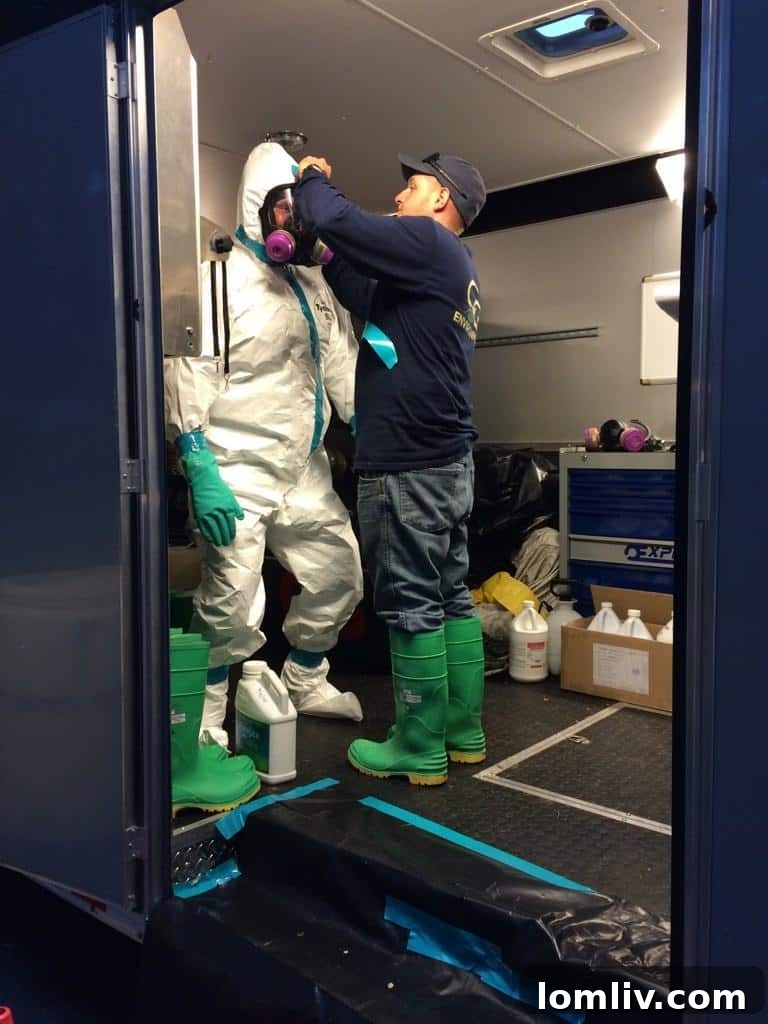
Nonetheless, the fear had practical implications. Could this fear deter potential buyers from attending open houses or embarking on house hunting expeditions? Beyond the immediate market sentiment, there were tangible concerns for property owners. The sanitation of homes previously occupied by Ebola patients presents a significant challenge. While such occurrences are thankfully rare, the specialized hazardous waste containment and cleaning required to decontaminate a property can incur substantial costs for landlords. This raised new questions for apartment management companies: What does the new norm for post-occupancy cleanup look like in the wake of such an event? How do you effectively and safely prepare a property for new tenants after an infectious disease incident?
Dispelling Myths: Understanding Ebola Transmission and Global Health Preparedness
In the midst of the panic and speculation, it became critically important to disseminate accurate information to counter the spread of “crazy rumors.” Ebola, contrary to popular misconceptions, is not easily spread. Transmission requires direct contact with the bodily fluids of an infected person who is showing symptoms. It is not an airborne disease, nor can it be contracted through casual contact in public settings. While caution is always necessary, particularly as the outbreak intensified in West Africa, it was crucial to prevent unfounded fear from disrupting daily life.
The global response to the Ebola crisis also brought to light challenges faced by international health organizations. The World Health Organization (WHO), while crucial in coordinating global health efforts, acknowledged that it could have responded more swiftly to the escalating West African outbreak. This delay was partly attributed to significant budget cuts within the organization, with the WHO budget for “outbreak and crisis response” reportedly slashed by 51 percent between 2013 and 2014. Such reductions underscore the critical need for sustained investment in global public health infrastructure and rapid response mechanisms.
Innovating Solutions: Rapid Virus Screening and a Call for Trust
In the search for more effective containment and prevention strategies, innovative approaches gained traction. A prominent cancer physician at Columbia University advocated for a novel type of rapid virus screening for Ebola. His proposal involved adapting an existing cancer test – a quick Polymerase Chain Reaction (PCR) method – for Ebola detection. This advanced chemical reaction can amplify fragments of a virus’s genes present in blood by over a millionfold, enabling the identification of early, even pre-symptomatic, infections. Such a test, he argued, would be remarkably cost-effective, potentially less expensive than the extensive decontamination required for a patient’s personal effects, such as the burning of Mr. Duncan’s bed linens.
This physician also cautioned against the effectiveness of outright travel bans, suggesting they might lead to subversion, with individuals attempting to evade detection by sneaking into other countries. Instead, he emphasized the strategic deployment of rapid screening at points of entry. Furthermore, the immense logistical challenge of deploying healthcare workers to afflicted areas could be addressed through robust logistical support, perhaps even utilizing military planes for swift and secure transport, ensuring that critical medical personnel reach those in desperate need.
Ultimately, navigating such public health crises demands not only scientific innovation but also a foundation of respect and trust within the community, especially towards our overburdened medical professionals. Their dedication and tireless efforts are paramount in finding answers and containing diseases like Ebola.
There is a fourth strategy, although it will need to be evaluated and deployed carefully. Since the 1990s, novel methods have allowed doctors to detect viruses in the pre-symptomatic phase of an infection, often with remarkable sensitivity and precision. One of these involves the polymerase chain reaction, or P.C.R., a chemical reaction that amplifies pieces of a virus’s genes floating in blood by more than a millionfold, which is what makes early, pre-symptomatic infections identifiable. The technique is not particularly cumbersome: As an oncologist working with blood cancers, I have been using variants of it to detect subclinical infections in patients for nearly a decade.
The integration of advanced diagnostic tools like PCR testing offers a promising pathway for future public health preparedness. By identifying infections before symptoms manifest, we can dramatically reduce transmission rates and enhance containment efforts. This proactive approach, coupled with robust public health infrastructure and transparent communication, is essential for cities like Dallas, which stand at the crossroads of local life and global connectivity.