Navigating the Storm: Dallas Morning News Layoffs Reflect Broader Media Industry Shifts
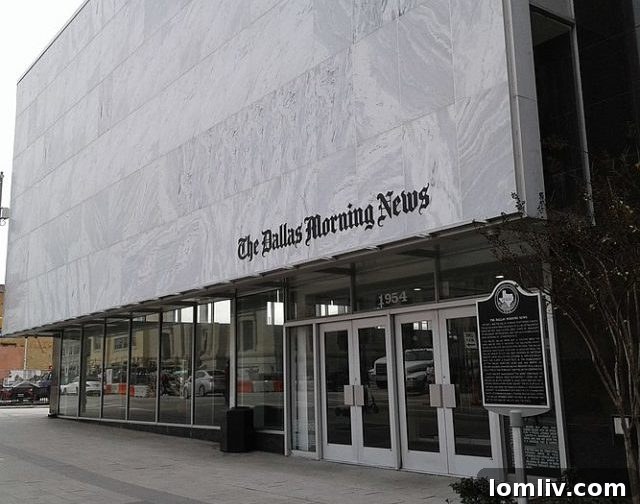
The media landscape continues its turbulent evolution, and even long-standing institutions like The Dallas Morning News are not immune to the seismic shifts. Early reports confirmed a significant round of layoffs, with 43 employees, including 20 vital newsroom personnel, being let go. This latest reduction in staff underscores a persistent challenge confronting the print journalism sector: a steady decline in traditional print revenue streams.
The scale of these reductions is noteworthy, impacting approximately four percent of A.H. Belo Corp.’s total workforce, the parent company of The Dallas Morning News. While the specific percentage of the newspaper’s own staff or its newsroom affected was not publicly detailed, the impact on journalistic capacity and community coverage is undeniable. These decisions are not made in a vacuum; they reflect a desperate attempt by legacy media organizations to adapt to rapidly changing consumer habits and economic pressures that have reshaped the entire industry over the past two decades.
The Human Cost: Prominent Voices Silenced
The cuts were felt across various departments, but the arts and entertainment sections reportedly bore the heaviest burden. Among those departing were highly respected figures whose contributions had enriched the cultural fabric of Dallas for years. Esteemed critic Chris Vognar, a veteran of 23 years with the paper, represented a significant loss of institutional knowledge and critical insight. Joining him were Dawn Burkes, a long-serving entertainment writer and editor; Sara Frederick Burgos, the meticulous editor for the paper’s Guide section; and Kelly Dearmore, who brought a fresh perspective as a part-time music critic since 2016.
Beyond the arts, crucial areas of news reporting also saw reductions. Jeff Mosier, known for his incisive reporting on environmental and energy issues, was let go, as was Tasha Tsiaperas, a sharp metro reporter who kept readers informed on local developments. Dianne Solis, who extensively covered complex immigration topics, also departed, signifying a potential diminishment in the paper’s capacity to cover these critical community issues. The visual storytelling aspect of journalism was also impacted, with longtime photographer Louis deLuca among those affected by the layoffs. These individuals represent decades of collective experience and dedication, and their absence will undoubtedly be felt by both their former colleagues and the readership.
Strategic Pivot: From Print Ads to Digital Subscriptions
In the official statement announcing the layoffs, Grant Moise, president and publisher of The Dallas Morning News, articulated the strategic rationale behind these difficult decisions. “After considerable thought and analysis, our management team has determined that our business in the future is largely supported by subscription revenue and the need for more aggressive investment in our digital products,” Moise stated. This declaration encapsulates the industry’s pervasive narrative: a necessary, albeit painful, pivot from a model heavily reliant on dwindling print advertising to one centered on digital subscriptions and diversified online offerings.
The primary driver for this strategic shift is clear: a precipitous decline in print advertising revenue. This drop has consistently outpaced the comparatively smaller decrease in circulation revenue, creating an unsustainable financial trajectory for many newspapers. A.H. Belo Corp., as a publicly traded entity, faces constant scrutiny from investors. Its financial reports paint a stark picture: in the first three quarters of 2018 alone, revenue plummeted by nearly 19 percent, and the company’s net loss more than doubled from $2.66 million in the prior year to $5.58 million. These figures highlight the urgent need for a viable digital strategy to ensure the long-term survival of the publication.
Broader Industry Context: Executive Pay, Hedge Funds, and Changing Consumption Habits
News of the layoffs quickly rippled through the journalism community and beyond, sparking discussions about the broader economic forces at play within the media industry. One point of contention that frequently arises during staff reductions is executive compensation. Matt Pierce, a reporter with the Los Angeles Times, highlighted this disparity, noting that corporate leadership at A.H. Belo had reportedly received “some nice raises in recent years” even as rank-and-file journalists faced job insecurity. Such revelations often fuel public debate about corporate priorities and equitable distribution of resources within struggling organizations.
Layoffs are hitting journalists at The Dallas Morning News today. Meanwhile, newly released corporate filings show their company’s top executives have gotten some nice raises in recent years.
— Matt Pearce (@mattdpearce), March 28, 2018
Another factor frequently impacting media companies is the involvement of investment firms and hedge funds. A recent stock acquisition by the hedge fund Minerva in A.H. Belo Corp. was noted by some observers. Such investments, while providing capital, often come with expectations for increased efficiency and profitability, which can translate into pressure for cost-cutting measures, including staff reductions.
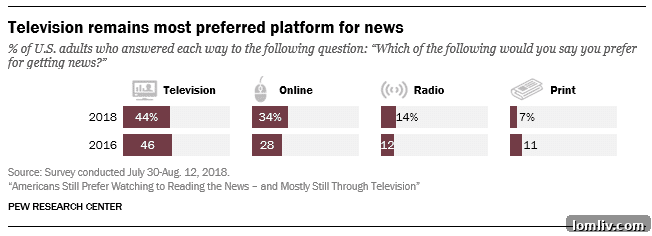
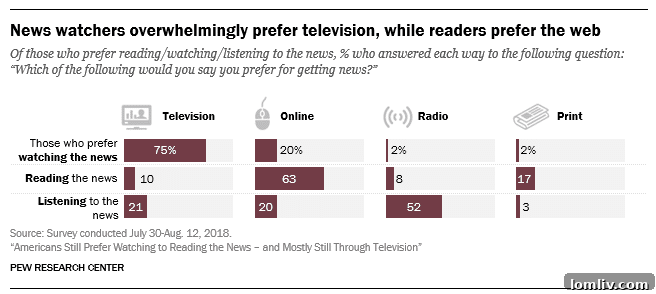
Underpinning these financial and structural challenges is a fundamental shift in how the public consumes news. A Pew Research Center study, whose findings emerged around the same period as these layoffs, provided compelling data on evolving preferences. The study revealed that a significant majority of surveyed individuals preferred getting their news from television (44 percent) and online sources (34 percent). Print media, by contrast, lagged significantly, accounting for only 7 percent of news consumption preferences. This undeniable trend directly impacts advertising revenue, which historically flowed to the most widely consumed platforms, and necessitates a robust digital strategy for any media organization hoping to remain relevant.
The Digital Imperative: Reimagining Local Journalism
For The Dallas Morning News, like many legacy newspapers, the imperative to pivot to digital is not merely about survival but about reimagining its role in an increasingly digital world. The investment in digital products goes beyond simply creating a website; it involves developing new content formats, engaging with audiences on social media, leveraging data analytics to understand reader preferences, and exploring innovative revenue models beyond traditional advertising and subscriptions, such as events or philanthropic support.
The challenge is immense. Building a compelling digital product requires significant technological investment, new skill sets within the newsroom, and a cultural shift away from print-centric workflows. It also means competing in a crowded online space against a myriad of information sources, from global news giants to local bloggers, all vying for audience attention. Yet, the necessity is undeniable. The future of journalism, especially local journalism, hinges on its ability to effectively serve communities through digital platforms.
The Impact on Dallas and the Future of Local News
The reductions at The Dallas Morning News are more than just corporate news; they have tangible implications for the city of Dallas and its residents. A diminished newsroom can mean fewer investigative reports, less coverage of local government, arts, and community events, and a potential loss of crucial oversight. A thriving local newspaper plays a vital role in a healthy democracy, holding power accountable, informing public discourse, and fostering a sense of community identity.
As The Dallas Morning News navigates these turbulent waters, its journey mirrors that of countless other regional papers across the United States. The question remains whether these venerable institutions can successfully transform themselves into sustainable digital-first entities while retaining the depth and quality of journalism that historically defined them. The success of their digital pivot will not only determine their own future but also significantly influence the landscape of local news in one of America’s largest metropolitan areas.