By Sarah Zubiate
Founder and Farmer, ZUBI’S
In these challenging and truly unprecedented times, like countless parents across the globe, I find myself navigating the complexities of daily life while striving to provide a sense of stability for my family. For many years, my family and I have enjoyed a dual existence, splitting our time between the bustling vibrancy of our Dallas home and the tranquil, enriching embrace of our East Texas farm. This unique balance allowed us to experience the best of both worlds, though the contrasts were often stark and profound. It was a lifestyle that offered both the stimulation of urban living and the grounding peace of rural life, a dichotomy that always kept me appreciating each distinct experience.
Our weekdays in Dallas were a whirlwind of activity, a meticulously choreographed dance of school drop-offs, extracurricular commitments like swim lessons and gymnastics, and the constant hum of city life. Every hour was accounted for, every minute optimized to meet the demands of a modern family schedule. Weekends, by design, were our sanctuary—a dedicated time to escape the urban rush, unwind, and reconnect with nature on our beloved farm. The dichotomy was always clear, a powerful reminder of the diverse experiences shaping our lives. However, with the dramatic shifts brought about by the global pandemic, my primary focus has been to create an environment where my children can still feel a profound sense of normalcy, security, and joy amidst the pervasive uncertainty that has colored our world. This commitment became the guiding principle for every decision we made.
Beyond the profound role of being a mother to my incredible children, I proudly wear multiple hats as the founder, CEO, and primary farmer of ZUBI’S. This venture is more than just a business; it’s a reflection of my heritage and values. ZUBI’S is a Latina-owned, plant-based company deeply rooted in the principles of organic farming, with its headquarters situated right on our vibrant organic ZUBI’S farm in Athens, Texas. Our commitment to sustainable practices and wholesome, delicious food is at the heart of everything we do, inspiring both our products and our family’s lifestyle. We believe in crafting products that are not only good for you but also good for the planet, a philosophy that extends from our fields to your table.
Defining the New Normal: Life and Learning in Uncharted Territory
Prior to the onset of COVID-19, my life was a relentless juggle, a vibrant tapestry woven with the threads of managing two distinct residences—our elegant Highland Park home, which was undergoing a significant renovation, and our sprawling East Texas ranch. The demands of being a full-time business owner, navigating the complexities of a growing company, and simultaneously being a full-time mother to energetic twins left little room for stillness. Every day felt like a race against the clock, a constant negotiation between professional aspirations and family commitments. Yet, as the world abruptly shifted, so too did our priorities and our daily realities. The extensive renovation plans for our Highland Park home were swiftly postponed, and we found ourselves settling into a new rhythm, living and working exclusively from the serene confines of our beautiful ranch and farm. This unexpected pivot, though initially challenging, quickly revealed unforeseen benefits and opportunities for growth, forcing us to re-evaluate what truly mattered.
As early as late February, keenly observing the escalating news surrounding COVID-19, my family and I made the deliberate decision to quarantine ourselves exclusively at our farm. We adopted every possible precaution, not only to safeguard our health but also to actively contribute to the collective effort of flattening the curve. The uncertainty of those initial weeks was palpable, but the decision to retreat to the farm felt intuitively right, a safe haven from the swirling anxieties. Initially, my children, Louis and Liliana, were ecstatic. Their days transformed into an endless adventure, roaming freely across the farm’s expansive fields, delighting in playful interactions with their beloved chickens, and even our endearing camel, Toosey. There was an undeniable magic in their uninhibited exploration, a carefree joy that eased some of my own worries. However, beneath the surface of this newfound freedom, a quiet intuition settled within me—a strong feeling that this “new normal” was not a fleeting phase, but rather a long-term reality that would require significant adaptation and foresight. This realization spurred me to think proactively about their education and well-being beyond the immediate crisis.

Embracing Homeschooling: Crafting a Farm-Based Learning Experience
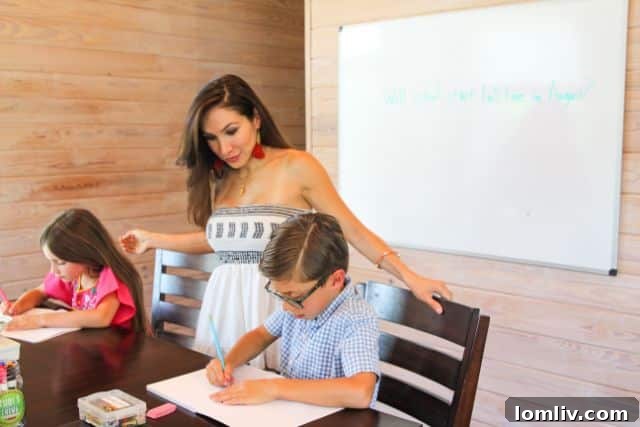
The uncertainty surrounding the future of our world and the immediate fate of the traditional school system weighed heavily on my mind. Thoughts raced about what this would mean for my children’s education, their social development, and their overall sense of stability. After investing a considerable amount of time in meticulous research and careful deliberation, I felt an undeniable conviction: it was imperative to take charge of their learning journey. This led me to purchase a comprehensive homeschooling curriculum for both my twins and my two step-kiddos from Critical Thinking. Their approach, which emphasizes problem-solving and analytical skills, resonated deeply with my desire for a robust and engaging educational foundation. At that moment, I recall my husband looking at me with a mixture of bewilderment and concern, convinced I was embarking on an overly ambitious, perhaps even slightly irrational, endeavor. He’s often joked, with his characteristic mirthful sense of humor, that my relentless pace and ambitious nature would lead him to an early grave. Yet, as the weeks and months unfolded, and the full scope of the pandemic’s impact became clear, he began to acknowledge the “genius in my madness,” appreciating the foresight that prompted such a proactive decision to prioritize our children’s education at home.
In March, with the shadow of uncertainty still looming large over the academic landscape, I meticulously printed off the learning objectives from the Texas Essential Knowledge and Skills for what would have been their first-grade year (soon to be second grade), alongside the guidelines from the Diocese of Dallas. Armed with these frameworks, I committed myself to creating a vibrant and engaging learning center right here on our picturesque East Texas farm. This wasn’t merely about replicating a classroom; it was about integrating learning into our daily lives and natural surroundings. As I reflect now, sipping a refreshing ranch water, I am filled with immense gratitude for that meticulous over-planning. Despite the initial concerns and the good-natured teasing from my brilliant educator friends—who often gently reminded me of the complexities of curriculum design—I knew I was making the right choice for my family. The collective wisdom of my incredible circle of friends, many of whom are seasoned educators, proved invaluable. Though I lacked formal training in education, I knew exactly who to turn to for advice, ensuring I sourced the best resources and strategies for my twins. After all, isn’t the mantra to plan for the worst, but always hope for the best? This pragmatic optimism guided my approach.
My core philosophy centered around a holistic approach to learning and well-being. I firmly believed that a foundation built on ample sleep, a consistent routine of exercise and productive work, nutritious food, abundant outdoor exposure, and hands-on, experiential learning would be paramount to our collective sanity and success during these trying times. This conviction guided every decision, transforming our farm into an active classroom and a sanctuary for growth, fostering not just academic achievement but also emotional resilience. While the state of our world continues to present challenges, I genuinely wouldn’t trade the profound experiences of the past few months for anything. Our family has grown undeniably closer, my children are not only thriving academically but are also deeply enjoying the simple pleasures and profound lessons inherent in farm life. They’ve developed an appreciation for nature, hard work, and the interconnectedness of things that I believe few city children ever experience. In many ways, everything feels profoundly right in our world, a testament to the resilience of family bonds and the power of adaptation. Yet, I am acutely aware that time moves forward, and proactive planning remains essential as we navigate the evolving landscape of education and health.
Just like so many other parents, I rely heavily on my digital community. I’m part of a lively text chat with eight of my closest mom friends—an extraordinary group of women who provide unparalleled support for all things related to parenting. In pre-pandemic days, our conversations often revolved around common kiddo challenges like stomach bugs, school assignments, or playdate logistics, the everyday minutiae of raising young children. However, the tenor and gravity of our group messages have undergone a drastic transformation over the spring and summer, evolving to encompass deeper discussions about schooling options, emotional well-being, navigating the new educational landscape, and sharing strategies for coping with anxiety and uncertainty. This collective sounding board has been an indispensable source of comfort and practical advice.
The Farm as Our Classroom: Experiential Learning and Entrepreneurship
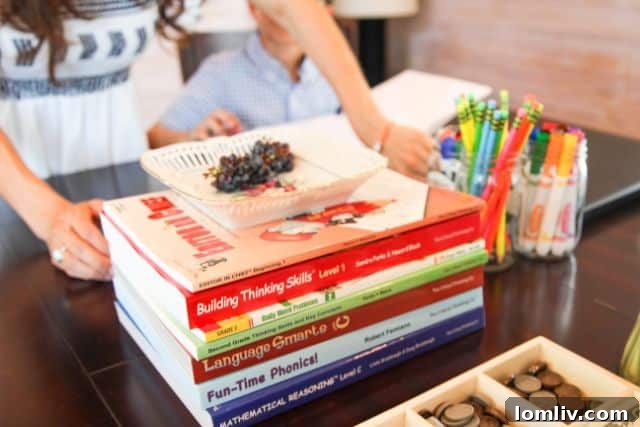
Most recently, our collective attention, along with that of countless other families, has been fixated on the announcements from Governor Greg Abbott regarding the reopening of schools. The anticipation has been immense, with countless scenarios debated and discussed. My twins, Louis and Liliana, who are now poised to enter the 2nd grade this fall, wholeheartedly embraced their recent two-and-a-half months of homeschooling with me on the farm. They truly flourished in this environment. To be entirely candid, I believe they would genuinely prefer that I continue to homeschool them for the majority of the week, a sentiment that brings a smile to my face. While their enthusiasm warms my heart, I must reiterate that teaching is *certainly not* my vocational calling. My own mother was an incredible teacher for 38 years, a true master of her craft, and through her dedication, I always knew that path, while noble and vital, was not for me. However, this experience has profoundly underscored the boundless and immersive learning opportunities that exist all around us, especially when living on a farm, proving that education isn’t confined to four walls.
The world, and even our own homes, are brimming with educational potential waiting to be tapped. If you’re finding yourself making fewer trips to the grocery store, a common reality for many of us now due to pandemic-related shifts, consider it a wonderful challenge to delve deeper into the origins, ingredients, and intricate details of the everyday items that populate your home. This can be a fascinating exercise in critical thinking. Who are the manufacturers behind your refrigerator, your hairdryer, or even your ping-pong table? Where does the food we consume truly come from, what are its nutritional components, and what processes bring us the clothes we wear? Now, more than ever, is the perfect time to adopt a “hands-on” approach to learning, fostering curiosity, research skills, and a deeper understanding of our interconnected world. Ultimately, this journey of discovery can cultivate a greater sense of gratitude and appreciation for the resources, labor, and ingenuity that surround us daily. I truly believe that the profound shifts we are experiencing globally will leave an indelible impact on our children and their future, fundamentally shaping how they perceive, participate in, and engage with life itself, encouraging them to be more mindful and engaged citizens.
One of the most powerful and unexpected benefits of this time has been my ability to leverage ZUBI’S as a dynamic teaching tool. It offers a tangible, real-world platform to educate my children about the intricacies of life, the profound importance of entrepreneurship, and the inevitable challenges that come with building and sustaining a business. During the peak of our economic shutdown and the implementation of solitary mandates, we faced a critical challenge: the price of garlic, a fundamental ingredient in all of my recipes, skyrocketed dramatically. This prompted a fascinating, impromptu lesson for Louis and Liliana on global economics and supply chains. Did you know that the vast majority of our global garlic supply originates from China? The plant itself is native to central Asia, and remarkably, in 2016, China alone produced an astonishing 80 percent of the world’s garlic. It’s an astounding statistic that vividly illustrates global interdependencies and the vulnerability of long supply chains!
Armed with this newfound knowledge and inspired by the incredible fertility of our East Texas soil, we made a significant decision: we will proudly begin cultivating garlic right here on our ZUBI’S farm. This initiative not only reinforces our commitment to local sourcing and sustainability but also provides a hands-on lesson in self-sufficiency, agricultural science, and supply chain resilience for my children. They are actively involved in the planting, tending, and future harvesting, connecting them directly to their food source. Furthermore, we explored another intriguing fact about food preservation: much of the garlic commonly found in grocery stores is often frozen and then thawed to extend its shelf life. While this practice isn’t inherently negative, it can influence the timeframe within which the garlic should be consumed for optimal freshness, a practical lesson in food quality and storage. These are the kinds of practical insights that transform abstract concepts into concrete, memorable lessons for them.
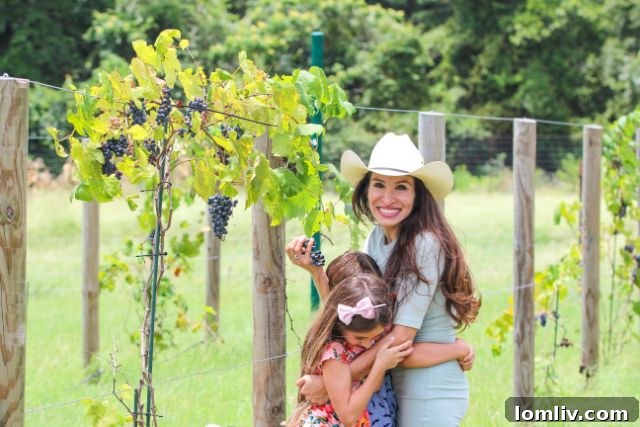
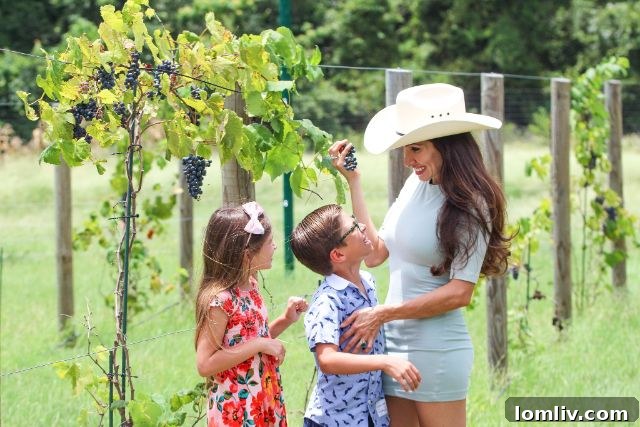
In addition to our dedicated ZUBI’S farm plots for peppers, onions, and garlic, we maintain a vibrant personal one-acre garden meticulously cultivated right near our main house. This expansive garden bursts with an abundance of beautiful produce, including various peppers, plump squash, crisp asparagus, nutrient-rich kale, luscious grapes (which we anticipate harvesting for wine in about four years), and a growing collection of young fruit trees. The sheer breadth of learning opportunities for my children, stemming directly from these crops on our farm, is truly vast. They learn about botany, ecology, the life cycle of plants, the importance of soil health, and the labor involved in bringing food to the table. I’ve consciously embraced the challenges encountered not only in my business but also from a personal perspective, using them as teachable moments to illustrate to Louis and Liliana how intricately everything around us impacts our daily lives—from the climate to global economics. For any parents inspired to embark on a similar journey of natural learning, I highly recommend exploring resources like the traditional Farmer’s Almanac, and for a child-friendly version, there’s even an engaging Old Farmer’s Almanac for kids! These resources make agricultural and seasonal learning accessible and exciting for young minds, fostering a deep connection to the natural world.
It’s fascinating to note that many of the most prestigious and exclusive private elementary schools across the United States proudly highlight their “certified wildlife habitats, extensive trails, and innovative outdoor classrooms.” This observation has always resonated deeply with me. I’ve consistently sought to understand what foundational experiences and knowledge my children would need to truly comprehend and engage with the world around them, and the offerings of these top-tier institutions have served as an excellent guiding star, reaffirming the value of outdoor and experiential learning. Long before the pandemic reshaped our lives, my husband and I had already made a conscious decision to limit our children to just one sport per season. This deliberate choice was made specifically to ensure we had ample, uninterrupted time at our cherished East Texas home, fostering a deeper connection to our natural surroundings and to each other, rather than constantly commuting and engaging in structured activities. Now, more than ever, I firmly believe that this profound shift towards experiential, farm-based learning can serve as an invaluable pathway to reconnect with our essential world and the fundamental systems that we have all grown to appreciate, and perhaps, at times, take for granted. It’s a chance to build a more resilient, knowledgeable, and grounded generation.
If you are a parent currently navigating the anxious wait for news regarding e-learning or in-person schooling, please know that you are not alone in this journey. We, as moms and dads, are truly in this together, facing shared challenges and triumphs, united by our desire to provide the best for our children. To offer a little light and support during these times, I’m hosting a special giveaway featuring a selection of items that I personally love and use to enhance my kiddos’ lunch experience—whether they’re learning from home or venturing back to school. It’s a small gesture to brighten their day and simplify yours, recognizing the immense efforts parents are making every day.
I want to be transparent: I am not sponsored by these brands. I simply genuinely love these products for their quality, practicality, and alignment with a healthy, sustainable lifestyle, and I’m eager to share them with you, parent to parent. The giveaway includes fantastic items such as Stasher Bags, which are incredibly versatile and eco-friendly reusable storage solutions, helping to reduce single-use plastic waste; A Planetbox Lunchbox, renowned for its durable, waste-free design and compartmentalized convenience (the color will vary for the lucky winner, adding to the surprise); several 4 oz. jars of my own lunch-size ZUBI’S top-8 allergen-free and organic queso, perfect for a healthy and delicious snack that meets diverse dietary needs; and a delightful Farmer’s Almanac Intro Book to spark curiosity about nature and seasons, encouraging an appreciation for the world around us. This thoughtfully curated collection represents items that genuinely make our family life a little easier, healthier, and more enjoyable, and I sincerely hope they do the same for yours.
Stay tuned for all the exciting details on how to participate and win these wonderful prizes! You can find more information and updates by visiting the ZUBI’s website, connecting with us on our vibrant Facebook page, and following our journey on Instagram! Join our community and let’s navigate these times together, supporting each other one healthy, happy step at a time.