The dynamic world of real estate is constantly evolving, reflecting shifts in demographics, economic conditions, and urban development strategies. This week, we delve into a fascinating array of trends shaping the housing market, from the evolving aspirations of Millennial renters in the Dallas metro area to the nation’s most exclusive property markets. We also look at upcoming cultural events that celebrate architectural innovation and significant mixed-use developments that are redefining urban living. These stories collectively paint a vivid picture of the diverse forces at play in today’s real estate landscape, highlighting both challenges and exciting opportunities across the nation, with a keen focus on the vibrant growth within the Dallas-Fort Worth region.
Dallas Millennials: Navigating Homeownership in a Shifting Market
The journey to homeownership for Millennials presents a complex picture, especially in rapidly growing urban centers like the Dallas-Fort Worth metro area. Recent research by Apartment List sheds light on the aspirations and financial realities confronting this crucial demographic, revealing that while the dream of owning a home remains strong for many, a significant portion is embracing or resigned to a long-term rental lifestyle.
According to findings shared by Olyvia Ruhlmann of Apartment List, specific insights into the Dallas market reveal compelling trends:
- A notable seven percent of Millennial renters in the Dallas metro area explicitly expect to rent indefinitely, indicating a significant segment of the population that is either content with or resigned to permanent tenancy. This figure underscores a departure from traditional homeownership goals for a portion of the generation.
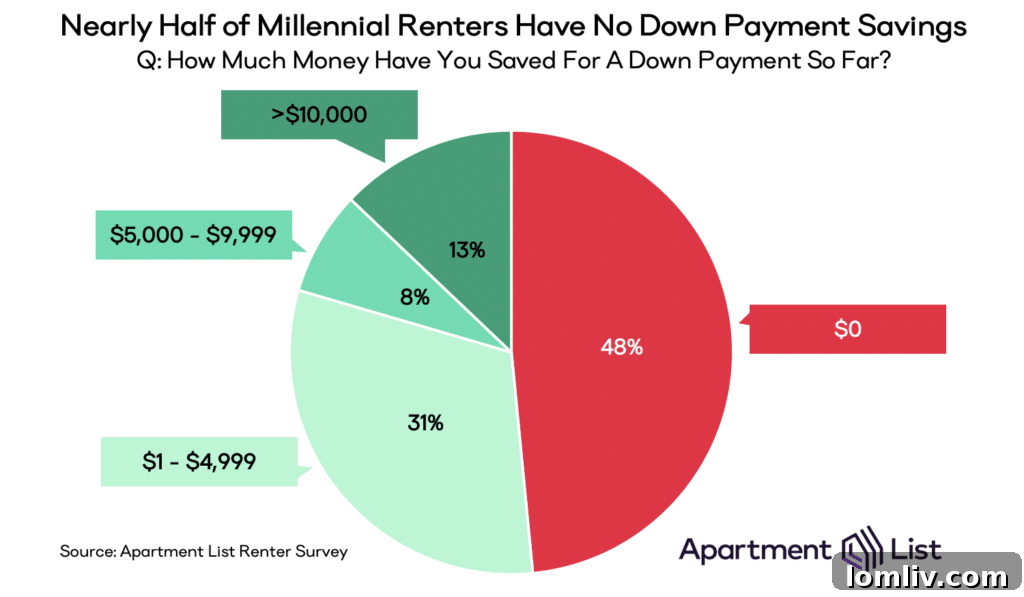
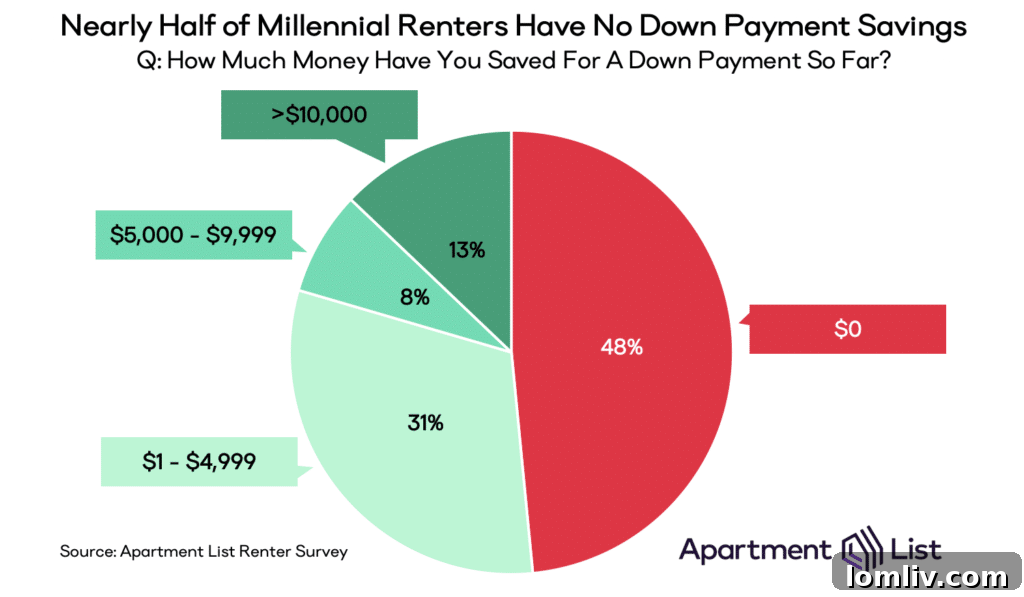
- Despite the desire for homeownership among the majority, a staggering 47 percent of those who aspire to buy a home have not yet initiated savings for a down payment. This highlights a critical financial hurdle, suggesting that while the intention exists, the practical steps are often delayed or daunting.
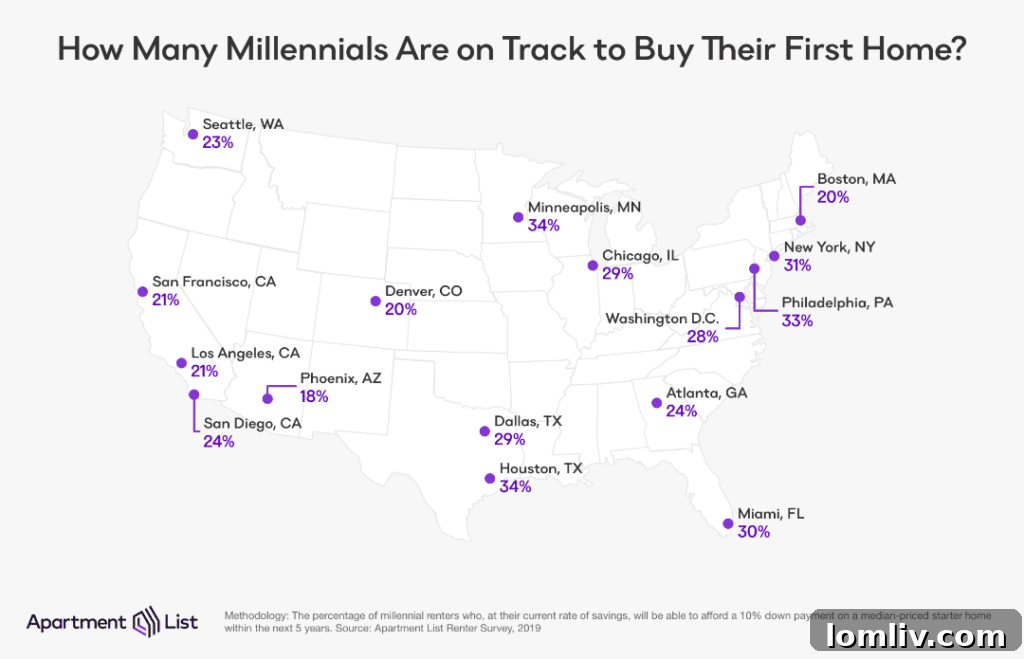
- At current savings trajectories, a mere 29 percent of Dallas’s Millennial renters are projected to accumulate the necessary 10 percent down payment for a median-priced starter home within the next five years. This statistic paints a stark picture of the affordability crisis and the challenges young adults face in building equity.
- The impact of student loan debt on homeownership prospects is profound. The study suggests that if debt payments were redirected towards savings, the percentage of Dallas Millennial renters prepared to purchase a home could surge from 29 percent to 42 percent. This potential increase highlights student loan reform as a pivotal factor in unlocking Millennial homeownership potential.
- To mitigate the high costs associated with purchasing a home, some Millennial renters increasingly look to family for down payment assistance. However, there’s a discernible trend of declining expected support, with Millennials anticipating an average of $9,000 this year, a decrease from $10,000 in the previous year. This signals potential shifts in intergenerational wealth transfer and the growing strain on family resources.
These findings from Apartment List underscore the multifaceted challenges facing Dallas Millennials in their pursuit of homeownership. Economic pressures, coupled with rising housing costs and the burden of student loan debt, are compelling a reevaluation of traditional housing paths. The implications for the Dallas housing market are significant, pointing towards a sustained demand for rental properties and the potential for a widening gap between renters and homeowners. Addressing these issues requires a comprehensive approach, from fostering financial literacy to advocating for policy changes that support first-time homebuyers.
Source: Apartmentlist.com
A Glimpse into America’s Most Exclusive Real Estate Markets
While Dallas and other burgeoning southern cities offer relatively more accessible housing markets, a stark contrast exists in some of America’s most luxurious and exclusive enclaves. The disparity in home prices across the nation highlights the unique economic and geographical factors that drive property values to staggering heights in certain regions. These markets, often characterized by scarcity, high demand from affluent buyers, and exceptional amenities, stand as a testament to the diverse landscape of U.S. real estate.
Taking the lead as the nation’s most expensive city for homeownership is Atherton, California. With a median home price soaring to $7.05 million, this Silicon Valley town is synonymous with unparalleled wealth and exclusivity. Its residents often include luminaries from the tech world, such as Google’s executive chairman and former HP CEOs, drawn by the privacy, prestige, and proximity to innovation hubs. Atherton’s allure lies in its expansive estates, serene environment, and robust property values, making it a coveted address for the ultra-rich.
Following closely is Sagaponack, New York, an idyllic Hamptons locale previously lesser-known but now firmly established among the elite. Here, the landscape is dotted with opulent properties, including one legendary 29-bedroom estate boasting a 100-car garage. Sagaponack epitomizes the Hamptons’ luxury lifestyle, offering sprawling beachfront properties, privacy, and an escape for the East Coast’s wealthiest. Its appeal is rooted in its natural beauty, exclusive community, and its status as a premier vacation and residential destination.
Rounding out the top three is Santa Monica, California, an iconic beachfront city with a median home price of $4.15 million. Santa Monica combines the best of urban living with coastal charm, offering a vibrant cultural scene, upscale dining, and direct access to stunning beaches. Its desirability stems from its picturesque setting, excellent schools, and strong job market, attracting a diverse mix of celebrities, tech professionals, and affluent families.
The existence of these ultra-luxury markets underscores the vast spectrum of real estate values across the United States. While such prices may seem astronomical to many, they represent the peak of investment in prime locations, driven by global wealth and unique lifestyle offerings. For residents of Dallas, these figures serve as a reminder of the relative affordability and robust growth potential within their own metro area, a compelling argument for staying rooted in the thriving Texas economy.
Source: Housing Wire
Dallas Celebrates Design: Upcoming Architectural Lectures and Community Gatherings
The Dallas cultural calendar is abuzz with events that spotlight the importance of design, architecture, and community engagement in shaping our urban environment. These gatherings offer unique opportunities for professionals, enthusiasts, and the public alike to immerse themselves in discussions about innovative design principles and to connect with fellow members of the vibrant Dallas design community.
A highlight for architecture aficionados is the upcoming lecture hosted by The Dallas Architecture Forum, featuring the renowned Michel Rojkind. As the visionary founder and principal of Rojkind Arquitectos, based in Mexico City, Rojkind is celebrated for his groundbreaking approach to design and experimental innovation. His firm is dedicated to tackling the intricate challenges of contemporary life by crafting compelling architectural and urban planning solutions that leave a positive impact on both society and the environment. This highly anticipated event is scheduled for 7 p.m. on December 3rd at the esteemed Horchow Auditorium within the Dallas Museum of Art. Attendees will have the invaluable opportunity to gain insights into Rojkind’s philosophy, explore his firm’s influential projects, and engage with the forefront of modern architectural thought. His work often blurs the lines between art, design, and social responsibility, making his lecture a must-attend for anyone interested in the future of built environments.
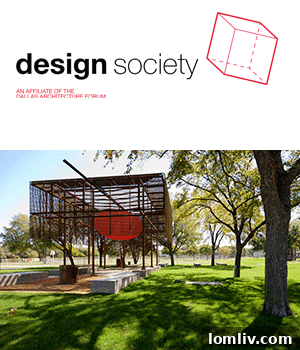
Beyond the lecture hall, the spirit of community and design appreciation extends to an informal gathering: The Design Society Park Pavilion Picnic. This relaxed afternoon event invites design enthusiasts to connect and unwind from noon to 2 p.m. at Cotillion Park Pavilion, located at 3600 Barnes Bridge Road, Dallas. The picnic offers a perfect setting to enjoy warm hot chocolate (attendees are encouraged to bring their own mugs) and socialize with like-minded individuals amidst the tranquil surroundings of the Mell Lawrence-designed park pavilion. Such community events play a crucial role in fostering a sense of belonging among design professionals and advocates, encouraging informal networking and shared passion for aesthetics and urban planning. It’s an excellent opportunity to discuss current trends, share ideas, and simply enjoy the company of those who appreciate thoughtful design in public spaces.
These events collectively underscore Dallas’s commitment to cultural enrichment and intellectual discourse within the realms of architecture and design. They provide platforms for learning, inspiration, and community building, contributing significantly to the city’s identity as a hub for innovative thought and aesthetic appreciation.
Lewisville’s Visionary Development: Phase I Completion of The Realm at Castle Hills
The Dallas-Fort Worth metroplex continues its trajectory of robust growth and innovative urban planning, exemplified by the significant progress at The Realm at Castle Hills in Lewisville. This ambitious $1.5 billion, 324-acre mixed-use development is set to redefine living, working, and leisure within the region, with its first phase now successfully completed, as announced by Bright Realty and Hill & Wilkinson General Contractors.
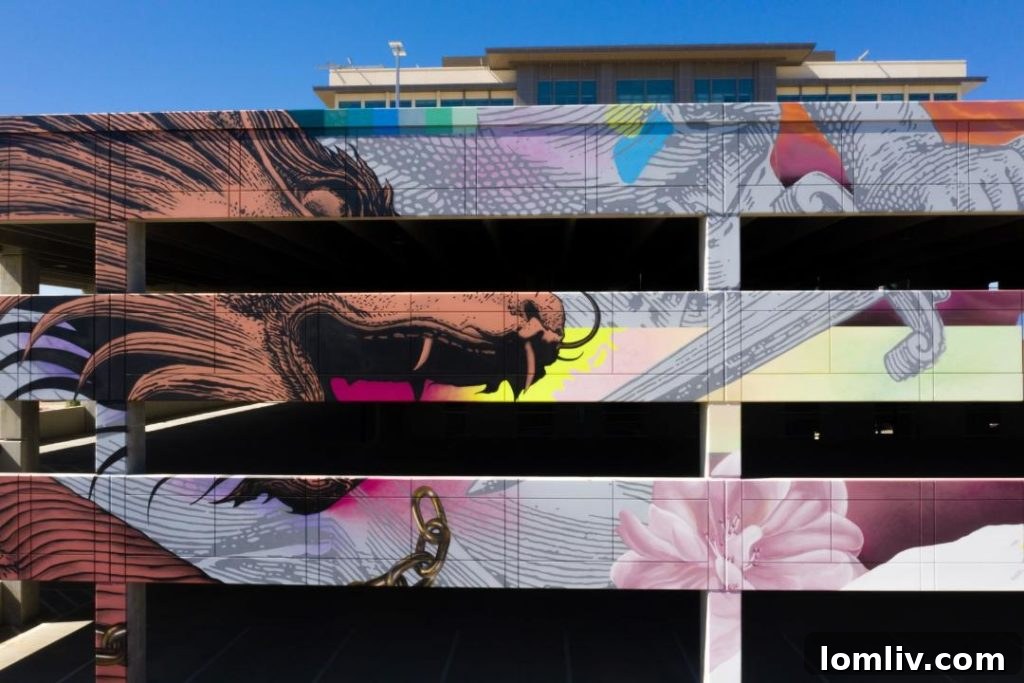
The completion of Phase I marks a major milestone, introducing “The Offices at The Realm.” This impressive nine-story structure offers 235,000 square feet of state-of-the-art office space, designed to attract a diverse array of businesses seeking a dynamic and accessible location. Complementing the professional environment, the building also dedicates 16,000 square feet to restaurant space, creating immediate dining options for employees and visitors. A striking five-story outdoor mural further enhances the building’s aesthetic appeal, adding a touch of public art to the urban landscape and reflecting a commitment to fostering a vibrant, engaging atmosphere.
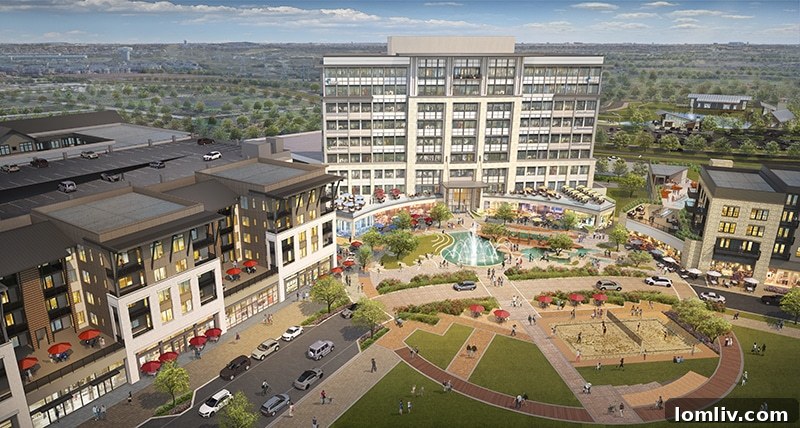
The broader vision for The Realm extends far beyond this initial office building. The master plan encompasses a comprehensive ecosystem where residents and professionals can truly live, work, and play. Future phases are slated to introduce a rich tapestry of amenities, including additional office spaces, diverse retail establishments for shopping and services, multi-family residential developments offering modern living options, and a boutique hotel for visitors and staycations. Furthermore, the development will integrate an extensive trail system, promoting outdoor activity and connectivity, alongside a dedicated outdoor entertainment district designed to host a variety of events and social gatherings. This holistic approach to urban planning aims to create a self-sustaining community that minimizes the need for extensive travel, fostering a stronger sense of local identity and convenience.
Strategically located at the intersection of Highway 121/Sam Rayburn Tollway and Josey Lane in Lewisville, The Realm benefits from excellent connectivity within the greater DFW metroplex. Its integration into the established Castle Hills community further enhances its appeal, leveraging existing infrastructure and a reputable residential base. The development is poised to become a central hub, drawing talent, businesses, and residents alike to Lewisville.
Looking ahead, Phase II of The Realm promises to further enrich the residential offerings. This next stage includes a 260-unit, five-story apartment community, featuring ground-floor restaurant and retail space. This integration of residential with commercial elements on the ground floor is a hallmark of modern mixed-use design, fostering walkability and a vibrant street-level experience. Phase II is currently projected for completion in the fall of 2020, signaling the rapid advancement of this transformative project.
The Realm at Castle Hills represents more than just new construction; it embodies a forward-thinking approach to community development that responds to the evolving needs of urban dwellers. By combining commercial vitality with residential comfort and recreational opportunities, it sets a new benchmark for mixed-use developments in the Dallas-Fort Worth region, promising significant economic and social benefits for Lewisville and beyond.
Source: The Realm at Castle Hills
From the nuanced financial decisions of Millennial renters in Dallas to the aspirational luxury of America’s most expensive zip codes, and from the intellectual discourse of architectural forums to the ambitious blueprints of sprawling mixed-use developments, the real estate sector is a perpetually captivating arena. The narratives explored this week highlight a market characterized by both challenges and boundless innovation, particularly within the burgeoning Dallas-Fort Worth metroplex. As cities continue to grow and demographics shift, understanding these diverse trends becomes crucial for anyone invested in the future of our communities and built environments. The ongoing evolution promises continued excitement and opportunities for homeowners, renters, developers, and visionaries alike.