Dallas ISD School Closures: Community Outcry, Vacant Properties, and the Battle for South Dallas’s Educational Future
The Dallas Independent School District (Dallas ISD) recently faced a passionate community outcry during a board of trustees meeting, highlighting the enduring challenges and responsibilities tied to school closures. While the evening was generally calm, discussions were bookended by a powerful reminder of a school district’s profound obligation to the communities it serves—an obligation that intensifies when local schools are shuttered.
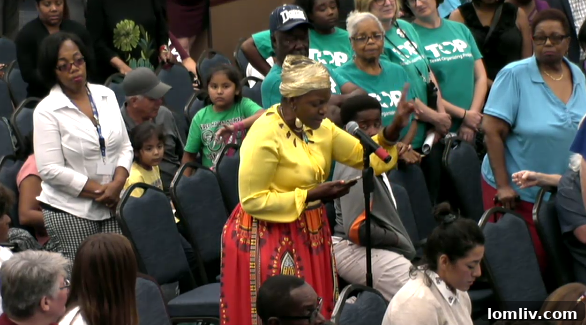
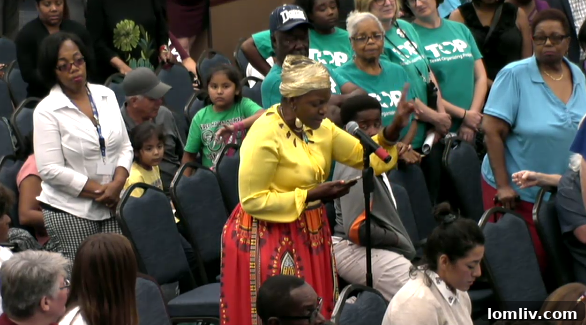
The meeting commenced with a public comment section that quickly became a platform for fervent and frustrated residents of the H.S. Thompson Learning Center neighborhood. With impassioned pleas, these community members demanded that the district honor past commitments and restore their neighborhood school, which has remained closed for years. Their voices underscored a deeper narrative about broken promises, lost community hubs, and the impact of district decisions on South Dallas families.
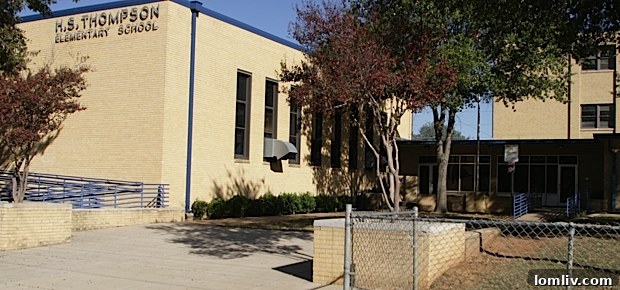
The H.S. Thompson Learning Center: A Symbol of Unfulfilled Promises
The H.S. Thompson Learning Center was among eleven schools closed by Dallas ISD in 2013, a move intended to save approximately $12 million. However, community speakers at the recent board meeting vehemently insisted that the district had explicitly promised the school would either reopen or be rebuilt. Many recalled specific assurances that the school would be returned to their neighborhood within a mere two years, a timeframe that has long since passed, replaced by disappointment and disillusionment.
“Our kids deserve better. We want our schools back,” one speaker declared, encapsulating the sentiment of many. “Everyone else seems to be getting their schools; why not us?” Another neighbor echoed the sentiment of prolonged waiting, stating simply, “It’s been four years.” The frustration escalated with another speaker’s poignant demand: “We decree and we declare, we want our school built. All we got is lies, lies, and alibis.” This powerful rhetoric painted a vivid picture of a community feeling betrayed and overlooked.
A resident eloquently described H.S. Thompson as more than just a building: “This is our neighborhood school. This school is the heart of our community. We are not going away. We are your biggest partners.” The emotional connection to the school was palpable, reflecting its role as a central pillar of neighborhood life. An alumnus and neighbor further criticized the district’s perceived lack of investment in their children’s future, lamenting, “We don’t have any vanguards, any Montessoris, we don’t have anything that shows you want these kids to succeed.” Several speakers were visibly livid, with one even invoking scripture to chastise the board for its perceived failings.
The collective sentiment culminated in a powerful statement from a final speaker: “Somebody said we want to partner with y’all. I don’t wanna partner with y’all. You guys work for us.” This defiant declaration highlighted a fundamental breakdown in trust and a shift from a desire for collaboration to a demand for accountability from elected officials.
The Decline and Demolition of a Community Hub
The Dallas ISD board’s decision to close Thompson in 2012 was attributed to low enrollment and the campus’s aging infrastructure. This same vote also led to the closure of Bonham Elementary, which, notably, was later repurposed and reopened as the home for Solar Prep for Girls, a development that only intensified the H.S. Thompson community’s sense of injustice.
Data from the 2009-2010 academic year revealed that H.S. Thompson served approximately 225 students with 24 dedicated teachers, underscoring its vital role despite declining enrollment figures cited by the district. The years following the closure were particularly harsh for the vacant campus. The school became a frequent target for vandals and copper thieves, its empty halls and classrooms succumbing to decay. This neglect served as a painful reminder to the community of their lost school. The ravaged structure was ultimately demolished after bids for its removal were collected in the Spring, irrevocably erasing the physical presence of a beloved institution.
More Vacant Campuses: A Wider Dallas ISD Dilemma
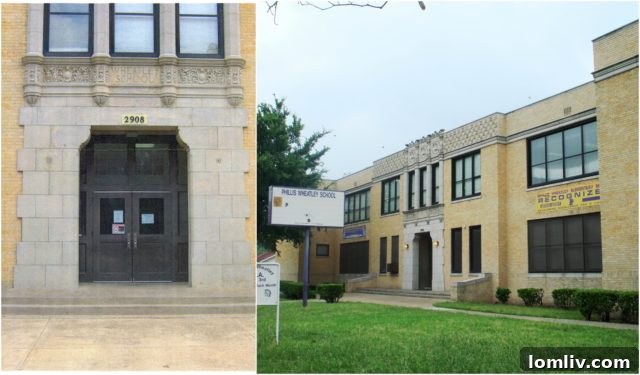
The discussion at the board meeting extended beyond H.S. Thompson, encompassing the fate of three other shuttered campuses: the former Billy Earl Dade building, Pearl C. Anderson Elementary, and Phillis Wheatley Elementary. Both Wheatley and Anderson were closed simultaneously with Thompson in 2013, and like Thompson, they too have fallen prey to vandalism and neglect in their years of vacancy. This broader scope revealed a systemic issue within Dallas ISD regarding the long-term management and community impact of closed educational facilities.
Phillis Wheatley Elementary: A Historic Landmark’s Uncertain Future
Phillis Wheatley Elementary, a school with deep historical roots, first opened its doors in 1929. It is nestled within the historic Wheatley Place neighborhood, which proudly bears the name of Phillis Wheatley, an influential African-American poet from the 18th century. The entire neighborhood holds significant cultural importance, having been designated as a historic district on the National Register of Historic Places (NRHP). Furthermore, the school itself has been recognized as a Dallas Landmark District by the city, affording it special protections against demolition and alteration. This historical distinction adds a layer of complexity to its future, as any plans for its disposition must respect its heritage.
The Board’s Deliberations: Community Needs Versus Fiscal Pragmatism
Dallas ISD staff proposed initiating the process of potentially selling these three properties—Dade, Anderson, and Wheatley—by deeming them surplus. This move, however, was met with significant resistance and thoughtful deliberation from within the board itself. Trustee Joyce Foreman, a staunch advocate for community interests, promptly pulled the item from the consent agenda. She expressed deep reluctance to part with buildings that, for many residents, represent far more than just real estate; they embody the spirit and history of their neighborhoods.
Foreman questioned why these invaluable community assets could not first be offered to nonprofit organizations dedicated to serving the needs of those very neighborhoods. “We are tearing down everything we can,” she lamented, highlighting a perceived trend of divestment. “I think there are good opportunities to become partners with somebody.” Her sentiment underscored a desire for the district to explore collaborative solutions that prioritize community benefit over immediate financial gain.
Earlier in the week, Foreman had pressed district staffers for details on efforts made to identify potential alternative uses for these properties. The staff responded, acknowledging that “Over the years we have entertained a handful of requests from groups interested in leasing or buying these facilities but unfortunately nothing ever panned out.” They added that at one point, Anderson Elementary had even been considered as a possible replacement site for the JJ Rhoads Learning Center, demonstrating that internal discussions about repurposing had indeed occurred. The staff’s response concluded with a significant revelation: “Somewhat recently, the Dallas County Community College District has expressed an interest in purchasing these vacant facilities,” indicating potential future collaborations.
Trustee Justin Henry voiced agreement with Foreman’s assertion that the district should actively explore partnership opportunities. However, he also introduced a pragmatic counterpoint, acknowledging the prolonged vacancy of these buildings and emphasizing that safety concerns must also be a critical factor in any decision-making process. The prolonged disuse makes these sites susceptible to various hazards, a reality the board could not ignore.
The Path to Sale: Appraisal, Bids, and Community Value
The district’s proposal sought board authorization for staff to commence the complex process of appraising the sites and soliciting bids for their purchase. According to established procedures, bids must meet or exceed the appraised value to be considered valid. Nevertheless, the board retains the ultimate discretion to decline even the highest bid, allowing for considerations beyond mere monetary value. Once bids are collected, the staff would present them back to the board for comprehensive discussion and a final decision. This entire process is estimated to take approximately six months, a timeline that allows for further community engagement and deliberation.
Following the emotional public comments regarding H.S. Thompson, Trustee Jaime Resendez articulated a crucial perspective. He felt the ongoing discussion presented an opportune moment for the board to engage in a “thoughtful” review of these properties, emphasizing their intrinsic value not solely in monetary terms, but in their profound significance to the neighborhoods they once served. This sentiment resonated deeply, recognizing the social and cultural capital embedded within these educational institutions.
All three properties—Dade, Anderson, and Wheatley—are situated in South Dallas, an area that has historically experienced underinvestment. A significant unknown remains regarding their exact market value, which could fluctuate dramatically based on broader development trends. The unique status of Wheatley Elementary, protected by its historic distinction, means it cannot simply be torn down. This preservation requirement introduces a complex variable that could influence potential buyer interest and the types of proposals the district receives.
Superintendent Michael Hinojosa provided an additional layer of consideration, pointing out that the proximity of all these properties to Fair Park could profoundly impact interest from developers and investors. Depending on the city’s evolving plans for the mammoth Fair Park site, these nearby properties could see a substantial increase in value and desirability. If significant development and investment are channeled into Fair Park, these adjacent sites could become prime real estate, potentially offering a different future for these long-vacant schools and the communities around them.
Looking Ahead: Rebuilding Trust and Fostering Equitable Development
The Dallas ISD finds itself at a critical juncture, navigating the intricate balance between fiscal responsibility, property management, and its fundamental commitment to community well-being. The passionate pleas from the H.S. Thompson neighborhood serve as a powerful reminder that school buildings are more than just brick and mortar; they are the heartbeats of their communities, symbols of aspiration, and crucial anchors for local identity. The ongoing discussions about Billy Earl Dade, Pearl C. Anderson, and particularly the historic Phillis Wheatley Elementary, highlight a broader systemic challenge that demands careful, empathetic, and forward-thinking solutions.
As the district moves forward with appraisals and the bidding process, the call for thoughtful partnership and community-centric approaches remains paramount. The decisions made regarding these vacant properties in South Dallas will not only shape the landscape of urban development but will also significantly impact the trust between the Dallas ISD and the communities it serves. Ensuring that these former educational hubs contribute positively to their neighborhoods, whether through new schools, community centers, or other beneficial uses, is essential for fostering equitable development and rebuilding the social fabric of South Dallas.