Dallas ISD Considers Contentious Nonprofit School Partnership Policy: A Deep Dive into SB 1882 and Community Concerns
The Dallas Independent School District (ISD) is once again grappling with a significant and highly debated policy proposal: partnering with nonprofit organizations to manage specific schools within its jurisdiction. This initiative, designed to leverage the incentives offered by Texas Senate Bill (SB) 1882, has been a source of intense discussion, community concern, and legal challenge. Following its removal from the agenda in January, the policy is slated for re-discussion at the Dallas ISD Board of Trustees’ upcoming briefing, signaling a renewed push to bring these partnerships to fruition.
Understanding the Dallas ISD Board Briefing and the Policy’s Path Forward
Dallas ISD board briefings serve as crucial preliminary sessions, held monthly before the regular board meetings. These gatherings provide an essential platform for trustees to delve into agenda items, gain comprehensive insights into district progress, and engage in informed discussions before making final decisions. The reintroduction of the nonprofit partnership policy on the briefing agenda underscores its critical importance to the district’s future strategic direction.
Amidst a flurry of speculation on social media regarding a hastily called special meeting to vote on the policy, Dallas ISD’s news and information director, Robyn Harris, clarified that no such meeting was scheduled. The only official gathering confirmed was the board briefing, where the policy was firmly placed on the agenda for thorough discussion, not an immediate vote. This clarification aimed to dispel rumors of any attempt to limit public engagement, reassuring stakeholders that due process and transparent deliberation remain paramount. The likelihood of a vote occurring before the scheduled February 28 regular board meeting, especially on a topic slated for briefing discussion, remains highly improbable.
The Genesis of Partnerships: Unpacking Texas Senate Bill 1882
At the heart of Dallas ISD’s proposed policy is Senate Bill 1882, a state law enacted during the previous legislative session in Texas. This legislation was meticulously crafted to foster innovative partnerships between traditional school districts and external entities, including charter schools and, crucially, other nonprofit organizations, to operate struggling or underperforming campuses. The law’s primary objective was to offer a pragmatic third option for “improvement required” schools that faced the daunting prospect of closure, providing a vital reprieve and an avenue for revitalization.
SB 1882 provides compelling incentives for these collaborations. Districts entering into such partnerships can receive approximately $1,800 per student in additional funding for each participating campus. Furthermore, turnaround schools — those identified as needing significant improvement — benefit from a two-year pause in sanctions from the state’s accountability system, offering them critical time and flexibility to implement reforms without immediate punitive measures. Molly Weiner, Director of Policy at the Texas Aspires Foundation, a strong advocate for the bill, emphasized its design: “Lawmakers adopted this bill to reduce these barriers specifically—with a focus on partnering at specific school campuses. SB 1882 provides two incentives to districts and charter schools to collaborate: students in the partnership school are funded at whichever per-pupil rate is higher (the charter school’s or the district’s) and turnaround schools receive a two-year pause in sanctions from the accountability system.”
A key aspect of SB 1882, and central to Dallas ISD’s proposal, is its flexibility. It allows districts to forge alliances with a broader range of entities beyond existing charter schools, opening doors for partnerships with diverse nonprofits that can bring specialized expertise and resources to school management and educational programs.
The Storm of Opposition: Legal Challenges and Community Concerns
Despite the intended benefits, SB 1882 and its implementation have faced significant backlash, particularly from teacher advocacy groups. The Texas AFT and the Texas State Teachers Association (TSTA) have taken legal action against Texas Education Commissioner Mike Morath and the Texas Education Agency (TEA), contending that the law fundamentally weakens critical protections for public school employees. Their lawsuit argues that Commissioner Morath is overstepping his authority by granting schools engaged in these partnerships exemptions from established state education regulations.
Louis Malfaro, President of Texas AFT, voiced strong opposition: “The education commissioner has made an unlawful power grab to have complete authority over approving these charter takeovers, and most disturbing is his insistence on breaking the law to ensure that these charter campuses are not subject to important rights protecting teachers and students.” This legal battle highlights a core tension: the desire for flexibility and innovation versus the safeguarding of labor rights and established educational standards.
Mixed Messages and the “Privatization” Debate in Dallas ISD
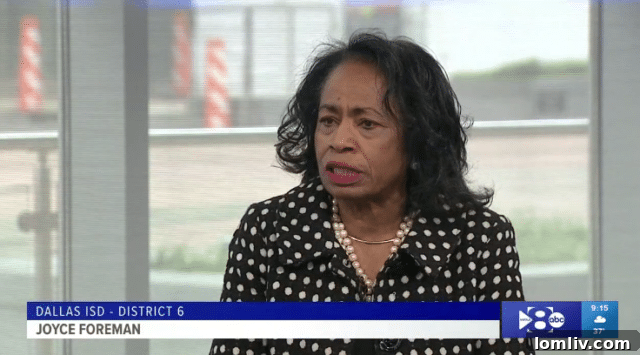
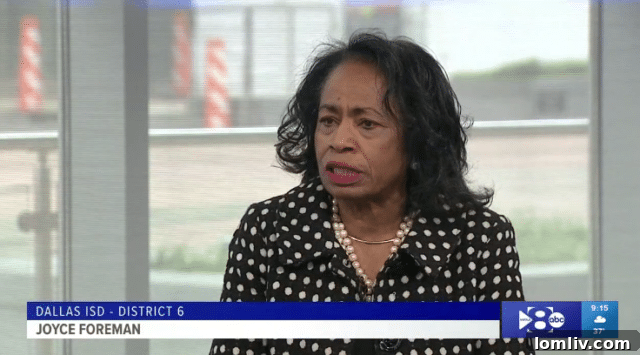
Beyond the statewide legal challenges, the proposed partnership policy has ignited a heated debate within the Dallas ISD community, with many expressing concern that it sends conflicting signals about the district’s confidence in its own successful turnaround initiatives. Trustee Joyce Foreman, a vocal critic, has called for a moratorium on new charter schools in her South Dallas district, questioning the rationale behind the proposed partnerships.
Foreman articulated her perspective to WFAA’s Jason Whitely: “You know, you have to ask yourself the question — if DISD is doing so well, and we got a B from the state’s grading, we have 227 schools and only four of them are low performing, so we’re leading the state in so many areas, why would we be privatizing our schools?” Her argument resonates with a segment of the community that views these partnerships as a form of “privatization,” potentially undermining the public nature of education and diverting resources or control from the district.
These sentiments were echoed frequently during the public comment portion of last month’s board meeting. Mavis Knight, a former State Board of Education member, passionately urged the board to “Believe in yourself and your leadership skills,” arguing that Dallas ISD’s recent achievements demonstrate its capability to thrive independently without relying on external partnerships. She suggested that considering such a policy implied a lack of faith in the district’s own ongoing work and progress.
Dallas city councilman Philip Kingston also weighed in, commending the district’s upward trajectory but gently chiding the board for what he deemed a “half-baked” idea. Kingston questioned the wisdom of outsourcing management or control when the district itself has demonstrated such significant gains, particularly after campaigning for a recent Tax Ratification Election based on the strength of these very successes. “Why would you give that away?” he queried, highlighting the perceived inconsistency in the district’s messaging. Another speaker succinctly captured the public’s sentiment, stating, “You’re gonna bring someone in to wash the dishes we’ve already washed,” underscoring the belief that the district is already making improvements and does not require external assistance from charter partners.
The core of the opposition centers on the fear that these partnerships, while potentially offering benefits, could lead to a loss of public accountability, erode teacher protections, and ultimately diminish the public character of Dallas ISD schools. The term “privatizing” schools carries significant weight, evoking concerns about commercial interests influencing educational decisions and potentially marginalizing community input.
The District’s Vision: Potential Benefits and Pre-K Expansion
While the opposition is vocal, the proponents of the policy, including SB 1882’s architects, highlight the flexibility and potential for innovation that these partnerships can unlock. Molly Weiner explained that “Partnership agreements can vary based on the mission of the school and the purpose it is serving,” suggesting that the arrangements are not one-size-fits-all but can be tailored to specific school needs and community goals. This adaptability allows districts and partners to collaborate on solutions in identified areas of need, fostering a more responsive educational environment.
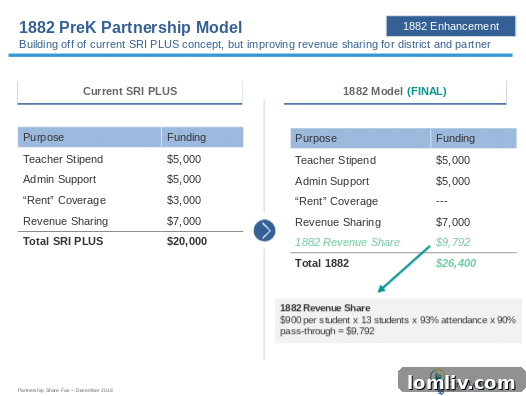
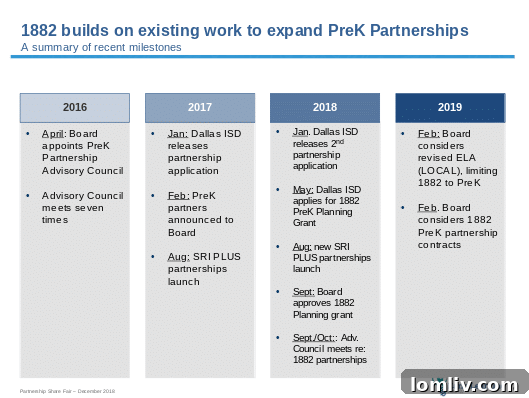
During the upcoming Thursday briefing, the Dallas ISD board is expected to hear more about the specific benefits such a policy could bring to the district. A notable point of discussion will be its potential positive impact on Dallas ISD’s robust Pre-K program. The district already leverages partnerships with external providers to expand the reach and quality of its pre-kindergarten offerings into more communities. The proposed policy could potentially provide a framework to further enhance and scale these successful early childhood education initiatives, bringing high-quality Pre-K to even more Dallas families.
Looking Ahead: Community Engagement and the Path to a Decision
The debate surrounding the Dallas ISD nonprofit partnership policy is far from over. Trustee Foreman remains resolute in her stance: “I’m hoping the revised policy comes in quite differently. If they bring to the board the same thing, then I will be opposing that.” Her clear opposition to “privatizing” schools underscores the deep-seated concerns that the superintendent and the board must address. “I do not support privatizing our schools,” she reiterated, adding, “And I think the superintendent heard the community when the community came down and spoke out.”
Transparency and community involvement are paramount in such a pivotal decision. To ensure the public is well-informed and has opportunities to provide feedback, Dallas ISD has scheduled several public information meetings. Four simultaneous public information meetings are slated for Tuesday, Feb. 12, at 6:30 p.m., offering a vital platform for community members to ask questions, voice their opinions, and engage directly with district representatives.
For those seeking more detailed information, the full presentation regarding the proposed policy and a detailed information sheet are available online. All Dallas ISD board meeting agendas are consistently posted online at least 72 hours in advance, with most pertinent documents attached to the agenda items for public review. Additionally, all board meetings are broadcast live on the district’s official website, ensuring accessibility and transparency for all interested stakeholders.
As Dallas ISD moves forward, the decision on this partnership policy will undoubtedly shape the future of education within the district, impacting students, teachers, and the broader community for years to come. The ongoing discussions will require careful consideration of both the potential benefits and the significant concerns raised by diverse voices.
You can see the whole presentation here and a detailed information sheet on the partnership policy here. Board meeting agendas are always posted online at least 72 hours in advance of any meeting, and most pertinent documents are attached to the agenda items.
All meetings are also broadcast live on the district’s website.
For more information — and the chance to ask questions — the district is holding four public information meetings simultaneously Tuesday, Feb. 12, at 6:30 p.m.