Dallas Real Estate Market Navigates Tight Inventory and Soaring Prices in Mid-2014
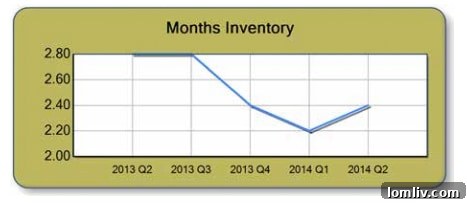
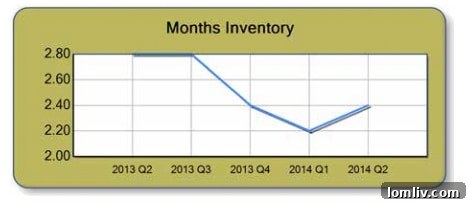
The Dallas real estate market is currently experiencing a dynamic period characterized by persistently low inventory levels and a subsequent surge in home prices. A recent quarterly report, compiled by the Texas Association of Realtors and the esteemed Real Estate Center at Texas A&M University, sheds light on these critical trends impacting buyers and sellers across the region. As of the second quarter of 2014, the Dallas market recorded a mere 2.4 months of inventory, marking a slight increase of 0.2 months from the preceding quarter. While any growth in inventory is typically welcomed, this figure remains exceptionally tight, significantly below what is considered a balanced market, which typically hovers around six months of supply. This acute shortage is undeniably stifling potential sales growth and exerting substantial upward pressure on home values.
The Persistent Inventory Crunch: A Deeper Look
The concept of “months of inventory” serves as a crucial metric in real estate, indicating how long it would take to sell all existing homes on the market at the current sales pace if no new homes were listed. A low figure like 2.4 months signals a strong seller’s market, where demand far outstrips supply, leading to increased competition among buyers. This scarcity of available properties in Dallas has become a primary bottleneck, creating a challenging environment for prospective homebuyers who often face bidding wars and limited choices. The sustained economic recovery in North Texas, coupled with robust population growth driven by corporate relocations and job opportunities, has fueled an insatiable demand for housing. However, the pace of new construction has not kept up with this accelerated demand, exacerbating the inventory crisis.
The implications of this tight inventory extend beyond just pricing. It contributes to faster sales cycles, often with homes receiving multiple offers within days of listing. While this is advantageous for sellers, it can lead to buyer fatigue and a sense of urgency that might push individuals to make swift decisions. For the overall health and accessibility of the market, a more balanced inventory is essential to ensure sustainable growth and provide ample opportunities for a diverse range of buyers.
Dallas Home Prices Continue Their Upward Trajectory
In direct response to the constricted supply and escalating demand, median home prices in Dallas have shown significant appreciation. The latest data reveals a compelling 9.81 percent increase in the median home price from the first quarter of 2014. Furthermore, this represents a substantial 6.81 percent jump compared to the same period a year ago, underscoring a robust and accelerating trend. This marks the second consecutive quarter that Dallas has experienced a notable rise in home values, signaling a strong recovery and growth phase for the city’s housing market. For homeowners, this translates to increased equity and financial stability, while for prospective buyers, it means navigating a market where affordability is becoming a growing concern.
The statewide picture offers a glimmer of hope regarding inventory. For the first time in three years, Texas saw its inventory grow, reaching 3.6 months in the second quarter of 2014, up from an all-time low of 3.4 months in the first quarter of the year. While this statewide increase is a positive development, especially given its historical context, it still signifies a market considerably tighter than optimal. As the report aptly describes, “inventory is tighter than a pair of skinny jeans after Thanksgiving,” humorously emphasizing the ongoing challenge it presents for the broader Texas housing landscape, including key metropolitan areas like Dallas.
Expert Insights on Market Dynamics and Demand
Industry leaders are closely monitoring these trends. Dan Hatfield, Chairman of the Texas Association of Realtors, commented on the statewide situation: “The statewide housing inventory shortage to date in 2014 has prevented Texas from seeing the double-digit increases in home sales growth that we saw last year, so this new increase in inventory is promising.” Hatfield’s statement highlights a crucial point: while demand is incredibly strong, the sheer lack of available homes is physically limiting the number of transactions that can occur. He further added, “However, home sales volume continues to keep pace with 2013 – the second-best year ever for Texas real estate – showing that housing demand continues to be very strong throughout the state.” This indicates that despite the inventory constraints, the underlying appetite for homes across Texas remains exceptionally high, positioning 2014 to be another remarkable year for real estate.
The first half of 2014 concluded with a remarkably strong summer performance for the Texas housing market. Statewide home sales surged by more than 46 percent from Q1 2014, demonstrating a significant seasonal upswing. Year-over-year (YoY) sales also saw a modest increase of 1.13 percent statewide. Dallas, mirroring this positive momentum, experienced a more than 48 percent increase in sales from Q1 2014 to Q2 2014. However, a deeper dive into Dallas’s Q2 performance reveals a slight year-over-year decrease of 2.56 percent compared to the same period last year. This minor dip year-over-year, despite the strong quarter-over-quarter growth, can be attributed to the extremely tight inventory limiting the full potential of sales volume, especially when compared to a particularly robust previous year. It underscores how the supply-side challenges are impeding the market’s ability to fully capitalize on the strong demand.
The Crucial Role of New Construction in Alleviating Shortages
Addressing the inventory deficit is paramount for the sustainable growth of the Texas housing market. Jim Gaines, an economist with the Real Estate Center at Texas A&M University, emphasized the importance of development: “The development of new homes and vacant lots is on the rise throughout Texas, and as a result we’re seeing much-needed gains in inventory. That said, Texas is still facing an inventory shortage.” This indicates that while builders are responding to the demand, the pace of new construction is still playing catch-up. Challenges such as rising material costs, labor shortages, and regulatory hurdles can impede the speed at which new homes come to market.
Gaines further articulated the vital role of new housing stock: “A steady, ongoing supply of new housing stock – particularly in the first-time and move-up buyer market, where a majority of home sales volume occurs – will be crucial to Texas housing market growth in the second half of 2014 and in the future.” This insight highlights that the solution to the inventory crunch lies heavily in bolstering the supply side, specifically targeting segments that drive the largest volume of transactions. An increase in entry-level and mid-range housing options would not only help first-time buyers enter the market but also enable current homeowners to move up, thereby freeing up existing inventory. Without a consistent pipeline of new homes, the Dallas and Texas real estate markets risk becoming even more competitive and less accessible for many potential homeowners.
Looking Ahead: Navigating the Dallas and Texas Real Estate Landscape
As the Dallas and broader Texas real estate markets move through 2014, the delicate balance between robust demand and constrained supply will continue to dictate trends. While rising home prices benefit sellers and contribute to economic stability, the long-term health of the market depends on achieving a more balanced inventory. The slight statewide increase in inventory is an encouraging sign, suggesting that builders and developers are beginning to respond to the market signals. However, the path to a healthy six-month supply is still a long one, requiring sustained efforts in new construction and a favorable environment for development.
For individuals looking to buy or sell in Dallas, understanding these underlying market dynamics is crucial. Buyers need to be prepared for a competitive environment, while sellers are in a strong position. The sustained strength of the Texas economy and its continuous appeal for businesses and individuals suggest that demand for housing will remain high. Therefore, the focus for the latter half of 2014 and beyond will undoubtedly remain on how effectively the supply side can adapt and grow to meet this persistent demand, ensuring the continued vibrancy and accessibility of the Dallas and Texas housing markets.