Navigating the Dynamic Dallas Housing Market: Trends, Challenges, and Opportunities
The Dallas-Fort Worth (DFW) metropolitan area stands out as one of the most vibrant and rapidly expanding real estate landscapes in the United States. Propelled by robust economic growth, significant job creation, and a continuous influx of both residents and corporations, the Dallas housing market exhibits a powerful dynamic of high demand and steady value appreciation. This comprehensive overview delves into the intricate factors fueling these trends, while also shedding light on the critical challenges that are currently shaping the future of homeownership and the rental sector across North Texas.
Dallas Housing Market Heats Up: A Story of Sustained Growth
The palpable energy within the Dallas housing market reflects a broader, sustained trend across the entire North Texas region. Recent analyses underscore this vigor, revealing that the median price for single-family homes experienced a notable increase of approximately 8 percent in May compared to the previous year. This upward trajectory is not an isolated event but rather a continuation of long-term appreciation; prices across North Texas have escalated by an estimated 40 percent since the economic recession of 2009. These compelling statistics, gathered from a detailed report by the Dallas Builders Association (DBA) in collaboration with Meyers Research for the Dallas-Fort Worth-Arlington Metropolitan Statistical Area, clearly illustrate a decade of strong market performance.
Dallas has firmly cemented its position as a national leader in new home construction, having surpassed other major metropolitan areas, including Houston, to claim the top spot earlier in the year—a distinction it proudly maintains. This exceptional performance is largely supported by one of the most robust employment markets nationwide, which consistently attracts skilled talent and businesses alike. Consequently, this robust job growth fuels relentless demand for housing, creating a continuous cycle of market expansion. Despite the concerted efforts in new construction, the market continues to grapple with incredibly low inventory levels. The overall housing inventory stood at a critically low 2.3 months’ supply, with particularly sought-after areas, such as Collin County, experiencing even tighter conditions. Such limited supply is a definitive indicator of a strong seller’s market, where the number of available homes falls significantly short of buyer interest.
In response to this pressing demand, projections indicated that approximately 29,000 new homes were expected to be completed in the North Texas region by the end of 2016. While this represents a substantial commitment from builders, the pace of construction often struggles to keep pace with the overwhelming and sustained demand. Furthermore, persistent challenges within the construction industry, such as ongoing labor shortages and increasingly stringent regulatory burdens, contribute significantly to rising construction costs. These added expenses are almost invariably passed on to homebuyers, intensifying the upward pressure on home prices. This intricate dynamic collectively contributes to the continued escalation of housing costs, making the aspiration of homeownership more challenging for many prospective buyers.
The Affordability Crunch: Starter Homes Face Unprecedented Pressure
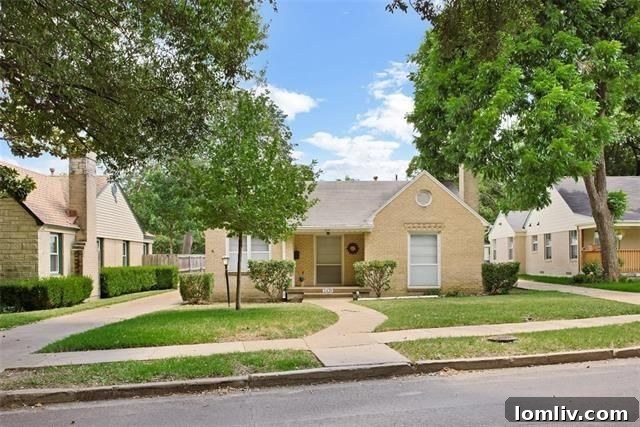
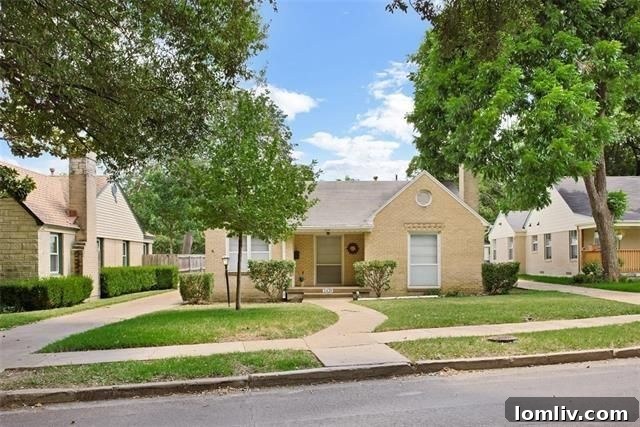
While the broader Dallas housing market continues its upward climb, not all segments of the market offer the same level of accessibility. The most acute pressure is undeniably felt within the starter home category, specifically for properties priced between $100,000 and $300,000. This critical market segment, which is essential for first-time homebuyers and individuals seeking more attainable housing options, consistently reports less than a two months’ supply. This severe and persistent shortage underscores a burgeoning affordability crisis within one of the nation’s most rapidly growing and economically dynamic regions.
Phil Crone, the executive officer of the Dallas Builders Association, precisely articulated the core of this challenge: “Half of our region’s demand continues to be for the under $250,000 price point. Unfortunately, the housing industry cannot adequately meet that demand due to our ongoing labor shortage and increasing local regulation.” This statement highlights a significant and concerning disconnect between the overwhelming buyer demand and the industry’s capacity to supply. Although builders are keen to address this market need, they are confronted with escalating costs for raw materials, a widespread scarcity of skilled construction labor, and an increasingly complex and burdensome regulatory landscape. These combined factors make the construction of entry-level homes at competitive and affordable prices an exceedingly formidable task.
Compounding this issue, recent analyses from Metrostudy Inc. reveal a troubling trend: the starts of new homes priced between $200,000 and $250,000 in North Texas experienced a considerable decline of over 19 percent in the most recent quarter. This substantial drop signals a shrinking pipeline for future affordable housing options. Paige Shipp, regional director of Metrostudy’s Dallas-Fort Worth region, offered a stark assessment in her report, observing, “Over the past two years, starts below $200,000 decreased dramatically while starts between $200,000 and $249,000 remained relatively flat or slightly increased. This quarter, starts in that price tranche dropped 19.3 percent, which signals a possible extinction of new homes below $250,000 in DFW.” Such a potential “extinction” would carry profound implications for market accessibility and the long-term economic diversity of the region, pushing homeownership further out of reach for a significant segment of the population.
Persistent Challenges Faced by Homebuilders
The difficulties encountered by homebuilders in the Dallas area are multifaceted and directly impact both the supply and the ultimate cost of new homes. A recent comprehensive survey conducted by the Dallas Builders Association revealed that over 80 percent of its member builders identified the pervasive labor shortage as a substantial contributing factor to both increased construction prices and prolonged project delays. The scarcity of skilled tradespeople—encompassing professionals from framers and electricians to plumbers and roofers—forces builders into intense competition for available talent, inevitably driving up labor costs and extending crucial construction timelines. This not only makes homes more expensive to build but also delays their much-needed entry into a market desperate for additional inventory.
Beyond labor constraints, regulatory hurdles present another significant impediment. More than one-third of the builders surveyed by the DBA specifically cited fee increases and increasingly demanding development dedication requirements as substantial factors. These costs can include rising permit fees, impact fees levied by municipalities for essential infrastructure, and mandates for builders to dedicate portions of land for public use or to construct community amenities. While many of these regulations are designed to ensure quality construction and foster sustainable development, their cumulative effect can significantly inflate the final cost of a home, particularly for projects initially designed to be more affordable. Navigating these complex bureaucratic processes can be both time-consuming and financially draining, further discouraging the development of crucial lower-priced housing units.
The Luxury Segment: A Different Market Dynamic
In notable contrast to the severe supply constraints and affordability challenges experienced in the starter home market, the luxury segment of the Dallas housing market presents a distinctly different picture, characterized by a significantly healthier inventory. According to the comprehensive DBA study, properties priced higher than $500,000 generally benefit from a supply of five or more months, indicating a more balanced and less competitive market for affluent buyers. For ultra-luxury homes, those commanding prices in excess of $1 million, the inventory is even more robust, with approximately a 14.3 months’ supply. This ample supply caters to a distinct demographic, often less susceptible to fluctuations in interest rates and broader economic conditions, and is primarily drawn to Dallas’s thriving economy, rich cultural offerings, and prestigious neighborhoods.
The sustained availability within the luxury market reflects continued significant investment in high-end residential developments, designed to cater to the considerable wealth accumulation and the steady influx of high-income earners attracted to the dynamic DFW area. While the robust supply of luxury homes does not alleviate the critical affordability crisis for first-time buyers, it vividly highlights the stratified nature of the broader market, where different segments operate under vastly divergent supply-demand dynamics and economic pressures.
Dallas Rental Market: A Boom Fueled by Housing Shortages
The combination of extremely tight inventory and rapidly escalating prices in the for-sale housing market has created a profound spillover effect on the Dallas rental market, compelling a steadily increasing number of North Texans to continue renting. This significant shift in consumer behavior has ignited an undeniable boom in the multifamily housing sector. The strength of this demand is unequivocally clear: apartment occupancy rates in 2015 soared to an impressive 95.3 percent, marking the highest percentage recorded in the last two decades. This figure typically climbs in direct correlation with increases in home prices, as prospective homebuyers find themselves priced out of the purchase market and subsequently turn to rentals as their primary and often only viable housing solution.
Predictably, this surge in demand for rental units has directly translated into a substantial increase in rents. In 2015, rents across North Texas rose by a notable 5.7 percent, representing the largest single-year increase observed over the past two decades. To adequately meet this burgeoning demand, the region has witnessed a significant wave of new multifamily construction, with more than 16,000 new units projected to come online in 2016 alone. Developers are actively responding to these strong market signals, pouring considerable investments into the development of new apartment complexes and vibrant rental communities throughout the expansive metroplex.
Key areas experiencing the most active multifamily development include Intown Dallas and Collin County, both of which serve as powerful magnets for residents seeking urban conveniences, access to reputable schools, and close proximity to major employment hubs. Rents for new multifamily construction, specifically units built within the last six years, illustrate the considerable variations in costs across these highly desirable locations. In Frisco, a rapidly growing and affluent city located in Collin County, the average rent for a new multifamily unit was approximately $1,355 per month, which translates to about $1.34 per square foot. Meanwhile, in the bustling and vibrant urban core of Intown Dallas, the average rent for new multifamily properties was notably higher, reaching approximately $1,847 per month, or about $1.96 per square foot. These figures reflect not only the premium associated with central and highly desirable locations but also the high quality, modern amenities, and sophisticated finishes often characteristic of newer developments in these thriving communities.
Future Outlook for the Dallas-Fort Worth Real Estate Market
The future trajectory of the Dallas-Fort Worth real estate market appears poised for continued robust growth, although it will undoubtedly involve ongoing adjustments to effectively address current challenges. The strong underlying economic fundamentals of the region, including consistent job growth, an attractive business environment, and ongoing corporate relocations, are likely to continue attracting new residents. This will, in turn, sustain the upward pressure on housing demand. However, the critical issue of housing affordability, particularly within the starter home segment, remains a significant and pressing concern that requires innovative solutions.
Addressing the persistent labor shortages in construction, streamlining cumbersome regulatory processes, and actively exploring innovative construction methods will be paramount for the industry to more effectively meet the diverse housing needs of the growing population. The rental market is expected to remain exceptionally strong, with new multifamily developments continuing to emerge to absorb the substantial demand from individuals who either choose to rent or are currently unable to enter the competitive homeownership market. As the DFW metroplex continues its dynamic expansion, adopting a balanced approach that thoughtfully supports both single-family home construction across all price points and fosters a healthy, responsive rental sector will be absolutely essential for ensuring sustainable growth, maintaining the region’s economic vitality, and preserving a high quality of life for all its residents.