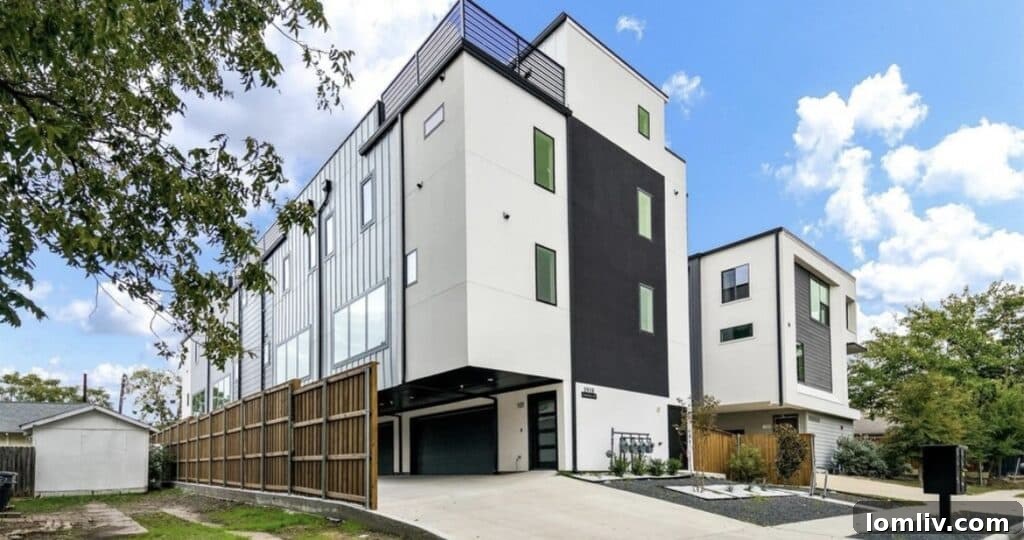
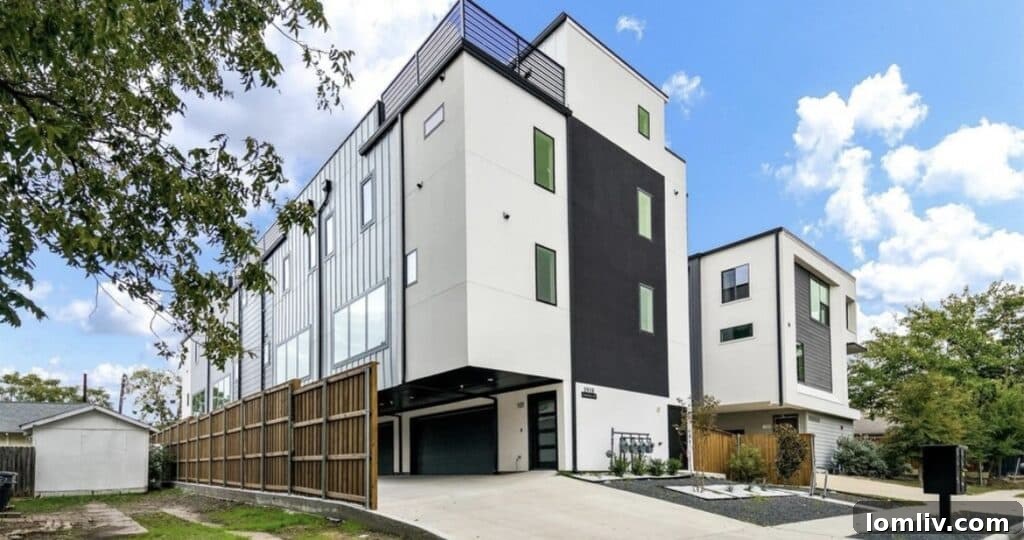
Cities across the United States, including major metropolitan areas like Dallas, are grappling with a profound housing crisis. This challenge isn’t merely about a lack of homes but a severe shortage of diverse and attainable housing options that cater to a broad spectrum of incomes and lifestyles. While various fragmented initiatives attempt to address this multifaceted problem, one comprehensive solution is increasingly coming into focus: Missing Middle Housing. Understanding what Missing Middle Housing is, why it’s crucial, and how to effectively integrate it into urban landscapes is perhaps the most significant call to action facing urban planners and policymakers today.
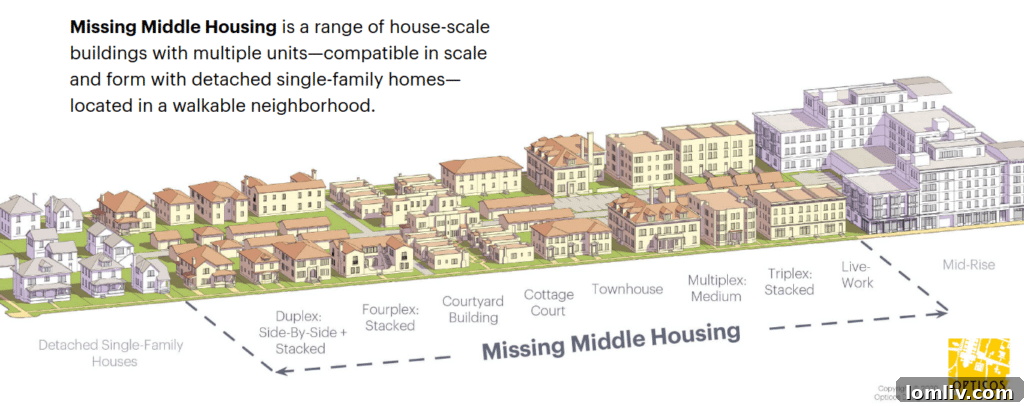
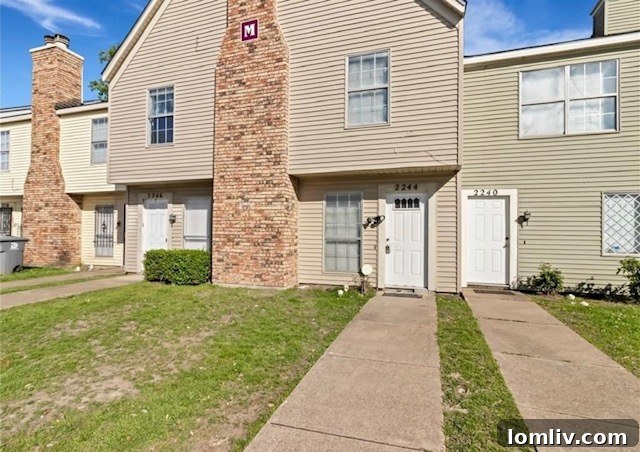
Missing Middle Housing refers to a spectrum of multi-family or clustered housing types that are seamlessly compatible with existing single-family neighborhoods, both in terms of scale and character. These housing forms are strategically designed to bridge the gap between detached single-family homes and larger, more imposing apartment complexes. The core intention behind Missing Middle Housing is to meet the growing demand for walkable communities, foster vibrant neighborhood life, and, critically, provide housing at a wider range of price points. Historically, these housing types – such as duplexes, fourplexes, triplexes, courtyard apartments, bungalow courts, and townhouses – were common staples of American cities prior to World War II. However, due to restrictive zoning codes and evolving development patterns over the last several decades, these vital housing options have largely gone “missing” from many of our metro areas, including Dallas, contributing significantly to the current affordability and accessibility crunch.
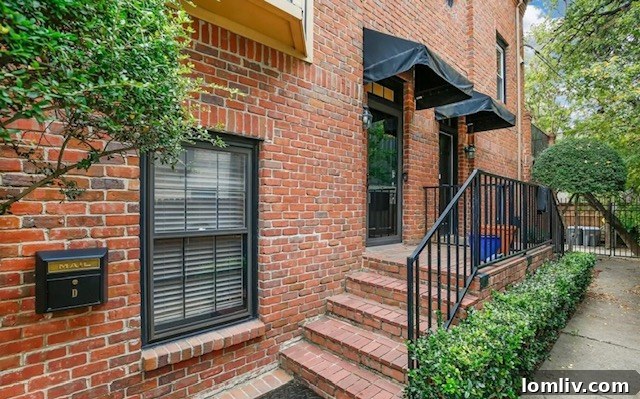
In Dallas, the city council has begun to recognize the immense potential of Missing Middle Housing as a strategic tool for urban development and has initiated intentional efforts to attract and encourage these types of housing solutions. Notable examples include discussions surrounding the West Oak Cliff Area Plan, which seeks to empower residents and integrate diverse housing options, and the approval of multi-family developments like the Standard Shoreline apartment complex. These initiatives represent a concerted effort to shift away from an over-reliance on large-scale developments and embrace housing forms that better integrate into existing communities.
However, implementing Missing Middle Housing is far from a simple undertaking. The path is often fraught with complex challenges and significant resistance from various stakeholders. Many established neighborhoods express legitimate concerns about potential gentrification, fearing the displacement of existing residents or the perceived erosion of neighborhood character. There are also anxieties regarding the introduction of lower-income renters adjacent to luxury residences, and the overarching impact such developments might have on existing property values. These concerns, while understandable, often create significant political and social hurdles that can stall or even derail well-intentioned housing initiatives. Balancing the urgent need for diverse housing with the preservation of community integrity and property owner interests requires nuanced planning, robust community engagement, and transparent communication.
Despite these ongoing efforts and the clear recognition of the problem, the reality remains that the missing middle is still very muchmissing from the current housing landscape in Dallas and many other cities. The gap between demand and supply for these crucial housing types continues to widen, exacerbating the broader housing crisis.
The Persistent Scarcity: Why Missing Middle Housing Remains Elusive
The scarcity of Missing Middle Housing is not a phenomenon unique to Dallas; it reflects a broader national trend. Rob Dietz, the Chief Economist for the National Association of Home Builders (NAHB), has consistently highlighted the significant lag in the construction of duplexes and fourplexes across the country. His data reveals a stark reality: in 2021, there were a mere 12,000 starts for these essential housing types nationwide. This figure is strikingly low when considering the scale of the housing crisis and the potential for Missing Middle Housing to alleviate pressure on both single-family and high-density markets.
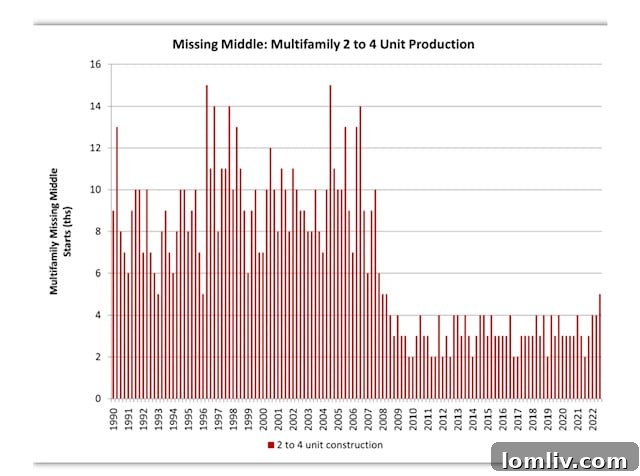
Dietz further elaborated on this trend in his Eye On Housing report published on November 23rd. He noted, “While townhouse construction has trended higher in recent quarters, the multi-family segment of the missing middle has disappointed.” The report detailed that for the third quarter of 2022, there were only 5,000 construction starts for two-to-four-unit housing types. While this marked a modest improvement – potentially the best quarter for this specific market segment since mid-2008 – Dietz cautioned that “the gain is small, so it is not statistically significant.” Nonetheless, he acknowledged that this slight uptick did align with an increase in permits issued for two-to-four-unit production earlier in 2022. This data underscores a critical point: while there may be nascent signs of interest and regulatory adjustments, the actual pace of construction for Missing Middle Housing is still woefully insufficient to address the widespread demand and make a meaningful impact on housing affordability and availability.
Navigating the Path: Avoiding Critical Mistakes in Enabling Missing Middle Housing
The journey to successfully integrate Missing Middle Housing into urban planning is complex and requires careful consideration of best practices to avoid common pitfalls. Experts from California-based Opticos Design Inc., a leading urban design and architecture firm, are at the forefront of this movement. They define the Missing Middle concept as aiming to “highlight the need for diverse, affordable housing options in walkable urban places […] through zoning reform and form-based coding.” Their approach emphasizes a holistic transformation of how cities plan and regulate development, moving beyond simplistic solutions to create genuinely livable and sustainable communities.
To guide cities through this intricate process and help them avoid missteps, the designers and architects at Opticos launched MissingMiddle.com. This invaluable resource serves as a comprehensive hub for information, case studies, and practical guidance for municipalities, developers, and community members alike. It aims to demystify the concept and provide actionable strategies for effective implementation.
Daniel Parolek, a principal at Opticos Design and a leading voice in the Missing Middle movement, succinctly articulated the challenge in a September report published on the Opticos website. He stated, “If there was a simple solution, much more missing middle housing would have been built over the past few decades.” Parolek bluntly pointed out that “not all planners and zoning code writers have the right skill set to effectively plan and zone for the effective delivery of these types. If they did, missing middle housing wouldn’t be ‘missing.’” This highlights a critical deficiency in traditional planning practices that have historically favored single-family homes or large-scale apartment buildings, neglecting the nuanced requirements of Missing Middle types.
Parolek emphasizes that cities must “get the zoning right to enable an ecosystem of builders to evolve, local banks to get comfortable financing these types, and other barriers to systematically be removed.” This underscores the systemic nature of the problem, where zoning acts as a foundational barrier that impacts everything from development feasibility to financial viability. He concludes with a powerful and definitive statement: “Getting the zoning right first is the most important step to correctly implement missing middle housing.” Without a thoughtfully reformed and enabling zoning framework, other efforts are likely to fall short, as the fundamental conditions for these housing types to flourish will not exist.
Dallas’s Zoning Reform: A Critical Step Forward
In Dallas, this critical need for zoning reform is being directly addressed. Julia Ryan, the city’s Director of Planning and Urban Design, is spearheading an ambitious effort to overhaul the city’s 35-year-old development code. This outdated code, characterized by its complexity and rigidity, is a significant impediment to modern, responsive urban development, including the integration of Missing Middle Housing. Currently, Dallas operates with more than 1,200 “planned developments” (PDs), which are essentially custom zoning districts that add layers of bureaucracy and make building in specific areas unnecessarily difficult. These complex rezonings can drag on for up to nine months to get approved, creating uncertainty and disincentivizing developers who might otherwise pursue Missing Middle projects. Ryan’s initiative aims to streamline this process, making zoning “easier and faster” to navigate, thereby creating a more fertile environment for diverse housing types to emerge.
Key Mistakes to Avoid for Successful Missing Middle Implementation
Building on his extensive experience, Daniel Parolek’s analysis outlines five crucial mistakes that municipalities should actively avoid when embarking on a Missing Middle solution. These common pitfalls can undermine the very goals of affordability, livability, and community integration that Missing Middle Housing seeks to achieve:
- Allowing types or build-out scenarios that do not deliver attainability or livability: The primary goal of Missing Middle Housing is to provide diverse, often more attainable, options. If regulations permit only large, luxury units within Missing Middle formats, or if the design fosters an undesirable living environment (e.g., poor light, lack of outdoor space, excessive density without amenities), the fundamental objective of improving housing accessibility and quality of life is missed. This can lead to projects that are expensive, exclusive, and alienating rather than inclusive.
- Unbroken mass from front to the rear of the lot (bulk at the rear of the lot): This refers to designs where a building extends uniformly from the street front to the back of the property, creating a monolithic structure. Such designs often result in a lack of light and air for both the residents and adjacent properties, reducing livability. It also fails to break up the mass of the building effectively, making it feel imposing and out of character with traditional residential patterns that often feature varied setbacks and open spaces.
- Massing that looms over adjoining neighbors: Poorly designed Missing Middle developments can result in buildings that are excessively tall or wide in relation to their immediate neighbors, casting shadows and creating a sense of being overlooked. This issue is often a source of significant neighborhood contention, as it infringes on privacy and alters the established visual context. Careful consideration of setbacks, building heights, and rooflines is essential to ensure new developments respect the scale and light access of existing homes.
- Dead ground floor and bad frontage on the street: A common mistake in urban design is creating buildings with inactive or unengaging ground floors, such as long stretches of blank walls, garages dominating the street view, or inaccessible entrances. This leads to a “dead” streetscape, reducing walkability, safety, and community interaction. Successful Missing Middle Housing should contribute positively to the public realm, with active frontages, welcoming entrances, and design elements that encourage pedestrian life and visual interest.
- Build-out that creates an unlivable and undesirable block form: This refers to the cumulative effect of individual Missing Middle developments on the overall character and function of a city block. If each new project is designed in isolation without consideration for its neighbors or the broader street context, the result can be a chaotic, fragmented, and ultimately undesirable block. Good planning ensures that Missing Middle Housing contributes to a cohesive, walkable, and aesthetically pleasing block form, fostering a sense of place and community.
Parolek wisely cautions against a one-size-fits-all approach to Missing Middle Housing, emphasizing that each community has its unique context and challenges. He states, “Missing middle is not a one-size-fits-all solution.” Instead, Opticos Design often recommends considering “three degrees of change: maintenance, evolution, and transformation.” This nuanced approach allows cities to tailor their strategies based on the existing urban fabric and community aspirations. ‘Maintenance’ might involve minor zoning tweaks to allow existing structures to be gently densified. ‘Evolution’ could mean introducing a wider array of Missing Middle types into a neighborhood while carefully preserving its character. ‘Transformation’ might apply to areas ripe for significant redevelopment, allowing for more comprehensive changes to the housing stock and urban form.
The journey to reintroduce Missing Middle Housing into our cities, particularly in rapidly growing areas like Dallas, is complex but absolutely essential. It requires a fundamental rethinking of urban planning, a willingness to engage deeply with communities, and a commitment to sensible, future-oriented zoning reforms. By learning from expert insights, avoiding common mistakes, and embracing tailored approaches, cities can unlock the immense potential of Missing Middle Housing to create more affordable, diverse, walkable, and vibrant communities for generations to come. The crisis is clear, and the solution, though challenging, offers a powerful path toward more equitable and sustainable urban futures.