As another year draws to a close, it’s a critical moment to reflect on the ongoing battle for historic preservation within our communities. 2021 was a period marked by significant victories that filled us with hope and pride, yet also by disheartening losses that underscored the fragility of our architectural heritage. The preservation of historical landmarks is not merely about old buildings; it’s about safeguarding the tangible narratives that define our cultural identity, shape our urban landscape, and connect us to generations past.
The persistent question looms large: Why is the demolition of our irreplaceable history so often considered a viable option? It is my firm belief that this choice often stems from a lack of awareness and education regarding the profound value of historic structures, rather than outright disregard. Many simply do not fully grasp the multifaceted benefits – economic, cultural, and environmental – that robust historic preservation efforts bring to a city.
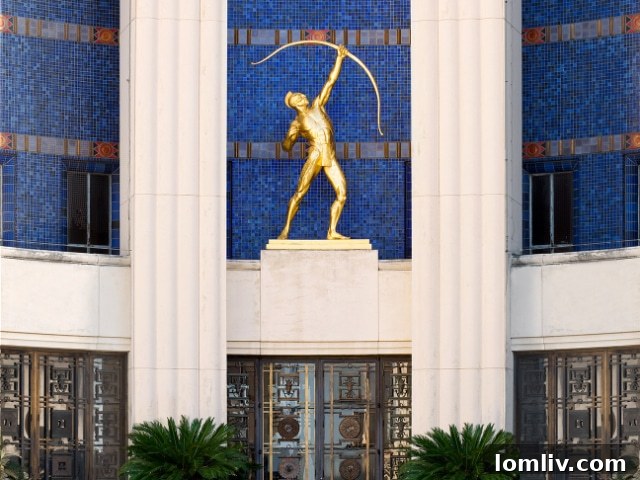
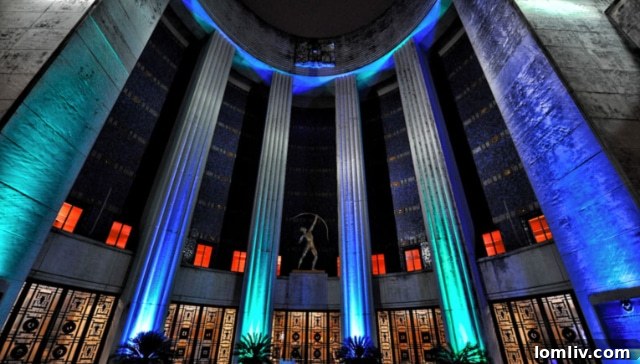
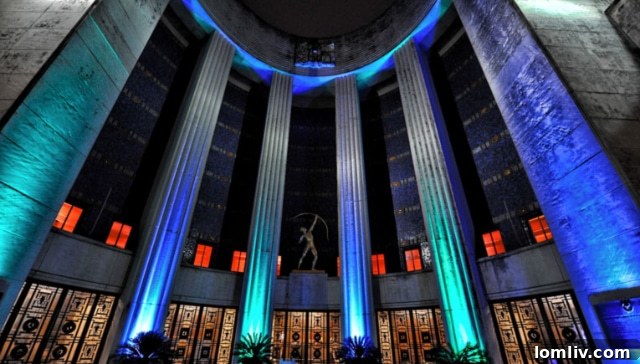
Despite the challenges, 2021 brought some truly inspiring historic preservation successes, setting a powerful precedent for future endeavors. A prime example was the meticulous restoration of our beloved Hall of State, a true jewel of Fair Park. This iconic Art Deco masterpiece faced considerable damage following the devastating February storm. However, through the tireless dedication of skilled preservationists, architects, and artisans, this magnificent structure was brought back to its pristine glory. The collaborative effort to save the Hall of State stands as a testament to what can be achieved when a community unites to protect its heritage, filling us all with immense pride and gratitude.
Reverchon Ballpark: Preserving Community Spirit
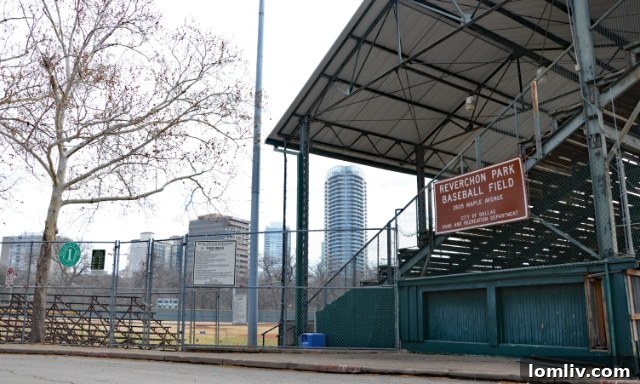
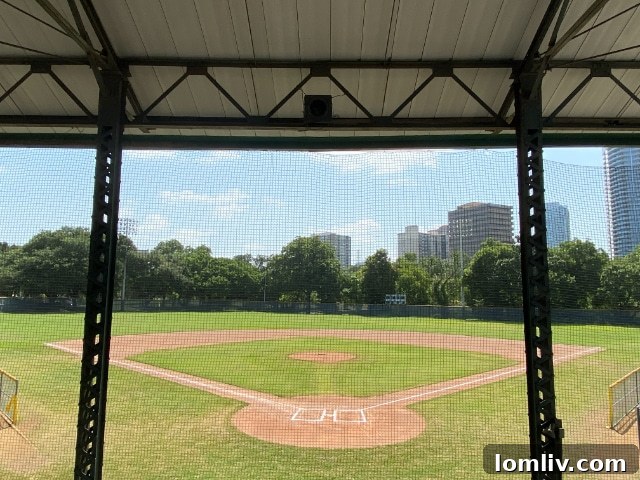
Another monumental win for Dallas’s heritage was the preservation of the Reverchon Park Ballfield. Some might dismiss it as “just a ballpark,” but this sentiment misses the fundamental point of historic preservation. Not every significant preservation story revolves around a grand architectural marvel. Many, in fact, are centered on places that serve as the very bedrock of our communities – spaces that foster connection, camaraderie, and shared experiences. And few things embody that spirit quite like a historic baseball field.
The fight to save Reverchon Ballpark was far from a swift or simple victory. It was a prolonged struggle, embroiled in considerable controversy and public debate, as meticulously detailed by Jon Anderson on this very site. The initial proposals for its redevelopment raised serious concerns:
The Request for Proposal (RFP) was deeply flawed. Imagine a facility five times its original size, boasting only 30 onsite parking spaces for events designed to attract up to 5,000 attendees? Such plans were clearly misaligned with the community’s needs and the park’s existing infrastructure.
Furthermore, the city stood to lose control of a cherished public park for an astonishing 40 years, all for a negligible financial return. This raised fundamental questions about the stewardship of public assets and long-term urban planning.
In contrast, the neighborhood’s vision—focused on restoring the ballfield and maintaining it as a public asset capable of self-funding—presented a far superior and sustainable solution. This approach respected both the historical significance of the site and its vital role in the community.
The journey to this outcome demanded immense patience, resilience, and even a lawsuit. Yet, it appears the community is finally achieving the solution it has championed from the outset, not only for the future of Reverchon Park but also in the broader representation from their councilmember, signaling a triumph for grassroots advocacy.
The success at Reverchon reminds us that preservation isn’t just about bricks and mortar; it’s about safeguarding community gathering places, fostering local identity, and ensuring that public spaces remain truly public. It underscores the power of local engagement and the importance of fighting for sites that, while perhaps not monumental in scale, are profound in their cultural and social impact.
The Elbert Williams House: A Private Act of Preservation
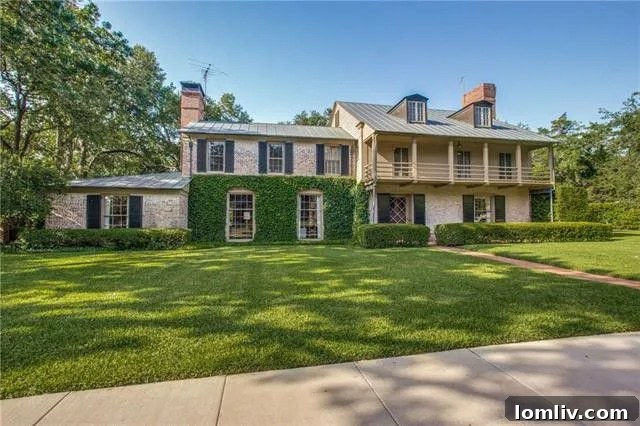
Some of the most impactful historic preservation wins arise from the passion and commitment of individuals, and the saving of the Elbert Williams House stands as a shining example. This significant residence was rescued from an uncertain future by Trevor and Jan Reese-Jones, a couple whose dedication to preservation is truly commendable. Their story highlights the crucial role that private citizens can play in safeguarding our shared heritage, particularly when governmental or institutional avenues might fall short.
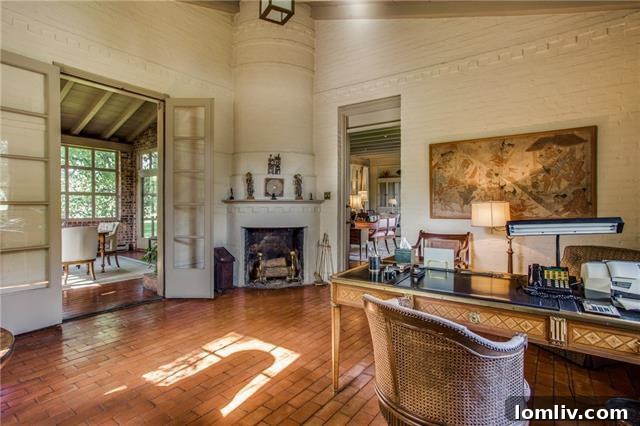
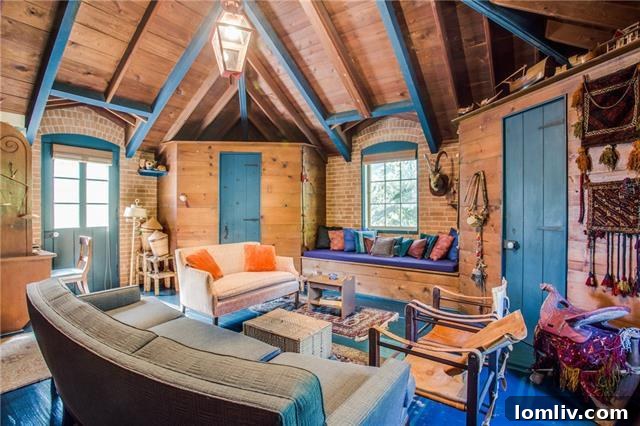
Constructed in 1932, this iconic Texas ranch house was a bespoke creation by the legendary architect David R. Williams. Designed specifically for former University Park mayor Elbert Williams, it represents one of the decade’s most heartwarming historic preservation narratives. As the quintessential embodiment of Texas Regionalism – an architectural style that masterfully blends local materials and climate-responsive design with modernist principles – and a profound tribute to architectural innovators everywhere, its fate hung precariously in the balance when it entered the market in 2019. The potential loss of such a historically and architecturally significant property sent ripples of concern through the preservation community.
However, Jan and Trevor Rees-Jones emerged as the saviors. Not only did they acquire the expansive 1.15-acre property with a solemn pledge to maintain its integrity, but their commitment extends further. They serve as honorary chairs of the Park Cities Historic and Preservation Society’s Historic Home Tour, actively championing the cause. This exemplary level of stewardship, demonstrating both financial commitment and community leadership, is precisely what Dallas needs to see more of. Our profound appreciation goes out to Jan and Trevor for their visionary efforts.
The Elbert Williams House serves as a powerful reminder that preservation is a collaborative endeavor, requiring the dedication of both public and private entities. When individuals with resources and a vision step forward, they can single-handedly secure the future of invaluable architectural treasures, inspiring others to follow suit.
The Longhorn Ballroom: A Sanctuary of Sound
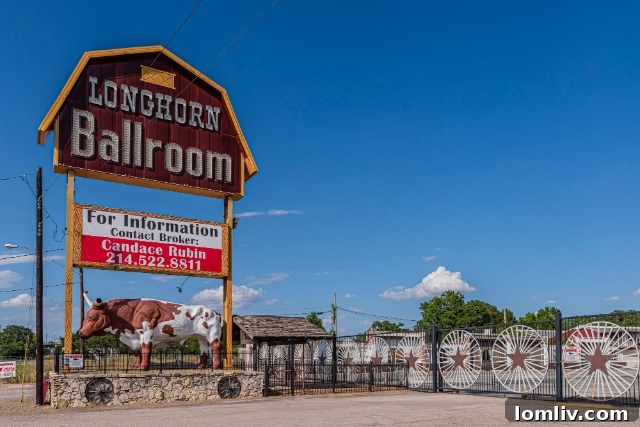
The Longhorn Ballroom holds a particularly special place in my heart, a venue where I personally learned to two-step, cementing its legacy in my own life. The ongoing efforts by Edwin Cabaniss to preserve this historic ballroom and integrate a new outdoor entertainment venue on the property are nothing short of remarkable. His vision ensures that a piece of Dallas’s vibrant musical heritage will continue to thrive, and for that, my heart – and my boots – will be eternally grateful.
Preservation Dallas offers an extensive and highly recommended post detailing the rich history of this legendary venue. Here’s a glimpse into its storied past:
The legendary Longhorn Ballroom first opened its doors in 1950, initially christened as the Bob Wills Ranch House. It was conceived, owned, and operated by O. L. Nelms as a dedicated music venue, serving as the regular stomping ground for Bob Wills and his Texas Playboys. The Ranch House was an expansive establishment, featuring a spacious dance floor capable of accommodating 2,000 revelers, a bustling barbeque restaurant, a lively bar, retail spaces, and inviting outdoor areas. Bob Wills, acting as host, performed there with his Texas Playboys on a consistent basis, playing an instrumental role in the evolution and popularization of Western Swing music, a genre that blends country, jazz, and blues influences into a uniquely Texan sound.
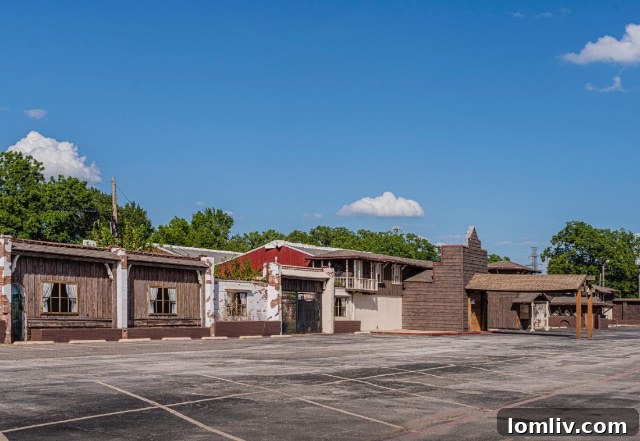
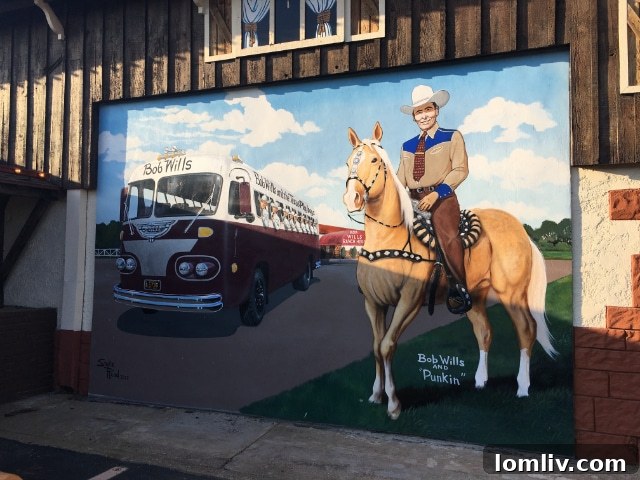
In a pivotal moment in its history, Douglas ‘Dewey’ Groom was brought in to manage the club. By 1968, Groom had purchased the building, rebranding it as the Longhorn Ballroom. He then oversaw the addition of its distinctive Western-style front façade and the instantly recognizable iconic sign and bull at Corinth Street, solidifying its visual identity. Groom continued Nelms’ profound commitment to country music, transforming the venue into one of the preeminent Country and Western stages of its era. The roster of artists who graced its stage represents a who’s who of musical greatness: Loretta Lynn, Merle Haggard, Conway Twitty, George Jones, Ray Price, Charley Pride, Tammy Wynette, and Willie Nelson, alongside beloved local talents such as Hank Thompson and the Brazos Valley Boys. Beyond its country roots, Groom ingeniously diversified the venue’s appeal, leasing it to other promoters for Jazz, Blues, and Rhythm & Blues performances. This inclusive approach brought an incredible array of stars to Dallas, including B. B. King, Lionel Hampton, Nat King Cole, Al Green, Otis Redding, Ray Charles, and the incomparable James Brown. By the late 1970s, the venue further broadened its horizons, embracing other popular music genres, famously hosting the Sex Pistols’ notorious 1978 event that captured worldwide attention, cementing the Longhorn Ballroom’s status as a dynamic and culturally significant landmark in music history.
Preservation Dallas
The Longhorn Ballroom is more than just a building; it is a cultural touchstone that has witnessed the evolution of American music and hosted countless legendary performers. Its preservation means that future generations can experience a piece of this extraordinary legacy, maintaining a vibrant connection to Dallas’s rich artistic past.
Geneva Heights Elementary School: Education and Heritage United
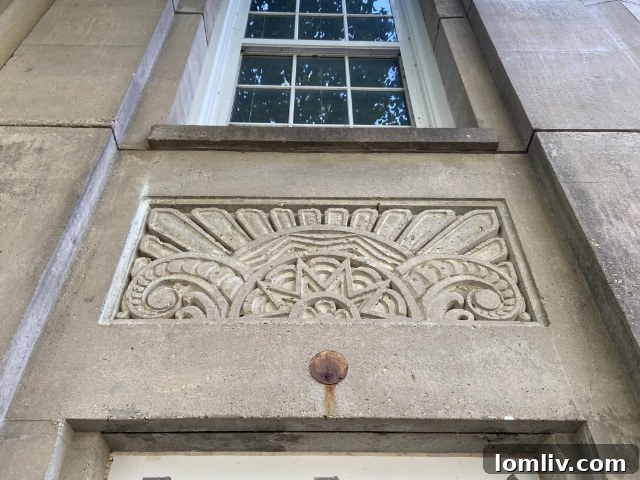
The news regarding the preservation of Geneva Heights Elementary School brought a profound sense of relief, particularly for those of us who have lived in its charming vicinity. For me, having spent my twenties in a leafy neighborhood graced by this beautiful Art Deco elementary school, the thought of its demolition was truly unsettling. It occupies a truly idyllic neighborhood, and the prospect of a modern, out-of-place monstrosity replacing such an architectural gem was a source of great concern. My fervent hope is that the architects tasked with its renovation and expansion will remain deeply committed to honoring the original sense of style, scale, and architectural integrity in the new additions, ensuring a seamless blend of past and present.
David Preziosi, Executive Director of Preservation Dallas, elaborated on this significant victory: “This school was initially slated for complete replacement within the recent bond program. However, through a concerted and dedicated effort from numerous stakeholders, the Dallas Independent School District (DISD) has made a firm commitment to saving the historic core of the school. This crucial historic portion will be thoughtfully incorporated into the design of a new, expanded campus. The existing, non-historic additions will be removed, making way for a sensitive and complementary new addition to be constructed at the rear of the school.” This decision exemplifies a thoughtful approach to school modernization, demonstrating that educational progress and historical preservation can, and should, coexist harmoniously.
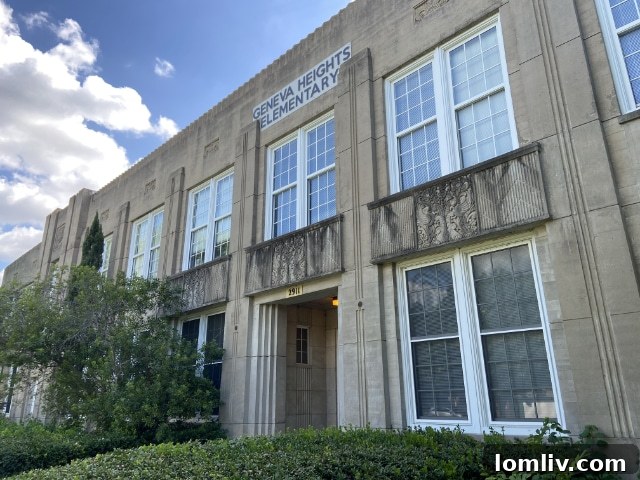
Preserving schools like Geneva Heights Elementary is vital. These institutions are not just places of learning; they are anchors for neighborhoods, embodiments of community history, and often boast unique architectural styles that contribute significantly to the character of their surroundings. This victory underscores the growing recognition that our educational infrastructure can evolve while respecting and retaining the valuable components of its past.
Historic Preservation of The National and The East Quarter: Visionary Redevelopment
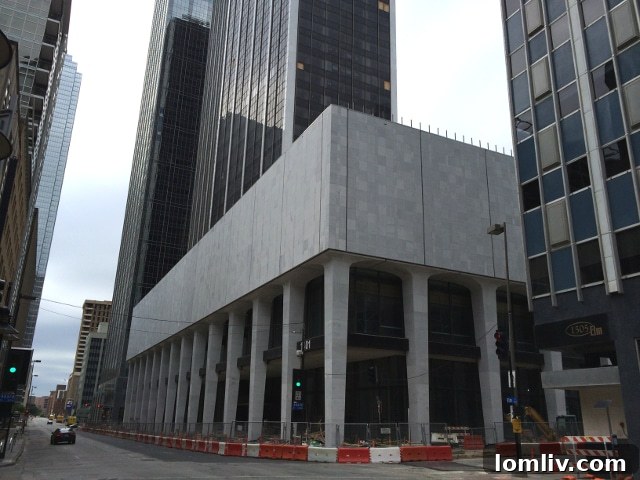
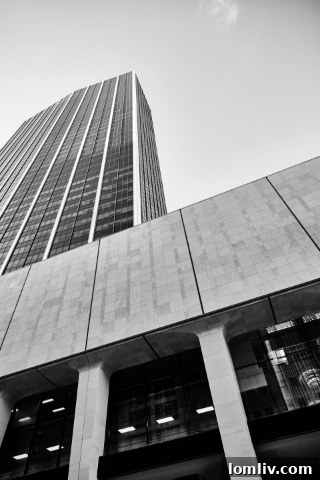
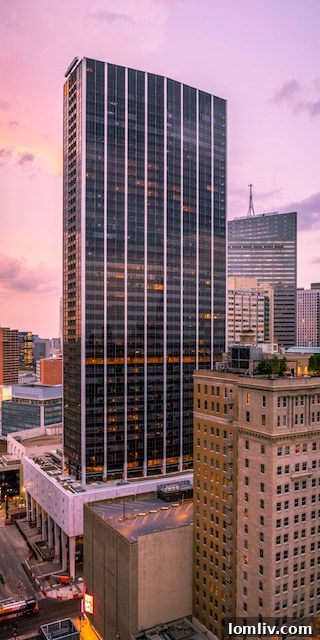
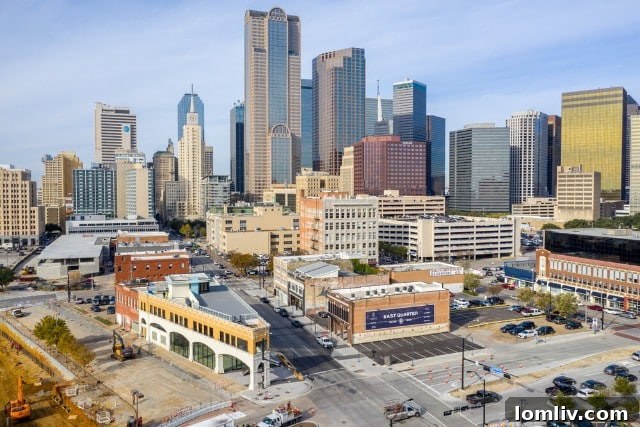
The visionary work of Todd Interests in saving The National represents perhaps the largest and most ambitious preservation project, and the largest historic tax credit endeavor, ever undertaken in the state of Texas. This monumental undertaking, valued at over $400 million, transformed a decaying historic skyscraper into a vibrant, mixed-use centerpiece in downtown Dallas. Its success unequivocally demonstrates that preservation can be not only aesthetically desirable but also economically viable on a grand scale.
Furthermore, in collaboration with Reggie Graham, Todd Interests embarked on an even more expansive project: the revitalization of an entire historic neighborhood, reimagined and brought to life as the East Quarter. This ambitious adaptive reuse project has breathed new life into a collection of historic buildings, creating a thriving district that seamlessly blends its rich past with modern functionality. It’s a powerful example of how thoughtful restoration can spur economic development, attract new businesses, and enhance the overall quality of urban life.
These projects prompt a crucial question for urban planners and developers alike: Why do shrewd, intelligent business leaders, deeply versed in the intricacies of development and finance, consistently choose to invest in and save historic properties? The answer lies in the inherent value these structures offer – character, authenticity, a sense of place, and often, superior craftsmanship that modern construction struggles to replicate. There are invaluable lessons to be learned here regarding the long-term benefits of integrating historic preservation into contemporary development strategies, proving that heritage is a powerful asset, not a liability.
While these significant achievements filled us with optimism, it is important to acknowledge that the preservation landscape is not without its setbacks. Alongside these large-scale triumphs, many more residential historic preservation wins quietly occurred throughout the city, saving countless individual homes from demolition. Yet, the losses, particularly those of irreplaceable landmarks, always strike a deep chord within the preservation community, serving as stark reminders of what can be irrevocably lost.
Exchange Park: A Call to Action for a Mid-Century Gem
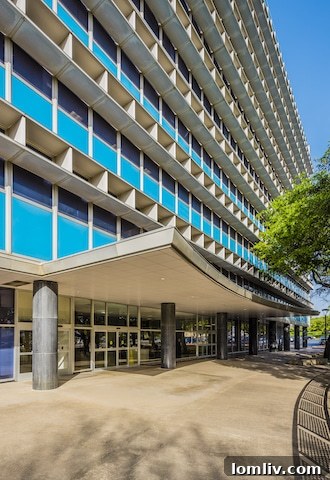
One particular site that still has a glimmer of hope for survival, should the decision-makers at U.T. Southwestern truly recognize the architectural and historical gem they possess, is Exchange Park. This mid-century modern masterpiece embodies a unique blend of innovative design, compelling history, and an undeniable “coolness factor” that should give any thoughtful observer pause. Its distinctive aesthetic and cultural significance are precisely why these types of buildings matter. Regrettably, demolition is currently slated for early 2022.
I implore U.T. Southwestern: please press pause. Take the time to understand the profound significance of Exchange Park. Engage with preservationists, learn about its architectural merits and its place in our city’s narrative. Grasp the intrinsic value of retaining a significant part of our history and consider the irreversible loss that demolition would represent. There is still an opportunity to choose preservation over destruction, to honor a vital piece of Dallas’s architectural legacy, and to demonstrate a commitment to thoughtful urban development.
The Carey Estate: A Heartbreaking Loss
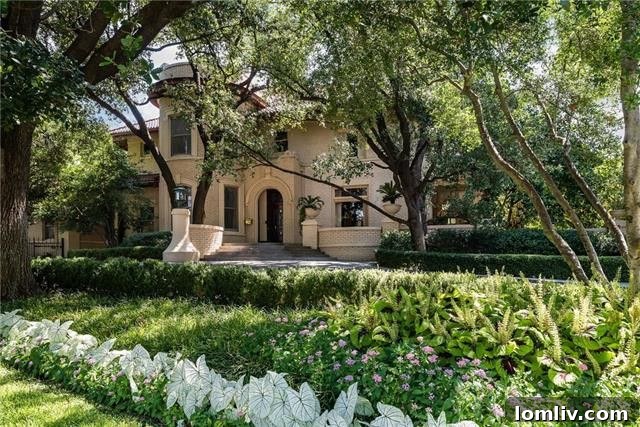
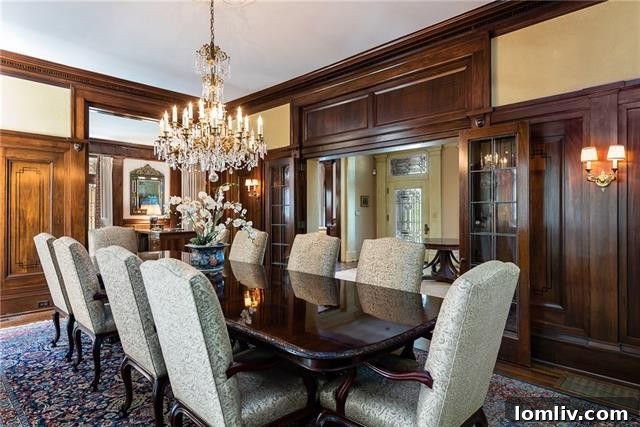
The loss that profoundly impacted and saddened me the most in 2021 was the demolition of 4712 Lakeside Drive, the magnificent Carey Estate. Mr. Carey was not just a homeowner; he was a phenomenal visionary whose home was far more than a collection of memories. Its very walls seemed to echo with his dreams and aspirations for our remarkable medical district. It felt as if one could literally touch them and discern his hopes for the future of Dallas. This was an estate of immense significance, a landmark deeply intertwined with the city’s development, and now, tragically, it is gone forever. Its loss leaves an irreplaceable void, diminishing not only our architectural heritage but also the tangible connection to a pivotal figure in our city’s progress.
Gone But Not Forgotten: The Enduring Legacy of Historic Architecture
Once a thing of beauty, infused with history and character, is lost to demolition, it cannot truly be replaced. This stark reality compels us to continually ask: What truly defines a city? What creates that distinctive visual identity, that unique ambiance that makes a place instantly recognizable, memorable, and yes, even “Instagrammable” in today’s digital age?
The answer, invariably, is beautiful historic architecture. Consider iconic cities like Paris, Rome, New York, Chicago, or Boston. What immediately springs to mind? It’s their magnificent, historic buildings and homes. These structures are not merely backdrops; they are the soul of these cities, attracting tourists, inspiring residents, and fostering a deep sense of identity. Let’s face it: no one is flocking to take selfies in front of bland, cookie-cutter new constructions. The allure lies in the authentic, the storied, and the architecturally significant.
Once history is demolished, all that remains are photographs and stories. It is for this reason that I will continue to tell these stories. Even though each loss represents a stab at the heart of our shared heritage, the narrative lives on, becoming a permanent record of what once was. By meticulously documenting and sharing these accounts – both the triumphs and the tragedies – we ensure that the memory of these invaluable structures persists.
My profound hope in continuing to tell these stories is that those who still believe demolition is the easiest or only answer might pause. That they might take a moment to ask critical questions, to delve into and learn a bit about our wonderful, intricate history, and perhaps, just perhaps, choose the path of historic preservation. Because, in the grand tapestry of urban development and cultural stewardship, choosing to preserve our past is not merely an option; it is always the right thing to do. It is an investment in our future, ensuring that the generations to come will inherit a city rich in character, history, and enduring beauty.