

In a surprising revelation for many, Dallas, the ninth-largest city in the United States and a formidable economic powerhouse, has historically operated without a dedicated individual solely responsible for attracting new development. This significant oversight is now poised for a transformative change, as the recently established Dallas Economic Development Corporation (EDC) embarks on a crucial search for its first-ever Chief Executive Officer. This strategic move signals a new era for Dallas’s economic growth strategy, aiming for more proactive, targeted, and inclusive development across the city’s diverse landscape.
While Dallas has long maintained a robust Economic Development Department, spearheaded by Director Robin Bentley, whose efforts have been instrumental in negotiating and finalizing critical real estate deals under a council-approved policy, the formation of the EDC last year marked a pivotal shift. This independent body, overseen by a distinguished 15-member board of directors, was conceived to provide a more dynamic and outward-facing approach to Dallas’s economic future. Its establishment acknowledges the pressing need for a focused, strategic entity dedicated to aggressive business recruitment and long-term economic planning, distinct from the city department’s operational functions.

John Stephens, the esteemed president of the Dallas EDC board, shared exclusive insights with daltxrealestate.com this week regarding the corporation’s ambitious plans and forward-looking strategy. His vision for the EDC underscores a profound commitment to tangible results and broad-based prosperity for all Dallas residents, especially those in historically neglected areas.
“We are confident that the EDC board can make a profound difference in shaping Dallas’s economic landscape,” Stephens asserted. “Our core mission is to catalyze robust job creation and stimulate significant investment, with a particular emphasis on the historically underserved areas of Dallas. It’s imperative to maintain the vitality and health of the metropolitan core, ensuring the heart of our urban body remains strong and thriving. A robust central economy naturally generates the resources needed to uplift every part of our diverse city, fostering widespread prosperity.”
Stephens passionately articulated that fostering “living wage-plus” jobs and nurturing new development in these underserved communities will not only benefit those specific neighborhoods but will create a powerful ripple effect, enhancing the overall prosperity and quality of life across the entire city of Dallas. This holistic approach recognizes that economic well-being is deeply interconnected and mutually reinforcing for all residents.
Illustrating this point with a relatable analogy, Stephens explained, “If I reside in Preston Hollow and my street requires extensive pothole repairs, the most effective long-term solution isn’t just fixing my street in isolation. It’s investing in the entire city’s economic health. When Dallas’s economic situation is strong and generating ample revenue, there’s sufficient funding to address infrastructure needs everywhere, including my potholes.” He further elaborated on the broader societal impact, stating, “Personally, I firmly believe that securing good, stable employment is the most effective long-term remedy for many of the persistent social challenges we encounter, whether they manifest as food deserts, critical needs for affordable housing, access to quality medical care, or issues related to crime. Fundamentally, people aspire to work, contribute, and improve their lives.”
The global consulting powerhouse Korn Ferry has been entrusted with the critical task of managing the CEO recruitment process. They publicly posted a comprehensive job description for the Dallas EDC CEO position on September 26, outlining the extensive qualifications and visionary leadership required for this pioneering role. This meticulous search underscores the significance Dallas places on selecting a leader capable of driving innovative and equitable economic growth.
Dallas Economic Development Corporation: Forging a New Path for Growth
Discussions around economic development in Dallas invariably lead stakeholders to commend Robin Bentley, the Director of the city’s Economic Development Department, for her exceptional work. Bentley, a highly accomplished professional, boasts a background as an attorney and a certified housing development finance expert. Her expertise and dedication are widely recognized, and she also capably served as the interim CEO of the newly formed EDC, bridging the gap until a permanent leader is appointed.

Stephens highlighted the distinct advantage the EDC brings to Dallas: “While the city has always had an inherent interest in fostering economic growth, it previously lacked a separate, dedicated vehicle like the EDC. This structure uniquely allows for the engagement of, in our case, 15 independent board members who can passionately serve as dynamic ambassadors for the entire Dallas community. Their collective expertise, extensive networks, and broad reach extend far beyond what a traditional city department can achieve alone.” This independent structure is designed to foster agility, innovation, and broad community engagement, crucial for effective and competitive economic development.
For many years, numerous other major U.S. cities have successfully operated EDCs, often funded through dedicated sales tax revenues. Dallas, however, has traditionally allocated its substantial sales tax revenue stream to support Dallas Area Rapid Transit (DART), a critical public service. This allocation is widely believed by city officials to be a primary reason why the establishment of a dedicated EDC in Dallas took longer compared to its peer cities. Currently, the Dallas EDC is operating with initial funding secured through a $7 million grant, and it is actively devising strategies to develop sustainable, additional revenue streams to ensure its long-term operational capacity and ambitious programming.
It is important to clarify the operational scope of the Dallas EDC: it does not possess the authority to directly issue permits, award grants, or implement tax incentives. These functions typically remain within the purview of the city’s municipal departments and elected officials. Instead, the EDC’s influence lies in its strategic planning, business attraction, investment facilitation, and community engagement, acting as a catalyst and a vital bridge between potential investors, businesses, and the city’s existing administrative processes, all aimed at driving overall economic prosperity.
City Manager T.C. Broadnax, who serves as an ex-officio board member of the EDC, underscored the significance of the ongoing CEO search during a recent Downtown Dallas Inc. event. His remarks highlighted the city’s profound commitment to this new economic model and its potential impact.
“I believe the city council’s approval for the creation of the EDC, alongside our comprehensive Equitable Economic Development Policy, represents a truly crucial and imperative step forward for Dallas,” Broadnax stated. He emphasized the regional impact of Dallas’s economic health: “As the city of Dallas prospers, so too does the entire North Texas region. I am confident that the EDC will, and indeed should, play an absolutely pivotal role in driving this prosperity. I am hopeful that as the corporation evolves and demonstrates its effectiveness, we will be able to extend more authority and responsibility to them, enabling them to fulfill the comprehensive functions that successful EDCs typically undertake and to focus on their long-term sustainability as a powerful economic engine for the city and region.”
The EDC board members are actively engaged in extensive outreach, facilitating crucial connections and dialogues with key stakeholders across the metropolitan area. This includes frequent meetings with the vibrant real estate community, influential educational institutions, vital non-profit organizations, and prospective investors from both domestic and international markets. This hands-on, external focus distinguishes the board’s role from that of Director Robin Bentley, whose position necessitates a significant focus on operational management and administrative tasks, regularly anchoring her within the city offices. The board’s ambassadorship is thus a critical complement to the department’s internal functions, allowing for a broader impact on Dallas’s economic development.
Stephens reiterated the practical necessity of a distinct EDC, explaining, “The existing city department simply does not possess the additional manpower, womanpower, or staff resources required to adequately support the expansive, proactive activities that the EDC board is designed to undertake. Our board members bring a wealth of diverse experience and connections, poised to actively champion Dallas on a broader stage and attract the kinds of investments and jobs the city needs.”
The dedication of the board members is already evident in their proactive engagement. Just last week, board member Gilbert Gerst was actively meeting with residents of District 8, working collaboratively alongside Mayor Pro Tem Tennell Atkins. Concurrently, John Stephens was at the University of Texas at Dallas, fostering essential dialogues with educational leaders to explore partnerships and talent development initiatives. These engagements exemplify how EDC board members can strategically leverage their influence: for instance, by securing speaking slots on the agenda at a prominent Chamber of Commerce meeting or delivering compelling presentations before influential bodies like the Dallas Citizens Council. This direct outreach allows the EDC to disseminate its vision, gather feedback, and forge alliances vital for attracting and nurturing economic opportunities across Dallas.
Beyond its commitment to southern Dallas, a vital area for equitable growth, the city, through the EDC’s strategic lens, is also actively exploring and evaluating several other high-potential areas for significant economic expansion. These include the dynamic regions surrounding the Dallas Executive Airport, the historically significant Hensley Field, and the burgeoning International District located near the site of the former Valley View Mall. Each of these locations presents unique opportunities for targeted development, job creation, and substantial investment, contributing to a diversified and resilient city-wide economy that benefits all residents.
Stephens, a distinguished retired chief financial officer from AT&T, emphasized the remarkable caliber and diversity of the EDC board. The members comprise a formidable group of experts, including seasoned attorneys, prominent bankers, respected former elected officials, and influential leaders from the vibrant arts and cultural community. This eclectic mix of talent ensures a multifaceted perspective on Dallas’s economic challenges and opportunities, fostering innovative solutions and broad community support for strategic growth initiatives.
“Our overarching goal is to meticulously identify and strategically leverage every conceivable opportunity for the citizens of Dallas,” Stephens affirmed. “Ultimately, that is the essence of our mission. It’s fundamentally about creating opportunities — not merely in terms of attracting substantial investments, but most importantly, in generating sustainable, high-quality jobs that empower our residents and enrich our community, leading to a higher quality of life for everyone.”
The Pivotal Role of the Chief Executive Officer for Dallas’s Economic Future
The selection of the inaugural CEO for the Dallas Economic Development Corporation is, by all accounts, an absolutely critical decision that will profoundly shape the city’s future trajectory. As John Stephens articulated, the board has been granted a “clean slate” to meticulously steer Dallas towards “good growth” – growth that is not only robust and competitive but also equitable, sustainable, and inclusive for all its communities and residents.
“All the foundational work involved in setting up this corporation – the policy development, the board formation, the strategic planning – has been incredibly demanding and time-consuming, yet absolutely necessary,” Stephens reflected. “However, by the same token, that’s merely the initial phase of our grand undertaking. Now, our imperative is to transition from planning to execution; we’ve got to actively pursue and secure tangible ‘wins’ for the people of Dallas – real investments, real jobs, real opportunities.” The CEO will be the primary driver of this transition, translating strategic vision into measurable success and enduring impact.
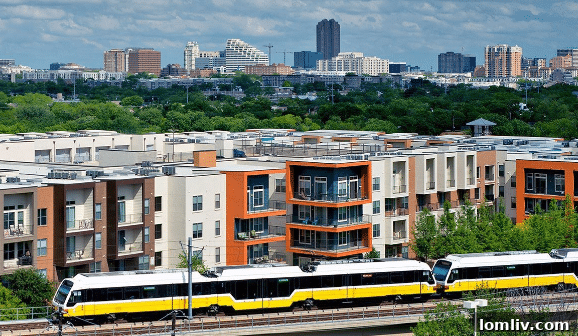
Dallas possesses an array of unparalleled advantages that position it as a prime candidate for accelerated economic development. Stephens enthusiastically enumerated some of these formidable assets: “Dallas boasts one of the largest and most dynamic economies in the entire world. We are privileged to have access to a huge, diverse talent pool, continuously replenished by a phenomenal educational ecosystem within a radius of a couple hundred miles, encompassing numerous top-tier universities and colleges. Furthermore, our city offers the distinct logistical advantage of having the second-largest airport globally, complemented by a highly efficient and extensive rail system, and an exceptional network of highways. These integrated transportation hubs provide unparalleled connectivity for businesses and residents alike, facilitating both domestic and international commerce and making Dallas a hub for global trade.”
He continued, highlighting the resilience of the local economy: “There’s a remarkable diversity of business sectors thriving within Dallas, spanning technology, finance, logistics, healthcare, and creative industries. This broad economic base contributes significantly to our really strong, long-term economic stability and growth potential, making Dallas an attractive location for diverse investments and job creation.” This diversification acts as a buffer against sector-specific downturns, ensuring sustained prosperity.
The search for the EDC CEO has already garnered considerable interest, even without a publicly specified salary for the high-profile role. Stephens expressed optimism, anticipating that a selection could be finalized and a hire made as early as the first quarter of 2024. This expedited timeline reflects the urgency and immense importance placed on getting this critical leadership in place to drive Dallas’s economic agenda forward.
“The quality and depth of our candidate pool are paramount, as a superior pool inevitably yields a superior candidate,” Stephens explained regarding the recruitment process. “We are diligently working to cast a fairly open and wide net, ensuring we attract the very best candidates from across the nation and potentially beyond, bringing a diverse range of experiences and proven track records into consideration for this pivotal leadership role. Our goal is to find a visionary leader who can truly elevate Dallas on the global economic stage.”
Stephens emphasized the key attributes he seeks in the ideal leader for the Dallas EDC: a dynamic individual who “focuses relentlessly on results, as opposed to mere discussion or theoretical planning.” This pragmatic approach underscores the board’s desire for a CEO who can translate strategic vision into actionable strategies and deliver measurable outcomes that directly benefit the city and its residents.
“Ultimately, our entire endeavor is dedicated to doing what is unequivocally best for the city and, by extension, for its people,” he concluded. “I often use the term ‘the city’ for its easy nomenclature, but the profound reality is that the city is defined, animated, and enriched by its people. I genuinely believe that individuals inherently desire to help themselves and better their circumstances. Our collective responsibility, through the EDC, is to strategically remove obstacles, create access, and give them every possible chance to achieve their fullest potential, fostering a Dallas where every resident can thrive and contribute to our shared future.”