The City of Dallas has taken a monumental step towards fostering healthier, more sustainable communities with the recent approval of a comprehensive Urban Agriculture Plan. This visionary initiative, championed by the Dallas City Council, aims to significantly expand access to fresh, locally grown food, particularly within areas grappling with food insecurity and environmental challenges. By strategically increasing the acreage dedicated to urban farming and community growing sites, Dallas is paving the way for a more equitable and resilient food system for all its residents.
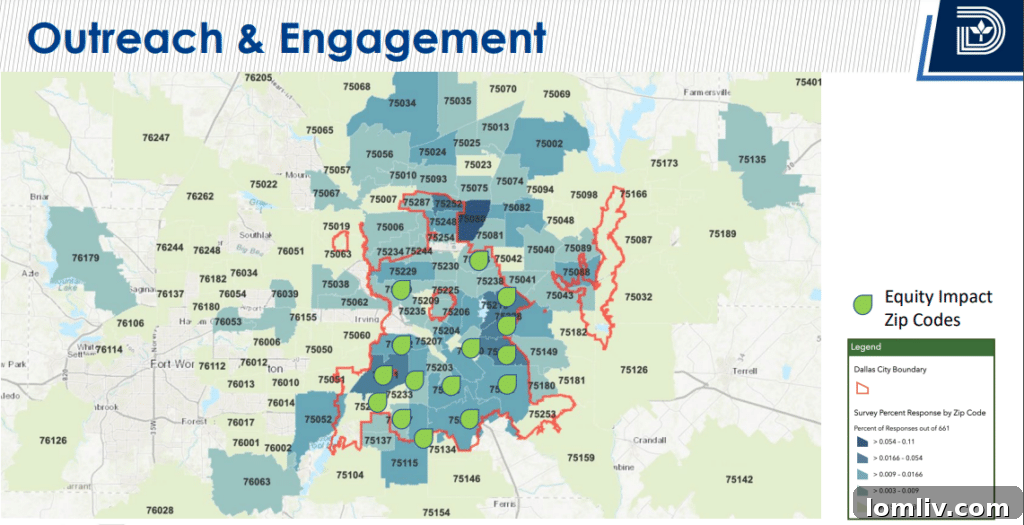
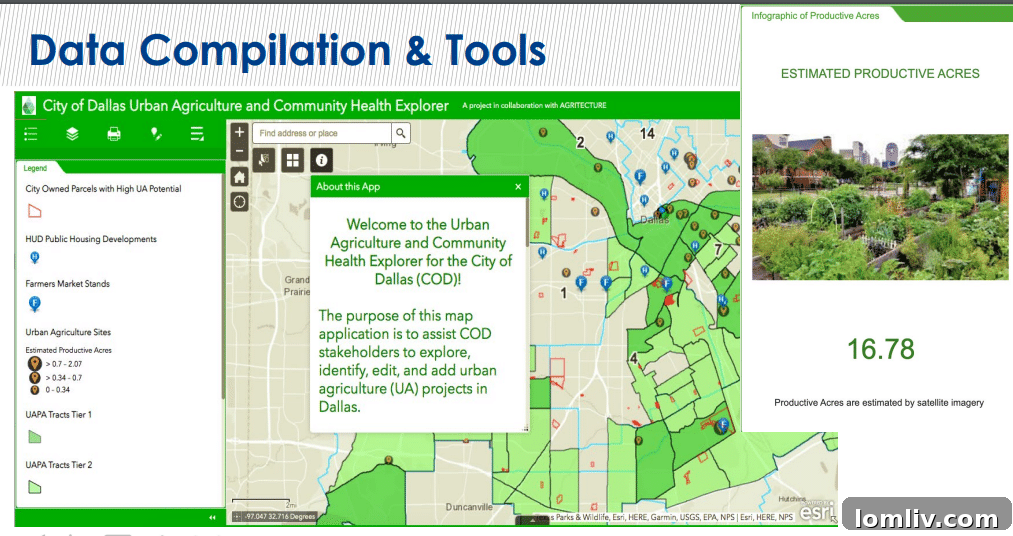
Central to the plan’s objectives is a commitment to serve designated equity priority areas, which are typically characterized by high minority populations and historical underinvestment. The ambitious goal is to expand the footprint of local growing sites from an existing seven acres to an impressive 17 acres by 2027. This expansion is not merely about increasing green space; it’s about empowering communities, providing educational opportunities, and creating sustainable sources of nutritious food in neighborhoods that need it most. The plan underscores a proactive approach to addressing systemic inequities and ensuring that every Dallas resident has the opportunity to access healthy, affordable produce, harvested right within their own community.
Council members across the city enthusiastically lauded the program during its approval, highlighting its profound potential for positive community impact. A significant point of praise was the initial absence of direct costs to taxpayers, a testament to the plan’s thoughtful design and strategic resource allocation. This fiscal prudence ensures that the foundational phases of this vital initiative can proceed without immediate strain on public funds, while long-term benefits in public health, environmental quality, and local economic development are anticipated to yield substantial returns.
The detailed framework of the plan was meticulously presented to the council by Carlos Evans, the Director of Environmental Quality and Sustainability, alongside Rabekha Siebert, the dedicated Urban Agriculture Coordinator. Their presentation, preceding Wednesday’s decisive vote, emphasized how the Urban Agriculture Plan seamlessly integrates with and advances the goals outlined in two other critical city initiatives: the Comprehensive Environmental and Climate Action Plan and the Racial Equity Plan. This strategic alignment ensures a holistic approach to urban development, focusing not only on enhancing the local agriculture ecosystem but also on providing tangible support to communities disproportionately affected by environmental pollution and historical injustices. By fostering local food production, the city aims to mitigate some of the adverse effects of industrial presence and improve overall environmental health in these vulnerable areas.
Transforming Dallas Neighborhoods Through Urban Agriculture
The core question for many residents is, what tangible impact will this Urban Agriculture Plan have on their daily lives and their neighborhoods? The answer lies in a multi-faceted approach designed to address critical issues such as food insecurity, environmental justice, and economic opportunity, all while building stronger, more connected communities. By encouraging the cultivation of food within city limits, Dallas is not just growing produce; it’s cultivating resilience, education, and community engagement.
One of the initial areas of discussion among council members centered on the legal and practical aspects of utilizing city-owned land for urban farming enterprises. District 14 Councilman Paul Ridley raised pertinent questions regarding the nature of the relationship between the city and growers. City officials clarified that mechanisms such as licenses or leases would be employed, with the preference leaning towards licenses due to the greater real estate rights they would afford to growers. This distinction is crucial for fostering long-term stability and investment in urban farming projects, as it provides a more secure tenure for those dedicating their efforts to cultivating urban plots. Clearly defined terms and conditions, meticulously outlined in underlying agreements, will ensure transparency and equitable access for all participants.
A recurring theme in the plan’s development was the imperative to rebuild trust with marginalized communities, particularly those in southern Dallas below Interstate 30, which have historically felt excluded from previous urban development initiatives. Rabekha Siebert emphasized that the Urban Agriculture Plan intentionally prioritizes these communities, aiming to reverse past trends by placing their needs and participation at the forefront. This focus is critical for achieving true equity, ensuring that the benefits of urban agriculture – from healthy food access to green spaces and economic empowerment – reach those who have been most underserved.
While the plan received widespread support, some operational concerns were also raised. District 11 Councilwoman Jaynie Schultz, for instance, voiced reservations about a proposed platting requirement, deeming it potentially cumbersome and overly onerous for growers. However, she underscored the importance of accountability, suggesting that a Certificate of Occupancy (CO) would hold growers responsible and ensure the city is aware of farming activities and their methodologies. This balance between fostering growth and maintaining regulatory oversight is a delicate one, and ongoing dialogues are expected to refine these requirements to be both effective and supportive of urban farmers.
Access to water is, of course, a fundamental necessity for any agricultural endeavor. Terry Lowery, Director of Dallas Water Utilities, addressed how urban growers could seamlessly connect to the city’s water system and avail themselves of valuable water conservation grants. These grants are vital for promoting sustainable farming practices, reducing water consumption, and making urban agriculture environmentally responsible. Carlos Evans confirmed that discussions surrounding land and water usage, including potential fees for farmer’s markets, are ongoing, reflecting the dynamic and evolving nature of implementing such a comprehensive plan.
The immense public interest in urban agriculture in Dallas was powerfully demonstrated by an initial engagement survey. Conducted among approximately 700 residents within city limits, the survey revealed that a remarkable 71 percent of respondents expressed interest in farming on city-owned land. When asked how the city could best support urban agriculture, the overwhelming response, as articulated by Rabekha Siebert, was “through land access and resources.” This feedback has been instrumental in shaping the plan’s focus, ensuring it directly addresses the expressed needs and aspirations of Dallas citizens.
The versatility of the Urban Agriculture Plan extends to how the produce can be distributed, ensuring maximum community benefit and economic viability. Siebert outlined various avenues, including donations to food banks and recreation centers, as well as sales for profit. To facilitate entrepreneurship and local commerce, a mobile vendor permit is already active for roadside produce stands, allowing growers to directly connect with consumers. This multi-pronged distribution strategy ensures that healthy food reaches a wide spectrum of the community, from those in need to consumers seeking fresh, local options.
Siebert further elaborated on the metrics for success, stating that a primary objective is to increase local commercial food sourcing. Rather than merely tracking pounds of food produced, the city will measure progress by “productive acreage.” This approach incentivizes efficient land use and scalable operations. She also clarified that while for-profit growers would operate under USDA Food Safety restrictions, nonprofit entities would adhere to regulations consistent with their nonprofit designation, providing a clear regulatory framework that supports diverse agricultural models without imposing unnecessary burdens.
Cultivating a Sustainable Food Ecosystem: The Buy Local Campaign
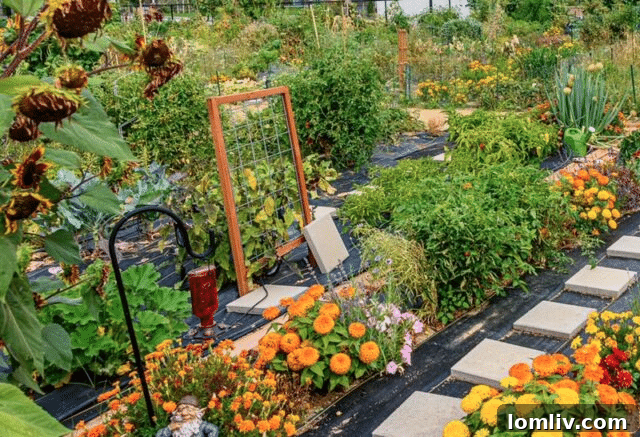
While the image of vibrant community gardens often comes to mind when discussing urban agriculture, the Dallas plan embraces a much broader and more innovative spectrum of opportunities. It actively supports various forms of cultivation for both nonprofit initiatives and for-profit enterprises wishing to participate in this burgeoning sector. This inclusivity ensures that individuals and organizations with diverse interests and capabilities can contribute to the city’s food system.
Beyond traditional plots, the plan enthusiastically champions innovative agricultural methods that are particularly suited to urban environments. These include backyard “micro-farms” which empower individual households to contribute to local food production, creative rooftop gardens that transform underutilized spaces into verdant farms, and the integration of “food as landscape,” where edible plants enhance public and private green spaces. Furthermore, cutting-edge techniques such as aquaponics and hydroponics – which utilize water-based nutrient solutions to grow plants, often with significantly less water and space – are also strongly supported. This forward-thinking approach ensures that Dallas is at the forefront of sustainable urban food production, maximizing every available space and resource.

City Manager T.C. Broadnax articulated the overarching vision for these diverse efforts: “Our long-term goal is to facilitate connections between agricultural producers and food buyers in coordination with other city plans that are supporting a more sustainable food network.” This strategic alignment highlights the integrated nature of the plan, recognizing that successful urban agriculture extends beyond just growing food to building robust market linkages and an efficient supply chain. By fostering these connections, Dallas aims to create a dynamic local food economy that benefits both producers and consumers.
Another crucial component of the Urban Agriculture Plan is its dedication to combating food waste, a significant environmental and social issue. The plan outlines comprehensive strategies to prevent food waste through various mechanisms including donations to those in need, recovery of surplus food, diversion from landfills, and promoting advanced composting practices. By minimizing waste, the city not only reduces its environmental footprint but also ensures that valuable food resources are utilized efficiently, further supporting food security initiatives.
Following the crucial initial phase of increasing urban agriculture acreage and bolstering supply, Carlos Evans outlined the department’s next strategic step: building robust market opportunities. This will be achieved through the implementation of a dynamic “buy local campaign” specifically designed to connect local producers with a diverse array of local buyers, including restaurants, schools, institutions, and individual consumers. This campaign will play a pivotal role in creating sustainable economic pathways for urban farmers, ensuring that their valuable produce has ready markets and fostering a stronger sense of community pride in locally sourced goods.
The transformative potential of the plan was powerfully underscored by environmental equity advocate Kathryn Bazan. Speaking on Wednesday, Bazan emphasized that the initiative has the capacity to bring about profound positive change for individuals who are struggling to access and grow food in Dallas. “We do not have a resilient local food system in Dallas and we have not historically made it easy to start growing food,” Bazan stated, acknowledging past challenges. However, she asserted that “with this comprehensive urban agriculture plan, we have one more tool to close the gap between families and their ability to access nutritious, affordable food.” This sentiment encapsulates the hope and ambition embedded within Dallas’s pioneering commitment to urban agriculture, promising a healthier, more equitable, and sustainable future for all its citizens.