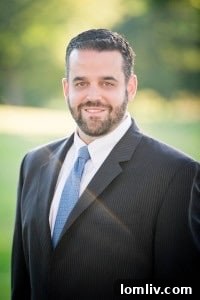
Adam McGough’s Residency Questions: Unraveling the Dallas City Council Candidate Controversy
The campaign trail for the Dallas City Council is no stranger to scrutiny, but recent questions surrounding candidate Adam McGough’s family residency and his children’s enrollment in the prestigious Highland Park ISD have brought a sharp focus to transparency and public trust. The core of the issue revolves around conflicting accounts of where McGough’s family resided, a critical factor for any political hopeful seeking to represent a specific district and for families utilizing local school district resources.
Residency requirements for public office are fundamental to democratic integrity. They ensure that elected officials are genuinely connected to the communities they serve, understanding local needs and representing their constituents effectively. For a Dallas City Council candidate, proof of residency within their designated district is non-negotiable. Similarly, school district enrollment typically requires families to reside within the district boundaries, a measure that ensures fair access to education and proper allocation of resources. The questions swirling around McGough’s residency, therefore, touch upon both his eligibility to run for office and the appropriate use of the Highland Park ISD system.
The initial inquiries into McGough’s living arrangements first surfaced as the election drew closer, prompting a closer look at the details. These concerns were significant enough to capture the attention of local media, including the Dallas Morning News, which reported on the matter, seeking clarification from the candidate himself. It’s against this backdrop that a surprising detail from an earlier, high-profile media appearance by McGough has resurfaced, adding another layer of complexity to an already intricate narrative.
The Unexpected Vanity Fair Connection: A Blast from the Past
For those following local Dallas news and politics, the name Adam McGough might ring a bell beyond the current city council race. An astute observer recently recalled seeing McGough featured in a particularly memorable national article: a Vanity Fair piece covering the Dallas Ebola crisis. This revelation, jogging memories of an intense period in Dallas’s recent history, has now inadvertently cast new light on the ongoing residency questions.
The 2015 Ebola outbreak in Dallas was a moment of immense tension and public concern. The city grappled with its first confirmed case, Thomas Eric Duncan, and the subsequent fear of broader contagion. During this crisis, various public figures and community leaders stepped forward, and Adam McGough was among those who played a visible role. The Vanity Fair article, a detailed exploration of the crisis and its impact on the city, captured candid moments and personal accounts from those on the front lines or affected by the unfolding events.
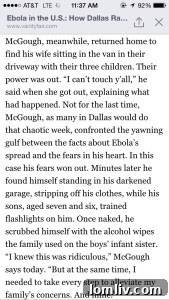
It is within this very Vanity Fair narrative that McGough shared an anecdote that has now become a point of contention. His story painted a vivid picture of the personal toll the crisis took, even on community leaders. While the original intention was likely to illustrate the human element of a public health emergency, this particular anecdote, when viewed through the lens of current residency questions, raises several critical queries that demand answers.
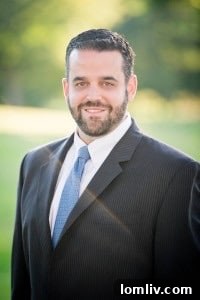
The Power Outage Anecdote: A Minivan and Conflicting Narratives
The specific detail recalled from the Vanity Fair piece centers on a night during the height of the Thomas Eric Duncan Ebola scare. McGough recounted going home to find his wife and children huddled in their minivan. The reason? A power outage had left their residence in the dark. This seemingly innocuous, humanizing detail was meant to underscore the disruption and challenges faced even by those working to manage the crisis.
However, this anecdote directly clashes with information McGough’s family reportedly provided to the Dallas Morning News concerning their residency and his children’s schooling. The fundamental question that immediately arises is: if their family home was experiencing a power outage, why wouldn’t they simply go to their Highland Park condo? This isn’t just a rhetorical question; it points to a significant inconsistency in the narrative surrounding their primary residence.
The existence of a “condo in Highland Park” had previously been acknowledged in reports, particularly in the context of discussions with the Dallas Morning News. It was this Highland Park address that was seemingly central to the family’s declared residency, especially when addressing questions about their children’s enrollment in Highland Park ISD. The narrative presented to the Dallas Morning News suggested a clear connection to Highland Park, even when explaining the decision to withdraw their children from the district during a winter break.
The Highland Park Condo Discrepancy: Where Did They Really Live?
Herein lies the crux of the controversy: the reported Highland Park condo. If this was indeed their primary residence, as statements to the Dallas Morning News implied—a residence that played a role in their children’s enrollment and subsequent withdrawal from HPISD—it’s highly probable that a condo in an affluent area like Highland Park would have had reliable utilities, including electricity, even during a broader power outage. Or, at the very least, it would offer a more comfortable and logical alternative than a minivan in the dark.
The inconsistency between these two accounts—the public anecdote from Vanity Fair and the reported residency for school and political purposes—raises serious questions about transparency and consistency. When a candidate provides differing details about their living situation to various media outlets or at different times, it inevitably erodes public trust and invites deeper scrutiny. Voters expect clear, unambiguous information from those seeking public office, particularly on fundamental issues like residency that directly impact eligibility and community representation.
The reported withdrawal of McGough’s children from Highland Park ISD during winter break, as conveyed to the Dallas Morning News, further complicates the picture. While families can certainly change school districts, the timing and the simultaneous questions about the family’s actual domicile intensify the demand for a clear, unified explanation. Was the Highland Park condo a temporary arrangement, a secondary residence, or was it truly their primary home as suggested? The answer has significant implications for both the integrity of his campaign and his past use of school district resources.
This evolving narrative highlights the essential role of media in holding public figures accountable. What seemed like a casual observation—recalling McGough from an older article—has turned into a pivotal piece of the puzzle, revealing potential discrepancies that demand clarification from the Dallas City Council candidate. The public has a right to understand the full truth of a candidate’s background, especially when it pertains to residency requirements that are cornerstones of local governance.
Implications for Public Trust and Dallas Politics
The ongoing questions surrounding Adam McGough’s residency are more than just a minor campaign hiccup; they tap into fundamental aspects of public trust and election integrity within Dallas politics. When conflicting narratives emerge from a candidate, particularly concerning basic facts like where their family lives, it inevitably casts a shadow over their credibility. Voters rely on candidates to be forthright and consistent, as transparency is a cornerstone of a healthy democratic process.
For a Dallas City Council candidate, establishing clear ties to the community they wish to represent is paramount. Any ambiguity regarding residency can suggest a lack of deep roots or commitment to the specific district, which can significantly impact voter perception. Furthermore, issues related to school enrollment, especially in a highly sought-after district like Highland Park ISD, often resonate deeply within communities, raising questions about fairness and adherence to rules designed to protect local resources.
In an environment where political discourse is often fraught with skepticism, candidates must proactively address and resolve any inconsistencies. Unanswered questions can fester, leading to speculation and ultimately eroding the public’s faith in the electoral process. The integrity of local elections depends on candidates upholding the highest standards of honesty and accountability. As the Dallas City Council race progresses, the ability of Adam McGough to provide a comprehensive and consistent account of his family’s residency will undoubtedly be a key factor in how voters perceive his suitability for public office.
Conclusion: A Call for Clarity on the Campaign Trail
The intertwining threads of Adam McGough’s past public statements and current residency questions present a complex challenge for his Dallas City Council campaign. From the vivid anecdote of a power outage during the Ebola crisis to the reported Highland Park condo and children’s school enrollment, inconsistencies have surfaced that demand clear, unified explanations. The “fishy” feeling observed by many is a natural reaction when narratives fail to align, and it underscores the critical need for transparency in political leadership.
As the campaign moves forward, McGough faces the imperative task of addressing these discrepancies directly and unambiguously. Earning and maintaining public trust is essential for any aspiring leader, and this requires a commitment to honesty and full disclosure. The Dallas community, and particularly the voters in his district, deserve a coherent and transparent account of his family’s residency. Until these questions are satisfactorily resolved, they will continue to loom over his candidacy, influencing perceptions and ultimately playing a role in the political landscape of Dallas.