Fair Park Dallas Deal Halted: A Victory for Transparency and Public Process
In a significant turn of events that has sent ripples through Dallas city politics, a contentious plan to transfer the management of historic Fair Park to a private foundation has been effectively put on hold. Dallas City Council member Philip Kingston, a vocal critic of the proposed deal, recently received a letter from City Attorney Larry Casto that delivered a definitive blow to Mayor Mike Rawlings’ “slam-dunk deal” with Walt Humann’s Fair Park Texas Foundation. While the Humann plan isn’t entirely off the table, its momentum has been severely curtailed, signaling a win for those advocating for greater transparency and competitive processes in the handling of public assets.
The Heart of the Controversy: A Legacy at Stake
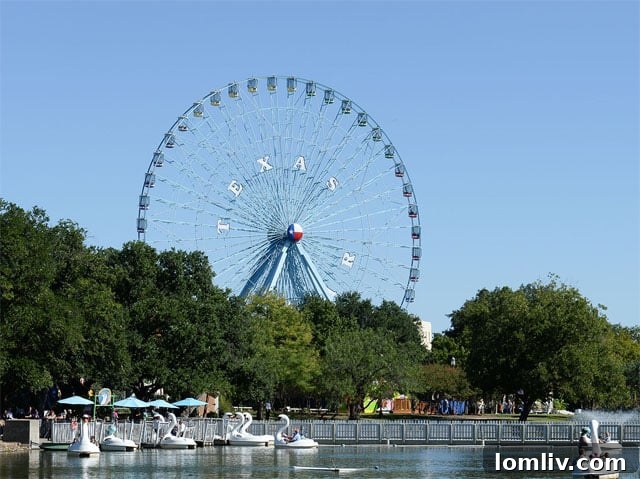
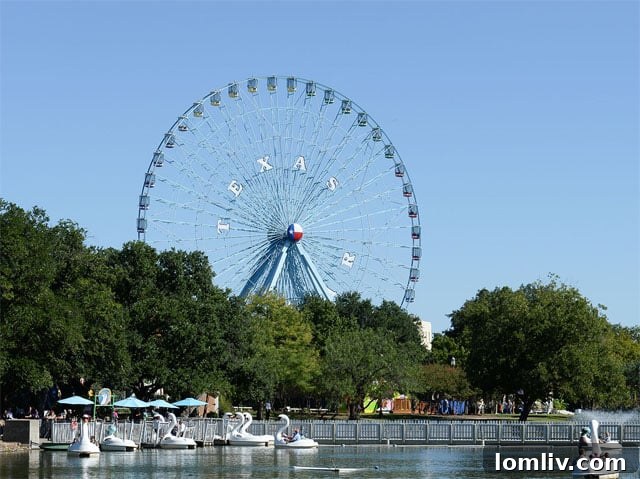
Fair Park is more than just a venue; it is a sprawling historical landmark and cultural centerpiece for Dallas. Home to the annual State Fair of Texas, numerous museums, and significant Art Deco architecture, its fate has long been a subject of intense public and political debate. The proposed deal, championed by Mayor Rawlings and his administration, sought to transfer the long-term management and operational control of Fair Park to the newly formed Fair Park Texas Foundation, led by prominent civic leader Walt Humann. Proponents argued this private management would inject much-needed capital and expertise, revitalizing the park and ensuring its future sustainability. However, critics raised serious concerns about the lack of a competitive bidding process, the potential for private interests to overshadow public access, and the overall transparency of the arrangement.
Questioning Legality: The Bidding Requirement Dilemma
A central pillar of Councilman Kingston’s challenge revolved around the legality of circumventing the standard competitive bidding process, typically a requirement for transferring control or significant value related to public assets. During a protracted city council session, Kingston rigorously questioned how Fair Park could be effectively “given away” without an open Request for Proposal (RFP) or Request for Qualification (RFQ) process. State and local laws generally mandate competitive bidding to ensure fairness, prevent cronyism, and secure the best value for taxpayers when public resources are involved. Exemptions do exist, often for projects where a unique value or substantial funding is provided by a sole entity, such as the initial $10 million contribution to Klyde Warren Park.
The “Time as Value” Argument: A Specious Justification?
The initial response from the acting city attorney’s office to Kingston’s queries was that Walt Humann’s extensive time and effort spent developing the proposal constituted a significant “value” that justified bypassing competitive bids. This argument, suggesting that an individual’s dedicated time could be equated to the financial or tangible contributions typically required for such an exemption, was met with widespread skepticism. The author, like many observers, found this justification to be “specious” at best. Allowing “time” alone to be the sole determinant for transferring valuable public assets could set a dangerous precedent, opening the door for individuals or groups to lobby indefinitely for control over city resources without fair competition. “Time is money” might be a common adage, but it rarely serves as a robust legal foundation for the transfer of public property.
Larry Casto’s Decisive Intervention: A New Legal Perspective
The critical turning point came with the newly appointed City Attorney, Larry Casto. Rather than directly challenging his predecessor’s controversial “time as value” argument, Casto strategically focused on a different exemption clause pertaining to the standard bidding process. This clause stipulates that competitive bidding can be bypassed if the service or asset the city is trying to procure is “available from only one source.” This particular legal phrasing became the Achilles’ heel for the Fair Park Texas Foundation’s proposal.
Monte Anderson and the “Single Source” Rebuttal
The crucial element that undermined the “single source” claim was the emergence of a competing proposal. Dallas developer and community advocate Monte Anderson publicly expressed his desire to assemble and present an alternative plan for Fair Park’s future. Anderson’s clear intent to offer a viable, competing proposal directly negated the city’s ability to claim that Humann’s foundation was the “only source” capable of managing Fair Park. Casto’s legal interpretation, therefore, rested on the straightforward fact that if another entity was willing and able to offer a different proposal, the “single source” exemption simply did not apply. This legal maneuver effectively “put the kibosh on” the Mayor’s preferred deal, shifting the conversation back towards the necessity of an open and fair process.
Political Irony and Shifting Sands in Dallas City Hall
The timing of Casto’s decision carries a layer of political irony. Just a month prior to this ruling, Mayor Rawlings had effusively praised Casto’s appointment, highlighting his political savvy. Rawlings was quoted saying, “Thanks to his experience in our capital, he is one of the most politically savvy city employees I’ve had the pleasure of knowing. Those skills will come in handy as he navigates the challenges of reporting to me and my 14 colleagues.” This praise now rings hollow, as Casto’s first major public act directly challenged the Mayor’s signature initiative. Some speculate that Casto’s “political savvy” might stem from a recognition that the era of government-backed sweetheart deals and opaque processes is drawing to a close, perhaps hinting at broader calls for accountability in local governance. This development could be a significant indicator that the “lame duck” tag might apply not just to the deals themselves, but to the politicians who push them without sufficient public scrutiny.
A Collective Sigh of Relief: Media and Public Reaction
The halting of the Fair Park deal has been met with a palpable sense of relief from various quarters, particularly within the Dallas media landscape. Major news outlets, including The Dallas Morning News and local independent platforms like daltxrealestate.com, had consistently voiced concerns about the process, the lack of transparency, and the potential for crony dealings inherent in the initial proposal. The media’s collective scrutiny played a crucial role in bringing these issues to the forefront of public discussion, emphasizing the importance of an independent press in holding government accountable. Robert Wilonsky’s swift commentary in The Dallas Morning News underscored the widespread recognition that the “unstoppable train” of the controversial plan had finally been slowed, if not entirely derailed.
Implications for the State Fair of Texas and Beyond
This decision undoubtedly places the State Fair of Texas in a critical position. As the primary tenant and a massive economic driver for Fair Park, the State Fair has a significant vested interest in its management and future. One can expect their leadership to hastily convene meetings to assess the situation and strategize on how to protect their interests and wield their influence in whatever new plan emerges for Fair Park. Beyond the State Fair, this outcome sets a precedent for how Dallas will manage its other public assets and engage with community stakeholders in future development projects. It reinforces the idea that robust public debate and adherence to legal processes are paramount, even for highly anticipated projects.
What Lies Ahead for Fair Park?
City Attorney Casto’s letter clarified the legal constraints but did not provide a definitive roadmap for the city’s next steps. The Dallas City Council now faces the task of navigating this complex situation. It’s clear that the Council, had Casto not intervened, would likely have approved the Humann plan. Now, they must grapple with the implications of being told “no” by their own legal counsel. The most probable outcome is a return to the drawing board, potentially involving an open and competitive bidding process for Fair Park’s management. This would allow various entities, including Humann’s foundation and Monte Anderson’s group, to submit detailed proposals, fostering a more transparent and equitable competition for this cherished public asset.
This episode serves as a powerful reminder of the importance of individual council members like Philip Kingston, the integrity of legal counsel like Larry Casto, and the proactive engagement of citizens like Monte Anderson in safeguarding public interests. Their actions have redirected the fate of Fair Park toward a path of greater accountability and public participation.
About the Author
The author specializes in high-rises, HOAs, and renovation projects within the Dallas real estate market. With a keen appreciation for both modern and historical architecture, they actively follow and analyze trends, including the dynamics of the YIMBY movement. Recognized with Bronze and Silver awards from the National Association of Real Estate Editors for their writing in 2016, the author is dedicated to insightful reporting on Dallas’s evolving urban landscape. For collaboration opportunities or story pitches, connect via email at [email protected].