Jim Foster
Special Contributor
Jane Johnson Endsley: From Slavery to Dallas Pioneer and Business Magnate
The annals of Dallas history are rich with stories of resilience, innovation, and unwavering determination. Among these, the extraordinary journey of Jane Johnson Endsley stands out as a beacon of what grit and entrepreneurial spirit can achieve against incredible odds. Born into the brutal reality of slavery in Jefferson, Texas, in 1848, Jane Johnson’s life was destined for hardship. Yet, she transcended the limitations imposed upon her, rising to become a successful farmer, a shrewd businesswoman, and a respected community leader in a rapidly developing Dallas.
Her early life unfolded on one of the sprawling family plantations near Jefferson, a world defined by servitude and systemic oppression. Despite these challenging beginnings, Jane’s innate strength and resourcefulness would soon become evident. In 1862, amidst the turmoil of the Civil War, she married Moses Calloway, a man who, like her, had been born into slavery in Tennessee. Their union marked the beginning of a shared quest for freedom, dignity, and a better future.
A Foundation of Grit: The Calloway Family’s Journey to Prosperity
Approximately three years after their marriage, Moses and Jane Calloway embarked on a pivotal move to the Chiesa area, a burgeoning community nestled north of present-day Rowlett. This new chapter was not without its struggles. As sharecroppers, they toiled tirelessly on borrowed land, navigating the complex and often unfair economic system that emerged in the post-Reconstruction South. Despite the immense challenges, the Calloway family flourished. Their modest home in Chiesa became a vibrant hub, where they raised 11 children, instilling in them the values of hard work and perseverance.
Jane, who never had the opportunity to learn to read or write, possessed an extraordinary intelligence and business acumen that proved invaluable. Through sheer dedication and astute management, the Calloways defied expectations, gradually accumulating enough resources to escape the cycle of sharecropping. Their ultimate triumph came with the acquisition of their very own 100-acre farm, a monumental achievement for an African American family in that era. By 1882, their land was reported to be worth an impressive $151 per acre, a testament to their success. When adjusted for inflation, this would place their net worth in the vicinity of several million dollars by today’s standards, highlighting the incredible wealth and stability they had built from virtually nothing.
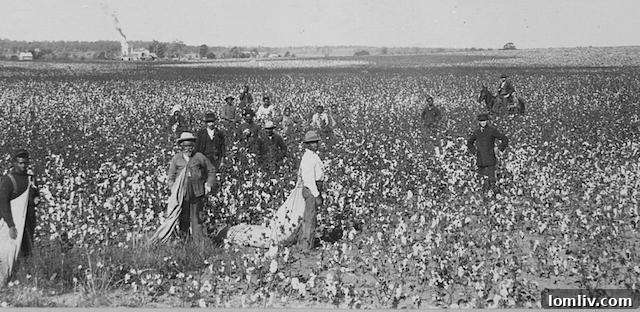
The landscape of their success was deeply intertwined with the prevailing agricultural economy of the time: cotton was king. Following Moses’s passing around 1885, Jane was left to manage their burgeoning farm and uphold their legacy. She proved more than capable, quickly establishing herself as one of the most proficient and respected cotton growers in the entire region. Her hands-on approach was legendary; she would frequently hitch up the mules to the cotton wagon herself, driving the heavy loads to the local cotton gin. Her vigilance was unwavering; she remained steadfastly with her wagon and team, overseeing the entire process from weighing to ginning, ensuring her harvest was handled with integrity and care.
The Cotton Gin Incident: A Brush with Injustice
It was during one such routine visit to the cotton gin that Jane Johnson Endsley faced a harrowing incident that underscored the perilous realities of racial tensions in the late 19th century South. After her cotton had been meticulously weighed, ginned, and compressed into a bale, a brazen act of theft unfolded. A white man attempted to steal her valuable bale of cotton, a direct assault on her livelihood and dignity. Without hesitation, Jane, holding one of the heavy cotton hooks essential for handling bales, reacted instinctively. She struck the assailant on the head, a defensive action that, according to reports, split his skull open.
In an era where the injury or death of a white person by a person of color often resulted in immediate and severe retribution, including execution, Jane’s life hung precariously in the balance. However, a remarkable turn of events saved her. It is widely believed that another white man witnessed the entire incident. His testimony was crucial: he reported that as he was helping with the cotton bale, the hook he was using slipped just as the victim walked up behind him and Jane. This seemingly accidental explanation, whether entirely accurate or a deliberate act of compassion to protect Jane, ultimately spared her from certain execution. This incident not only demonstrated Jane’s courage but also highlighted the systemic injustices and the fragile nature of justice for African Americans during that tumultuous period.
Following Moses’s death, Jane’s life continued to evolve. She entered into a second marriage in 1894 with C. F. Franklin, which later ended in divorce. Subsequently, she married Alonzo Jones, a union that also concluded in divorce. Her fourth and final marriage, which would lend her the enduring surname Endsley, was to H. E. Endsley, a tailor residing at 908 Central Avenue in 1914. These marital experiences, though not central to her business narrative, reflect the societal complexities and personal journey of a woman navigating life in a rapidly changing world.
Wise Business Decisions: Expanding Horizons in Dallas
By 1914, Jane Johnson Endsley had strategically transitioned from her agricultural roots. She sold the family farm in Rowlett, but with characteristic foresight, she retained the valuable timber rights. This decision proved to be a masterstroke, laying the groundwork for her next significant entrepreneurial venture. She then made a decisive move to Dallas, a burgeoning urban center brimming with opportunity. Here, she commissioned the construction of a substantial house on Collins Street, strategically located near the fairgrounds.
Her new home quickly became a local landmark, notably possessing the only telephone in the neighborhood for many years. Jane, ever a community advocate, generously encouraged her neighbors to use it, fostering connection and support. To navigate the bustling streets of Dallas and facilitate her burgeoning business interests, she acquired a brand-new Model T Ford automobile – a symbol of modernity and independence at the time. This vehicle would prove indispensable in the operations of her ambitious new enterprise.
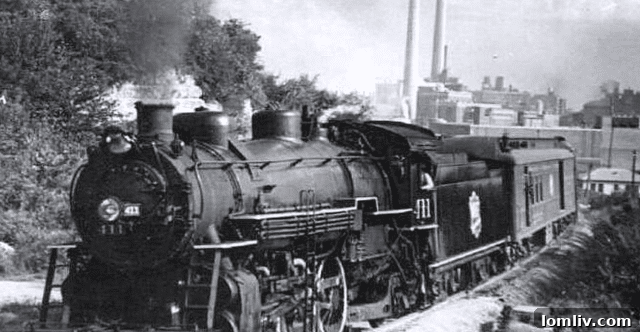
Jane’s visionary spirit and business acumen truly came to the forefront with the establishment of her family-owned-and-operated business. Her sons, Joe, Emmett, and Lube, joined her in this new endeavor, combining their energies to create a vital service for the growing city. Capitalizing on her retained timber rights from the Rowlett farmland, which was conveniently located adjacent to the railroad, they began a robust operation. Raw timber was harvested and efficiently shipped into Dallas, where it served as a primary fuel source for homes and industries alike. This strategic access to raw materials and efficient transportation was critical to their success.
The family then expanded their operations by establishing a railroad yard near downtown Dallas. This central hub became indispensable, serving as a critical distribution point for both coal and logs, which were essential commodities that Dallasites heavily depended upon in those early decades of the 20th century. Jane Johnson Endsley’s foresight in retaining the timber rights and her strategic establishment of a fuel distribution network positioned her family at the heart of Dallas’s urban development, further cementing her legacy as a formidable businesswoman.
Jane Endsley: A Legacy of Community Leadership and Philanthropy
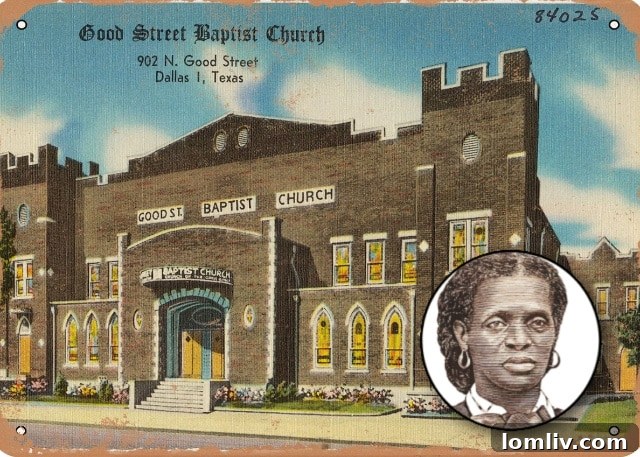
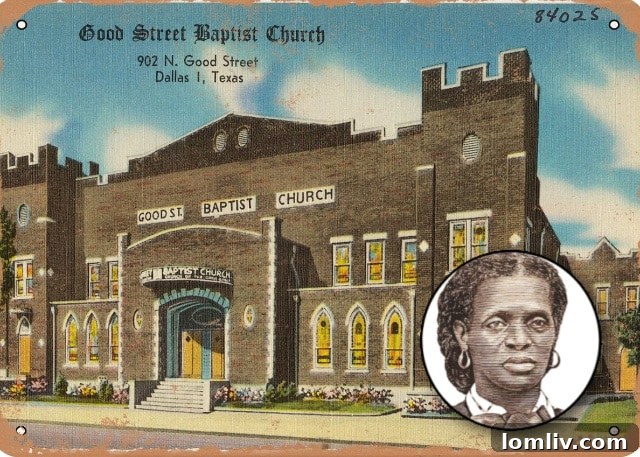
Beyond her impressive business ventures, Jane Johnson Endsley was a profound force for social change and community development. Her commitment to uplift her community was unwavering. Alongside a group of like-minded friends, she played a pivotal role in founding the Macedonia Baptist Church. This institution, which stands today as the renowned Good Street Baptist Church, has grown into a spiritual powerhouse, boasting an estimated 5,000 members and continuing her legacy of faith and community building. The establishment of such a church was not merely about worship; it provided a crucial social and spiritual anchor for the African American community in an era marked by segregation and discrimination.
In the 1920s, Jane’s compassion extended to addressing critical social needs. She was instrumental in establishing the Household of Ruth, an organization designed to provide funeral insurance for African Americans. At a time when white-owned insurance companies often refused to serve or unfairly treated Black clients, the Household of Ruth offered a vital safety net, ensuring that families could afford dignified burials for their loved ones. This initiative was a testament to her dedication to creating self-sufficient and supportive systems within her community.
As the Great Depression cast its long shadow across the nation, Jane Johnson Endsley’s philanthropic spirit shone even brighter. Joined by her youngest daughter, Maggie, she dedicated herself to feeding the hungry and homeless, offering comfort and sustenance to countless individuals struggling through the economic crisis. Their selfless efforts continued tirelessly up until the time of Jane’s passing. She died peacefully at her Collins Street home in 1933, leaving behind an indelible mark on Dallas. Her earthly journey concluded with her burial in the small, cherished family cemetery nestled near her beloved Rowlett farm, a testament to her enduring connection to the land that witnessed her rise.
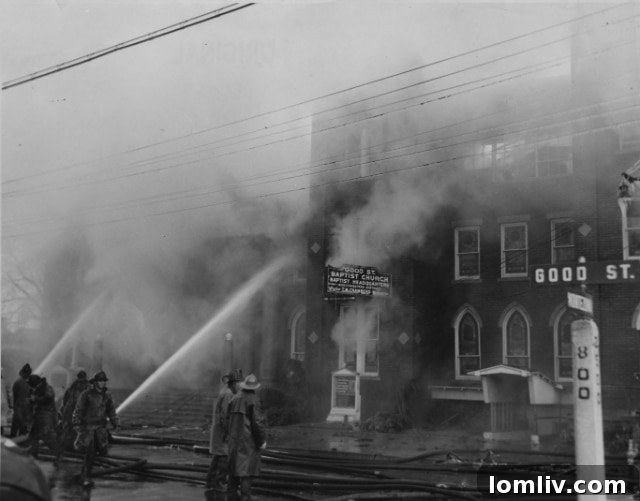
Today, the resting place of this remarkable woman is located at Lindsey Drive and Chiesa Road, within what is now known as Chiesa Cemetery in Rowlett, Texas. While a small headstone marks her grave, it offers only a hint of the colossal history and immense contributions of Jane Johnson Endsley. Her story, rich with perseverance, courage, and a profound commitment to her community, is one that deserves far greater recognition. In a city built by the hands and dreams of pioneers, wouldn’t it be a truly fitting tribute to erect a grand monument, ensuring that the incredible legacy of this almost-forgotten hero is remembered and celebrated for generations to come?
Indeed, it would be an honor long overdue, inspiring all who learn of her extraordinary journey from the bonds of slavery to the heights of entrepreneurship and humanitarian leadership in Dallas.

Jim Foster is a fifth-generation Dallas County native and former Dallas County Judge. He served two terms as DCPA president, and his Pioneers of Dallas County page on Facebook has garnered over 22,000 members, dedicated to preserving and sharing the rich history of the region.