Dallas’s Permitting Predicament: Can External Expertise Pave the Way Forward?
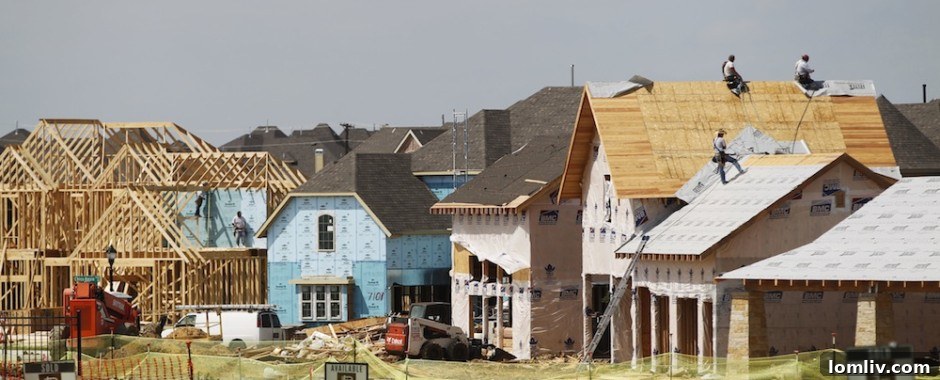
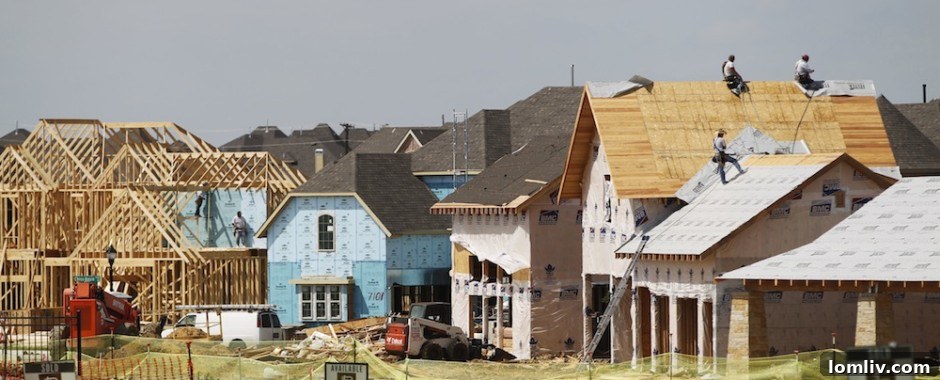
The burgeoning construction landscape of Dallas, a city synonymous with growth and opportunity, is currently grappling with a formidable challenge: a severely flawed and sluggish permitting process. What should be a straightforward administrative step has become a significant bottleneck, inflicting substantial financial losses and causing frustrating delays across residential and commercial projects alike. This systemic issue has led many stakeholders to question whether the conventional internal mechanisms are sufficient, prompting a growing consensus that enlisting the help of private companies might be the pivotal key to unlocking the city’s development potential.
For months, the Dallas Builder’s Association has been at the forefront of advocating for a comprehensive overhaul of the city’s permitting system. Phil Crone, the esteemed executive officer for the association, has been particularly vocal, characterizing the existing framework within Dallas’s Sustainable Development and Construction Department as outright “organizational ineptitude.” His assessment highlights a stark deterioration in efficiency: processes that once took mere hours to complete now inexplicably stretch into an arduous eleven-week saga, severely impacting project timelines and budgets.

In a crucial memo addressed to the Dallas City Council on January 15, Crone outlined urgent demands for immediate action. He stressed the imperative to clear the existing backlog of permits by the end of February, a critical step intended to dramatically reduce permit turnaround times to a more manageable period of no longer than three weeks. Beyond this immediate relief, Crone also championed the implementation of a third-party plan review program, specifically for new single-family residential construction. This innovative approach, he suggested, could be seamlessly integrated into the self-certification initiative that the council had already approved, offering a path towards greater efficiency and accountability.
A Staggering $250 Million Loss, And The Situation Worsens
The ramifications of these protracted delays are far from trivial. To underscore the severity of the crisis, Crone referenced compelling data provided by Zonda/Meyers Research. Their analysis revealed that the City of Dallas has forfeited more than $250 million in potential tax revenue over the past year alone due to permitting bottlenecks. This staggering sum represents a significant blow to the city’s finances, impacting its ability to fund essential public services, infrastructure improvements, and community programs. Furthermore, the research highlighted an alarming consequence for housing development: an estimated 600 homes that were slated for construction could not be completed, or even started, because of persistent permitting obstacles.
“It’s getting worse,” Crone lamented in a January 23 interview with the Dallas Business Journal. “It’s really getting to a, ‘Now or never moment.’ It remains a crippling problem with staff seemingly unwilling or unable to solve it.” His remarks underscore a growing sense of frustration and desperation within the development community. The core of the issue, according to Crone, can be traced back to the city’s transition to a new system—a system that was evidently unprepared to handle the existing demand. Developers and applicants have reported an inordinate number of issues merely navigating the application process, highlighting fundamental flaws in design, implementation, or user training.
The direct impact on developers is multifaceted and severe. Project timelines are extended indefinitely, leading to increased carrying costs for land and financing. Labor scheduling becomes a nightmare, with skilled tradespeople potentially moving to other cities where permits are processed more swiftly. This uncertainty can deter future investment in Dallas, as developers seek more predictable and efficient environments for their projects. For homebuyers, these delays translate into higher housing costs due to constrained supply, longer waits for new homes, and a diminished sense of market stability. Ultimately, the entire ecosystem of Dallas’s real estate and construction industries suffers, undermining economic growth and job creation.
Dallas Falls Behind Other Major Municipalities
While the COVID-19 pandemic undeniably posed challenges to operations across all sectors, there’s a broad consensus that its negative effects were particularly pronounced and protracted in Dallas’s permitting department. What’s particularly vexing for Crone and his peers is that pandemic-related issues seem to disproportionately plague Dallas. Many other municipalities, he points out, successfully navigated the transition to socially distanced or entirely digital permit application processes as early as March 2020. They adapted swiftly, implementing online portals, virtual inspections, and efficient remote review systems to maintain operational continuity.
In stark contrast, Dallas has continued to struggle. Over the past year, some permit approvals have been trapped in bureaucratic limbo for more than three months, leading to unprecedented project hold-ups. Meanwhile, neighboring cities within the North Texas region—and indeed, many major cities nationwide—are completing the exact same permitting tasks in a fraction of the time, often within two or three weeks. This disparity not only highlights Dallas’s operational inefficiencies but also creates a competitive disadvantage, potentially driving much-needed development and investment away to more accommodating locales.
The successful strategies adopted by other cities often involve a combination of factors: investing in robust, user-friendly digital platforms; cross-training staff to handle various review stages; establishing clear, publicly accessible service level agreements for permit processing times; and fostering a culture of continuous improvement and responsiveness. These proactive measures have allowed them to maintain a healthy pace of development even amidst unforeseen disruptions, a model that Dallas desperately needs to emulate.
The Path Forward: Embracing Third-Party Solutions and Sustained Commitment
Recognizing the urgency of the situation, the Dallas City Council was scheduled to discuss the critical issue of permit delays on Wednesday, January 27. Further reinforcing the city’s commitment to finding solutions, the Economic Development Committee also planned to hold a dedicated hearing on February 1, specifically to consider the viability and benefits of enlisting the help of a private entity for permit reviews. These discussions mark a crucial turning point, signaling that city leaders are finally acknowledging the depth of the problem and are open to exploring non-traditional remedies.
Phil Crone expressed cautious optimism at the prospect of third-party options finally receiving serious council consideration. For the Dallas Builder’s Association, this represents a significant victory after months of persistent advocacy. However, he also issued a vital caution: this is merely the first step in a long and complex journey. The city must then rise to the challenge of ensuring that any new process, particularly one involving external partners, is ultimately structured for long-term success. This requires not just implementing a new system but also creating a supportive regulatory environment, clear communication channels, and robust oversight—an endeavor Dallas has seemingly struggled with over the past 10 months.
The integration of private sector expertise into the permitting process could bring several tangible benefits. Private firms often possess specialized knowledge, advanced technological tools, and the flexibility to scale operations quickly to meet demand. They can provide expert plan reviews, conduct inspections, and even assist with compliance checks, thereby alleviating the burden on city staff and significantly reducing turnaround times. This collaboration could also inject a much-needed sense of accountability and efficiency into a system currently perceived as stagnant.
“The next few weeks really constitute a now or never moment for the city on this,” Crone reiterated, emphasizing the critical window for decisive action. “They need to make a concerted effort to get timelines down to 2-3 weeks in the next month and bring in qualified third parties for help.” The implications of inaction are dire: continued economic stagnation, the flight of developers to more business-friendly cities, and a deepening housing crisis. Conversely, a successful overhaul could revitalize Dallas’s construction sector, stimulate job growth, expand housing options, and ultimately solidify the city’s reputation as a dynamic and progressive hub for development.
The city’s leadership now faces a pivotal decision. Moving forward requires not just an acknowledgement of the problem but a bold commitment to fundamental change, potentially embracing innovative partnerships that leverage private sector efficiency for public good. The future of Dallas’s growth and prosperity hinges on its ability to navigate this permitting crisis and build a more responsive, efficient, and transparent system for all its stakeholders.