Comprehensive Guide to Preventing Frozen and Burst Pipes: Protecting Your Home from Winter’s Wrath
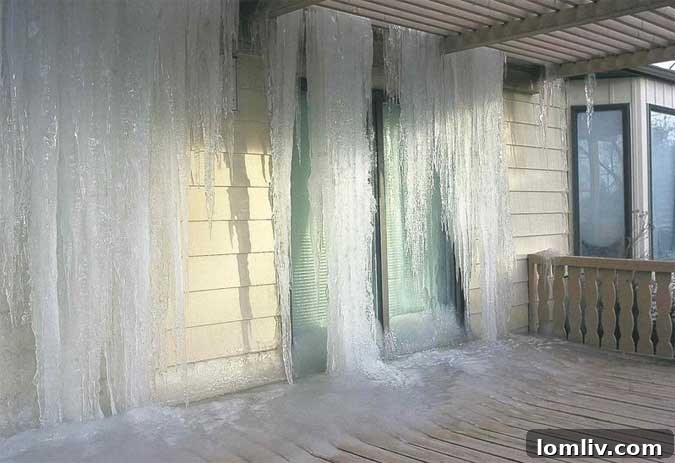
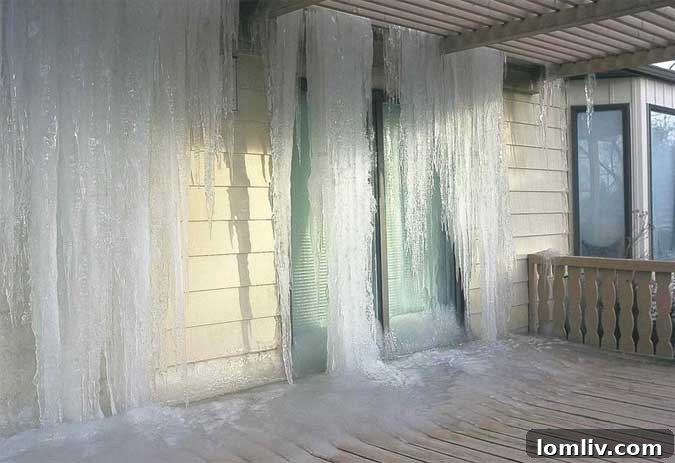
As winter approaches and temperatures drop, the threat of frozen pipes becomes a significant concern for homeowners. The memory of catastrophic winter storms, like the one that brought much of Texas to a standstill in 2021, serves as a stark reminder of the devastating impact burst pipes can have. During such events, communities faced widespread power outages, leaving countless homes vulnerable to the deep freeze. The resulting damage, from ruptured water lines and flooded basements to irreparable appliances, amounted to billions in repairs and immense distress for affected families.
Preventing such costly and disruptive incidents requires proactive measures and a clear understanding of your home’s vulnerabilities. The Dallas Builders Association, committed to ensuring the safety and resilience of homes, urges every homeowner to prepare thoroughly for whatever the winter season may bring. By taking a few essential steps, you can significantly reduce the risk of frozen pipes and protect your property from extensive water damage. This comprehensive guide outlines critical strategies and practical tips to winterize your home’s plumbing system, ensuring peace of mind even during the coldest snaps.
The Critical Importance of Winterizing Outdoor Plumbing
Outdoor plumbing fixtures are often the first to succumb to freezing temperatures, primarily because they are directly exposed to the elements. Neglecting these components can lead to a domino effect of problems, extending from minor leaks to major pipe ruptures within your home’s walls. Proper winterization of your outdoor plumbing is not merely a recommendation; it’s a fundamental step in comprehensive home protection against winter damage.
Disconnecting and Insulating Outdoor Hoses and Faucets
One of the simplest yet most crucial preventative measures is addressing your garden hoses and outdoor faucets. When a garden hose remains connected to an exterior faucet during freezing weather, any water trapped within the hose or the faucet itself can freeze. As water turns to ice, it expands with immense force, creating pressure that can travel back into the main water lines within your home. This pressure can cause the pipes inside your walls to crack or burst, leading to hidden leaks that may go unnoticed until significant damage has occurred.
To prevent this:
- Completely Disconnect Hoses: Before the first hard freeze, always remove all garden hoses from outdoor spigots. Drain any remaining water from the hoses and store them in a garage or shed.
- Insulate Faucets with Covers: Once hoses are removed, cover your outdoor faucets with insulated faucet covers. These inexpensive covers, readily available at hardware stores, create a barrier against cold air, preventing the metal and any residual water in the spigot from freezing. While newer homes may boast better overall pipe insulation, extreme or prolonged cold snaps, especially in climates unaccustomed to such severity, can still compromise even well-insulated systems. A small investment in these covers can genuinely save thousands in potential repair costs.
- Consider Frost-Free Hose Bibs: If you are planning plumbing upgrades or constructing a new home, opt for frost-free hose bibs. These faucets are designed to move the shut-off valve deeper into your home’s insulated wall, greatly reducing the risk of freezing. However, even with frost-free bibs, disconnecting hoses remains essential.
Mastering Your Irrigation System for Winter
Automated sprinkler and irrigation systems are marvels of convenience during warmer months, but they become significant liabilities in freezing temperatures. Operating an irrigation system when temperatures are below freezing can lead to severe consequences, both for the system itself and for public safety.
- Turn Off the System Entirely: The most effective strategy is to completely shut down your outdoor sprinkler system for the winter. Locate the main control valve and switch it to the “off” position. This prevents any accidental operation.
- Drain All Water from Lines: Water left in irrigation lines, sprinkler heads, and backflow preventers will freeze, expand, and inevitably cause components to crack or burst. While some systems have automatic drain valves, a professional “blow-out” using compressed air is often recommended, especially in regions prone to hard freezes. This ensures all water is thoroughly removed from the entire system.
- Replace Batteries in Rain/Freeze Sensors: Many modern irrigation systems are equipped with rain/freeze sensors designed to automatically prevent operation during adverse weather. However, these sensors rely on functional batteries. Regularly check and replace the batteries in your system’s sensor to ensure it can perform its intended function. While sensors offer a layer of protection, they should not be relied upon as the sole preventative measure; manually shutting down the system is always the safest bet.
- Understand Public Safety Hazards: Beyond potential damage to your system, operating an irrigation system in freezing conditions can create dangerous ice patches on sidewalks, driveways, and even public roads. This poses severe slip-and-fall hazards for pedestrians and creates slick conditions for vehicles, increasing the risk of accidents. Liability for such incidents could potentially fall on the homeowner.
Safeguarding Your Indoor Plumbing: The Drip Strategy and Pipe Technology
While outdoor plumbing is more vulnerable, pipes within your home, particularly those running along exterior walls or in unheated spaces, are also at risk. Understanding how water freezes and how different piping materials react can help you implement effective indoor prevention strategies.
The Art of the Drip: Preventing Pressure Buildup
The common advice to “drip your faucets” might seem counterintuitive to preventing freezing, but it’s a highly effective method rooted in physics. Water expands by about 9% when it freezes. It’s not the freezing itself that typically causes pipes to burst, but the immense pressure created by the ice block forming in a confined space. This pressure builds up between the ice blockage and the closed faucet, eventually exceeding the pipe’s structural integrity.
Here’s how dripping helps:
- Relieving Pressure: A slow, continuous drip from a faucet, both hot and cold, provides an escape route for this pressure. Even if the water in the pipe still freezes, the open faucet allows the pressure to dissipate, significantly reducing the likelihood of a rupture. The goal is not to prevent freezing altogether but to prevent the dangerous pressure buildup.
- When to Drip: Generally, the risk of pipes freezing substantially increases when outside temperatures consistently fall below 20 degrees Fahrenheit (-6.7 degrees Celsius). When forecasts predict such severe cold, choose faucets that are located on exterior walls, as these pipes are most exposed to the cold. Drip both hot and cold water taps to ensure pressure relief for both supply lines. A steady, thin stream is not necessary; a slow drip (e.g., one drip per second) is sufficient.
- Targeted Drips: Focus on kitchen and bathroom sinks, especially those on outer walls. For sinks with separate hot and cold handles, drip both. If you have a single-handle faucet, set it to a warm position to allow both hot and cold lines to drip.
The Role of PEX Piping in Freeze Resistance
Advances in plumbing technology have introduced materials that offer enhanced resistance to freezing temperatures. PEX (cross-linked polyethylene) piping, which has become increasingly common in newer North Texas homes and across the country, presents a notable advantage over traditional rigid plumbing materials like copper or hard PVC.
- Flexibility and Expansion: PEX pipes are inherently more flexible than metal or rigid plastic pipes. This flexibility allows PEX to expand slightly when water inside it freezes. This “margin of expansion” can absorb some of the damaging pressure caused by ice formation, making PEX less prone to bursting compared to its rigid counterparts.
- Resistance, Not Immunity: It is crucial to understand that while PEX is more freeze-resistant, it is NOT immune to freezing and bursting. If temperatures drop low enough, for long enough, and without adequate preventative measures, PEX pipes will still freeze and can rupture. The flexibility simply offers a small window of grace in borderline freezing conditions.
- Smaller Diameter and Less Water: Often, PEX pipes are installed with slightly smaller interior diameters than traditional copper, meaning they contain less water volume. Less water in the pipe can potentially lower the total force of expansion when freezing occurs, further contributing to their resistance.
- Continued Prevention: Even with PEX plumbing, all other preventative measures outlined in this guide remain vital. Insulating pipes in unheated areas and allowing faucets to drip are still essential practices for comprehensive protection. PEX reduces risk but does not eliminate it.
Protecting Specialized Systems and Unheated Areas
Beyond the main water lines, certain specialized systems and areas within your home require particular attention during winter to prevent costly and potentially dangerous failures.
Critical Care for Fire Sprinkler Systems
While designed for safety, fire sprinkler systems can become a significant source of water damage if not properly winterized. In regions like North Texas, these systems are notorious for causing extensive property damage due to cold weather negligence. This primarily occurs when sprinkler lines are installed in unheated or semi-heated spaces, such as outdoor patios, attached garages, attics, or crawl spaces.
- Vulnerability in Unheated Spaces: Unlike standard plumbing, fire sprinkler systems often contain standing water under pressure, making them highly susceptible to freezing in unconditioned areas. Once a sprinkler line freezes and bursts, the system can activate, releasing hundreds or even thousands of gallons of water into your home.
- Consequences: The damage from a burst fire sprinkler pipe is usually far more severe than that from a standard water pipe, not only because of the volume of water but also due to the potential interruption of a critical safety system.
- Insulation and Heating:
- Pipe Wraps and Heat Tape: For exposed fire sprinkler pipes in vulnerable areas, specialized insulation sleeves and thermostatically controlled heat tape can provide crucial protection. Ensure these are installed correctly and safely, following manufacturer guidelines.
- Maintain Indoor Temperatures: It is absolutely imperative to maintain a minimum indoor temperature, especially in areas where fire sprinkler lines or other pipes are present. Do not turn off your heating system entirely, even if you are away from home. A thermostat setting of at least 55-60 degrees Fahrenheit (13-15 degrees Celsius) is generally recommended to keep interior pipes above freezing.
- Professional Evaluation: Given the critical nature of fire sprinkler systems, it is highly advisable to call a qualified professional to evaluate and winterize your system prior to the onset of severe winter weather. A professional can identify specific vulnerabilities, ensure proper drainage (if applicable), and recommend appropriate insulation or heating solutions.
General Pipe Protection in Vulnerable Zones
Beyond fire sprinklers, other pipes in less-heated parts of your home require attention:
- Attics, Crawl Spaces, Basements: These areas often lack sufficient insulation around plumbing lines. Inspect pipes in these zones and add insulation sleeves (foam pipe insulation) where needed. Consider sealing any drafts or openings that allow cold air to penetrate these spaces.
- Utility Rooms and Garages: Ensure that external doors and windows in these areas are properly sealed. If pipes run along exterior walls in an unheated garage, insulation or heat tape is highly recommended.
- Under Sinks and Cabinets: Pipes under kitchen and bathroom sinks, especially those on exterior walls, can be exposed to colder air. During severe freezes, open cabinet doors to allow warmer indoor air to circulate around these pipes.
- Seal Cracks and Openings: Inspect your home’s exterior for any cracks or openings in walls or foundations near where water pipes enter the house. Seal these gaps with caulk or expanding foam to prevent cold air from infiltrating and freezing your pipes.
Advanced Prevention and Emergency Preparedness
While prevention is key, understanding advanced strategies and knowing what to do in an emergency can further protect your home and mitigate damage.
Maintaining Indoor Temperatures
Your home’s ambient temperature plays a crucial role in preventing pipe freezes. It’s a common mistake to significantly lower or completely turn off the heating system when leaving home for an extended period, especially in winter. This can quickly drop interior temperatures to dangerous levels for your plumbing.
- Minimum Thermostat Settings: Even when you are away or asleep, set your thermostat to a minimum of 55-60 degrees Fahrenheit (13-15 degrees Celsius). This ensures that all areas of your home, including those with plumbing running through exterior walls, remain warm enough to prevent freezing.
- Smart Thermostats: Consider installing a smart thermostat. These devices allow you to monitor and adjust your home’s temperature remotely via a smartphone app. This is particularly useful if you are traveling and need to react to sudden temperature drops.
What to Do If Pipes Freeze
Despite best efforts, pipes can sometimes still freeze. Knowing how to react quickly and safely can limit damage:
- Identify the Problem: The first sign of a frozen pipe is usually a reduced flow of water or no water at all from a faucet. Look for visible frost on pipes, especially those in unheated areas.
- Immediate Actions:
- Shut Off Main Water Supply: If you suspect a frozen pipe, immediately locate and shut off your home’s main water supply valve. This is critical to prevent flooding if the pipe bursts upon thawing.
- Open Faucets: Open the faucets connected to the frozen pipe. This allows pressure to escape and provides a path for water to flow once the pipe thaws.
- Safe Thawing Methods:
- Apply Gentle Heat: Use a hairdryer, portable space heater (kept at a safe distance), electric heating pad, or warm towels to gently warm the frozen section of the pipe.
- Never Use Open Flames: Do NOT use a blowtorch, propane heater, or any other open-flame device to thaw pipes, as this is extremely dangerous and can cause fires or further pipe damage.
- When to Call a Plumber:
- If you cannot locate the frozen section.
- If the pipe is in an inaccessible location (e.g., inside a wall).
- If the pipe has already burst or you suspect it has.
- If you are unable to thaw the pipe safely and effectively.
Preparing for the Worst: Locating Your Main Water Shut-Off
This is arguably the single most important piece of knowledge for any homeowner. In the event of a burst pipe, every second counts. Knowing how to quickly turn off your home’s main water supply can save you from catastrophic water damage.
- Locate the Valve: The main shut-off valve is typically located where the main water line enters your house. Common locations include:
- Near the water meter outside your home.
- In the basement or crawl space.
- Near the water heater or in a utility closet.
- Test the Valve: Once you locate it, practice turning it off and on (slowly) so you are familiar with its operation. Ensure it is not stuck or corroded.
- Inform Family Members: Make sure all adult members of your household know where the valve is and how to operate it.
Conclusion: Fortifying Your Home Against Winter’s Challenges
Winter weather, particularly prolonged periods of freezing temperatures, poses a genuine threat to your home’s plumbing system. The financial burden and emotional stress caused by burst pipes and subsequent water damage can be immense, as many homeowners experienced during past severe winter storms. However, the good news is that most of these devastating incidents are preventable.
By diligently following the preventative measures outlined in this guide—from disconnecting garden hoses and winterizing irrigation systems to strategically dripping faucets and insulating vulnerable pipes—you can significantly bolster your home’s resilience against the cold. Understanding the nuances of pipe materials like PEX and taking special precautions for fire sprinkler systems further enhances your protective strategy.
Remember that preparedness extends beyond prevention; knowing your main water shut-off valve and understanding how to react to a frozen pipe are equally crucial for minimizing potential damage. The Dallas Builders Association advocates for these proactive steps not just for property protection, but for the peace of mind that comes with a secure and resilient home. Take the time now to prepare your home, and face the winter season with confidence.