In a period marked by intensified focus on urban development and social welfare, the Dallas City Council has recently navigated its comprehensive budget process, shining a spotlight on critical housing issues. While housing may not always dominate immediate headlines, the commitment from elected officials to dedicate substantial time and financial resources to this vital sector is unequivocally clear. Over the past month, the council has decisively approved at least four significant funding allocations and strategic program adjustments aimed at bolstering Dallas’s housing landscape.
On September 28, the Dallas City Council unanimously adopted a substantial $4.75 billion budget. This robust financial plan is based on a tax rate of 74.58 cents per $100 of assessed valuation. Initially proposed at $4.51 billion, the budget saw an increase due to what city officials described as an “accounting issue” identified late in the process. This adjustment underscores the meticulous review and dynamic nature of the city’s financial planning, especially when addressing pressing community needs like housing.
Strengthening Apartment Oversight: A Boost in Code Enforcement
One of the key approved measures, Amendment 10, signals a proactive approach to improving living conditions across Dallas. Approved in early September, this amendment earmarks funding for the recruitment and deployment of 10 new code enforcement officers. These dedicated professionals will be specifically tasked with addressing and rectifying violations within apartment complexes throughout the city. The initiative directly responds to ongoing concerns regarding property maintenance, safety standards, and overall quality of life for apartment residents.
The allocation of approximately $866,100 to fund these new positions highlights the city’s commitment to ensuring habitable and safe rental environments. Notably, the funding for these essential roles was sourced from the city’s Pension Stabilization Fund, demonstrating a strategic reallocation of resources towards immediate and impactful community needs. The addition of these officers is anticipated to significantly enhance the city’s capacity to conduct timely inspections, enforce compliance, and ultimately elevate living standards for thousands of Dallas renters. This move reflects a broader effort to protect tenants and maintain the integrity of residential properties, preventing deterioration and fostering healthier neighborhoods.
Innovative Solutions for Homeless-Supportive Housing
Addressing the pressing issue of homelessness, the Dallas City Council also took a monumental step last month by allocating up to $3 million. This significant sum serves as a financial guarantee for master leasing or similar innovative arrangements designed to facilitate the creation of homeless-supportive housing. This measure, known as Amendment 12, is a crucial intervention aimed at bridging the gap in affordable housing options for Dallas’s most vulnerable residents, as city officials have emphasized.
The initiative found broad support, notably introduced by Mayor Eric Johnson alongside council members Adam Bazaldua, Cara Mendelsohn, and Tennell Atkins. This diverse group, affectionately dubbed “the Odd Quad” by Atkins, showcased a powerful consensus despite their often-varying opinions on other municipal matters. Their collective agreement on the imperative need to house the homeless underscores the severity and widespread recognition of the issue within Dallas.
Council member Mendelsohn highlighted the groundbreaking nature of this approach, stating, “I’ve been tracking this for probably 15 years and I don’t recall the city being involved in master leasing previously.” She further elaborated on its significance: “It’s a big deal for a city to do this. It’s not uncommon for a nonprofit to do this because there’s an ease for them to… rent out an entire building. It’s easy for them to manage it that way. For a city to do it is really a big step.” This innovative strategy allows the city to lease entire properties, then sublease units to individuals experiencing homelessness, providing stable housing and crucial support services. This direct involvement by the city marks a pivotal shift in how Dallas addresses chronic homelessness, moving beyond traditional shelter models to more permanent, integrated solutions.
Enhancing Dallas Homes: The Home Improvement And Preservation Program
On September 28, the City Council further demonstrated its commitment to residential stability and quality by approving a consent agenda item. This action authorized a significant amendment to the Comprehensive Housing Policy, a foundational document guiding the city’s housing strategies. This pivotal change is designed to expand the operational scope of the Home Improvement and Preservation Program, allowing a broader array of third-party organizations to administer key initiatives such as the Major Home Rehabilitation Program and the Home Reconstruction Program.
Although there was no public discussion specifically on this amendment, supplementary documents confirm the city’s proactive efforts. Since its adoption in 2018, this section of the policy has undergone numerous modifications, all aimed at incentivizing the development of high-quality, sustainable housing across Dallas neighborhoods. By diversifying the pool of organizations capable of managing these programs, the city anticipates a more efficient and widespread delivery of services, reaching more residents in need of substantial home repairs or complete reconstructions.
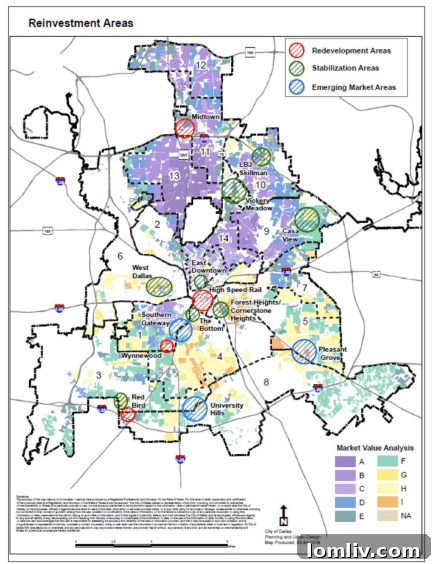
The overarching Comprehensive Housing Policy itself is a meticulously crafted framework. It establishes clear production goals for both homeownership and rental units, meticulously detailing the respective income bands that will receive priority within these goals. Beyond mere numbers, the policy outlines a diverse array of programs, innovative tools, and strategic approaches. These are all geared not only towards meeting ambitious production targets but also, critically, towards overcoming longstanding concentrations of poverty and entrenched racial segregation within Dallas’s diverse communities. This holistic approach ensures that housing initiatives are not just about building structures but about fostering equitable, thriving neighborhoods.
Targeted Assistance: Minor Repairs for Dallas Seniors
Recognizing a specific and pressing need within its senior population, the City Council approved Amendment 11 last month. This crucial measure allocated an additional $100,000 to the Housing and Neighborhood Revitalization department’s Minor Repair Program. Proposed by District 14 Councilman Paul Ridley, this amendment directly addresses a critical gap in support for income-qualified senior citizens who often struggle with home maintenance.
Councilman Ridley articulated the rationale behind the amendment, stating, “There is an unmet need in that department for such a program focused on our senior citizens. Currently there is no particular program to assist seniors who are income-qualified and cannot afford to pay contractors directly and are physically incapable of carrying out their own repairs.” This highlights a common challenge faced by many elderly residents who wish to age in place but lack the physical and financial means to maintain their homes.
The additional budget allocation is projected to fund loans or grants for 10 to 20 qualified senior residents, providing direct relief and practical solutions. While the city already operates a program for minor repairs, its lack of specific designation for senior citizens often left this vulnerable demographic underserved. David Noguera, Director of Housing and Neighborhood Revitalization, acknowledged the immense demand: “There is an incredible need for home repair services. The cost of addressing that need is a seven-figure number. The question is, do we have the resources to deliver those services? That’s really where the balancing act comes into play.” This new funding, though a step, recognizes the larger scope of the challenge.

The program will specifically cover essential repairs up to approximately $5,000 per home. As Noguera detailed, these repairs typically include critical components such as roofing, window replacement, HVAC systems, and door replacement – issues that directly impact a home’s safety, energy efficiency, and overall habitability. These interventions are crucial for maintaining the structural integrity of homes and ensuring comfortable living conditions for seniors.
Currently, four non-profit organizations deliver home repair services for the city, operating with a budget of around $300,000. With the newly approved $100,000 specifically designated for senior home repairs, Noguera indicated that the city would be able to “right size” its contracts with these non-profits. This means adjusting the scope and capacity of their work to meet the increased demand and specialized needs of senior citizens. He further explained the operational aspect: “At this stage, it’s largely based on their capacity, because we’re looking for them to carry out the work.” This partnership with experienced non-profits allows the city to leverage existing infrastructure and expertise, ensuring efficient and effective delivery of these vital services to Dallas’s deserving senior community, allowing them to live safely and independently in their own homes for longer.
Dallas’s Holistic Vision for Housing Stability and Growth
The recent budgetary decisions by the Dallas City Council signify a robust and multifaceted approach to tackling the city’s evolving housing landscape. From bolstering code enforcement to pioneering solutions for homelessness and enhancing home preservation, these initiatives collectively reflect a strategic vision aimed at improving the quality of life for all Dallas residents. The increased investment in housing, whether for renters, homeowners, or the most vulnerable, underscores a clear recognition of housing as a fundamental pillar of urban stability and growth. As Dallas continues to grow and adapt, these proactive policies are designed to build a more equitable, sustainable, and inclusive city for generations to come, addressing both immediate needs and long-term societal challenges with careful planning and dedicated resources.