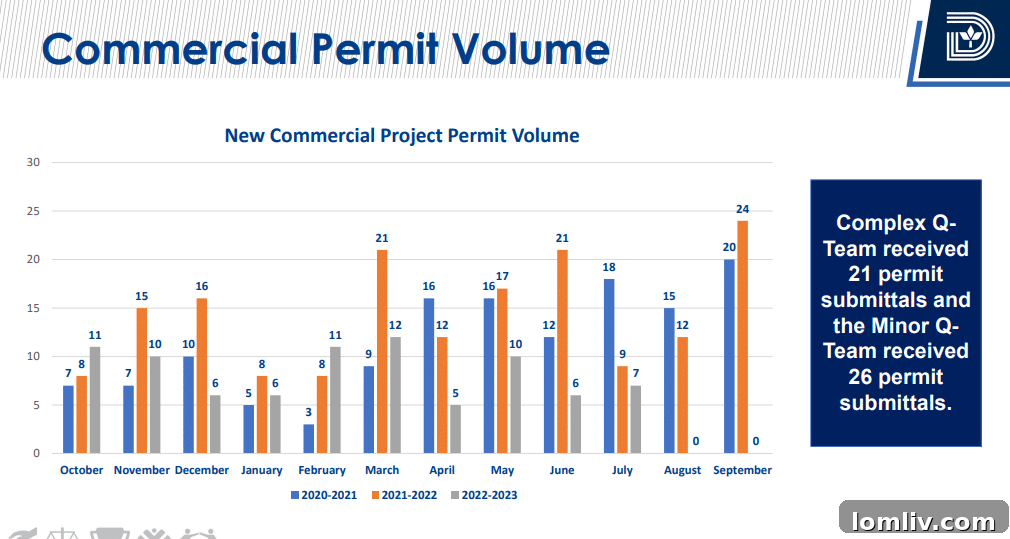
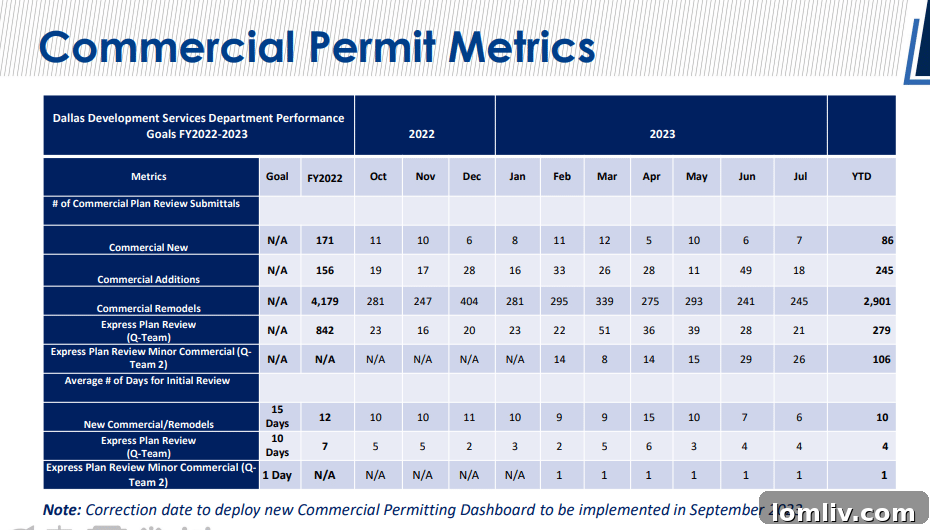
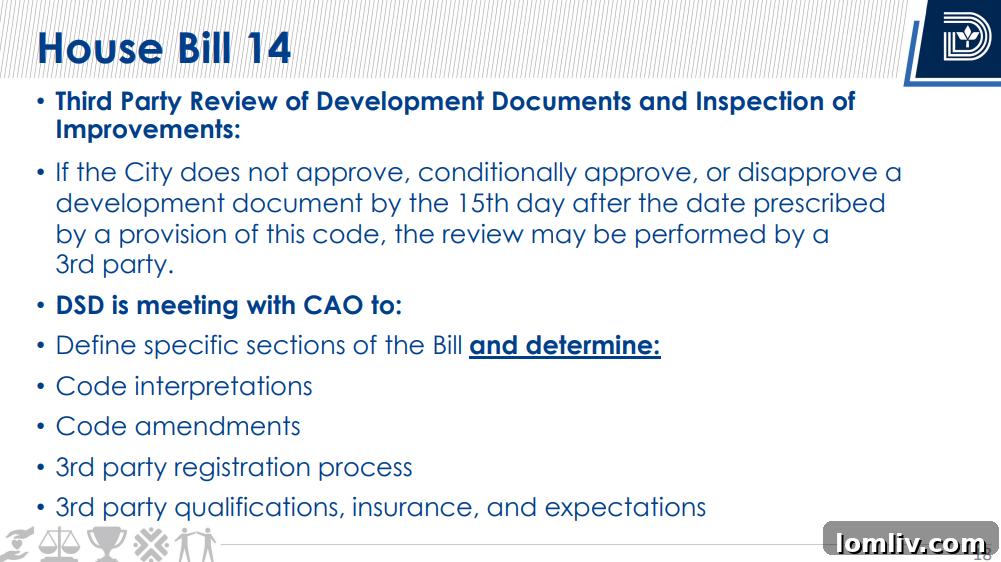
Dallas’s real estate and development landscape is undergoing significant transformation, driven by new state legislation and an urgent call for greater efficiency from city leadership. In a recent move set to reshape the commercial building permit process, Texas lawmakers enacted House Bill 14. This pivotal legislation now allows builders to engage independent third-party reviewers if their building permits are not processed within a strict 45-day timeframe. This regulatory shift has placed intense pressure on the City of Dallas Development Services Department (DSD) to accelerate its operations, particularly for complex commercial projects essential for urban growth and economic vitality.
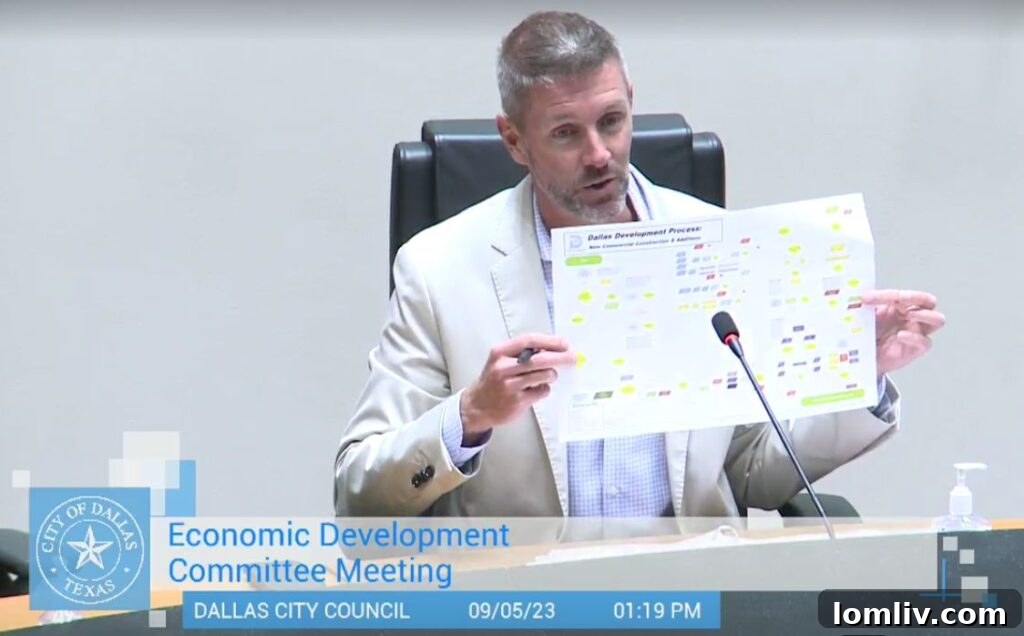
The Dallas City Council’s Economic Development Committee convened on September 6, emphasizing the critical need for continued prioritization of faster service. During this key committee meeting, District 1 Councilman Chad West expressed a newfound optimism regarding the DSD’s permit processing capabilities, stating he felt better than he had in four years. However, West quickly underscored that while residential permit processing had seen improvements, the commercial permitting process still presented substantial challenges requiring immediate attention and strategic overhaul. This sentiment reflects a broader understanding that while some progress has been made, the backbone of Dallas’s commercial expansion hinges on a more agile and predictable permit system.
Councilman West articulated a clear vision for the department’s approach, advocating for a fundamental shift in mindset. “When I ask a person who’s coming through development in the City of Dallas, I would like them to tell me, ‘You know what I love about your department? They start from yes and work backward,’” West passionately stated. This philosophy encapsulates a proactive, developer-friendly stance, one that values innovation, economic contribution, and job creation. By adopting a “start from yes” attitude, the City of Dallas aims to project an image of welcoming growth, recognizing the immense value that new developments, tax revenues, and employment opportunities bring to the metropolitan area.
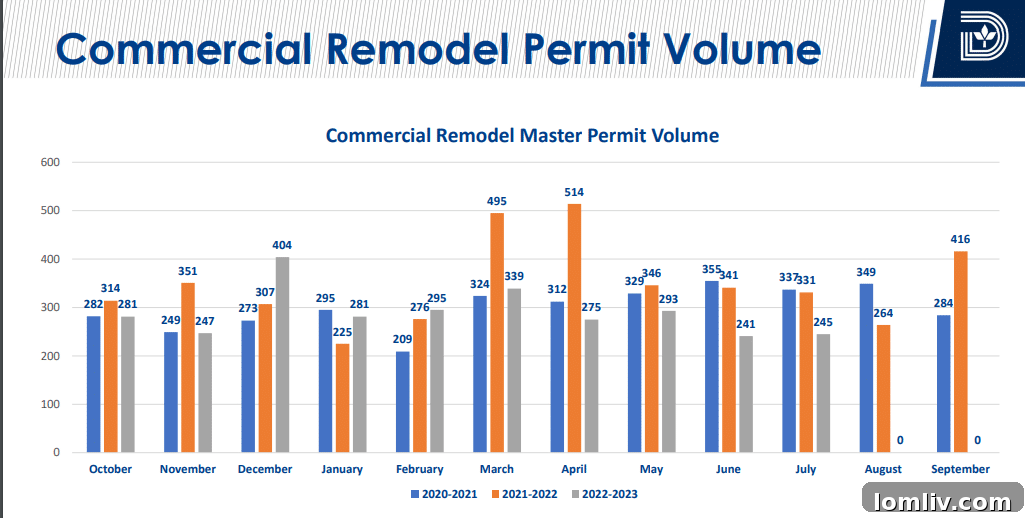
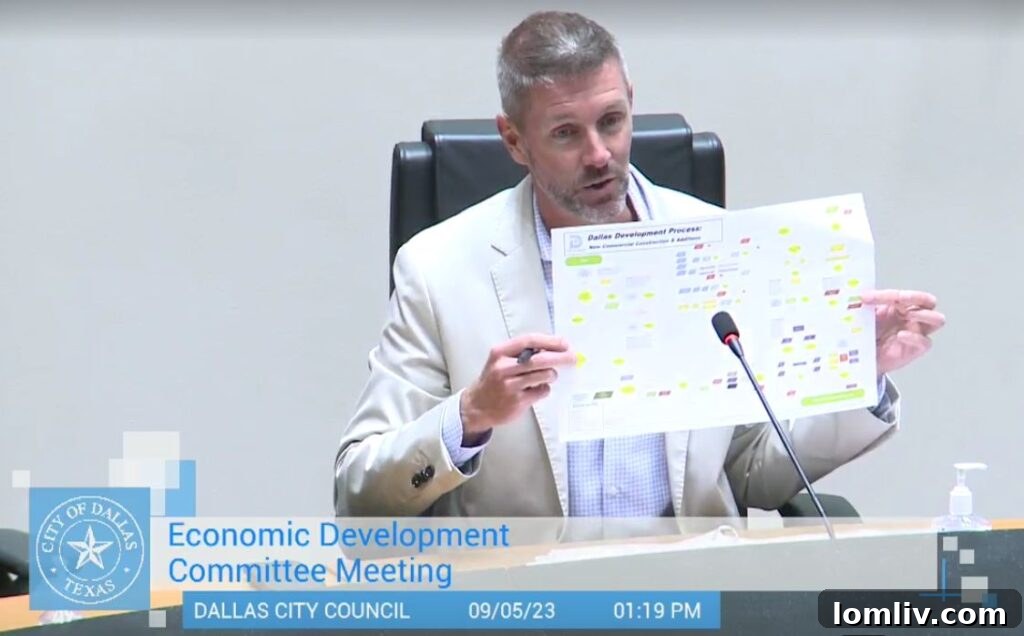
To translate this vision into tangible action, Councilman West issued a direct challenge to the permitting staff: simplify the commercial permit flowchart by an ambitious 33 percent within the next two years. This objective isn’t merely about aesthetic reduction; it’s about fundamentally re-evaluating and streamlining every step of the process to eliminate unnecessary bureaucratic hurdles. Simplifying the flowchart means making the journey from concept to construction smoother, more transparent, and significantly faster for developers, which is crucial for fostering a vibrant commercial environment in Dallas.
Assistant Development Services Director Sam Eskander shed light on the inherent complexities that contribute to the current elaborate flowchart. A comprehensive commercial facility, he explained, often necessitates reviews and approvals from numerous departments, each with its own set of regulations and requirements. This multifaceted process can involve planning, zoning, platting, building services, meticulous fire safety reviews, and assessments related to water, wastewater, and drainage infrastructure. Navigating these various departmental silos can be time-consuming and daunting for applicants, leading to delays and frustration.
Eskander clarified that the department’s approach to applications that encounter issues is not outright rejection but rather a “denial status” until the identified issues are adequately addressed. “We’re not telling the applicant, ‘Your permit is denied. You can’t do this.’ We’re just telling them it’s denial status until you address these issues,” Eskander stated. While this approach offers a pathway to eventual approval, it can still result in substantial project delays, particularly if communication and guidance are not sufficiently clear or prompt. Recognizing this, Assistant City Manager Majed Al-Ghafry concurred that the existing checklist and review procedures could indeed be made more efficient. He echoed the sentiment of adopting a positive initial approach, stating, “We could cut it into different pieces and carve it out and start with the word yes. That’s something we’re working on.” This highlights a concerted effort within the city administration to re-engineer processes from a developer-centric perspective.
Accelerating Commercial Building Permits: Addressing Key Bottlenecks
One of the primary factors contributing to permit delays, as highlighted by Eskander, involves applicants submitting permit requests before securing the appropriate zoning for their projects. Historically, instead of being immediately denied, these projects would enter a state of limbo, with the permit application clock continuously running. “It sits for one year or two years, and people will say, ‘The permit’s been in the system for so long and I haven’t gotten my permit.’ Well, a big chunk of that time was working through [Planning and Urban Design] to get their zoning in place,” Eskander elaborated. This practice obscured the true efficiency of the Development Services Department, making their statistics appear worse than the actual time DSD spent on the review process itself.
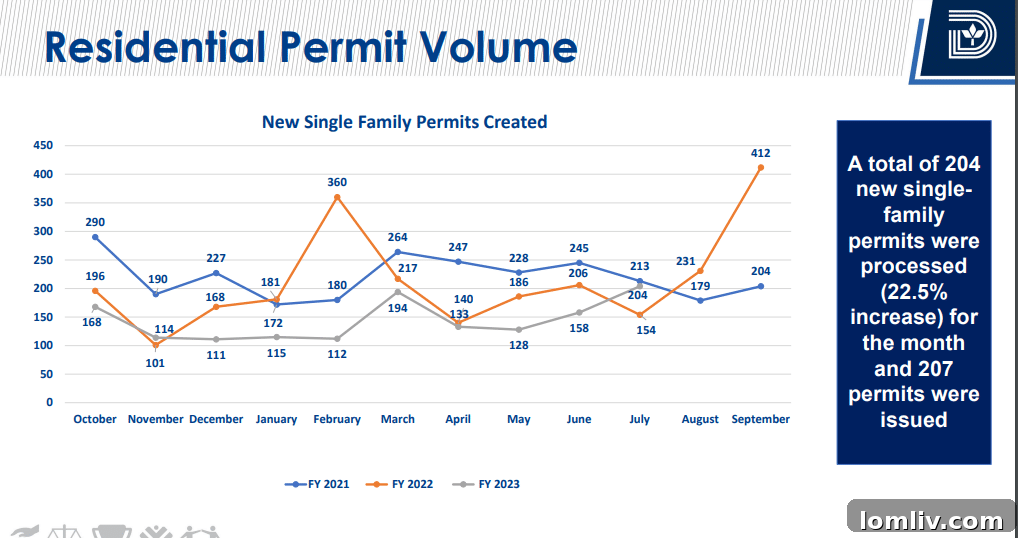
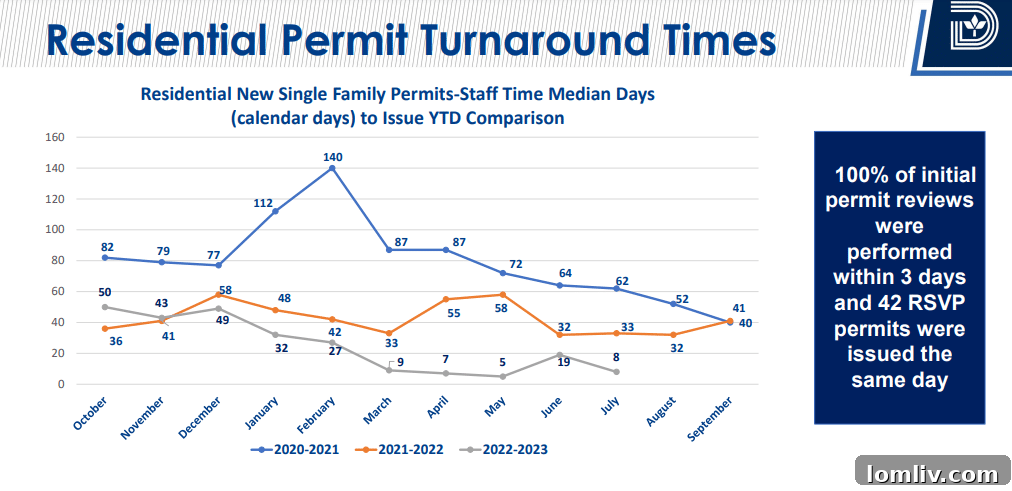
Councilman Paul Ridley critically observed that such prolonged periods unfairly reflected on the department’s performance. He suggested a more definitive approach: denying the permit outright until the correct zoning is secured. “Your statistics look bad and you’ve got these long-term periods that reflect poorly on your department where it’s not your fault. Perhaps you need to re-examine that practice and put them in a denied category or some kind of suspended category while they’re being reviewed for zoning,” Ridley asserted. This proactive stance would ensure that the DSD’s metrics accurately represent its review efficiency, distinguishing it from delays caused by incomplete initial applications.

In a significant legislative update, Eskander confirmed that House Bill 14, effective as of September 1, mandates the denial of such permits until zoning matters are fully resolved. This change effectively addresses Ridley’s concern, ensuring that the DSD’s permit processing times are no longer skewed by applications awaiting fundamental prerequisites. This legislative clarity is a crucial step towards creating a more streamlined and transparent permit application process for commercial development in Dallas.
Ridley also questioned the frequent use of Dallas’s extensive number of Planned Developments (PDs)—over 1,100—as a primary justification for lengthy permit times. He argued that while PDs do introduce an additional layer of review, the core regulations that concern permitting officials, such as setbacks, height limitations, and floor area ratios, are fundamentally similar to those in standard zoning districts. “They’re not rocket science,” he stated, adding, “They’re the same as in regular zoning districts.” This implies that with proper training and a standardized approach, the review of PDs should not inherently cause disproportionate delays, suggesting that the complexity might be more in perception and process than in the underlying regulatory principles.
The Path Forward: Strategic Initiatives to Resolve Dallas’s Permit Problem
Mayor Pro Tem Tennell Atkins, who chairs the Economic Development Committee, consistently underscored the paramount importance of completing the ForwardDallas comprehensive land use plan update. This ambitious plan is envisioned as a foundational tool for reorganizing and simplifying the city’s approach to development, thereby directly impacting the efficiency of permit processing. Assistant City Manager Al-Ghafry echoed this sentiment, agreeing that ForwardDallas is indispensable “to streamline planning and zoning as well as Development Services in a much more succinct manner.” The successful implementation of ForwardDallas is expected to provide a clearer, more predictable framework for developers, reducing ambiguities and accelerating approvals across the board.
Committee members expressed a strong desire to actively contribute to improving the process, inquiring whether additional staff, funding, or other resources were needed. Councilman Omar Narvaez articulated the growing frustration from the development community and city officials alike, asking, “How long is it going to take? We’re in year three. We’ve given you everything you need and it’s still not there. What more can we do?” He further questioned why a streamlined, expedited system couldn’t be implemented for developers who consistently adhere to regulations, never breaking rules or cutting corners. This highlights a demand for differentiating between compliant and non-compliant applicants, rewarding good faith efforts with efficient service.
In a tangible effort to enhance communication and operational efficiency, the permitting offices are in the process of relocating from the Oak Cliff Municipal Center on Jefferson Boulevard to a new facility on Stemmons Freeway, with an anticipated completion date in October. This move is expected to facilitate better internal coordination and provide a more modern, accessible environment for both staff and applicants. Al-Ghafry believes this physical relocation, coupled with process improvements, will significantly contribute to overcoming existing challenges.
Al-Ghafry acknowledged the unique complexities inherent to Dallas, particularly citing the city’s 1,150 Planned Developments, which make it distinct from surrounding municipalities. He recounted the city’s journey from a significant backlog of 900 permits, outlining a two-stage strategy. “The dynamic is, we have 1,150 PDs. This city is complex. This city is not like the surrounding cities. We started with a backlog of 900 permits. We’re catching up,” he explained. The first stage, stabilization, has been successfully achieved, bringing the permit processing under control. The focus has now shifted to the second and more ambitious stage: concentrating on systemic and process improvements. This includes initiatives led by Eskander and his team to ensure that all streamlining efforts are integrated seamlessly, leading to a sustainable, efficient, and developer-friendly permit system that truly positions Dallas as a leader in commercial development.