

The Social Initiative: Shaping Architecture for the Millennial Generation
The Millennial generation, a formidable demographic force in the United States numbering approximately 68 million individuals born between 1981 and 1996, is profoundly reshaping expectations across various sectors, including architecture and design. This influential group demonstrates a significant and growing interest in socially responsible and sustainable design principles, fundamentally altering the landscape of how we conceive, construct, and interact with our built environment.
As these digitally native, community-minded individuals increasingly step into roles of influence and homeownership, their values are directly impacting market demands and design philosophies. They are not merely seeking aesthetically pleasing structures; instead, they prioritize spaces that contribute positively to society, champion environmental stewardship, and foster genuine community connection. This shift heralds a new era where design transcends pure form and aesthetics, embedding itself firmly in ethics, empathy, and ecological awareness.
Exploring Millennial Values in Design: The Dallas Architecture Forum Presents “The Social Initiative”
In response to this crucial paradigm shift, the Dallas Architecture Forum is set to host a pivotal panel discussion titled The Social Initiative. This event promises to be a deep dive into the evolving priorities of Millennials, specifically examining their preference for architectural and design solutions that prioritize human needs and experiences over traditional emphasis on ego, iconic forms, or superficial aesthetics. The discussion aims to uncover how this generation is inspiring the bridging of boundaries across disciplines, demographics, and even neighborhoods, fostering a more integrated and inclusive approach to design.
The core of this conversation will revolve around understanding why Millennials are gravitating towards designs that embody purpose and social good. They often look beyond the immediate visual appeal, questioning the environmental impact of materials, the social equity fostered by a building’s function, and its long-term contribution to a vibrant, healthy community. This shift demands a more holistic design approach, one that considers the entire lifecycle of a project and its ripple effects on people and the planet.
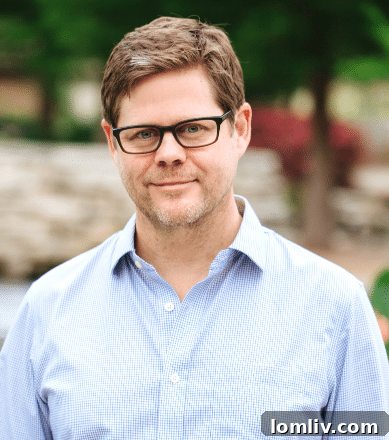
Meet the Moderator: Bob Harris, Champion of Eco-Conscious Design
Moderating this insightful discussion will be Bob Harris, FAIA, LEED Fellow, a distinguished partner and lead of the Eco-Conservation studio for Lake|Flato Architects in San Antonio. With over two decades of extensive project experience, Harris has become a vanguard in integrating award-winning design with robust sustainable solutions. His comprehensive expertise spans a wide array of environmental issues, from passionate advocacy for land preservation to the meticulous crafting of sustainable urban design strategies.
Harris’s work epitomizes the very principles that resonate with the Millennial generation. He champions an approach where architectural innovation goes hand-in-hand with ecological responsibility, proving that beautiful, functional spaces can also be exceptionally kind to the environment. His projects often demonstrate how thoughtful design can minimize ecological footprints, conserve natural resources, and enhance biodiversity, all while creating inspiring human environments. His leadership in eco-conservation makes him an ideal figure to guide a discussion on design’s social and environmental imperatives.
Distinguished Panelists Driving Change
Bob Harris will be joined by a diverse group of panelists, each bringing unique perspectives and invaluable experience to the conversation:
- Allison Baker: A Project Leader at Studio Outside, Allison brings expertise in landscape architecture and urban planning, focusing on how outdoor spaces contribute to community health, resilience, and engagement. Her work often emphasizes the integration of natural systems into urban environments, creating public spaces that are both sustainable and socially vibrant.
- Isaac Cohen: As a Public Designer at bcWORKSHOP, Isaac represents the cutting edge of community-centered design. His work within a nonprofit framework directly addresses the needs of underserved communities, focusing on design as a tool for social equity and empowerment. His practical experience in grassroots projects will offer a vital perspective on impactful, accessible design.
- Amanda Kalescky: A Senior Project Coordinator at GFF, Inc., Amanda offers insights from a large, established architectural firm. Her role highlights the challenges and opportunities of integrating sustainable practices and social initiatives within commercial and large-scale development projects, demonstrating how these values can be scaled and implemented across various architectural endeavors.

The Power of Community-Centric Design: An Inside Look
“I work at bcWORKSHOP, a nonprofit community design center, and I want to bring the perspective of someone working in a nonprofit environment working directly with communities,” Isaac Cohen shared, highlighting the core of his contribution to the panel. His experience illuminates the profound impact of design when it emerges from and serves the community directly. “I was invited by Tary [Arterburn] from Studio Outside to be a participant and…we have an ongoing discussion what it means to be young, in design, and wanting to work with communities in Dallas.”
Cohen’s statement underscores a critical theme of the panel: the drive among young designers to leverage their skills for tangible social good. This sentiment is particularly strong within the Millennial generation, who often seek careers with purpose and social impact. Working directly with communities involves a participatory design process, where the needs, aspirations, and cultural contexts of residents are central to every decision. This approach contrasts sharply with traditional top-down design models and fosters a sense of ownership and belonging among community members, creating spaces that are not just built *for* people, but truly built *with* them.
The panel will delve into practical examples of how community design centers like bcWORKSHOP engage with local residents, from co-creating public art installations to designing affordable housing solutions and revitalizing public spaces. This direct engagement ensures that projects are not only sustainable and aesthetically pleasing but also deeply responsive to the social fabric and cultural identity of the neighborhoods they serve. Such initiatives are crucial for building resilient, equitable, and vibrant urban environments.
Millennials and the Future of Architecture: Beyond Aesthetics
The “Social Initiative” panel serves as an essential platform to explore how Millennial values are not just influencing niche projects, but are fundamentally reshaping the entire architectural profession. This generation’s priorities extend beyond green building certifications; they are interested in holistic sustainability, which includes social equity, economic viability, and cultural preservation alongside environmental performance. They demand transparency in material sourcing, ethical labor practices, and designs that actively promote health and well-being.
The discussion will likely touch upon key trends driven by these values: the resurgence of adaptive reuse, prioritizing existing structures and minimizing waste; the rise of mixed-use developments that foster walkable, vibrant neighborhoods; the integration of smart technologies for efficiency and occupant comfort; and an increased focus on inclusive design that caters to diverse populations. For Millennials, a building is not merely a shelter or an investment; it is a statement, a tool for social progress, and a testament to a commitment to a better future.
By bringing together leading voices in architecture and design who are actively engaged with these principles, the Dallas Architecture Forum aims to inspire a broader conversation within the industry. It highlights the imperative for all design professionals to consider the social and environmental ramifications of their work, moving towards a future where design is inextricably linked to collective well-being and responsible stewardship.
Event Details: Join the Conversation
This enlightening Dallas Architecture Forum panel discussion will take place on Tuesday, February 9th, at The Dallas Center for Architecture, located at 1909 Woodall Rogers Frwy., Suite 100. An informal reception, offering a chance for networking and casual discussion, will begin at 6:15 p.m., followed by the main event at 6:30 p.m. There is no need for reservations; all interested individuals are encouraged to attend and participate in this vital conversation.
This event is an unparalleled opportunity for architects, urban planners, designers, students, community leaders, and the general public to gain insights into the evolving demands on the built environment and the innovative approaches being taken to meet them. It promises to be an engaging evening, fostering new ideas and collaborations that will shape the future of design in Dallas and beyond.
For additional information regarding The Dallas Architecture Forum, its mission, or this specific panel discussion series, please visit their official website at dallasarchitectureforum.org or contact them directly by calling 214-764-2406. Don’t miss this chance to be part of a forward-thinking dialogue that addresses the social initiative at the heart of modern architecture.